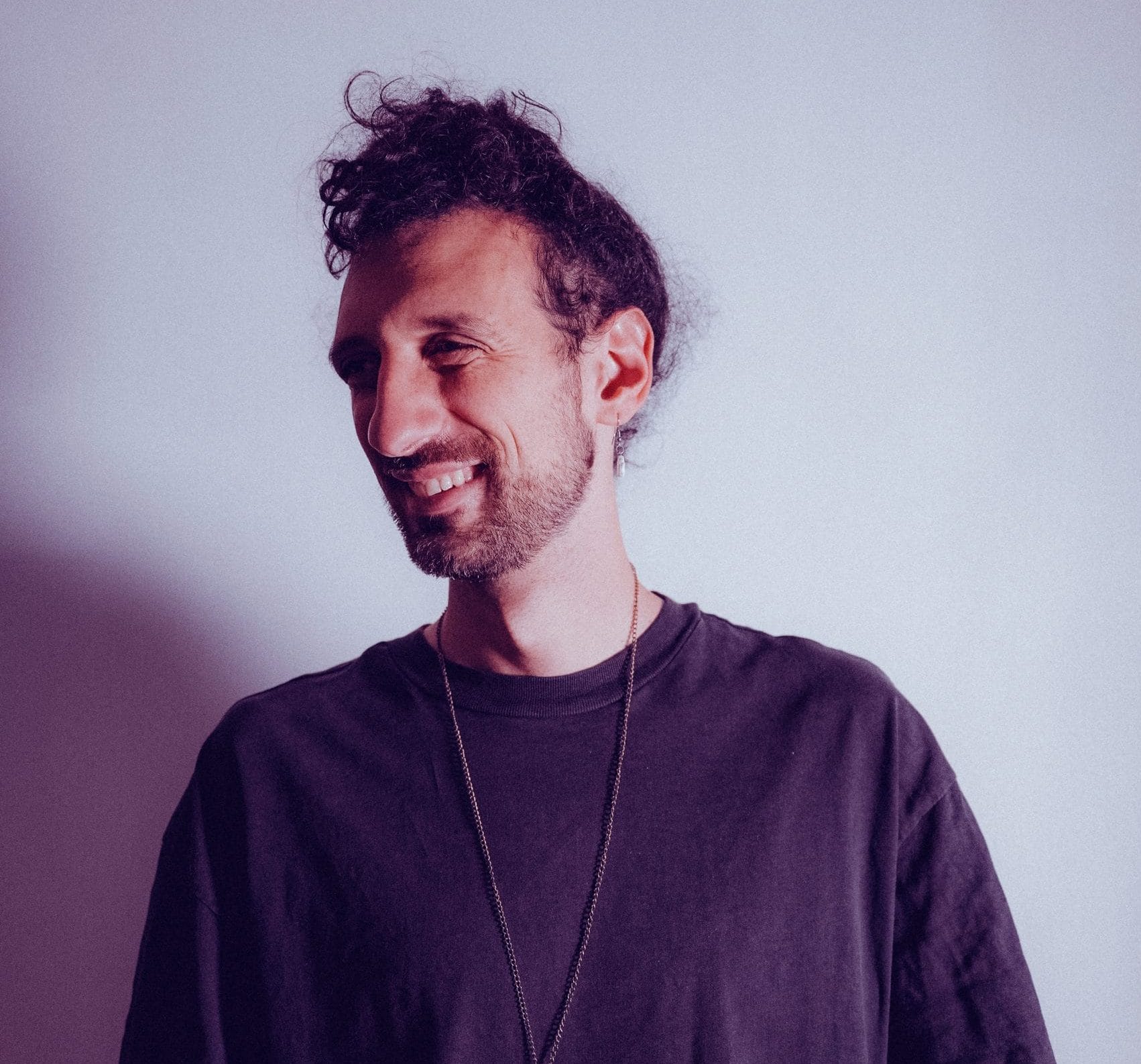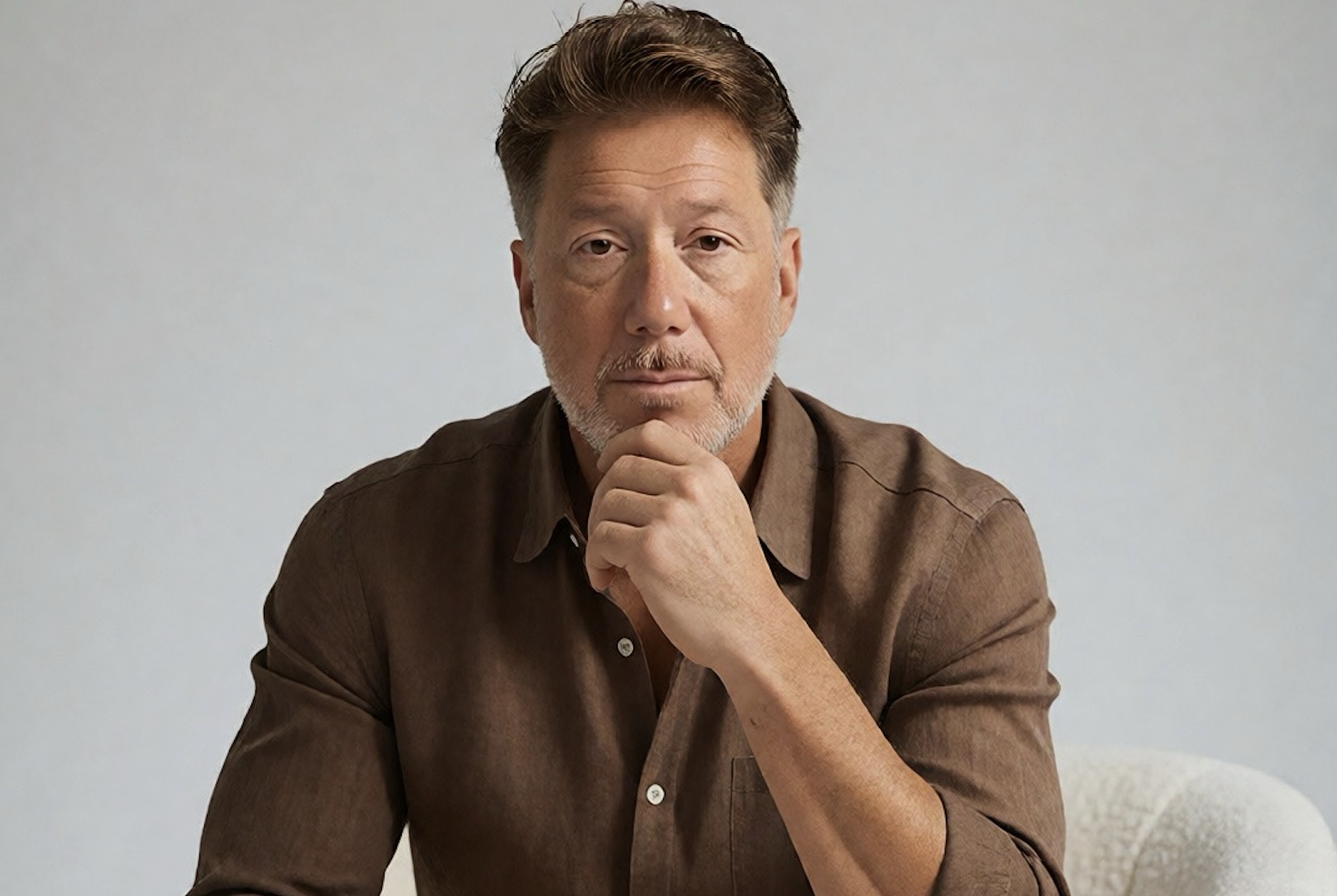
The title American Salsa could have easily sounded like a claim too big for one album to carry. Juan Rosario Jr. seems aware of that, which is what makes the project more interesting. He is making a record from the place he actually comes from: Puerto Rican roots, Boston streets, English-speaking surroundings, faith, family, hip-hop, reggaeton, and the long independent grind of building Jros Records without waiting for a bigger machine to tell him the work counts.
That is the better way into his ten-album run in 2026.
The number is attention-grabbing, and it should be, but volume alone is never the story. What matters is that the newest project puts a cultural question right in the title. American Salsa asks what happens when salsa is written from inside a Puerto Rican-American life shaped by Boston rather than New York, by church and street music as much as tradition, by the daily overlap of heritage and city identity instead of some clean museum version of either one.
Rosario’s own answers keep coming back to that overlap.
He talks about respecting the foundation of salsa while letting his own experiences change the delivery, the writing, and the attitude around it. He talks about making music that carries love, disappointment, perseverance, faith, and home without pretending those things belong to only one genre.
In the interview below, Rosario gets into Boston, Boricua identity, the ten-album catalog, Jros Records, and why American Salsa is less a final statement than a record of where his life and music meet right now.
Interview With Juan Rosario Jr.

What made American Salsa the right title for this album? What does the name communicate about your own experience, and how do you place it within salsa’s established history in the United States?
American Salsa felt like the right title because it describes where my version of the music comes from. I’m Puerto Rican, but I was born and raised in Boston. My relationship with salsa comes from being surrounded by Puerto Rican culture while also growing up in an American city and being influenced by everything around me: hip-hop, reggaeton, R&B, gospel, and the sounds of Boston.
I don’t use the title to erase salsa’s history or the people who came before me. Salsa has a deep and important history in the United States, especially through Puerto Rican and other Latino communities in cities like New York. I see myself as part of that continuing story.
For me, American Salsa describes salsa through the experience of someone who grew up Puerto Rican in America. It represents where I’m from, what I’ve lived, and how those experiences naturally became part of my music.
I also believe history should ultimately decide how my contribution is remembered. I’m simply documenting what I’m doing right now and leaving the music behind for people to judge over time.
Growing up Puerto Rican in Boston, where did salsa fit into your daily life? Tell us about a person or place that affected your relationship with the music, and how that influence appears in your songs today.
Growing up Puerto Rican in Boston, salsa was part of the culture around me. Being Puerto Rican wasn’t something I separated from being from Boston. Those two identities existed together.
My connection to salsa comes from that environment: family, Puerto Rican culture, the people around me, and the sounds I heard growing up. Boston gave me one perspective, while my Puerto Rican roots gave me another. Music became the place where those two worlds could meet.
That still shows up in my songs today. I don’t try to make music that sounds like somebody else’s life. I write from my own experiences: love, family, faith, disappointment, perseverance, identity, and the things I’ve experienced growing up in Boston.
That’s why my salsa doesn’t exist in isolation. You can hear the Puerto Rican influence, but you can also hear the American city I grew up in.

When you began making salsa, what came naturally to you, and what took time to understand well enough to put into your own music?
The emotional side came naturally to me. I understood that salsa has to communicate something. It can make you dance, but it can also tell a story, express pain, celebrate love, talk about faith, or say something that people may not know how to say themselves.
What took time was understanding how to bring my own ideas into the musical language of salsa without losing what makes salsa salsa.
I had to learn how the rhythm, percussion, piano, bass, brass, and vocals work together and how much space each element needs. I also had to figure out how my other influences could exist alongside those traditional elements.
Over time, I stopped trying to force it. I realized that I could respect the foundation while still allowing myself to sound like Rosario.
That’s probably one of the biggest lessons I’ve learned: you can respect where a musical tradition came from while still adding your own chapter to it.
Your catalog also includes reggaeton and hip-hop, alongside music informed by faith. How do you decide which of those influences belong in a salsa song? Tell us about a moment on this album where that decision affected the finished recording.
I don’t start with a formula and say, “I’m going to put hip-hop here, reggaeton there, and salsa here.” I start with the song.
The message determines what belongs.
If the song needs a salsa foundation, then the piano montuno, bass tumbao, percussion, and brass have to carry that foundation. But if the emotion or story calls for something different, I may allow another influence to enter naturally.
That’s where my background in hip-hop and reggaeton becomes useful. Those sounds are part of the musical environment I grew up in, so I don’t have to pretend they aren’t there.
On American Salsa, I wanted the foundation to remain recognizable as salsa while allowing my American experience to come through in the songwriting, vocal delivery, production, and attitude. That balance is important to me.
Faith also plays a role in my music because it’s part of the way I see life. I don’t want faith to feel like something pasted onto a song. When it belongs in the story, I let it be part of the story.
You’ve built a ten-album catalog in 2026. How much of that material was written before this year, and what did the recording process involve? I’d be interested in how you divided the work between yourself and any collaborators, and how you decided each album was ready to release.
Building ten albums in one year has been a major creative undertaking, but the story isn’t simply that I suddenly started writing ten albums in 2026.
A lot of the music comes from ideas, experiences, writing, and creative work that have developed over time. 2026 became the year when I was able to bring a large amount of that material together, finish it, record it, produce it, and release it.
I am very hands-on with my music. I’m a songwriter and producer, and I spend a lot of time shaping the sound, arrangements, vocals, and overall direction of the records. Collaborators can contribute where appropriate, but I want the final music to remain connected to my vision.
For me, an album is ready when the songs communicate what I wanted them to communicate. I don’t want to release something simply because I have enough tracks to call it an album.
Ten albums is a milestone, but I don’t look at it as the finish line. It’s actually proof to me that there are still more stories to tell.
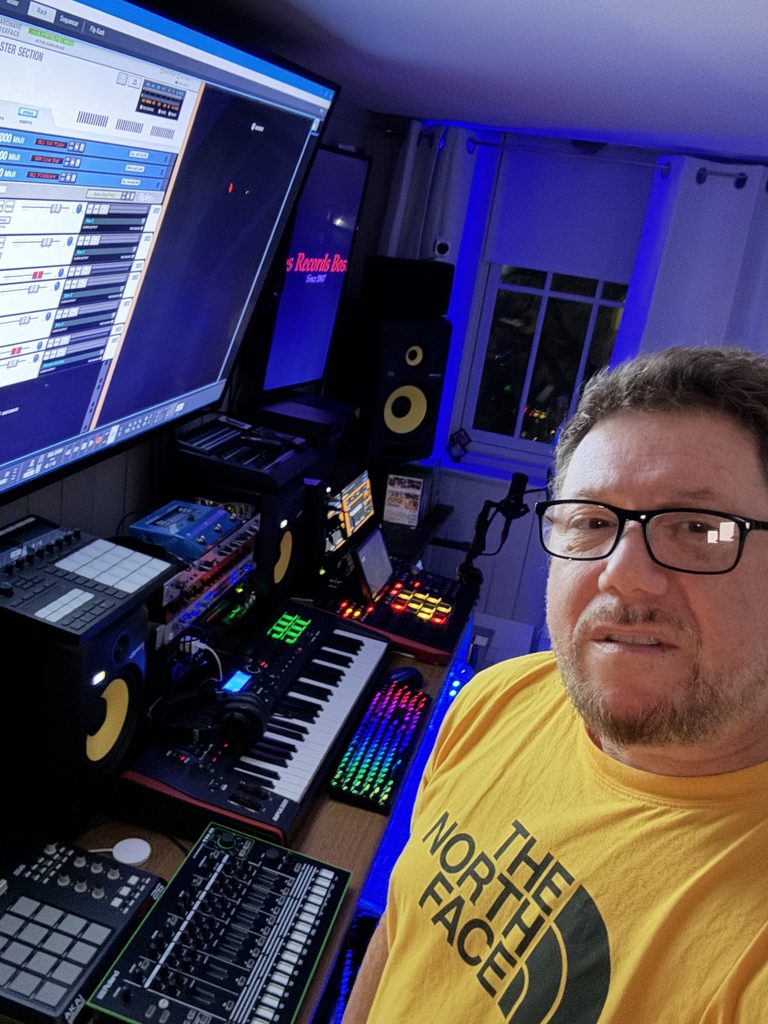
You established Jros Records in 2007. What has running the label taught you about getting your music to people, and how are you applying those lessons to American Salsa? What kind of listener response would tell you the album is connecting in the way you intended?
Starting Jros Records in 2007 taught me that making the music is only one part of being an artist. You also have to learn how to get that music in front of people, how to build something independently, how to stay consistent, and how to keep going when nobody is paying attention yet.
I’ve learned that you can’t always wait for somebody else to open the door for you. Sometimes you have to build your own door.
That’s the approach I’m bringing to American Salsa. I’m not waiting for somebody else to decide whether this music belongs in the conversation. I’m putting the music out, documenting the work, and allowing people to hear it for themselves.
The response I’m looking for isn’t simply numbers. Of course, streams, followers, and views matter because they show that people are finding the music. But the response that means the most is when somebody tells me that a song connected with something they were feeling, reminded them of home, made them dance, gave them hope, or made them look at salsa differently.
If someone hears American Salsa and says, “I understand where this artist is coming from,” then I’ve accomplished what I wanted to accomplish.
At the end of the day, I’m building a catalog that represents my life, my city, my Puerto Rican roots, and my musical journey. I want the music to speak for itself.
Closing Thoughts
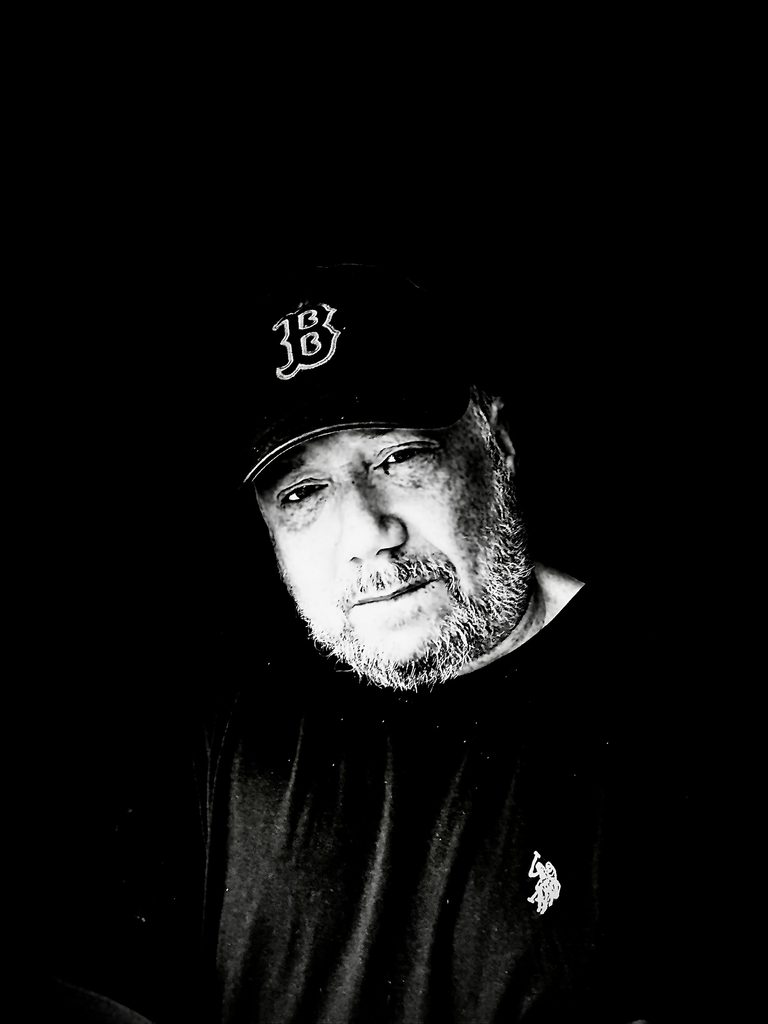
The most interesting thing about American Salsa is how carefully Rosario avoids overclaiming the premise. A lesser version of this story would have leaned too hard on the title and tried to force a grand historical statement before the music had time to carry it. Rosario’s answer is more patient.
He knows where he comes from, he knows what he put into the recordings, and he is willing to let the catalog sit in public long enough for listeners to decide what it means.
Rosario’s ten-album year also deserves a little caution, which his own media package seems to understand.
The number is not proof by itself. Volume alone does not make an artist important. What makes the run worth covering is the combination of output, independent infrastructure, identity, and the decision to place a project called American Salsa near the center of the catalog. That is where the story becomes more than productivity.
There is a clean line from there to edapollo’s interview on A&R, artist support, and building a label around context. edapollo talked about why good music still needs a clear setup around it now, and Rosario’s situation shows the artist-side version of that same problem. A record can speak for itself once someone hears it, but the artist still needs to build enough context for people to understand why they should listen in the first place.
That is where Jros Records matters. Rosario founded the label in 2007, and his answer about “building your own door” lands because the catalog is not being presented as a one-off burst. It is part of a longer independent habit: write, record, release, document, learn, and keep moving even when the attention is not guaranteed.
There is another practical link to Chris Sharpe’s interview on music PR, playlists, and why independent artists need clearer routes to attention. Rosario’s email pitch, media package, paid partnered interview, and stated desire for the story to be investigated rather than simply praised all sit inside that same modern independent artist reality.
The music has to exist, but the story around the music has to be organized enough for anyone outside the immediate circle to understand it.
The broader takeaway is that American Salsa works best as a question rather than a declaration. Rosario is not saying salsa begins with him, and he is not trying to rewrite a tradition that already carries deep Puerto Rican, Cuban, Caribbean, New York, and wider Latino histories. He is documenting what happens when that tradition passes through his life:
Boston, Boricua identity, English-speaking surroundings, faith, hip-hop, reggaeton, family, pain, purpose, and the decision to build a catalog that can keep answering the question long after the release week ends.

Magnetic byline note: This byline is used for staff produced updates and short announcements, often based on press materials and official release information. Editorial responsibility: David Ireland (Editor in Chief) and Will Vance (Managing Editor). About: https://magneticmag.com/about/ Masthead: https://magneticmag.com/masthead/ Contact: https://magneticmag.com/contact/