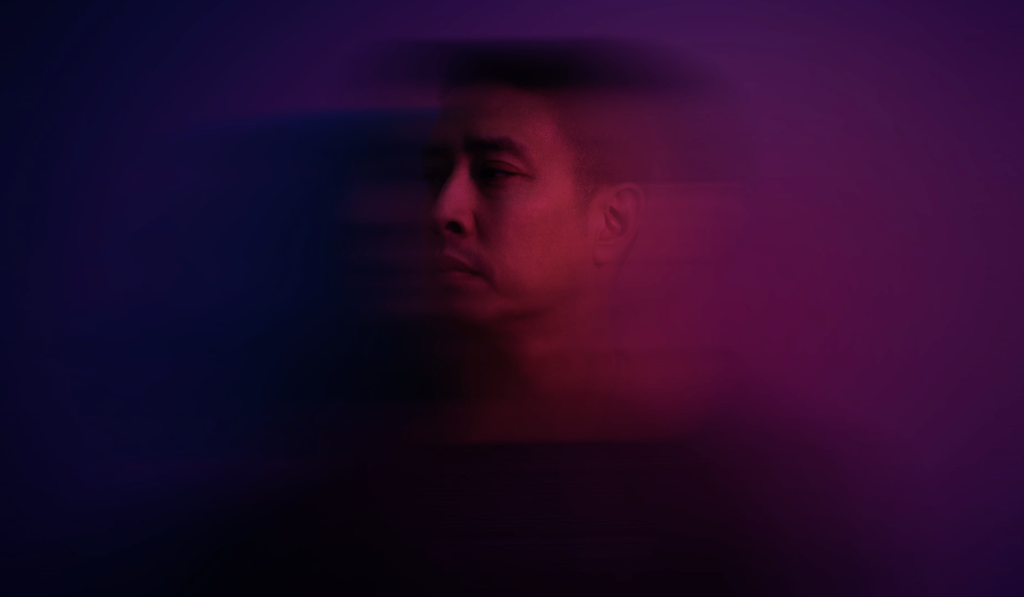
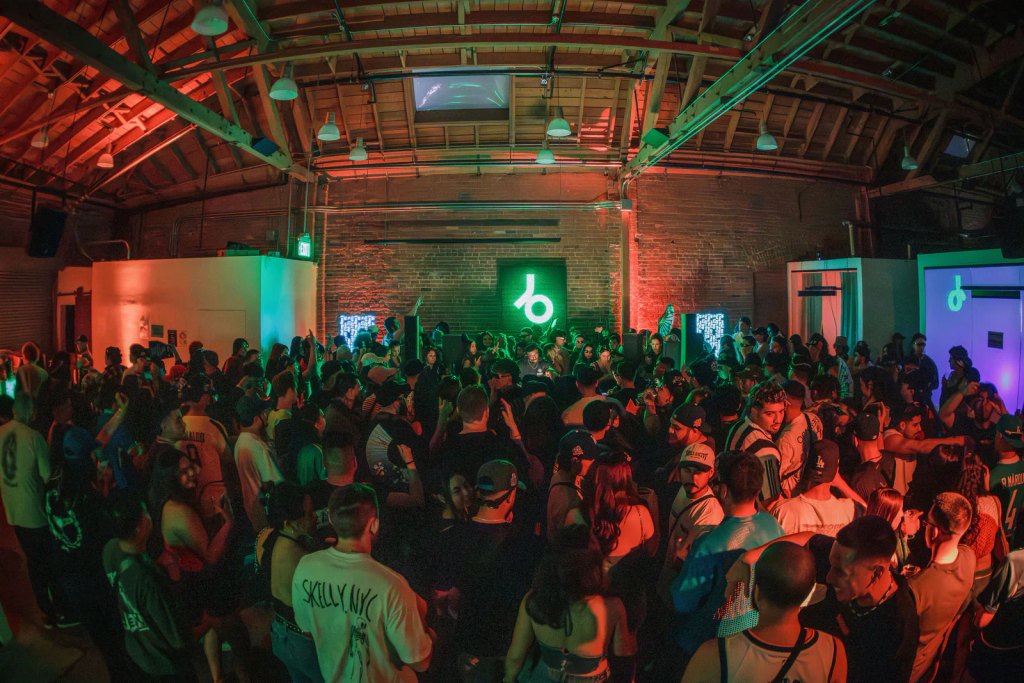
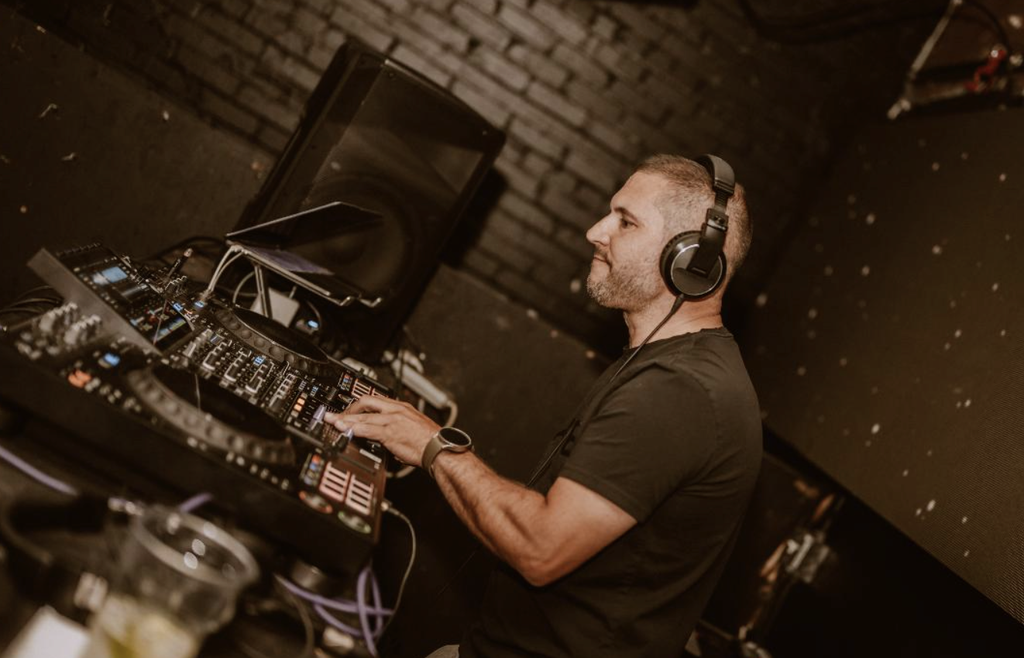
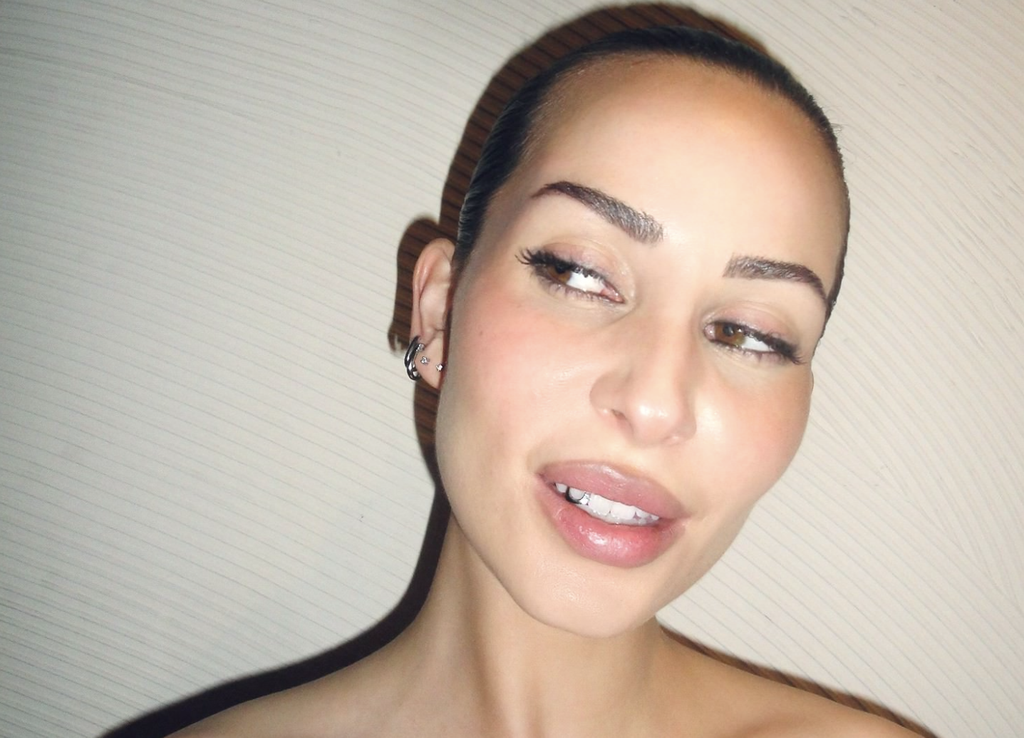
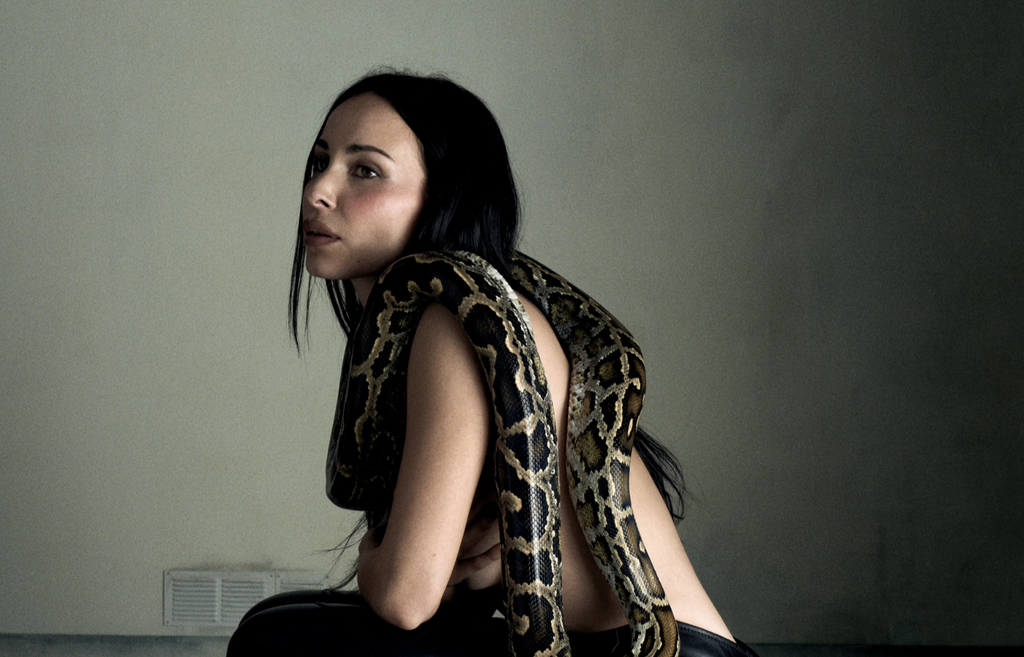
BIIA (@biia__________) opens a new chapter with “Die For Youth,” the first release on her own imprint, DYSTONIA. The Portuguese DJ and producer has built her name on driving, hypnotic techno with tight control and high physical impact, but this single brings a more emotive edge into that energy. Arriving August 27, the track is built around youth, freedom, nostalgia, soaring vocal hooks, melodic lift, and peak-time techno pressure.
The release also gives DYSTONIA a clear opening statement.
The label is designed as a creative platform and community centered on movement, self-expression, and music that connects emotionally as much as physically.
That makes sense for BIIA right now.
She is launching the imprint during a major run of international dates, with recent and upcoming appearances at Tomorrowland, Awakenings, Monegros, Neopop, Sziget Festival, Hï Ibiza, OffSonar, Brunch Electronik, and more.
The interview below gets into the human side of that growth. BIIA talks about community, introversion, social media, the loneliness that can sit behind the artist life, and the quiet ways DJs support each other away from the stage. For an artist launching a label named DYSTONIA, the conversation gives the project a wider purpose. It is not only about releasing music under her own control.
It is about creating a space where people can gather, move, feel, and still remain connected to something real.
Interview With BIIA
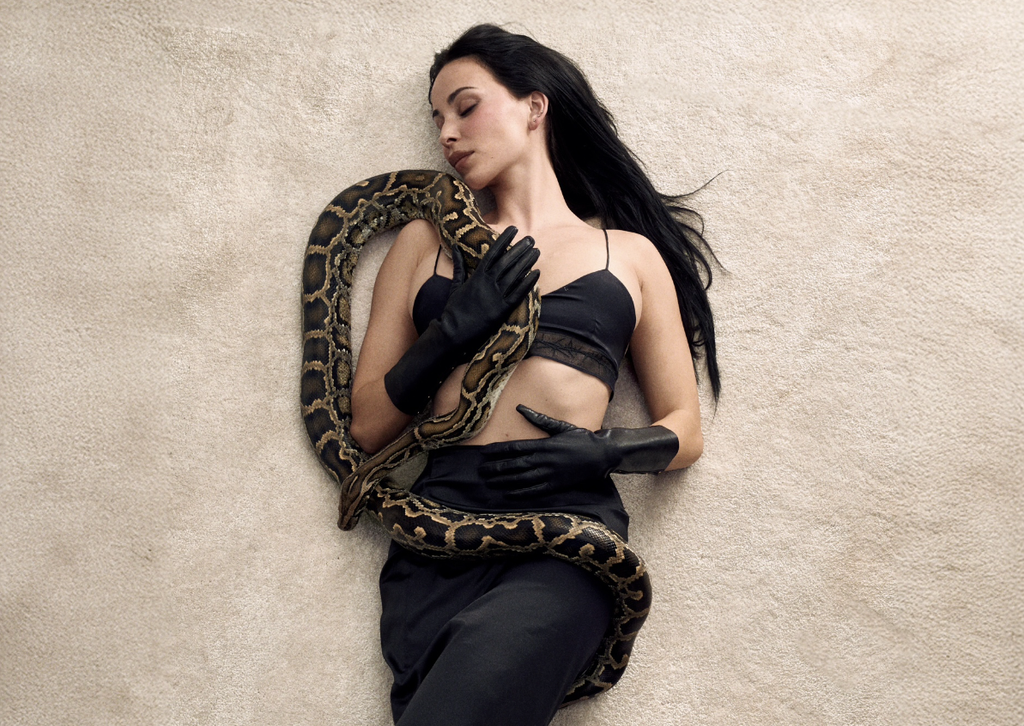
How do you personally define community in the context of DJ culture?
For me, community, in the context of DJ culture, goes back to the very roots of what music is about: a sense of belonging, connection, and sharing. It’s about people coming together through a shared passion for music. When I play, we’re all experiencing the same moment, at a very specific point in time, and we’re connected by something we all love.
That shared passion creates a sense of belonging and allows us to experience something deeper together. For me, that’s what community is really about.
Are there intentional things you do to stay connected with other DJs, promoters, or dancers outside of gigs?
I think for me, it’s mostly through the music itself.
I’m quite introverted, so I’m not someone who naturally goes out and networks. But when I share a space with people, I try to connect. Social media also helps me keep those connections alive, and creating music is another way for me to communicate and stay connected with DJs, producers and people who resonate with what I do.
Can you share a moment where a relationship or community you built totally changed the direction of your career?
I think everything happened quite naturally for me.
I believe more in creating the opportunities for connections to happen rather than forcing them. With the release of Don’t Get Lost in Heaven, my first real hit, I started to feel that a community was forming around the music, people connecting through the feelings the track brought out in them. That was a really special moment for me.
What helps you nurture meaningful connections in an industry that often moves fast and surface-level?
For me, it’s about not staying on the surface level. I’d rather have fewer, meaningful connections and connect with people for who they really are, beyond what they can bring me or offer me. Even though the industry often works this way, I think it’s important to stay true to your values. That’s what creates genuine and lasting relationships.
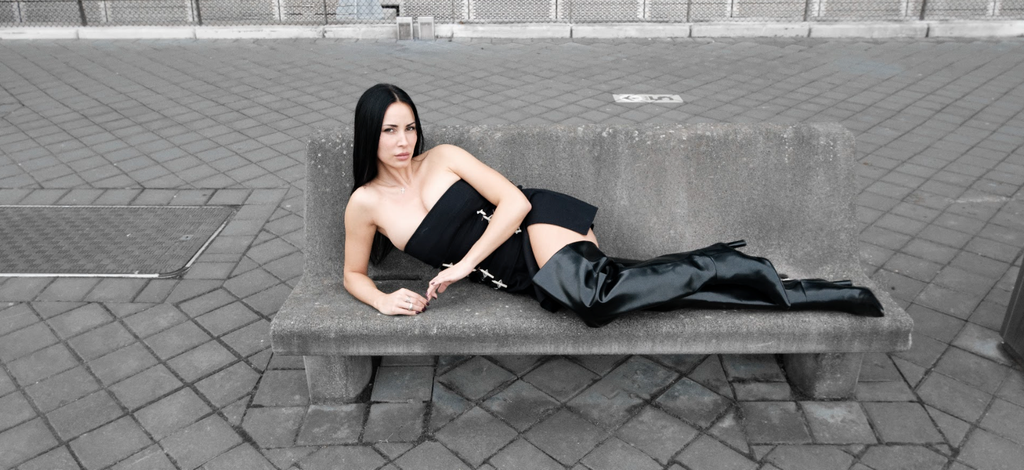
Do you think the role of community has shifted in an era where social media often replaces IRL circles?
I think it has, and I think that’s part of why people are feeling increasingly disconnected.
There’s something we can’t replace if we want to be happy, and that’s human connection, love and relationships. I think social media has also affected club culture, because we no longer need to physically go somewhere to find connections, meet friends or have fun. At the same time, it has opened doors for artists like me. Coming from Portugal, social media has made having an international career much more possible.
I think it’s about finding a balance, like everything in life.
What are the quiet or overlooked ways DJs support each other behind the scenes?
I think it’s often about creating opportunities for each other, whether through b2bs, curating events where other DJs can be part of it, or simply supporting their music by playing it, talking about it and sharing it.
There’s also a more personal side to it, talking about the reality of being an artist, which can look like a dream from the outside but can also be lonely and demanding.
How has your sense of responsibility to your community evolved over time?
I think my sense of responsibility has evolved because I see myself as a curator and a guide within music.
I feel responsible for bringing people the right music for that particular moment and helping them discover something meaningful. But responsibility also goes beyond the music. I believe in balance and in taking care of ourselves. Parties, raves and everything that comes with them should be an experience, not a way of escaping from.
Closing Thoughts From The Editor
BIIA’s answers make the launch of DYSTONIA feel less like a branding move and more like an extension of how she understands club culture. She keeps coming back to belonging, human connection, shared space, and the idea that music can give people somewhere to place their emotions for a few hours.
That is a different reading of techno than the one built only around speed, force, or spectacle. For her, intensity still needs care around it.
That connects with my interview with Marc Lenz on the quiet ways DJs support each other behind the scenes. Marc spoke about the parts of DJ culture that happen away from the booth: introductions, bookings, feedback, friendship, and the support systems that help artists keep going. BIIA’s answer about b2bs, curating events, playing other people’s music, and talking honestly about artist life fits that same idea. Community is not only the crowd in front of the DJ. It is also the network that keeps the work from becoming isolated.
There is also a natural link to DJ Minx’s interview on bookings, community, and her “Feelin’ Good Tonight” remix. Minx’s perspective was grounded in the way community can give dance music its deeper memory and purpose, especially when an artist has spent years building rooms, opportunities, and trust.
BIIA is at a different stage, but she is already thinking beyond the release itself. DYSTONIA can become more than an imprint if it helps people feel like they are part of a shared space rather than just consumers of the next track.
The harder techno context also links to LESSSS on discipline, burnout, and pushing through creative chaos. BIIA’s language is warmer and more community-focused, but the underlying issue is similar. High-intensity music and heavy touring can create a dream-looking life from the outside while asking a lot from the person living it. Her final answer about balance, self-care, and raves as an experience rather than an escape gives the DYSTONIA launch a needed human boundary.
That is the clearest read on “Die For Youth” and DYSTONIA. The single is built around youth, freedom, nostalgia, and the kind of vocal-led lift that can work on large stages, but the interview keeps bringing the idea back down to people. A label can be a release channel. It can also be a meeting point.
BIIA seems more interested in the second possibility, where sound, identity, care, and shared release are all part of the same project.

Will Vance is a professional music producer who has been involved in the industry for the better part of a decade and has been the managing editor at Magnetic Magazine since mid-2022. In that time period, he has published thousands of articles on music production, industry think pieces and educational articles about the music industry. Over the last decade as a professional music producer, Will Vance has also ran multiple successful and highly respected record labels in the industry, including Where The Heart Is Records as well as having launched a new label with a focus on community through Magnetic Magazine. When not running these labels or producing his own music, Vance is likely writing for other top industry sites like Waves or the Hyperbits Masterclass or working on his upcoming book on mindfulness in music production. On the rare chance he's not thinking about music production, he's probably running a game of Dungeons and Dragons with his friends which he has been the dungeon master for for many years.