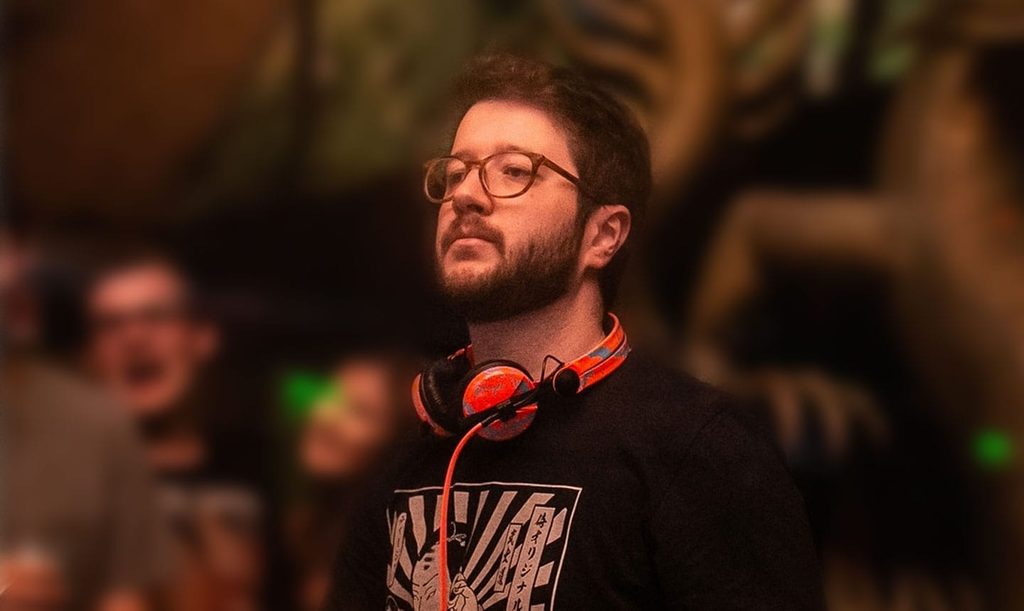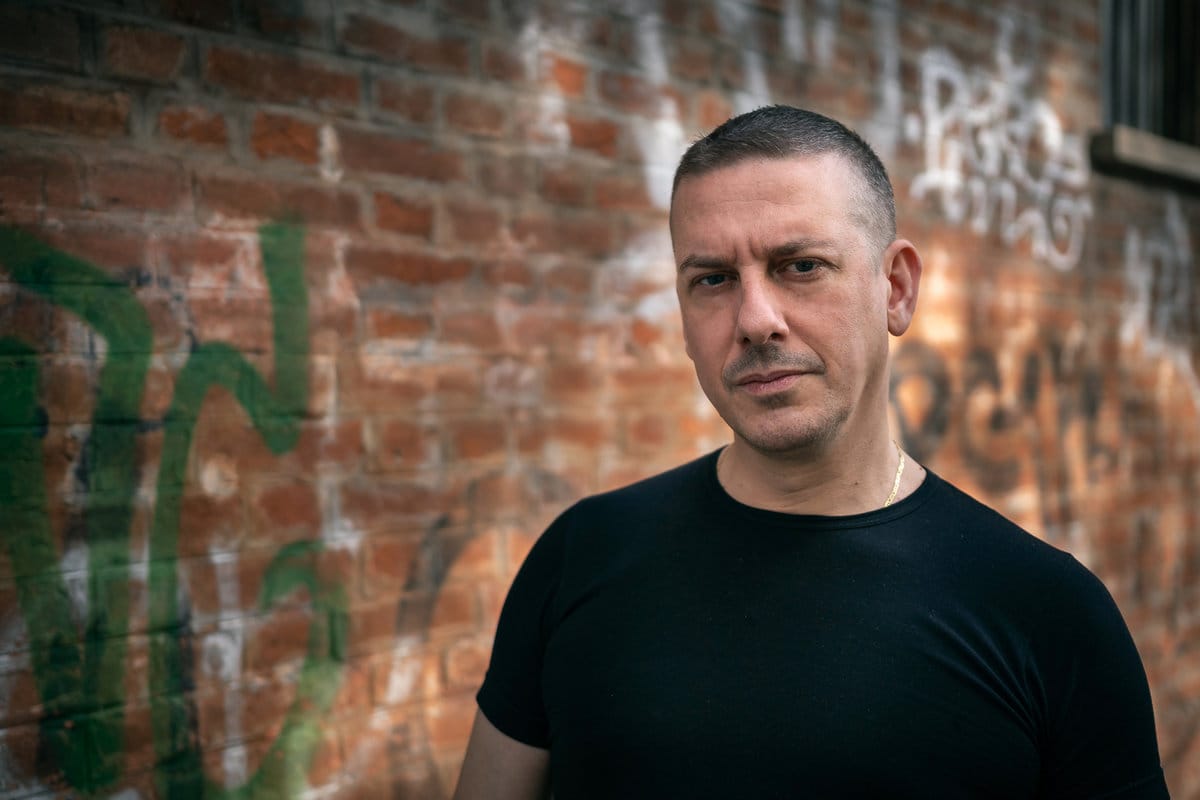
Production culture keeps telling artists that the next plug-in, virtual instrument, processing technique, or tutorial could solve the problem in front of them. Max Porcelli places responsibility back on the producer, and the five lessons he shares here center on protecting studio time, training the ear, treating the room, and removing whatever the record does not need. His position is direct: better decisions begin with attention and repetition long before another purchase enters the process.
“Jaguar” applies those ideas directly. Released September 4 as MMR078, Max’s second Magnetic Magazine Recordings release after “Lotus” includes his original and extended mixes alongside my remix and extended version. He created the original as a stylistic exercise in subtraction, removing parts until the groove and melody could carry the track without an overloaded arrangement.
His first point connects organic and modern progressive house to changes in music software, while the middle of the feature moves from subtraction into protected production time before addressing basic audio processing and acoustic treatment. Max argues that producers need to understand why they are reaching for a processor and hear the result accurately.
He also recommends directing 70 percent of a studio investment toward acoustic treatment, then closes by explaining how underground scenes develop ideas that later reach commercial audiences. Taken together, these are five connected lessons about making better records and sustaining an artistic identity.

Technology Shapes Electronic Music
Organic and Modern Progressive House are, in my opinion, the natural consequence of the evolution of electronic music and the software used to create them. Music and technology have always been intimately intertwined.
Remove Before You Add
Jaguar was born as a stylistic exercise, seeking to remove rather than add. The goal was to get to the essence of the groove and melody, avoiding stuffing.
Protect Your Production Time
I believe that in this social media-dominated era, artists should pay more attention to themselves rather than filling their heads with tutorials (which are always good because you always learn) or endless online research. All this research takes away essential production time, and electronic music requires constant training of one’s skills and ear.
Fundamentals Before New Plugins
Nowadays, we’re flooded with new plugins and Virtual Instruments with new features, blah blah… My question is: in the ’90s, when all there was was analog technology (without too many EQ cuts, side chains, or other advanced techniques that, for goodness’ sake, shaped the purely digital sound of the 2000s, to which our ears are now accustomed), how did they make records sound so good? What I’m trying to say is that it’s not plugins that save your mix, but a good understanding of basic signal processing techniques, and above all, a refined ear in an acoustically controlled environment.
Many producers spend a lot of money on everything except acoustic treatment, which should account for 70% of the studio investment.
Underground Shapes the Mainstream
In my opinion, scene trends are refining genres that have now gone from underground to almost mainstream. This is normal in music, and it should be that way, because without the underground scene, there would be no commercial/mainstream scene.

Will Vance is a professional music producer who has been involved in the industry for the better part of a decade and has been the managing editor at Magnetic Magazine since mid-2022. In that time period, he has published thousands of articles on music production, industry think pieces and educational articles about the music industry. Over the last decade as a professional music producer, Will Vance has also ran multiple successful and highly respected record labels in the industry, including Where The Heart Is Records as well as having launched a new label with a focus on community through Magnetic Magazine. When not running these labels or producing his own music, Vance is likely writing for other top industry sites like Waves or the Hyperbits Masterclass or working on his upcoming book on mindfulness in music production. On the rare chance he's not thinking about music production, he's probably running a game of Dungeons and Dragons with his friends which he has been the dungeon master for for many years.