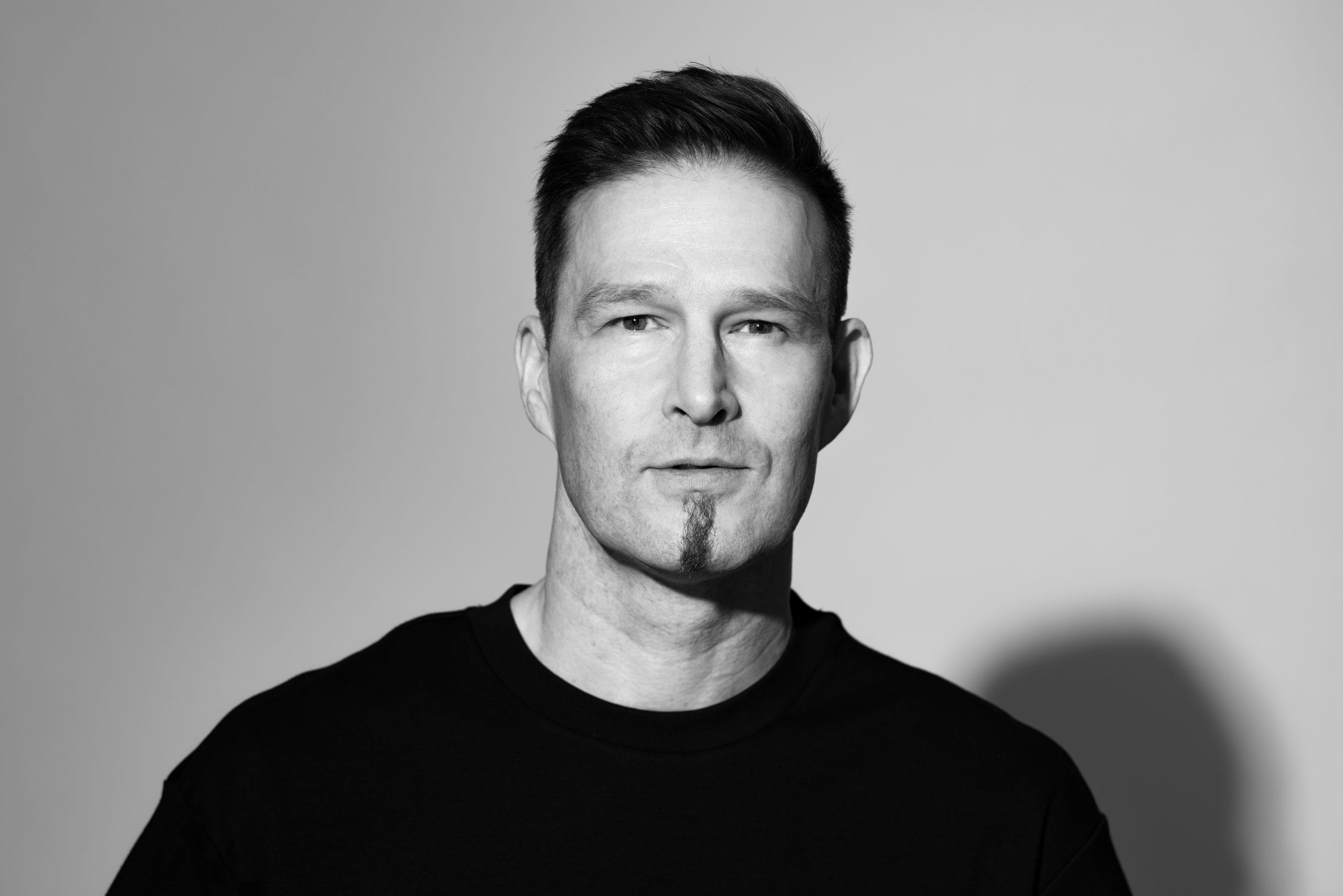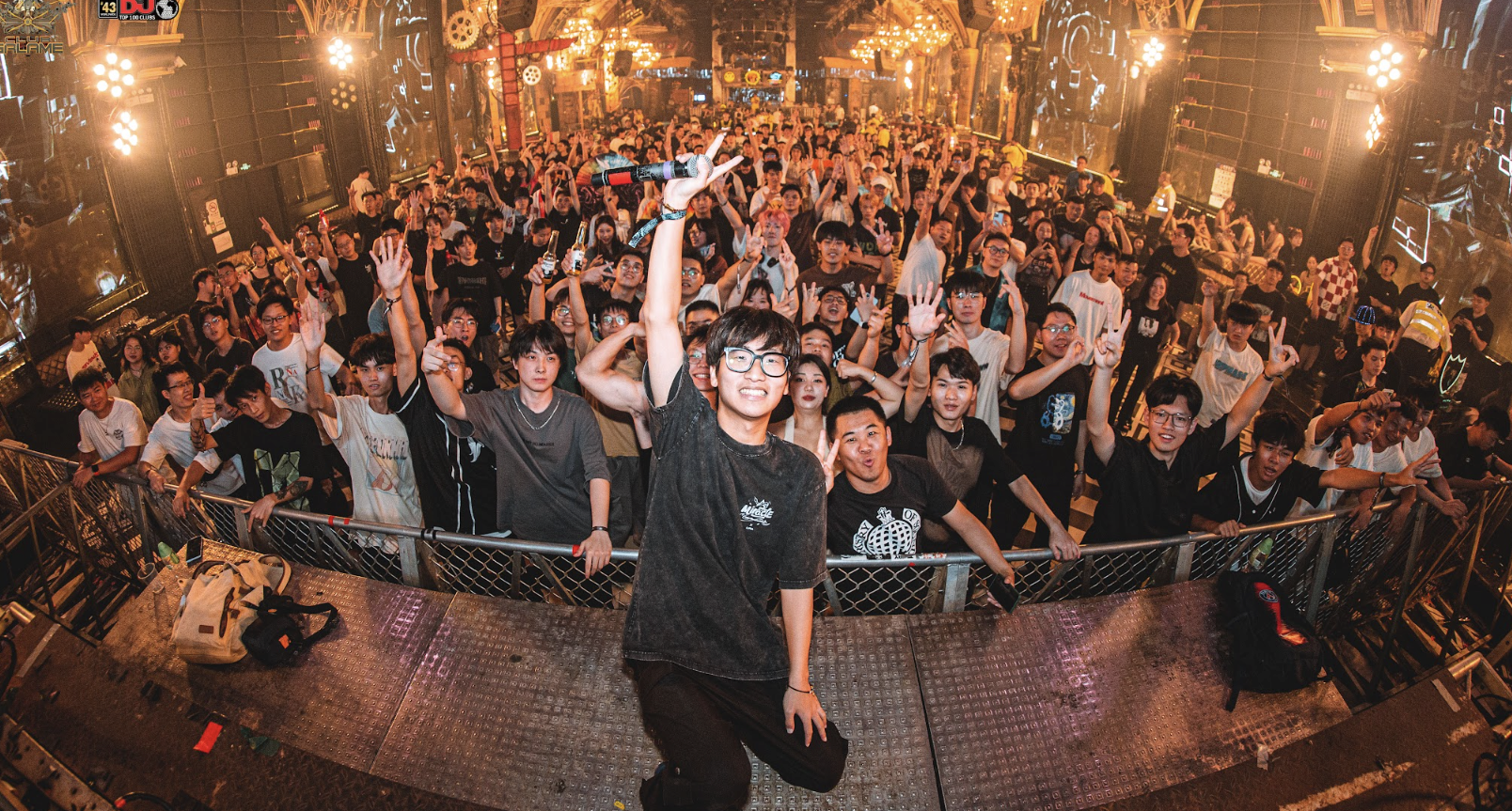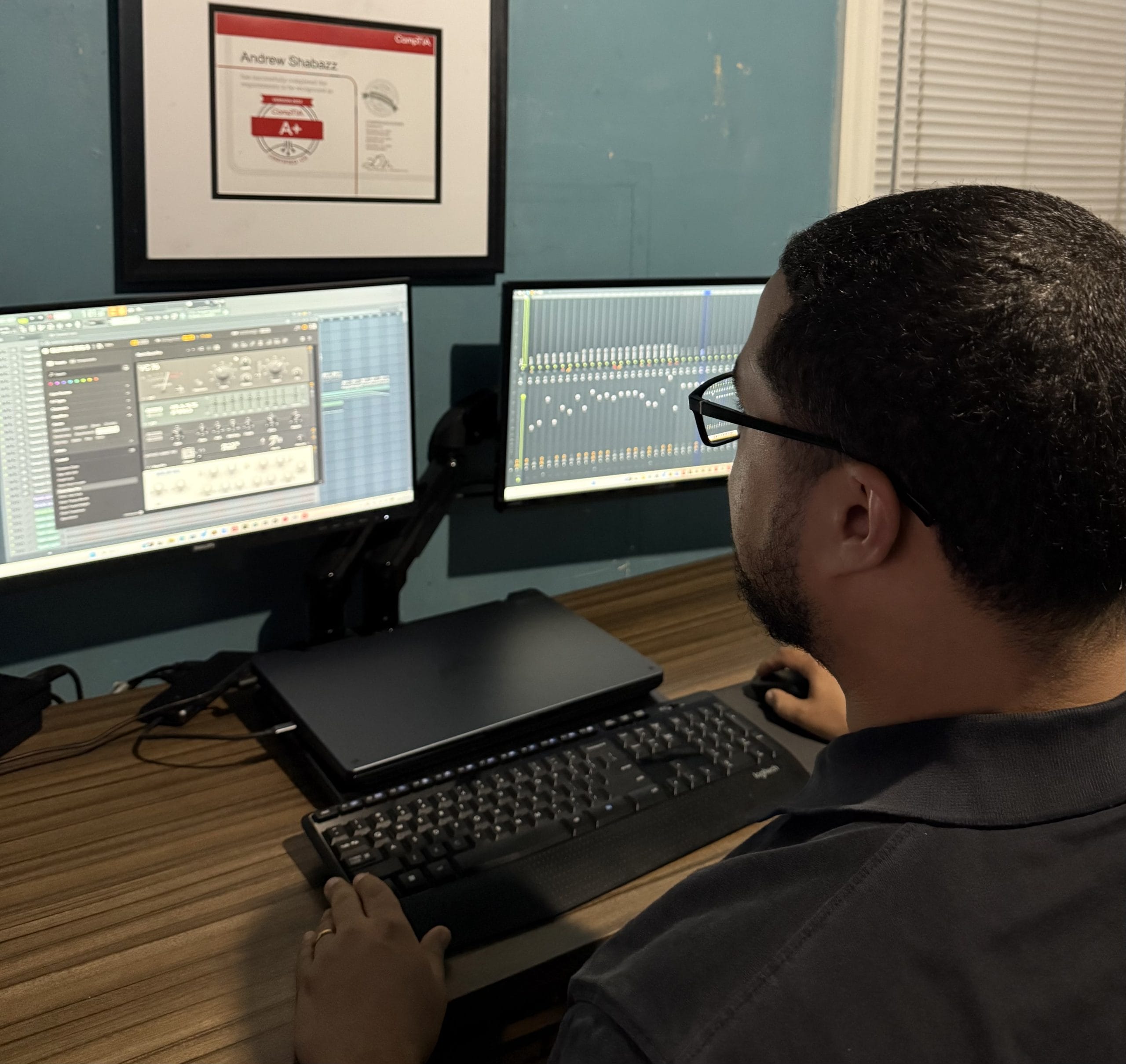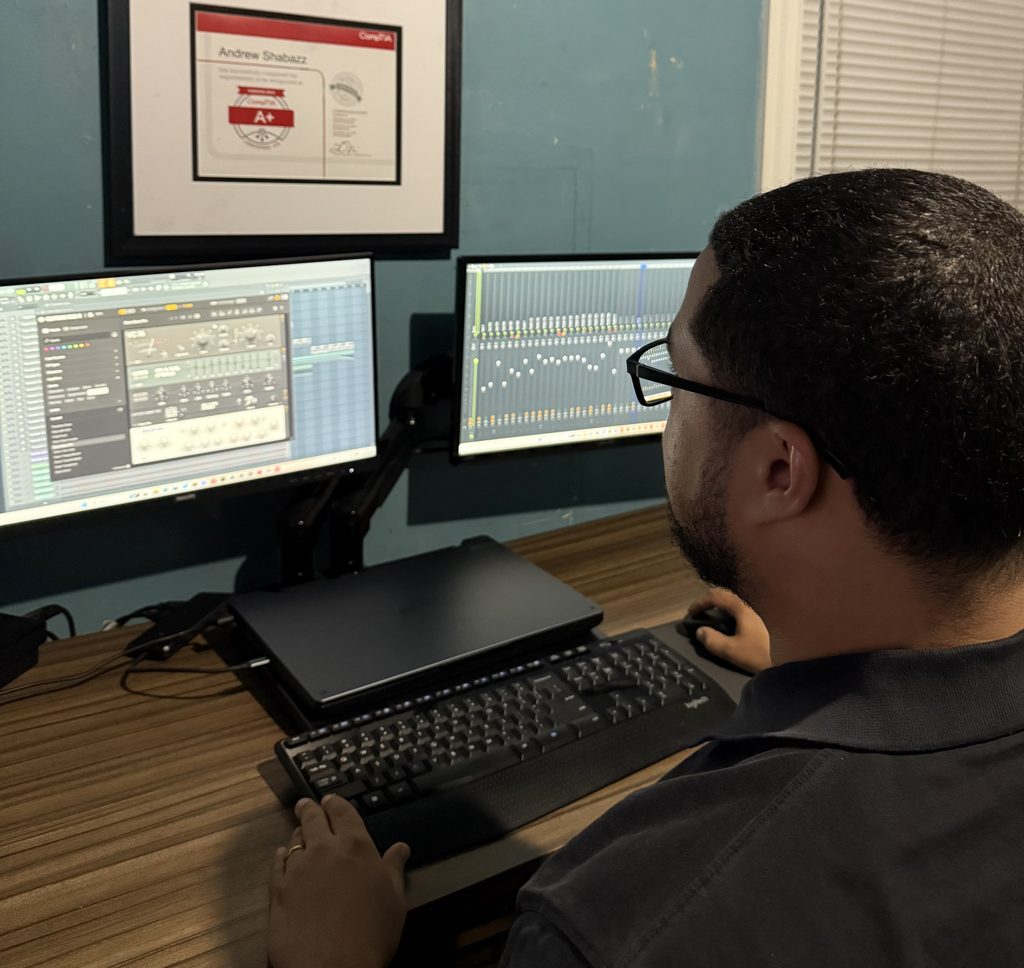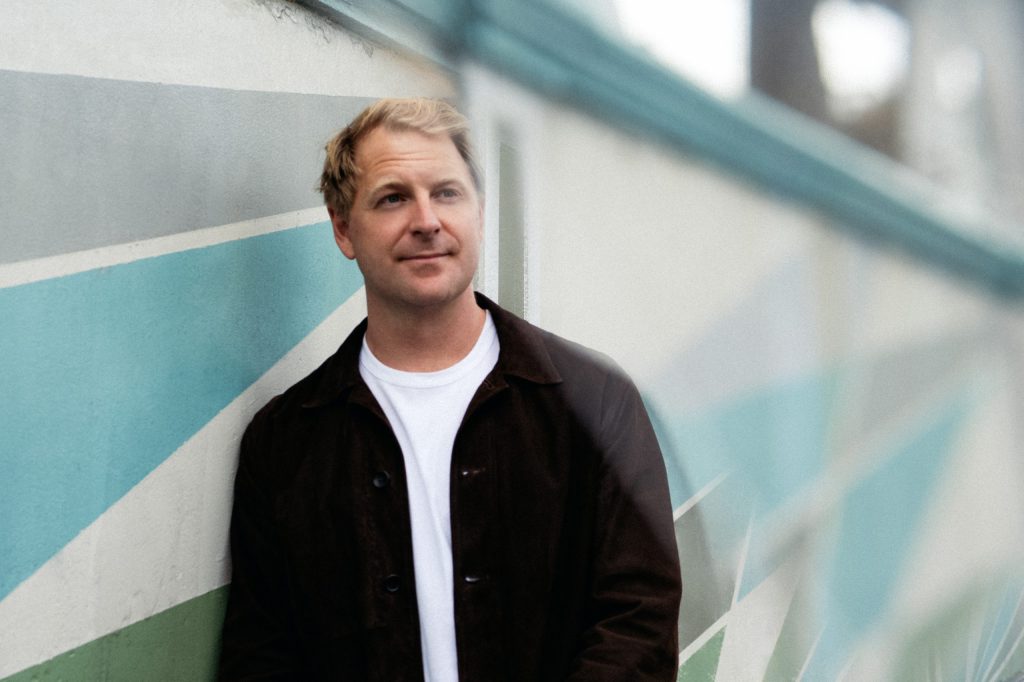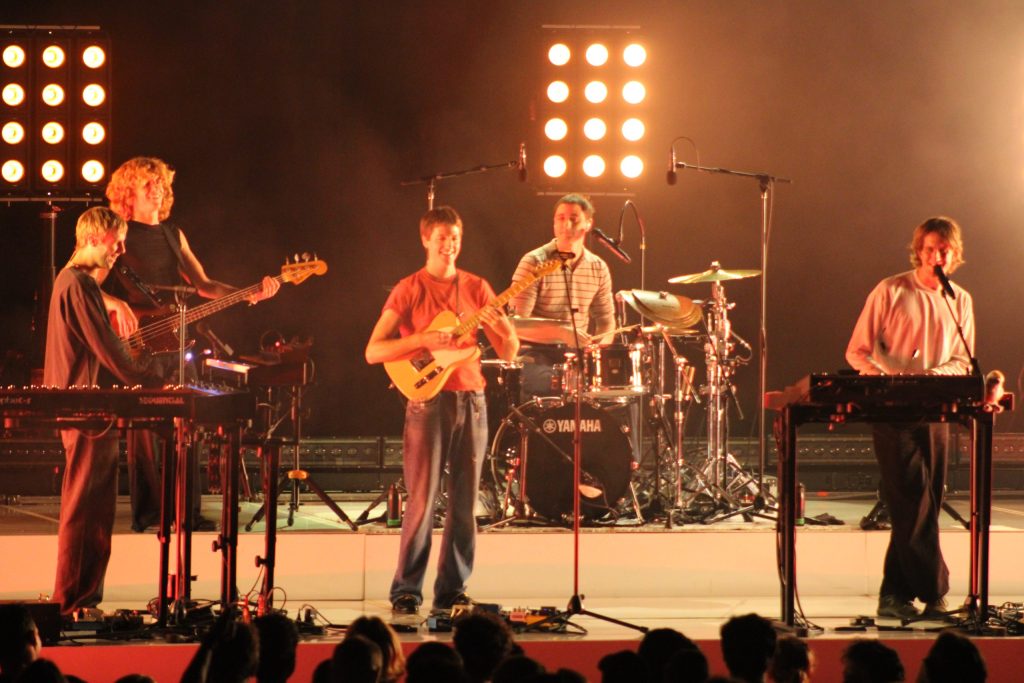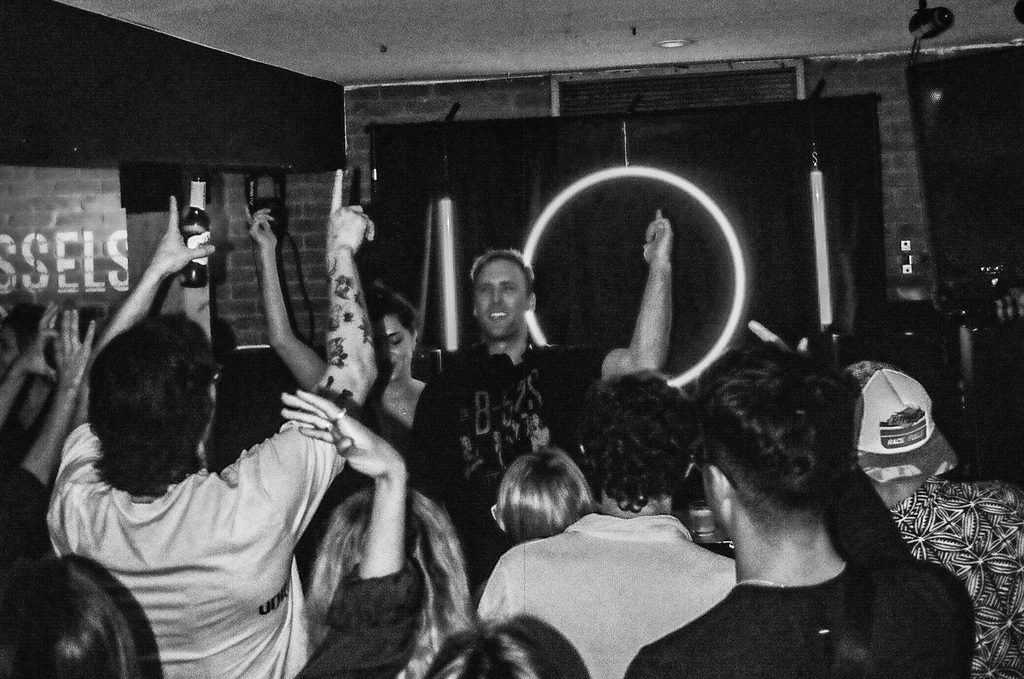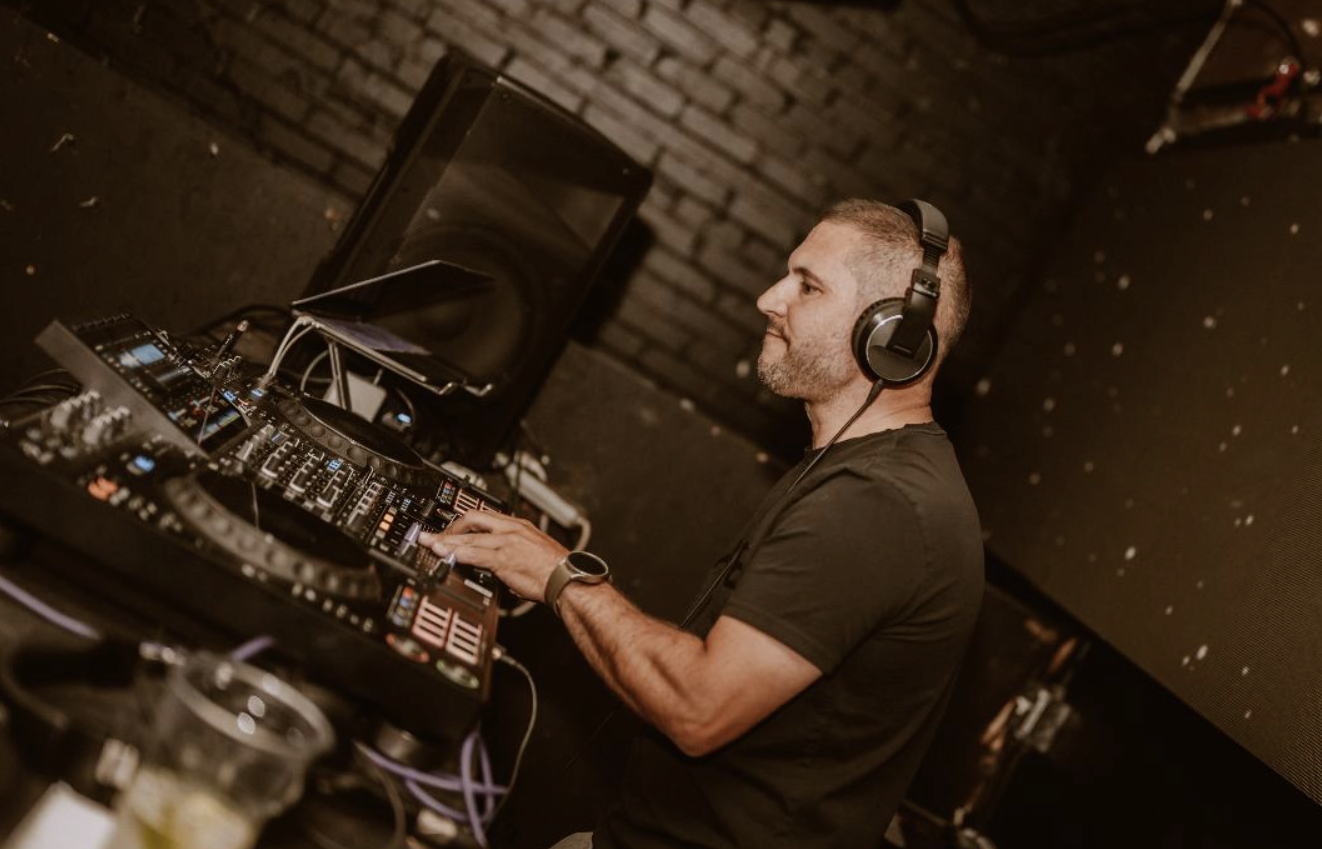
Rayne’s “Techno Games” comes from an artist who spent years learning the floor before turning fully toward production. Born in New Jersey, shaped by New York nightlife, and now based in Denver, Rayne brings a long club history into his current run of dark, peak-time techno releases. The record’s aim is clear: make something DJs can use when the room is already hot and needs the next push.
That working-DJ mindset runs through his story.
Before the recent Beatport charting releases, before DRA Productions, before his current focus on Denver’s underground techno community, Rayne was spending long nights in clubs such as EXIT, Tunnel, System, Mission, NV, and Club Deep NYC. Those rooms taught him what timing feels like when it is tested against bodies in motion, not just judged in the studio.
Snag The Release On Vinyl Here
The interview below focuses on that bridge between booth experience and production. Rayne talks about humility, opening sets, marathon nights, leaving New York for Denver, handing out hundreds of USBs, and writing music for other underground DJs rather than chasing a commercial hit. “Techno Games” is the release in front of him, but the larger story is about an artist using decades of room knowledge to build records that know exactly where they belong.
Interview With Rayne
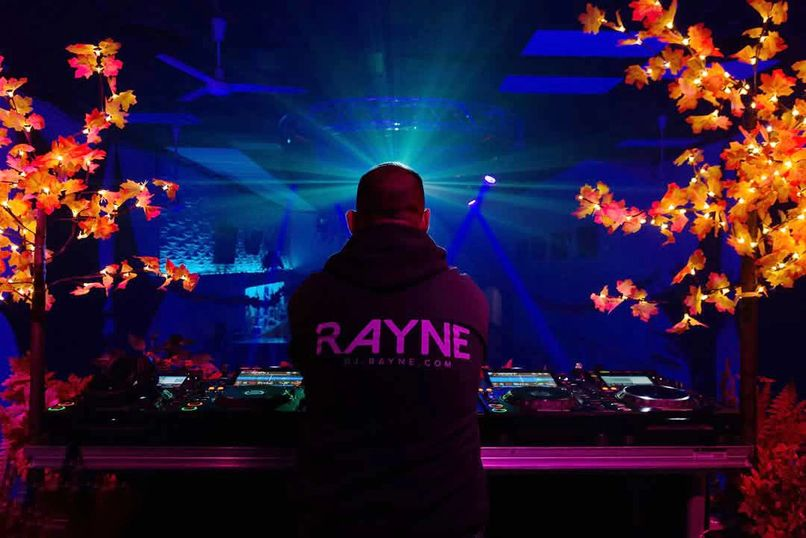
You spent years playing long club sets before your recent run of releases. What did that time teach you about music that you could only learn with people dancing in front of you?
By working and reading a room and navigating a crowd’s reactions, you learn a lot about musical timing which has directly impacted my style as a producer. I try to create music that pulls the crowd along into it and then keeps coming with high energy. Those years of seeing a crowd’s response/reaction to the music I was playing inspired me to produce music of my own.
When you think about your early New York nights, which experience most changed how you understood your responsibility as a DJ?
I learned a few lessons in my early career. The first and one of the most important was humility, and knowing my role when I started out opening up for other DJs. Understanding that I could still play music I loved, but that I also had a “role” to play that night. I always made sure to do my part to make the night memorable for everyone, the crowd and the other DJs. As my career progressed and I played longer sets, I still often started those sets with lighter/opener music and built up the energy over time. Every hour of the night had to have a “feel” to it with each one connecting to the next, aligned with the vibe of the room.
As you get more involved in Denver’s techno community, what have you had to learn about its crowds and local culture?
When I left NY for Denver, I thought the DJ side of my career wouldn’t be same and I would miss the NY scene. I hustled. I started going out every Friday and Saturday night, often hitting four or five clubs a night for two-plus months, and handing out USBs with my music and contact info to every DJ. I went through 300 of them.
In meeting so many people, I quickly learned how incredibly supportive the underground community in Denver actually is. In NY there are egos, judgment and competition. In Denver there aren’t many “resident DJs,” but rather rotating DJs, with an understanding that we are all in it together — and like we are as people, we are all unique as DJs, and we all have very different sounds and styles.
The scene is very strong in Denver with a lot of options and variety on any given Friday or Saturday night. Rather than playing to the crowd’s expectations, in Denver they celebrate and welcome individual style and everyone has more freedom to show the crowd new/different music. I’ve been blessed with meeting some amazing people who have opened doors for me and welcomed me into this community with open arms. I try support everyone who has supported me in any way, and pay it back to this incredible community.

Which part of “Techno Games” most clearly reflects your experience as a working DJ? What were you trying to make happen on the dance floor?
As a dark techno DJ, I always wanted to play tracks that brought relentless energy with dramatic drops and a strong kick drum for the crowd to react to. With all my tracks I’ve released, I make music for DJs to play in their sets vs. trying to create a commercial hit. “Techno Games” was created with that exact mindset. I wanted to create a track that could be dropped during peak hours that would keep a crowd jumping and work well in a DJ’s set.
The greatest compliment I can get is when other underground DJs enjoy my music enough to play it in their sets and for their crowds. That’s exactly why I create them for myself, but sharing that with others is such a great experience.
If someone discovers you with “Techno Games” and then comes to hear a full set, what would you want them to understand about your relationship with techno by the end of the night?
More than anything else I would want them to see, through my set, that techno music truly is my passion. Hopefully they would get to discover new music and see how producing and DJing help create a special style and sound. And walk away from the experience feeling that I was just as connected to each individual moment in the club as every person on the dancefloor.

Magnetic byline note: This byline is used for staff produced updates and short announcements, often based on press materials and official release information. Editorial responsibility: David Ireland (Editor in Chief) and Will Vance (Managing Editor). About: https://magneticmag.com/about/ Masthead: https://magneticmag.com/masthead/ Contact: https://magneticmag.com/contact/