A safe remix keeps the vocal, adds a bigger drum section, pushes the drop a little harder, and calls the job done.
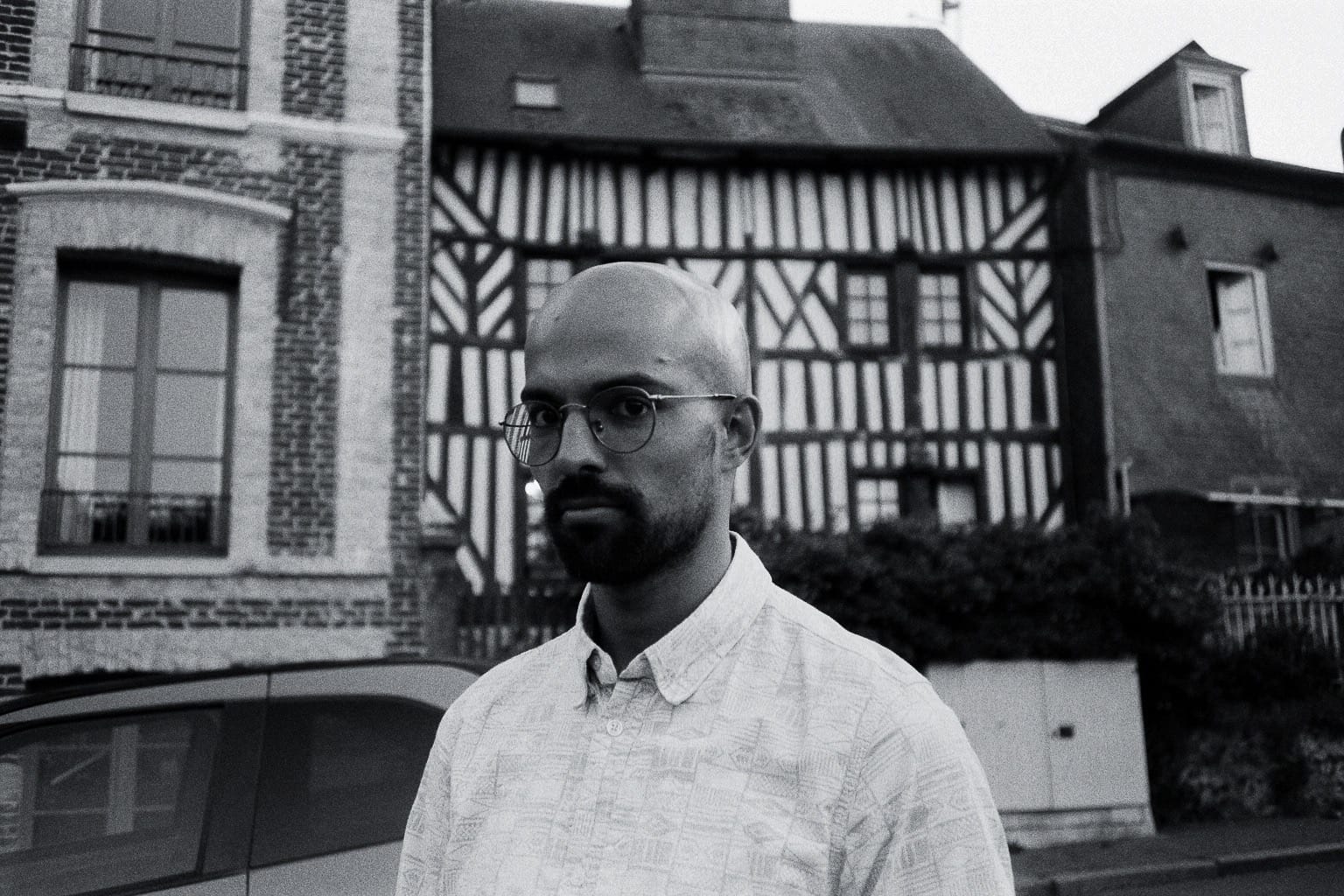
Sunset Shades took the harder route with his official remix of Jasper Tygner’s “Hold You.” The original already had its own emotional lift, built around Tygner’s synth work and euphoric production, so the obvious move would have been to polish around that feeling and keep the arrangement close. Instead, Sunset Shades pulled the track apart and rebuilt it into something sharper, heavier, and far more rhythmically unstable.
The Mumbai-born, Chicago-based producer, real name Sankalp Tambe, says the remix came together in under a week, which feels almost surprising given how much detail is packed into it. His goal was to preserve the feeling of the vocal while moving the track away from the original’s garage framework and into a drum-heavy electronic rework built on clipped vocal fragments, panned arps, field recordings, jungle-leaning percussion, 808 weight, and a darker chord movement.
That is the part that makes the remix worth paying attention to. It does not treat “Hold You” as material to decorate. It treats it as material to rewire.
The vocal becomes the anchor
The strongest choice in the remix is how Sunset Shades handles the vocal.
He isolated the vocal and used it as the track’s anchor, then chopped words into small fragments and pitch-shifted phrases into the drop’s vocal hooks. That approach gives the remix a connection to the original without letting the original dictate the whole arrangement.
A lot of remixes struggle with this balance. Keep too much of the vocal and the remix feels overly careful. Cut too much and the emotional thread disappears. Sunset Shades lands in the middle by letting the vocal carry memory while the rest of the production moves somewhere rougher.
That connects directly with the kind of vocal-editing ideas I covered in my article on plugins for vocal chops, where the larger point was that a vocal can become the hook without staying in full lyrical form. The best chops still feel tied to a human source, even after the producer has bent them into something new.
Sunset Shades uses that idea well here. The vocal remains recognizable enough to matter, but fractured enough to belong inside his own production language.
The drums pull it away from four-on-the-floor safety
Jasper Tygner praised the remix during a May 2026 Instagram Live listening session, calling out the production and polyrhythmic drum programming while comparing the feel to early Jai Paul and Flume.
That comparison makes sense because the remix does not move like a standard club edit. Sunset Shades says he intentionally moved away from a four-on-the-floor dance pattern, building instead around a blend of jungle, tribal, programmed drums, and foley tucked underneath the hits.
Those foley choices are specific. Keys jingling. A creaking door opening and closing. An airport announcement recorded in an empty terminal at Goa Airport in India in 2024. Those sounds could have been left as little production Easter eggs, but they do something deeper in the remix. They give the track a physical setting.
That habit seems central to Sunset Shades’ work. The project’s wider sound is described as music that plays in his head during a sunset, carrying nostalgia, emotional tension, and the feeling of better beginnings. The “Hold You” remix brings that same instinct into a more aggressive setting, where the field recordings make the track feel inhabited instead of merely programmed.
I think about that beside my interview with True Peak Limit’s Joe Farr on turning field recordings into synthesis, because the appeal is similar. A real-world sound does not need to stay literal. Once it enters the production, it can become rhythm, memory, grit, or atmosphere.
The bigger project is the album
Past Gradients, Sunset Shades has a full-length concept album in final mastering.
He says he has spent the past three years writing, recording, producing, and mixing the project, which includes several features and is planned with supplementary visual material. He also wrote it with a live show in mind, built around live electronic instrumentation.
That makes this period feel like the real opening of Sunset Shades, even though the project has already been active for a few years. The playlists and shows helped establish the name. The Jasper Tygner remix shows what he can do when given outside material. Gradients will test the dance side of the project. The album will likely define the full emotional range.
That is the arc worth watching.
Sunset Shades is not building a project around one clean genre lane. He is pulling from garage, breakbeat, jungle, synth work, field recordings, vocal manipulation, live instrumentation, and the strange emotional temperature he attaches to sunsets. The “Hold You” remix works because it lets those ideas hit with force while still protecting the feeling in Jasper Tygner’s original vocal.
The result is a remix that does what the best remixes should do: it makes you hear the song again, then makes you hear the remixer more clearly.

Will Vance is a professional music producer who has been involved in the industry for the better part of a decade and has been the managing editor at Magnetic Magazine since mid-2022. In that time period, he has published thousands of articles on music production, industry think pieces and educational articles about the music industry. Over the last decade as a professional music producer, Will Vance has also ran multiple successful and highly respected record labels in the industry, including Where The Heart Is Records as well as having launched a new label with a focus on community through Magnetic Magazine. When not running these labels or producing his own music, Vance is likely writing for other top industry sites like Waves or the Hyperbits Masterclass or working on his upcoming book on mindfulness in music production. On the rare chance he's not thinking about music production, he's probably running a game of Dungeons and Dragons with his friends which he has been the dungeon master for for many years.