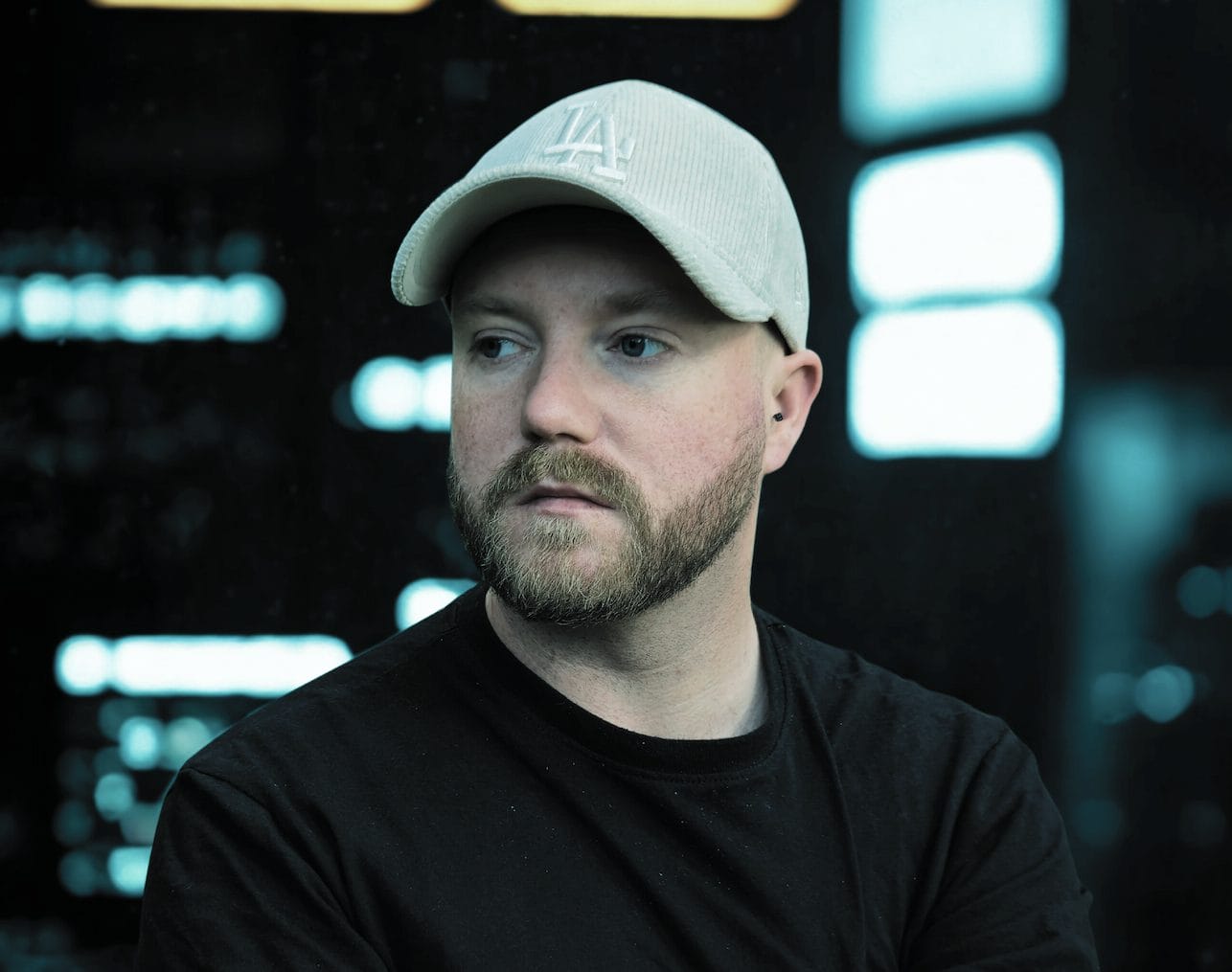
Owen McCoy’s (@emccoy1234) “Abstract Arcadia” arrives on Patchouli Deep as a deep progressive house cut built around movement, low-end control, and the kind of gradual tension that makes sense in a real set. Released back on August 7, the track had already reached No. 41 in Beatport’s Progressive House Hype Top 100 during its Beatport exclusive window, giving the Irish producer another useful marker in a month where his music has been catching momentum inside the progressive lane.
It has the kind of structure that works because it keeps moving without overplaying its hand: layers evolve, pressure builds naturally, and the release points land without pulling the track away from its deeper foundation, and it all makes our interview below feel especially connected to the music.
McCoy talks about booth pressure, ADE nerves, unfamiliar gear, Rekordbox preparation, weak monitors, and the specific vulnerability of playing unreleased music to a crowd hearing it for the first time.
For a producer now using his sets to test more of his own material, including upcoming music beyond “Abstract Arcadia,” presence becomes less of a vague performance idea and more of a working skill.
Interview With Owen McCoy
What’s the most chaotic moment you’ve had in a booth and how did you stay present?
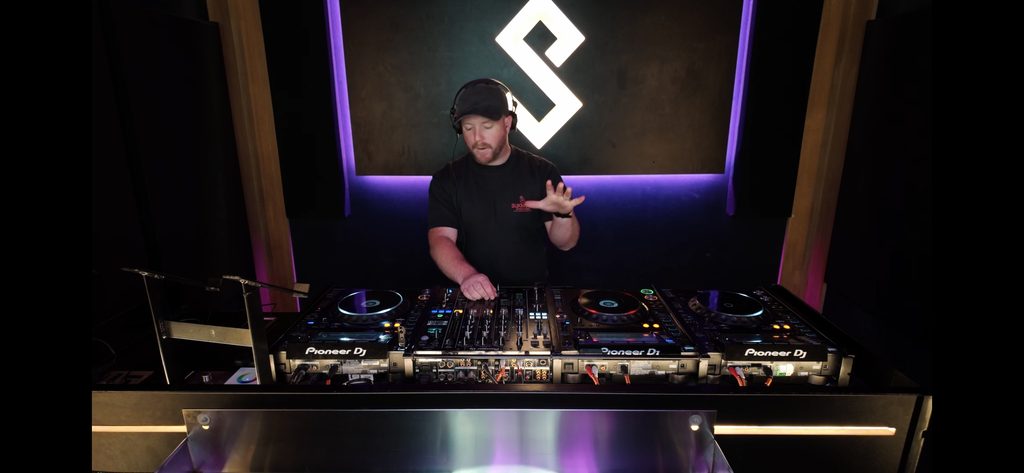
ADE was probably the most stressful one for me. It was an early set, so I wasn’t really sure what sort of mood the crowd would be in or how much energy they’d have that early in the day. At the same time, the CDJ-3000Xs were still pretty new, so I was using equipment I hadn’t had loads of experience with. I’d also been worrying beforehand about Rekordbox and whether everything was going to read properly.
You always have that thought in the back of your head that something might not work when you need it. Once I got in the booth, though, there wasn’t much point thinking about it. I just had to get on with it and see what the room wanted.
How do you keep your focus when there’s a million distractions bad monitors, gear issues, crowd energy spikes?
It can be difficult, especially when the booth monitors aren’t great.
You don’t always get a proper idea of what the crowd is hearing, so you have to judge a lot from watching them. I try to prepare as much as I can beforehand, going through my music and making sure everything is analysed properly in Rekordbox. That takes some of the stress away. After that, you just have to accept that things might not be perfect and work with what you’ve got.
Have you trained yourself to respond differently to pressure than you used to?
Yeah, definitely.
I used to overthink things a lot more, especially if something didn’t go exactly how I’d planned. Now I’m better at just moving on from it. I think playing my own music has helped with that too. With the London shows coming up, I’ll be playing quite a lot of my own tracks and unreleased stuff, so there’s always that question of how people are going to react to something they’ve never heard before. But that’s also the fun of it.
I’d rather take that risk than just play it safe.
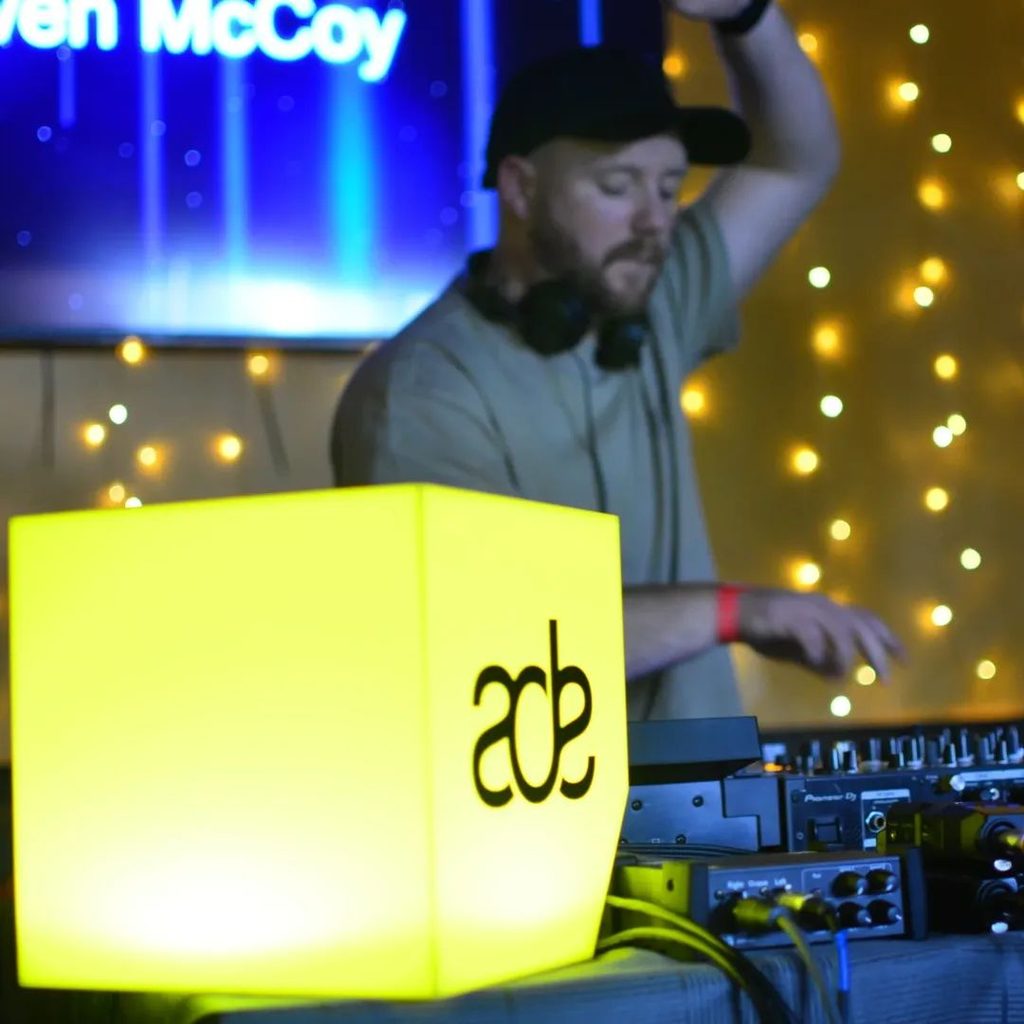
What helps you reset in real time when something unexpected throws off your rhythm?
I normally just go back to listening to the room. If a track doesn’t get the reaction I expected, there’s no point forcing it or dwelling on it. You just pick the next thing that feels right and keep going. When it’s one of my own tracks, I think it’s even more important not to take the reaction personally.
I know the track inside out, but the crowd is hearing it for the first time, so their reaction is going to tell me something too.
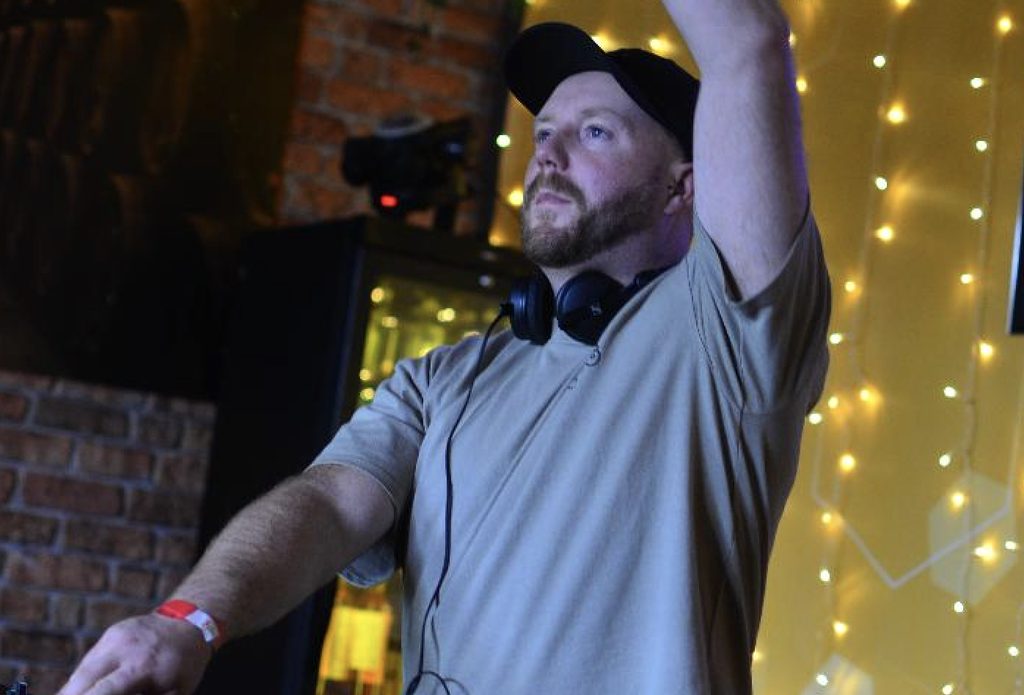
Do you think staying present is a skill DJs overlook or one they tend to build naturally?
I think you probably learn it by doing it. The more you play, the more you realize you can’t plan every single thing. I’ve also found my radio show really useful for that side of things. Doing it every month means I’m constantly digging for new music and keeping up with what’s happening, but it also makes me think about my own sound and where I want to take it.
It’s helped me become more selective with what I play and better at trusting my taste.
How does your relationship with chaos behind the decks mirror your relationship with it in life?
I’m probably better at just going with things now. You can prepare everything, analyze all your music, sort your Rekordbox and still have something go wrong. There’s not much you can do about that.
The same goes for making music really. You can spend ages working on something and then realize it needs to go in a completely different direction. I’ve got better at not fighting that too much.
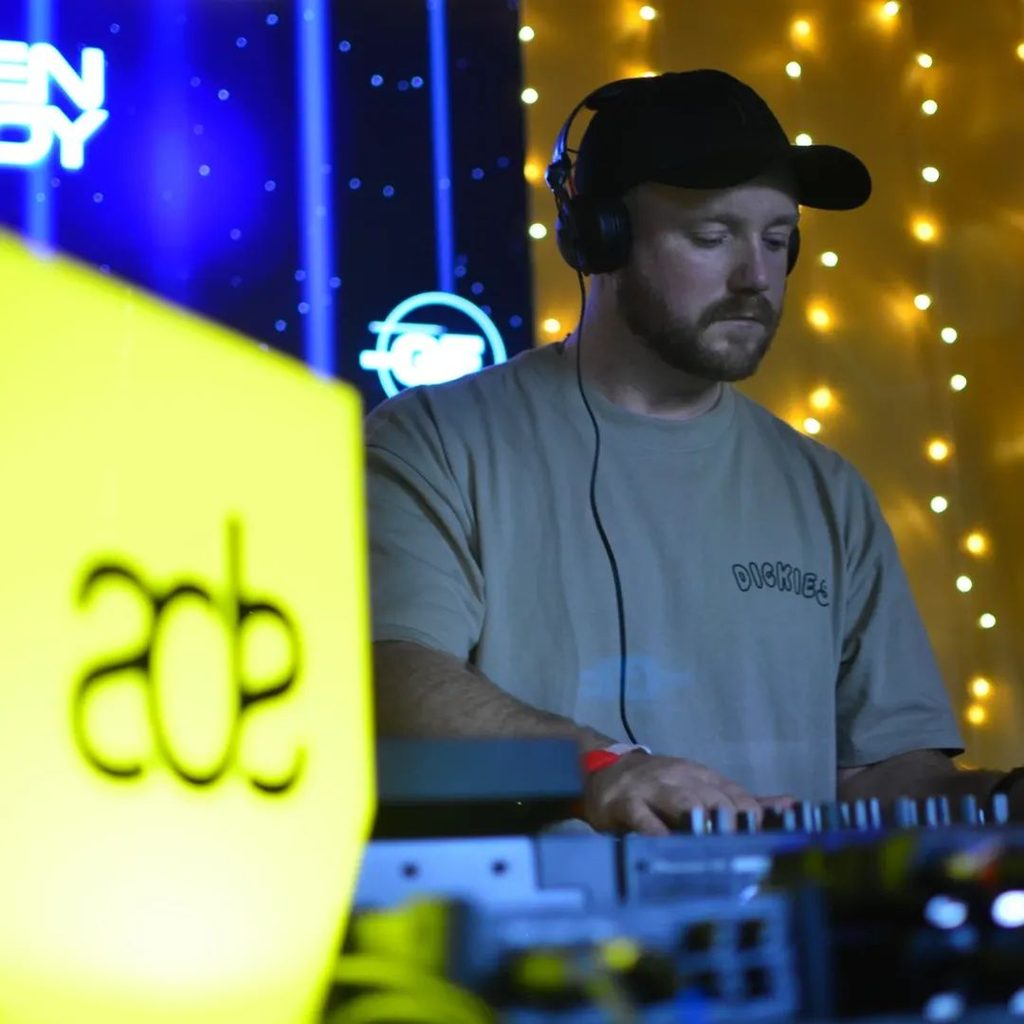
What does “being present” actually feel like to you during a set?
It’s when I’m not thinking too much about what I’m going to play next or whether everything is going right.
I’m just listening and watching what’s happening. Playing my own unreleased music makes that feeling even better because you’re hearing something you’ve made in a completely different environment and seeing people react to it for the first time. You don’t always know how it’s going to go, and that’s kind of the point.
I think that’s what keeps DJing exciting for me.
Closing Thoughts From The Editor
McCoy’s answers are grounded in the part of DJing that rarely looks dramatic from the outside but decides the whole set from inside the booth. Rekordbox stress, monitors that do not translate properly, unfamiliar CDJs, early-slot uncertainty, and a crowd that might not be ready yet all create the same problem: the DJ has to stop trying to control every variable and start paying attention to what is actually happening.
That is where “Abstract Arcadia” fits his story. It is a progressive record built for movement, but his answers suggest he is just as interested in what the room teaches him once the track leaves the studio.
There is also a link to my Robin Thurston interview around “Equinox”, because both artists sit inside progressive house’s long-build tradition without treating patience as passivity. Thurston’s record worked because it gave the melodic idea enough room to develop. “Abstract Arcadia” has a similar kind of function. Its low-end drive and evolving layers feel designed for DJs who need a track to carry energy without flattening the arc of the set.
I also hear a line to Jerome Isma-Ae’s interview on dancefloors, presence, and club connection. Jerome spoke from long experience about the crowd giving DJs the energy they need to know where to go next. McCoy is learning that same exchange in real time. When a track does not land the way expected, he does not describe it as a failure. He treats it as information. That mindset is more valuable than pretending every set should unfold exactly as planned.
The radio-show piece matters too.
A monthly show forces a producer to keep digging, sort through new music, and make taste decisions on a regular schedule. That connects McCoy’s booth presence to his broader development as an artist. “Abstract Arcadia” may be the current release, but the more important pattern is that he is building a feedback loop: find music, test music, play his own music, learn from the room, return to the studio, then repeat the process with a little more confidence.
That is the real takeaway here. McCoy is not trying to make chaos disappear. He is learning how to use it without letting it take over. A booth can be messy, a production can change direction, and an unreleased track can produce a reaction he did not expect.
The growth is in fighting those moments less and hearing them more clearly. For an artist pushing deeper progressive material like “Abstract Arcadia,” that ability may end up being just as important as the track itself.

Will Vance is a professional music producer who has been involved in the industry for the better part of a decade and has been the managing editor at Magnetic Magazine since mid-2022. In that time period, he has published thousands of articles on music production, industry think pieces and educational articles about the music industry. Over the last decade as a professional music producer, Will Vance has also ran multiple successful and highly respected record labels in the industry, including Where The Heart Is Records as well as having launched a new label with a focus on community through Magnetic Magazine. When not running these labels or producing his own music, Vance is likely writing for other top industry sites like Waves or the Hyperbits Masterclass or working on his upcoming book on mindfulness in music production. On the rare chance he's not thinking about music production, he's probably running a game of Dungeons and Dragons with his friends which he has been the dungeon master for for many years.