This feature was created in paid partnership with Lorna James. I chose to cover the project because I genuinely connect with the music. All editorial opinions and wording are my own
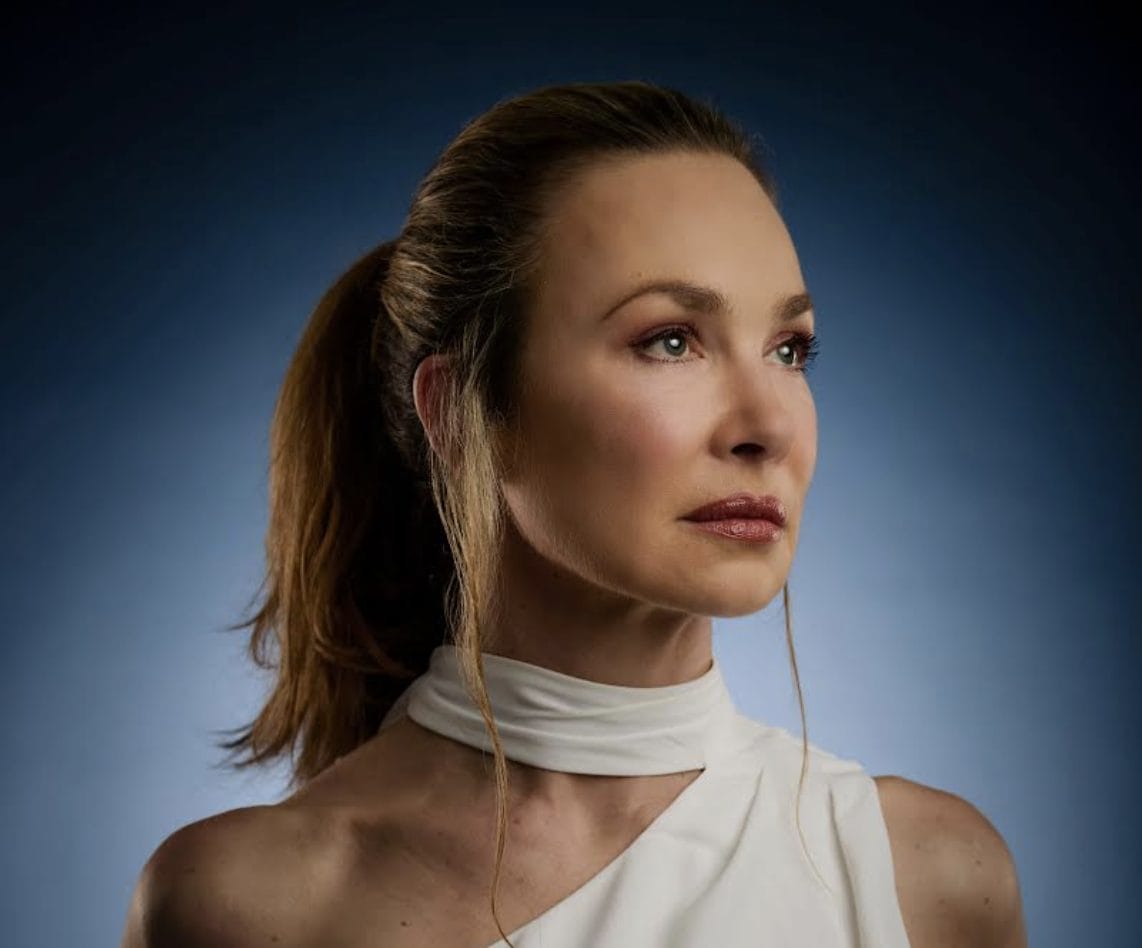
Lorna James’s The Right To Be Forgotten lands with an unusual amount of backstory for a dance album. James is a classically trained pianist and composer, a former human rights barrister, a BBC Introducing-supported artist, a FreshSoundz Radio resident, and now an electronic producer pulling deep house, melodic house, trance, piano writing, string movement, breakbeats, and soprano vocals into one 12-track statement.
Check The Music On Beatport Here
That could easily become too many identities fighting for space, but the album’s best angle is simpler than that. The Right To Be Forgotten is about change. It is about stepping away from one life without pretending that life never existed, then letting the discipline of classical music and the release of dance music meet inside the same body of work.
James puts it plainly: “All my life I’ve been a musician, and nearly all my adult life I’ve been a lawyer. I made a conscious decision to step more fully into the former — my first love. Everyone has the right to be forgotten — the right to forgive, to be forgiven, to privacy, to progress, to change.”
That quote gives the album its center. The title is not only a legal phrase repurposed for artistic branding. It becomes a personal statement about movement, privacy, forgiveness, and the right to become someone new.

The Album Works Best When Classical Writing Shapes the Club Parts
The Right To Be Forgotten is built around dance music, but James’s classical background is the part that gives the album its shape. The piano lines, string progressions, and harmonic choices keep the record from feeling like a standard melodic house or trance release dressed up with orchestral colors.
There is a difference between adding strings to a dance track and writing from a place where strings and piano already feel natural. James’s background means those elements do not feel like decoration. They often act as the emotional grammar of the record, especially when the production moves between atmospheric pads, breakbeat touches, and trance-leaning lift.
That relationship between writing and dancefloor pacing is one of the more interesting parts of the project. James is not chasing one lane for 12 tracks. “Ce Soir,” “Feels Like,” “Awakening,” and “Ascension” all point to different shades of the same larger language, from deeper house movement to bigger trance release.
The Vocal Collaborations Pull the Album Closer to Trance History
Jan Johnston’s involvement gives the album a direct link to trance history. Johnston is widely known for writing and performing with names like BT, Paul van Dyk, and Tiësto, and her presence on “Aquarian” and “Broken” helps connect James’s newer trance and melodic house work with a vocal tradition that shaped a lot of electronic music’s most enduring emotional records.
Megan Kashat brings a different kind of reach to “Aquarian,” with a background as an Iraqi American recording artist, songwriter, dancer, and abstract painter, plus more than 17 million streams and over 300 chart placements. That collaboration widens the track without pulling it away from James’s classical foundation.
I wrote about vocal-led trance emotion in my coverage of Heløwed and Amber Revival’s “If You Only Knew” on Armind, and that same basic truth applies here. The vocal has to do more than decorate the drop. It has to give the arrangement a human reason to lift.
James’s Own Voice Is Becoming Part of the Project’s Identity
The album also brings James’s emerging soprano vocals further into the picture. That feels like an important step because it brings her closer to the front of her own music. As a pianist, composer, producer, and DJ, she already has several roles inside the project.
Adding her voice gives the album another personal marker.
That vocal direction also points toward where she is headed next. James is developing a live show built around a vocal loop station, bringing together voice, classical training, and dance production. That is a smart next step for music like this because it gives the classical and electronic sides of the project a way to happen in real time.
I wrote about the craft behind memorable hooks in my article on how to write catchy vocals, and James’s album sits close to that idea because so much of the record depends on the vocal line finding the right emotional scale. The songs need to carry melody, but they also need to leave room for atmosphere, piano, and trance movement.
James is already working on a second album planned for 2027, expected to move in a more orchestral direction while fusing modern trance with a strings-led sensibility. That makes The Right To Be Forgotten feel like a bridge: grounded in house and trance, rooted in classical writing, and open enough to suggest a larger artistic path ahead.

Magnetic byline note: This byline is used for staff produced updates and short announcements, often based on press materials and official release information. Editorial responsibility: David Ireland (Editor in Chief) and Will Vance (Managing Editor). About: https://magneticmag.com/about/ Masthead: https://magneticmag.com/masthead/ Contact: https://magneticmag.com/contact/