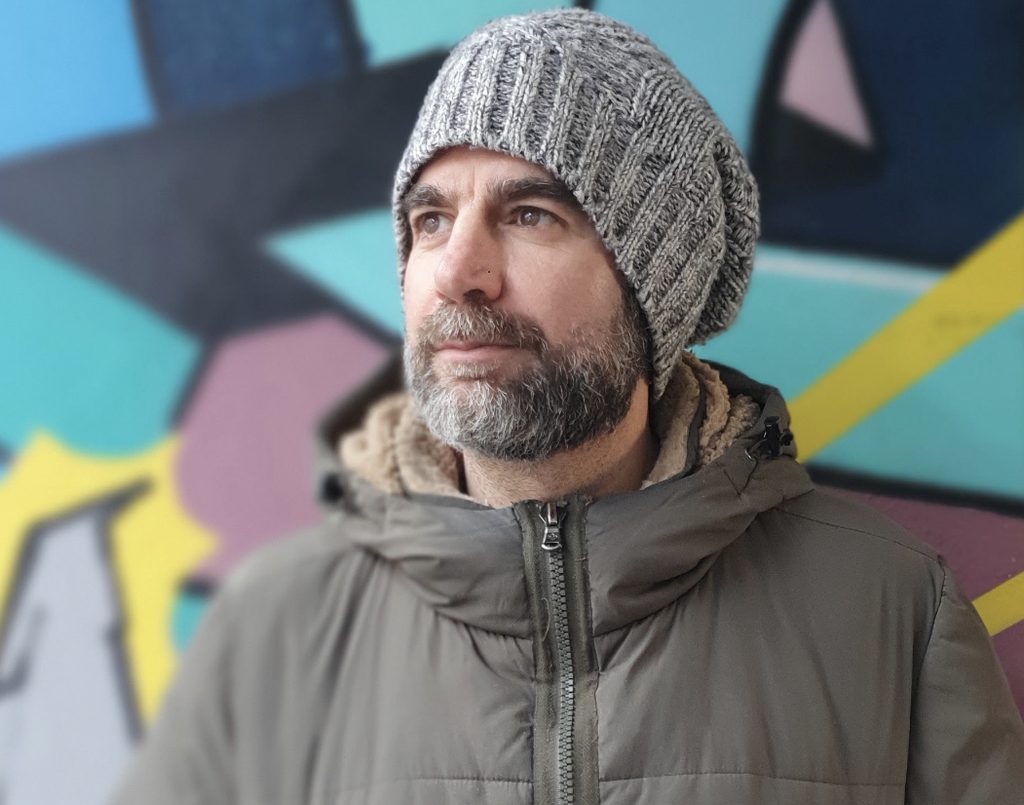
IPI’s (@ipimusika) The Windy City just dropped on August 28 on SATYADGTL, bringing the Cologne artist into the label’s deep, groove-led orbit with a release rooted in Chicago acid house energy. IPI is a fixture in Cologne’s underground scene, head of Lust und Freude Musik, and a resident DJ at Gewölbe, and this EP brings that club education into a track that started from a single acid line and a vocal sample before the rest of the record began to take shape.
That origin matters because The Windy City does not sound like a record forced into being by over-editing or concept work. It came from staying open to the sound as it developed, letting the groove guide the next move, and trusting the point where instinct starts to become arrangement. SATYA regular Hermanez (@hermanez) rounds out the release with a remix that keeps the EP inside the label’s world while giving the original a different closing angle.
The interview below applies the same studio logic to a broader production question. In a moment when tools and plugins can generate more usable ideas than most artists know what to do with, IPI talks about taste, flow, subtraction, emotional decision-making, and the difficulty of removing something impressive when it does not serve the track.
His answers make The Windy City feel like a clean example of his method: start with movement, follow the feeling, then cut until the essential parts remain.
Interview With IPI

If a tool or plugin gives you ten usable ideas in a matter of seconds, how should an artist decide which one deserves a place in the track?
A decisive factor and at the same time one of the biggest challenges when making decisions, is figuring out when the heart is speaking and when the head is.
Often we know rationally that something is “good,” but it doesn’t feel truly right. In the end, what matters is the choice that feels good and authentic. And if you truly follow that feeling, surprisingly little often remains – but what’s left is the essential.
What turns a decent starting point into something that feels shaped by the taste of the artist?
At the beginning, there’s always the artist’s own taste and style.
When this starting point feels right, an inner compass almost automatically emerges: an inspiration that guides you without the need to think. Ideally, you act from this impulse, let it lead you, and trust that the next steps will come almost on their own. This is exactly the moment artists strive for: the state of flow. A state in which you no longer think, but simply do – forgetting time, while the work almost creates itself.
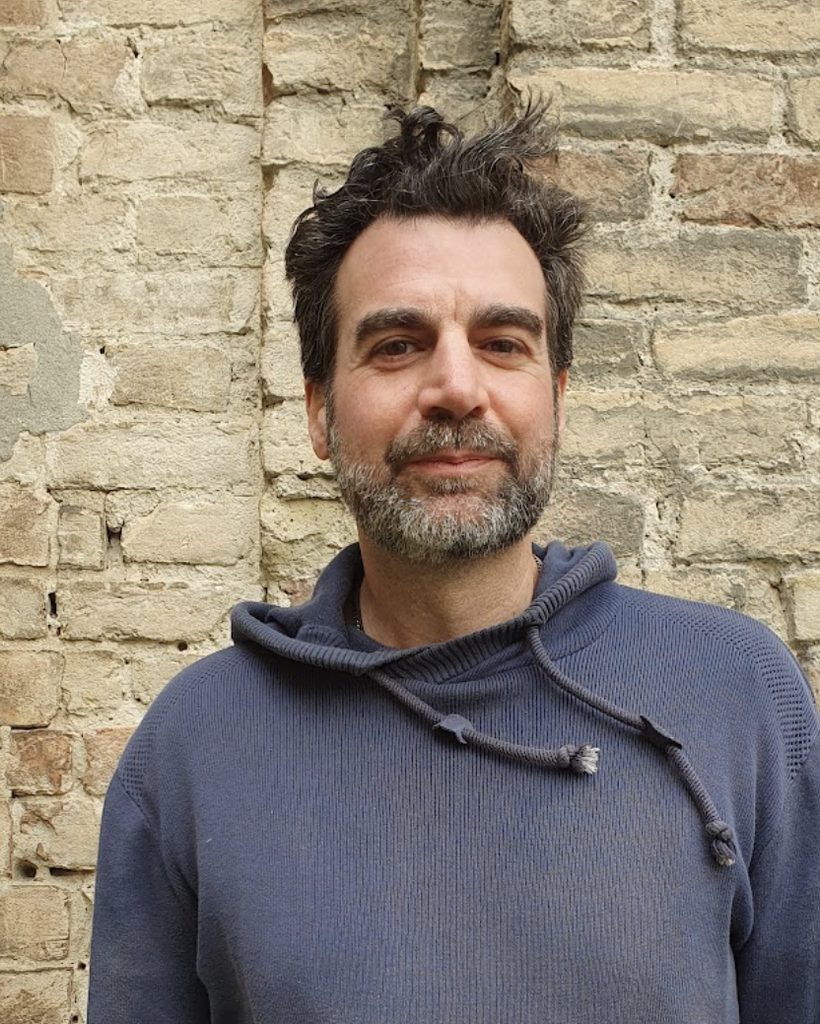
Once the first loop, lyric, chord progression, or sound appears, what work has to happen next?
For me, almost every track starts with a beat – a groove that immediately creates a certain sense of movement. Once this rhythm is in place, I proceed step by step: I look for musical elements that don’t just complement this groove, but give it its own direction. This could be a Bassline that adds weight to the whole thing, or chords and pads that build a mood.
Sometimes just a small melody or a single sample is enough to give the piece emotional depth – a soul that touches me.

How do producers decide when an impressive part is hurting the track?
For me personally, this isn’t easy at all – but you can usually tell right away when something doesn’t fit.
The difficulty lies less in recognizing it, and much more in letting go: it’s hard to part with an element you actually like, but that doesn’t work in the overall context of the track. By now, I’ve found a solution that helps me work more creatively and efficiently: when I come across such an element, I simply save it separately. This element then serves as a starting point for a new track.
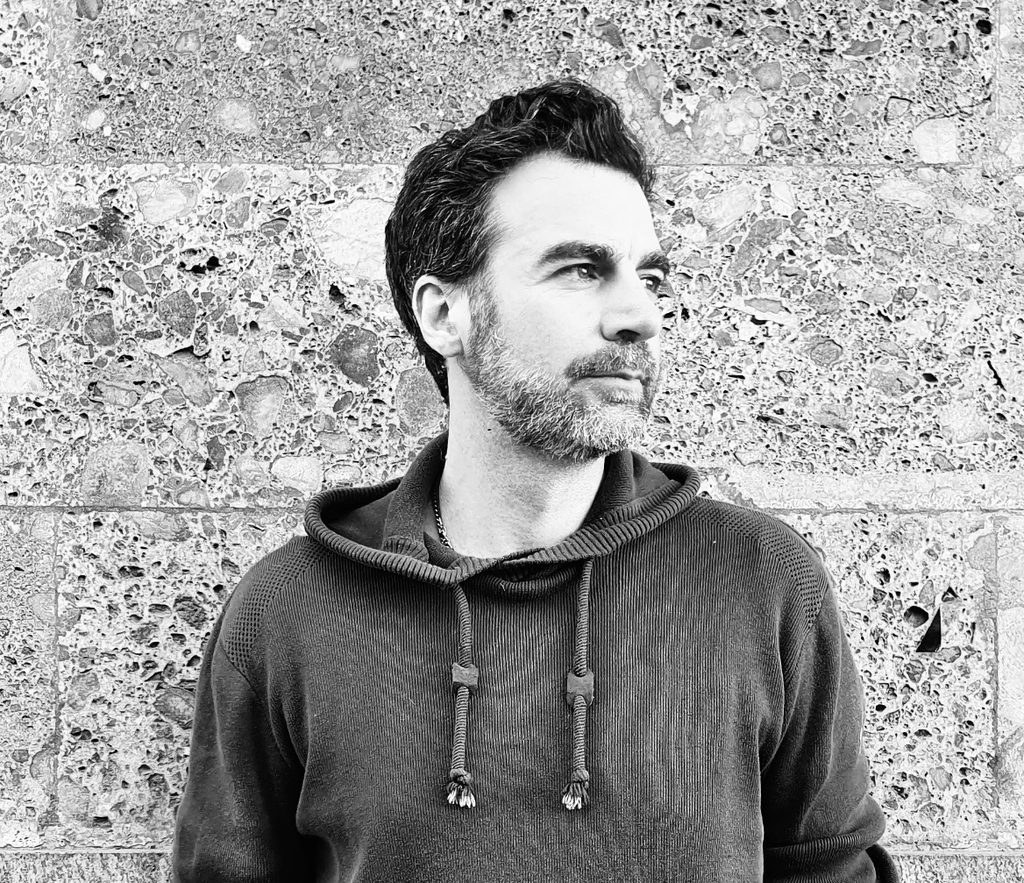
Why is learning what to remove such an important skill for producers now?
I think a lot of people struggle to let go of things—especially when you’ve put a lot of work and energy into creating them. This emotional attachment makes it hard to let go, even when you feel it’s not doing the track any good.
But often, a track doesn’t get better by adding things, but by boldly taking them away. In music, less is frequently more: every sound gets its own space, the structure becomes clearer, and the emotional impact grows stronger.
Closing Thoughts From The Editor
IPI’s answers are valuable because they do not treat abundance as the same thing as progress.
A tool can throw ten decent ideas at a producer almost instantly, but that only moves the problem somewhere else. The artist still has to decide what belongs, what only sounds impressive, and what should be removed before the track loses its center. His answer is simple enough to be hard: listen for the choice that feels right, then accept how little may remain.
The subtraction piece also sits beside my RTIK interview on “Lillian,” mentorship, and the future of creative tools. RTIK’s perspective focused on taste and decision-making in a world where tools keep accelerating production. IPI’s version is more tactile. He talks about saving a good-but-wrong element for a later track, which is a practical way to remove the emotional resistance that makes producers overfill arrangements. Nothing has to be wasted. It just may not belong here.
That same lesson runs into my Sample Focus company spotlight on search, curation, and sound discovery. Sample Focus is built around helping producers find sounds quickly, but the real work still begins after discovery. IPI’s answers explain why. A sample, loop, bassline, or chord progression can open the door, but taste decides whether it becomes part of the record or a distraction dressed up as inspiration.
For SATYADGTL, The Windy City fits the label’s current lane because it keeps the emphasis on groove, movement, and feel rather than overbuilt drama.
The Chicago reference is there in the acid line and vocal energy, but the record does not turn that reference into costume. It uses the starting point as a spark, then lets IPI’s own sense of flow decide where the track should land.
The larger takeaway is that IPI hears production as a process of reduction as much as creation. Start with rhythm. Add only what gives the groove direction. Save the good ideas that do not fit. Remove enough for each sound to have space. That is not a flashy production philosophy, but it is the kind that keeps records alive once the novelty of the first idea fades.

Will Vance is a professional music producer who has been involved in the industry for the better part of a decade and has been the managing editor at Magnetic Magazine since mid-2022. In that time period, he has published thousands of articles on music production, industry think pieces and educational articles about the music industry. Over the last decade as a professional music producer, Will Vance has also ran multiple successful and highly respected record labels in the industry, including Where The Heart Is Records as well as having launched a new label with a focus on community through Magnetic Magazine. When not running these labels or producing his own music, Vance is likely writing for other top industry sites like Waves or the Hyperbits Masterclass or working on his upcoming book on mindfulness in music production. On the rare chance he's not thinking about music production, he's probably running a game of Dungeons and Dragons with his friends which he has been the dungeon master for for many years.