Waht We’re Covering
I want a studio headphone that helps me hear what needs changing, and I also want to listen to music away from the desk without packing a second pair.
That is the part of the Kali Audio HP-1 concept I appreciate most, because production, editing, and listening to records already take up enough of my day without needing a different pair of headphones for each activity.
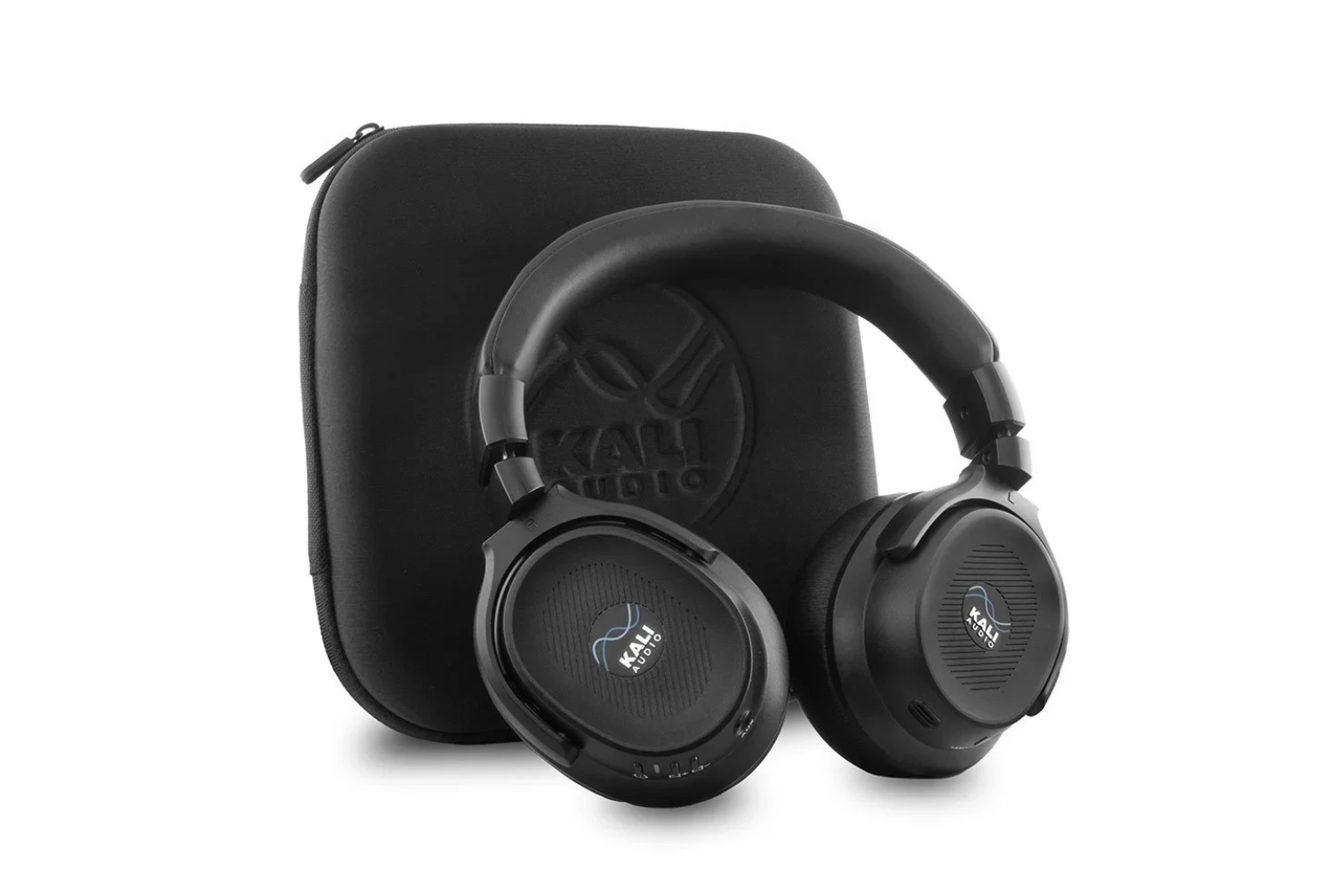
Kali sells the HP-1 for $199, with a closed over-ear design, three tuning modes, Bluetooth, and active noise cancellation, and I’ve heard that their studio monitors are some of the best in the industry despite their far more approachable price points, so I wanted ot check out how their headphones measured up before taking the step up to their studio monitors too.
The combination is appealing, although its recording limitations deserve attention before anyone buys it as their main studio pair.
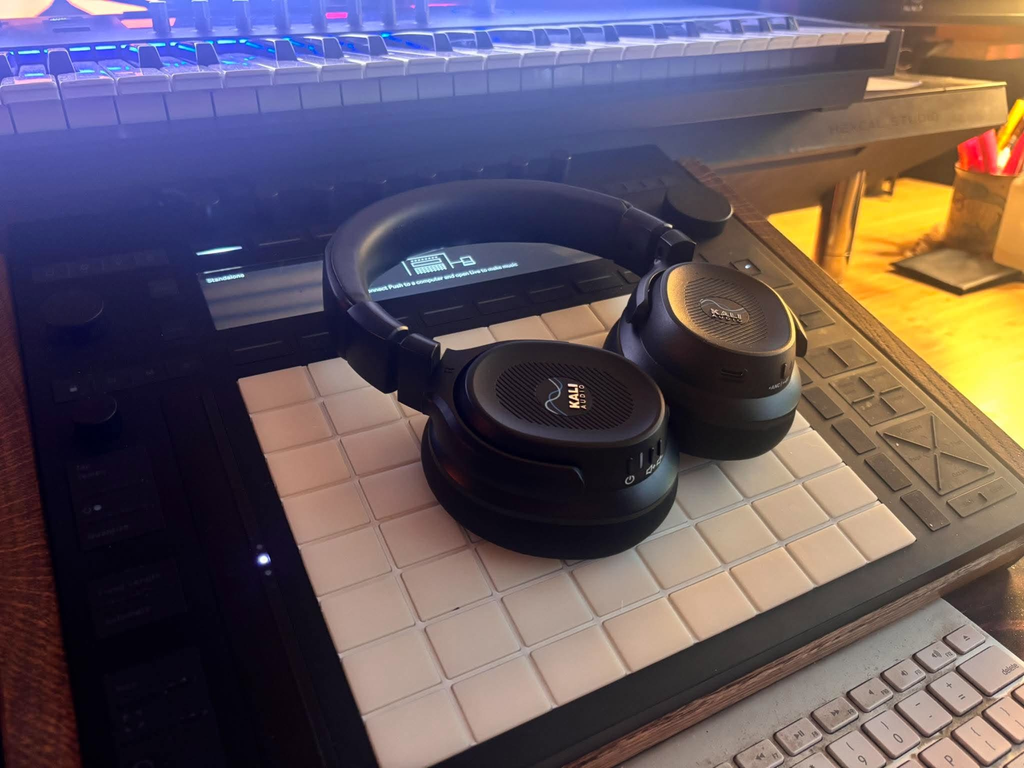
Overall, Studio mode and comfort give these headphones the best reasons to consider them, while the extra features make them easier to justify for listening outside work. After about a month in my own studio, I found enough detail to take them seriously for mixing and inspecting recorded audio, and I appreciate a tuning that doesn’t exaggerate the bass just to make a quick impression.
Admittedly, I am less convinced of their suitability for top-level recording musicians, because the processing delay and battery-dependent operation affect tasks a conventional wired headphone handles straightforwardly, but they also add a bit more functionality. Overall, these headphones are truly, in all senses of the word, to each their own, and those differences determine who I would recommend the HP-1 to, so let’s get into the nitty-gritty of the review.
Kali HP-1 Build Quality and Comfort
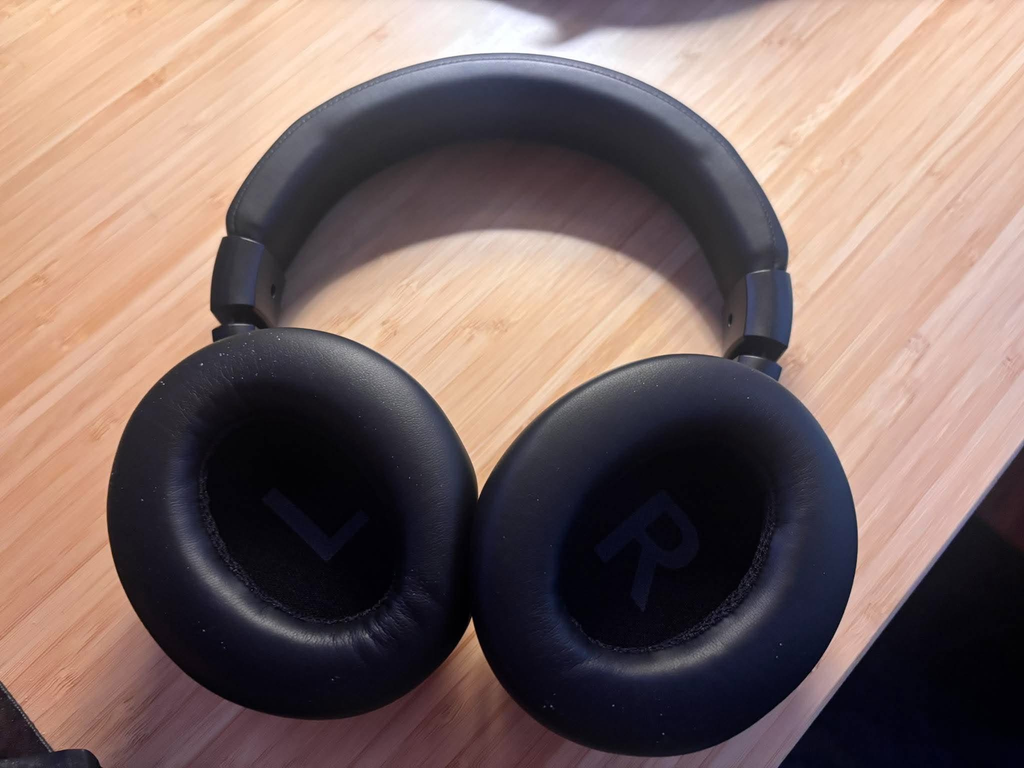
The HP-1 feels substantial enough that I stopped worrying about its plastic construction fairly quickly, and I think that is the best way to think about a headphone at this price. I care whether the adjustment hardware feels secure and the cups move properly, because I handle those parts repeatedly while working. I would describe the construction as “reassuring” rather than “luxurious”, and I am comfortable with that tradeoff when the fit receives this much attention (plus I’ve been in the game long enough to value how things sound over how things look – a trap my younger self definitely fell into).
A favorable first impression still cannot establish how the hinges will behave after years of use.
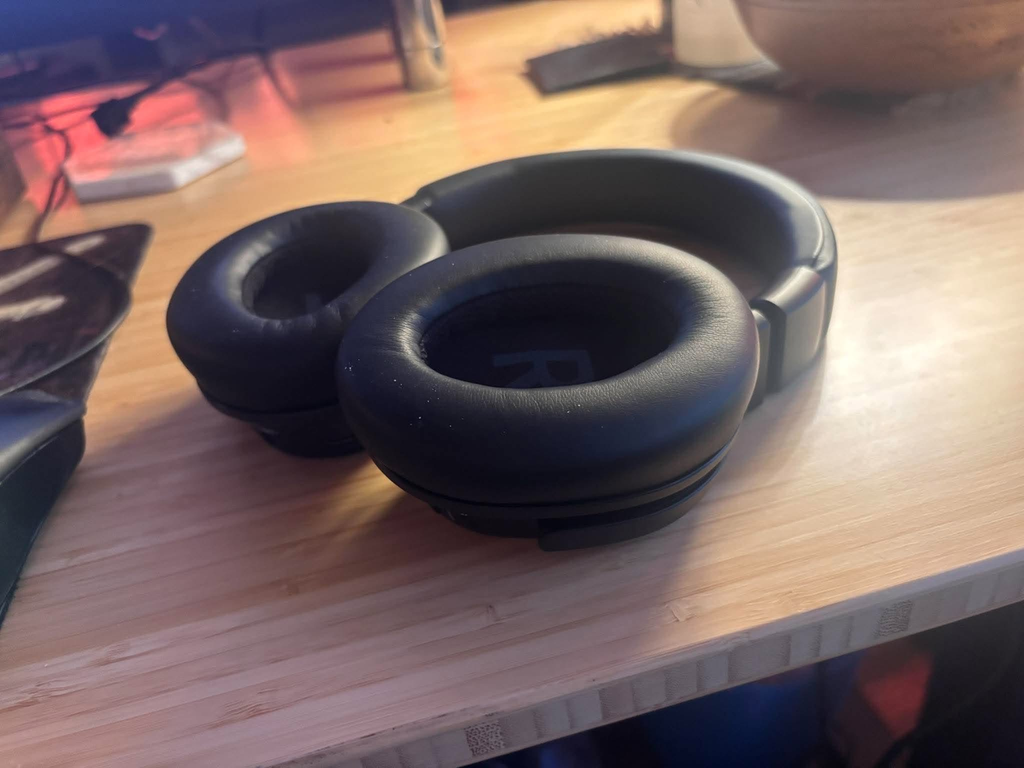
Comfort was one of the things I liked most, particularly the depth of the pads and how the cups sat around my ears without excessive pressure. Soft padding alone doesn’t answer the question, because shallow cups can still press my ears against the driver covering, and an uncomfortable headband becomes distracting after I have been editing for a while.
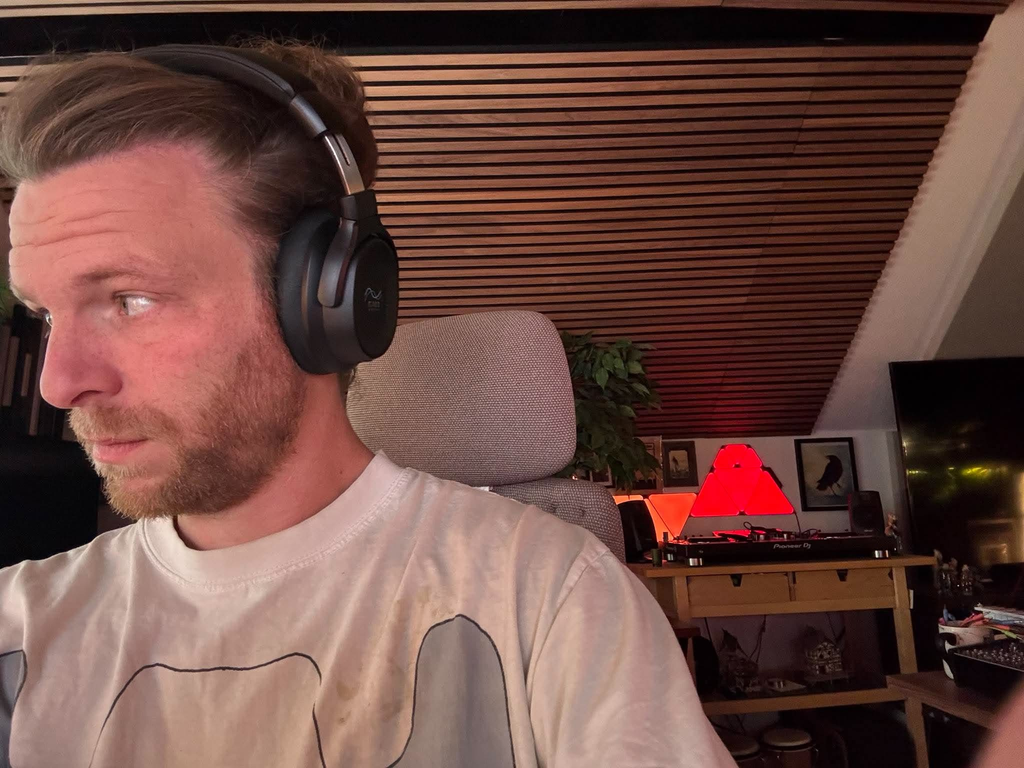
Here, I found the fit pretty decent enough to keep listening without constantly repositioning the headphones, and head size, glasses, and ear shape will of course change that experience for you.
Kali includes a carrying case and uses replaceable synthetic leather ear pads, details I appreciate in headphones meant to leave the studio regularly, which is always a nice perk that not all headphones these days offer (even some A+ level brands like Roland ship with just a small lightweight bag or something similar). The fitted case feels worth keeping, and rotating the cups makes storage easier, though I would check the packed size before assuming it will take up little room in a bag.
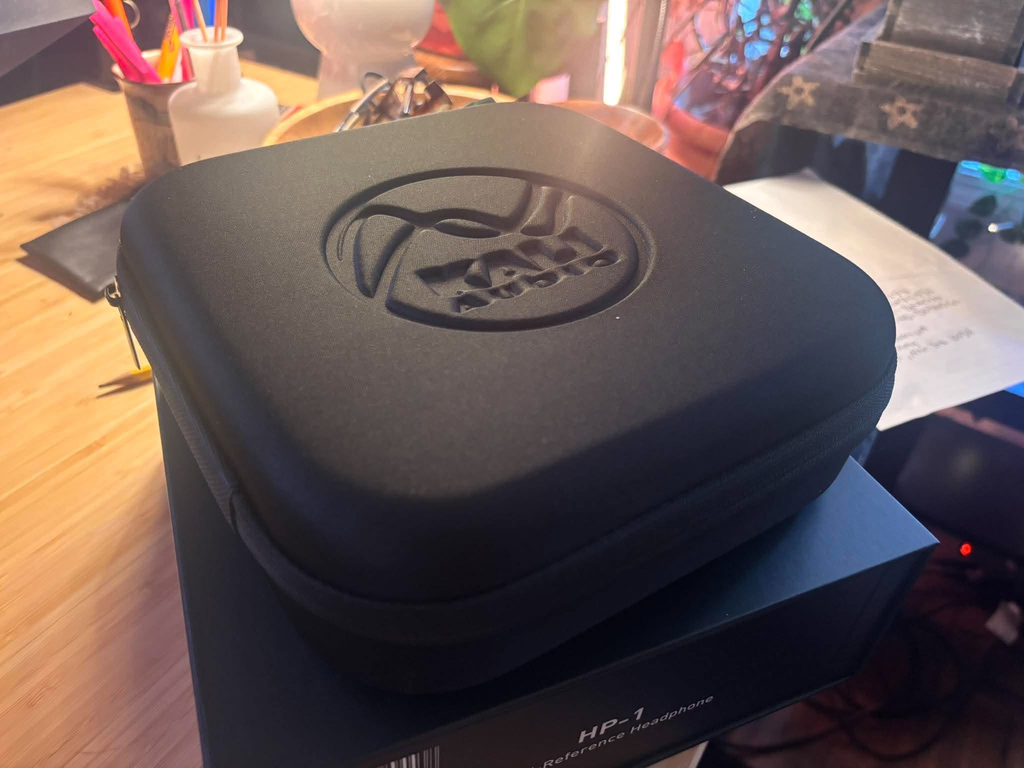
Replaceable pads also matter acoustically, because worn padding can change the seal and the amount of bass I hear. I would want battery service options explained with the same attention, since an active headphone has another component whose condition affects long-term ownership.
Studio Mode Gives the HP-1 Its Best Sound
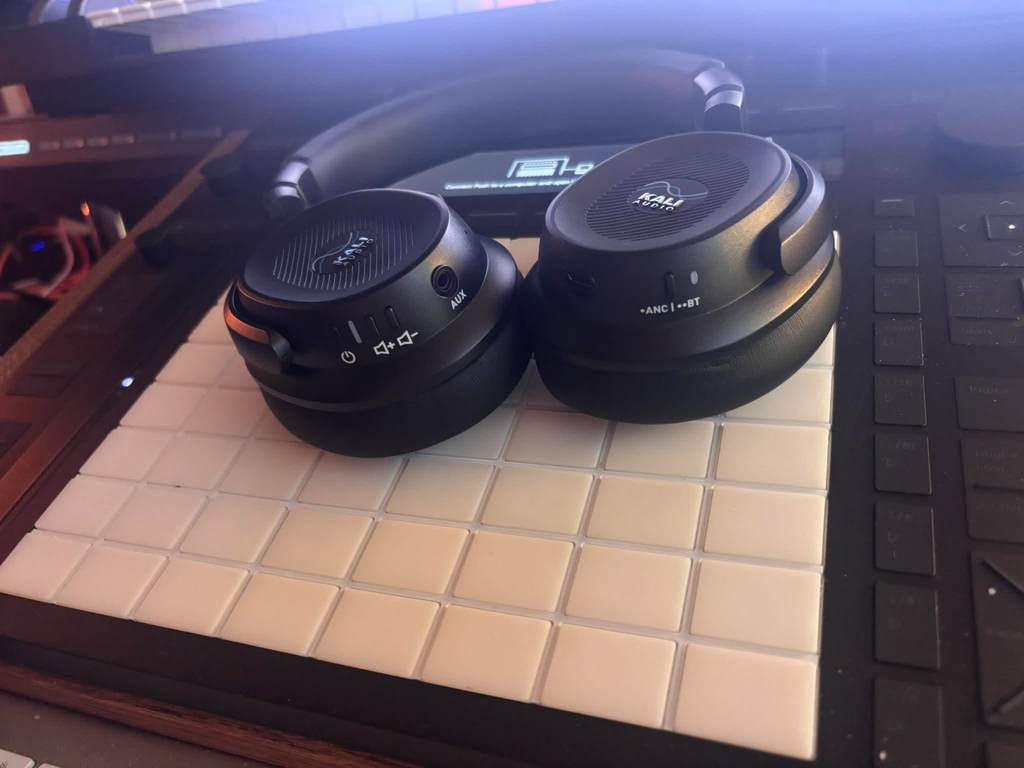
I would spend most of my time in Studio mode, and it is the main reason I’m considering these headphones for production. I prefer its comparatively restrained balance to a presentation that boosts the bass and treble until almost any recording sounds impressive.
When mixing, I want enough information to decide whether a vocal needs less upper-mid energy or whether an effect distracts from the main part. I found the HP-1 capable of making those differences audible without needing the alternate presets.
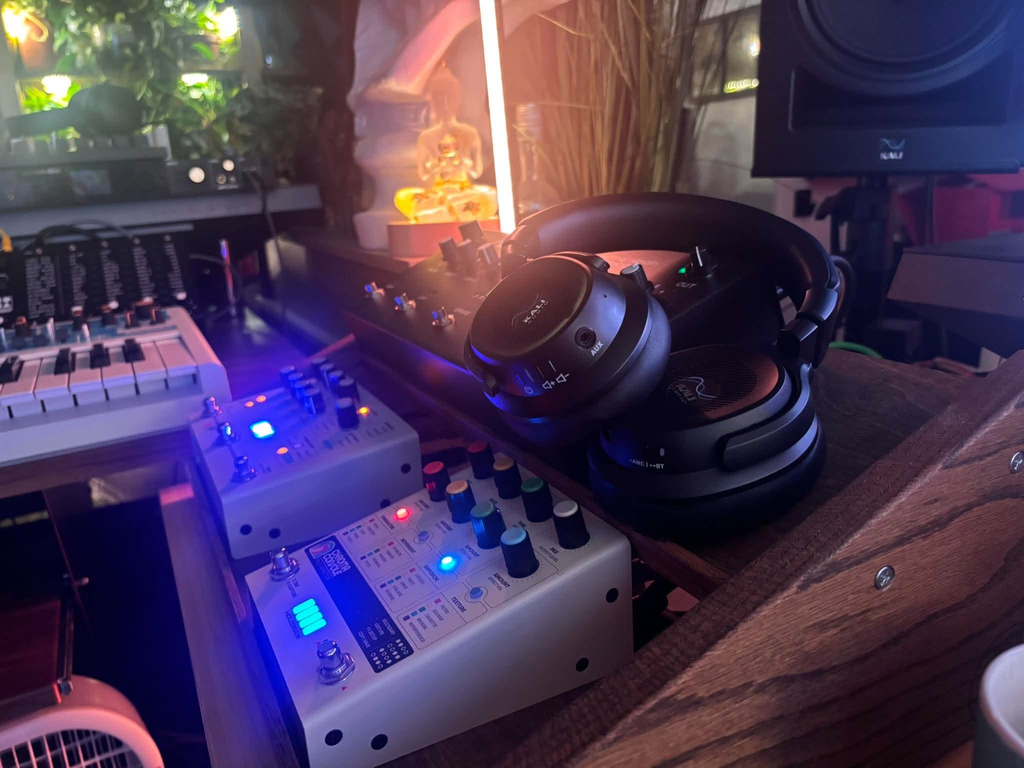
That said, I wouldn’t describe Studio mode as perfectly neutral, because I hear a slightly lean midrange and a little added brightness at the top. Those characteristics deserve attention when choosing EQ, particularly if I am tempted to reduce treble because the headphone makes that region seem prominent. Detail and tonal accuracy are separate judgments, and hearing a small problem clearly doesn’t mean I am hearing its level correctly. For me, this is a headphone I would learn with reference tracks before trusting it with final mix decisions.
I liked how clearly I could inspect small effects, edit artifacts, cymbal decay, and reverb tails, because those details give me specific reasons to keep a headphone at the desk. The low and upper mids were informative enough to assess competing synth parts, vocal body, and percussion, but they get tiring when they’re too forward.
That also makes Studio mode relevant for dialogue and podcast editing, where mouth noises and distracting room sound need attention. I found the physical fit comfortable, although the brighter balance means I would avoid promising the same listening comfort to someone sensitive to treble.
Bass Response, Stereo Placement, and Mix Translation

The bass in Studio mode was easy to follow without overwhelming the lower mids, which is what I want when assessing electronic music. I would rather understand the relationship between the kick and bass notes than hear an added low-frequency lift that makes their level difficult to judge.
There is enough extension for me to take the HP-1 seriously for this work, although I would still check the deepest bass elsewhere before finishing a mix. A restrained presentation can be accurate or inaccurate, so I do not treat reduced bass as proof of better monitoring.
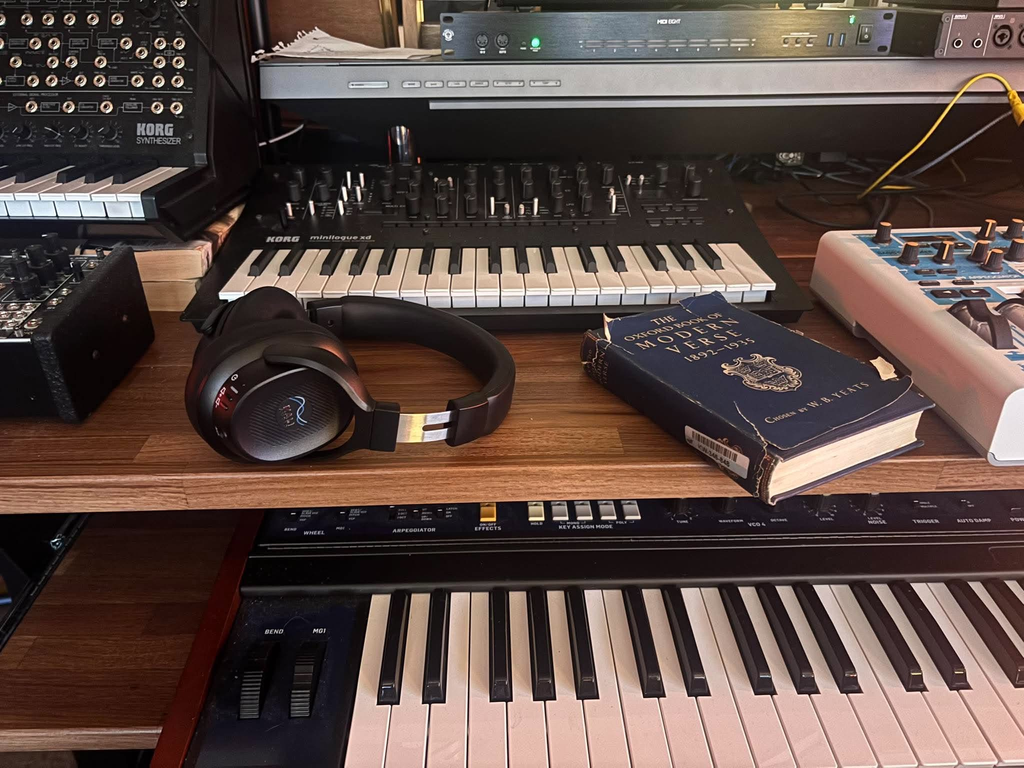
The earcup seal deserves attention here, because the same headphone can give me a different impression of the bass if the pads are sitting poorly against my head.
Before adding low frequencies to a track, I would check the fit and compare the recording with music I know well at a similar listening level. I also do not expect headphones to reproduce the physical sensation of a subwoofer in a room. I’m assessing the notes and their relative level, and the HP-1 handles that convincingly in Studio mode.
I found individual parts easy to locate across the stereo image, although the overall presentation felt fairly focused rather than particularly spacious. That helps when choosing where a supporting part should sit, while giving me a reason to double-check decisions about width and ambience on speakers. The audible reverb tails also make the HP-1 a good place to inspect details that background noise can obscure during monitor playback.
Hearing something I missed on speakers tells me an additional listening check helped, and I don’t take it as evidence that headphones should replace the monitors.
Consumer and Bass Heavy Modes Work as Mix Checks
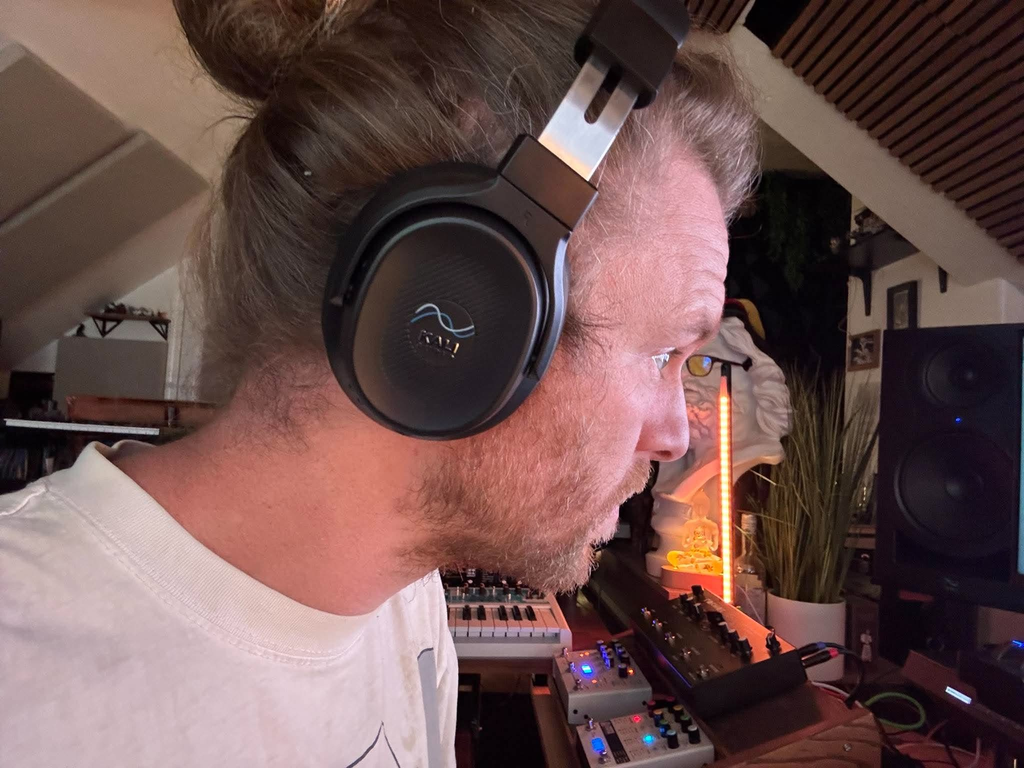
I like the convenience of changing the tonal balance directly on the headphones, because a quick comparison can expose a mix that depends too heavily on one frequency region. Consumer mode softens the presentation, and I can see why you’d choose it when a finished recording feels too forward for casual listening. For editing, though, I found it less compelling than Studio mode because some of the detail became less obvious. I would use it to investigate a concern, then return to the main setting before deciding what to change.
Bass Heavy mode is a broader adjustment than its name might suggest, because the added energy extends into the lower midrange. That affects vocal body, lower synth notes, and percussion alongside the bass, which is why I found it less controlled than Studio mode. I would use it to check whether a mix gets congested with a broad low-frequency lift, but I wouldn’t balance the track with that preset engaged.
Electronic music still needs audible bass notes and distinct drum attacks, and extra low-mid energy can make those relationships harder to assess.
I’d learn Studio mode well and use the other settings occasionally, since constant preset switching makes it harder to assess small changes.
Wired Latency Limits the HP-1 for Recording
The recording limitation deserves attention because it remains present when the audio cable is connected. Kali specifies 17 ms of DSP latency and confirms that the processing cannot be bypassed, so wired playback still includes a delay inside the headphone.
That is manageable when I am listening to a finished track, but I would choose another pair when a vocalist, guitarist, or keyboard player needs to hear a performance as it happens. I would not buy the HP-1 as my main recording headphone.
The headphone delay also adds to the delay elsewhere in the monitoring setup, so the number on Kali’s specification sheet doesn’t describe the full recording experience in a DAW. Direct monitoring can avoid the computer’s processing delay, while the HP-1’s own processing remains afterward. My Universal Audio Volt 876 review covers headphone controls and monitoring when choosing an interface, and the same attention should extend to the connected headphone. I would keep a passive wired pair available for overdubs instead of expecting an interface setting to remove the HP-1’s delay.
I also found the supplied cable too short for a product sold for studio use, because reaching an interface beside me is different from reaching gear mounted farther away. My Arturia AudioFuse 16Rig review covers hardware setups where placement and cable access affect daily work, and I would want a longer lead included here. The basic cable and adapter feel less considered than the headphones and case, and I would prefer a quarter-inch adapter that attaches more securely.
I also need to remember that the headphone’s volume buttons stay active during wired playback, so the source and headphones have separate volume controls.
ANC and Battery Life Come With Compromises
I found the noise cancellation adequate for reducing steady background noise, but it wouldn’t be my main reason for buying the HP-1. The closed cups and padded seal already provide passive isolation, so part of the noise reduction comes from the physical fit. ANC adds another option when the surroundings become distracting, particularly with low-frequency hum.
I would still compare dedicated travel headphones if suppressing outside noise were my main priority.
For mixing, I would leave ANC off because Kali’s manual warns that cancellation reduces headroom, especially at low frequencies, and can change the frequency response depending on the surrounding noise. The company specifically advises against critical studio work with ANC engaged. That warning affects how I use the headphone, since a leaner presentation could encourage me to add bass that the recording does not need. ANC is also unavailable during wired playback, which limits its application for someone editing with a cable in a noisy location.
I’d focus on the charging restriction here, because Kali’s manual confirms that the HP-1 cannot be used while charging. USB-C is listed for charging rather than audio playback, so I cannot treat it as an alternative listening connection. I would make a habit of charging the headphones when I am finished using them, since connecting USB power does not let me keep listening while they recharge.
For a pair intended for studio work and casual listening, I would prefer the option to charge and listen at the same time.
A depleted battery therefore means stopping to charge, rather than plugging into USB power and continuing to work. USB-C is for charging, not audio, so I would build charging into my routine instead of treating the socket as another playback connection.
Is the Kali Audio HP-1 Worth $199?

I think $199 is pretty damn affordable for someone who will regularly use Studio mode, Bluetooth, and the comfortable fit, because that person is buying a headphone for mixing, recorded-audio editing, and listening outside work, and $ 200-ish is a great price point for producers and artists who need headphones which they can use in the studio but also need to do double duty for listening ot music and the gym, on a walk, or more consumer-grade activities.
When I was first starting out producing, I had a similarly priced pair of Yamahas that I used for DJing, mixing, and casual listening, and I’ll be honest: Kali’s headphones blow those out of the water… but my Yamahas were a dated model even when I bought them almost a decade ago… I’m not saying I’m old, im just saying tech’s come a long way in a short amount of time (yeah, that’s it!).
A producer working in a small room, a dialogue editor, or someone reviewing music away from the desk has a clear reason to consider it. The purchase becomes harder to justify if I only need wired monitoring and already own a suitable pair for that job.
I would use the HP-1 for editing and mix checks, and I would keep a passive wired pair available for recording vocals, guitars, or software instruments. Kali specifies 17 ms of DSP latency that cannot be bypassed, so connecting the analog cable still leaves that delay in the monitoring setup. Direct monitoring on an interface can avoid the computer’s processing delay, although it cannot remove the delay added by these headphones.
For me, that’s why I distinguish mixing from recording here: I can tolerate a small playback delay when assessing recorded audio, but I want monitoring latency as low as possible when playing or singing.
Their closed design and studio branding suggest recording suitability that the operating details don’t fully support.
If your main activities are editing, mix checks, and casual listening, the HP-1 is worth considering, provided you are comfortable keeping it charged and learning its tonal balance.

Will Vance is a professional music producer who has been involved in the industry for the better part of a decade and has been the managing editor at Magnetic Magazine since mid-2022. In that time period, he has published thousands of articles on music production, industry think pieces and educational articles about the music industry. Over the last decade as a professional music producer, Will Vance has also ran multiple successful and highly respected record labels in the industry, including Where The Heart Is Records as well as having launched a new label with a focus on community through Magnetic Magazine. When not running these labels or producing his own music, Vance is likely writing for other top industry sites like Waves or the Hyperbits Masterclass or working on his upcoming book on mindfulness in music production. On the rare chance he's not thinking about music production, he's probably running a game of Dungeons and Dragons with his friends which he has been the dungeon master for for many years.