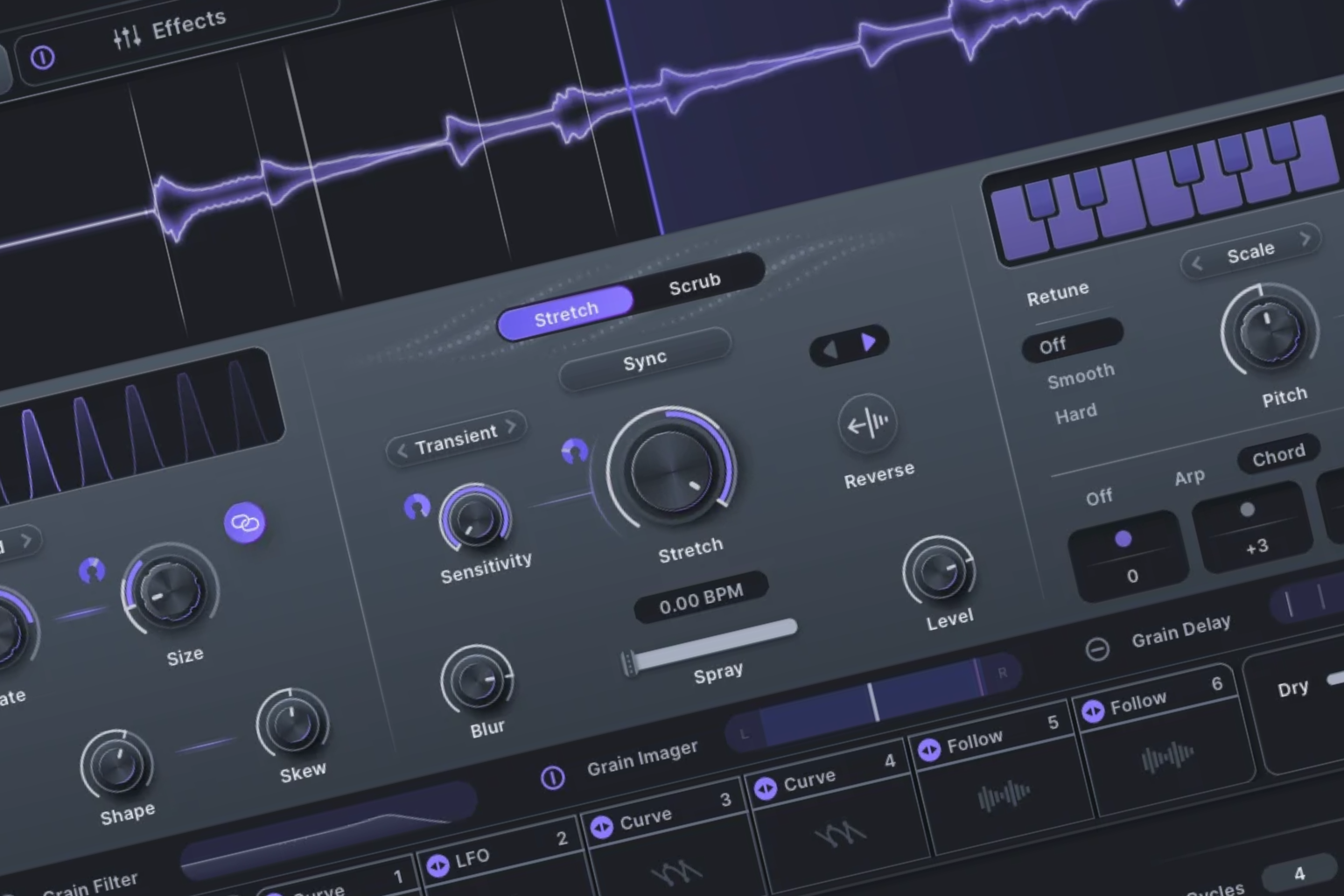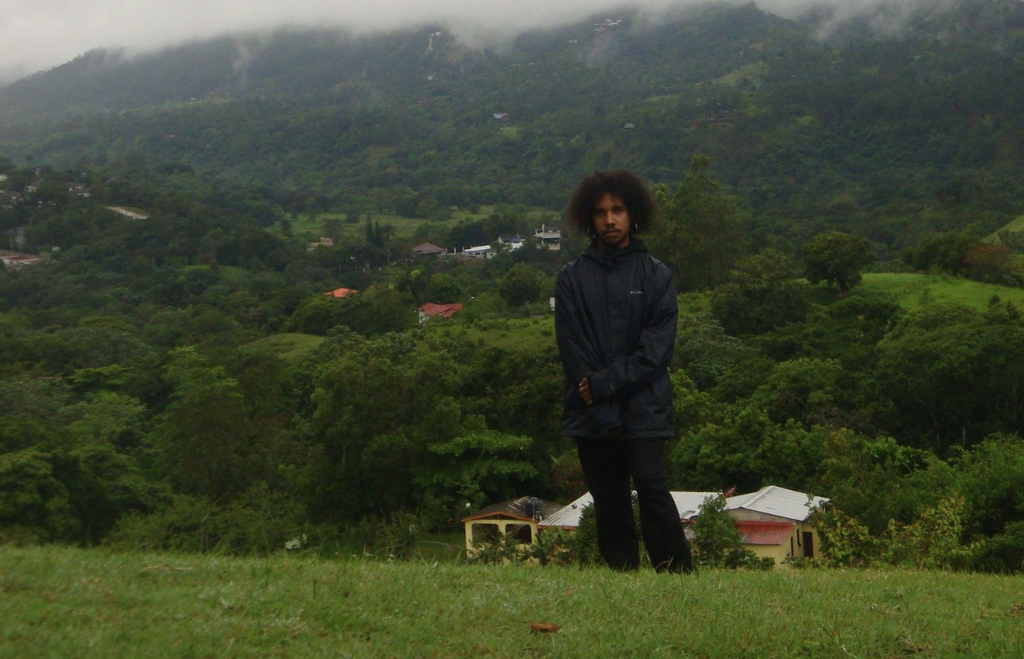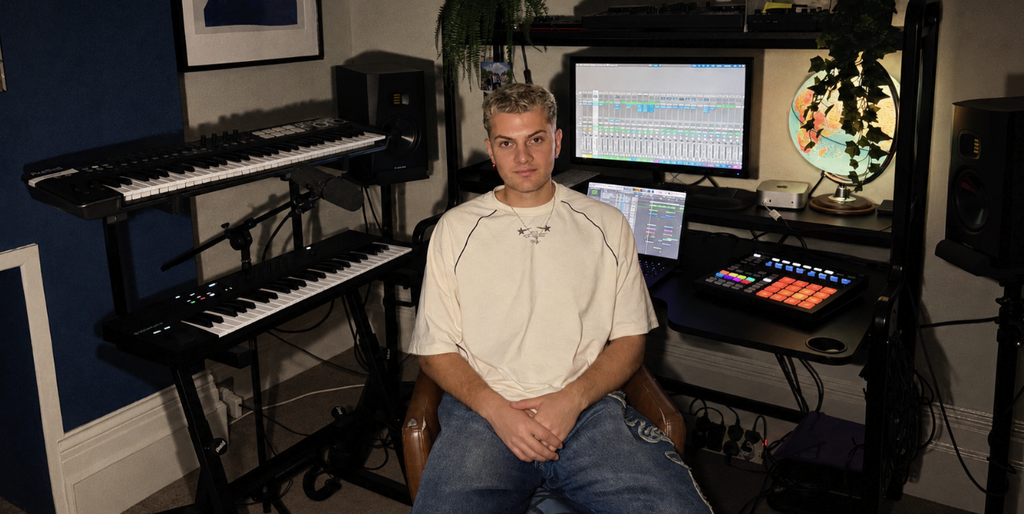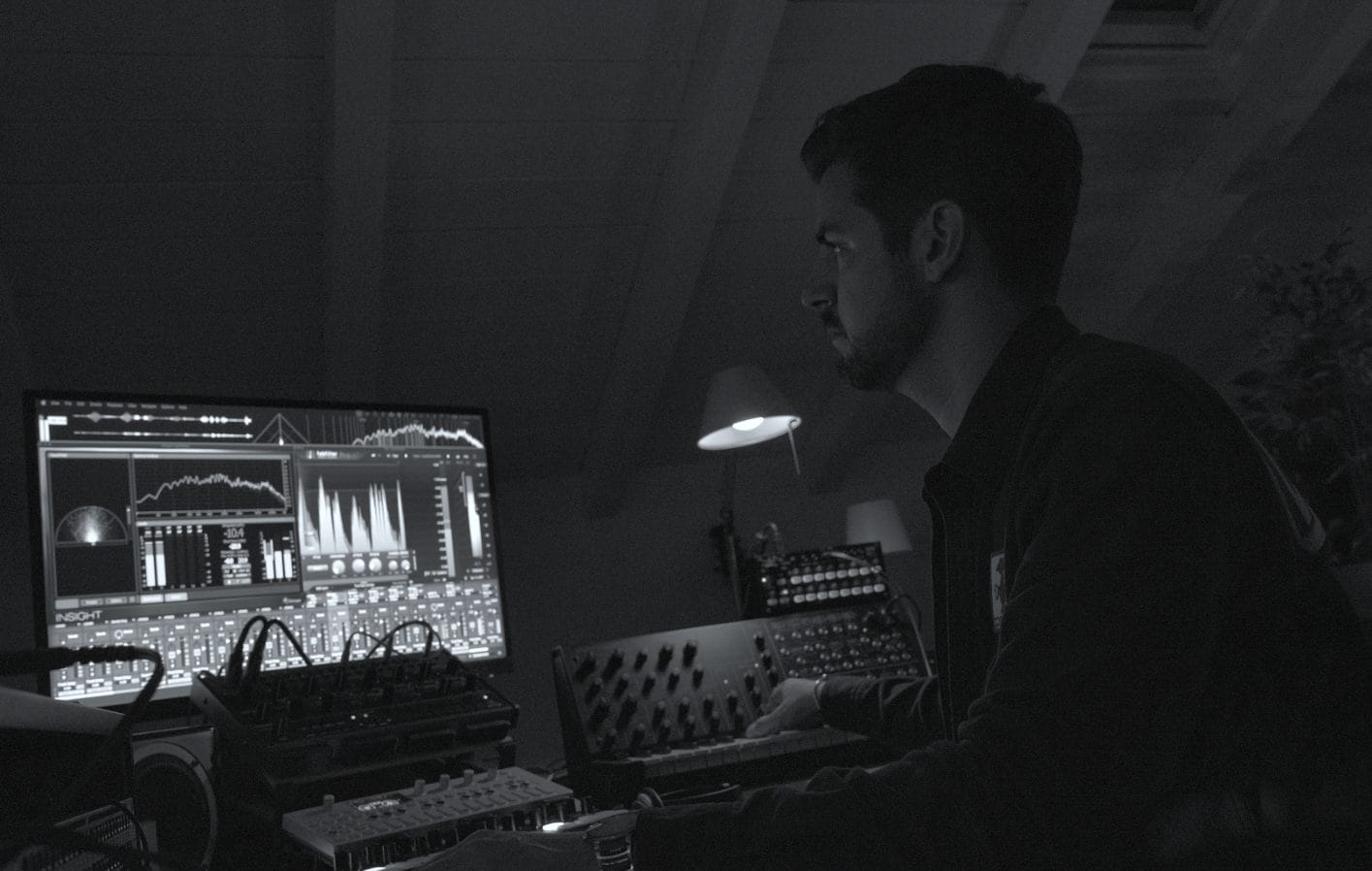
RTIK’s (@rtik_music) remix of Discognition and Vellichor’s “Lillian” feels like the kind of record that comes from someone who knows how to let an idea breathe. The Italian producer has been around enough corners of electronic music to know when to add, when to pull back, and when to let the source material take the lead.
That is what makes his take on “Lillian” such a masterfully crafted production, as I feel it does not feel like he tried to force the track into his catalog; it feels like he found the part of the original that already spoke his language and built from there.
That has been the thread through a lot of RTIK’s music.
He has released across labels like Rose Avenue, sequence, Running Clouds, Sanctuary, Sommersville Records, and Where The Heart Is, and his work moves through melodic techno, ambient, downtempo, and club-focused production with a pretty clear sense of patience. His remix for us now carries that same instinct with the drums doing their job, the melodic writing stays measured, and the whole thing feels built by someone who cares about the space between ideas as much as the main ideas themselves.
In our recent conversation with him, RTIK talks about AI, unfinished music, mentorship, the pressure to release, and the private hours that shape an artist before anyone hears the final record. A lot of producers are trying to figure out where they fit now that tools can move faster than taste, and RTIK’s answer is pretty simple: the process still matters because that is where your sound gets built.
Interview With RTIK
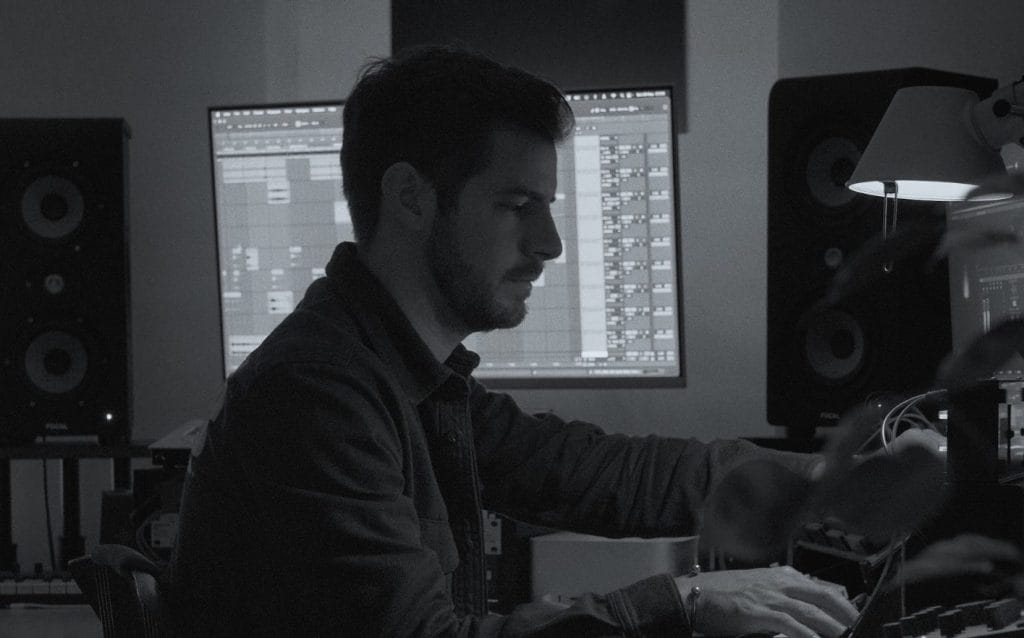
With AI making it easier to generate finished tracks, what still makes the hands-on process of making music valuable?
For me, the finished track was never really the point; it’s the process.
Starting from a blank canvas, being sparked by an idea, a feeling, an experience, or just losing yourself experimenting with new gear. That moment when everything finally clicks and all your ideas fall into place is genuinely priceless, and it’s something no AI prompt can replicate.
It’s also about control. A written prompt will never fully translate what’s in your head. The more hours you’ve put in over the years, the more you’re able to bridge that gap, to take what you hear internally and shape it into real sounds, arrangements, and finished tracks that actually reflect where you started. That translation is the craft.
What do producers learn from working through a track themselves that they would miss by skipping straight to a finished file?
The more time you spend learning and mastering your craft, the more fulfilling it becomes to hold a finished piece that truly reflects you and the way only you can hear it in your head. Music is just another form of language, one that often doesn’t even need words. So why hand that translation over to AI?
Every track I make teaches me something new: a sound I hadn’t considered before or a feeling that only surfaces through experimentation. If I skipped all of that, it would strip the soul out of my music entirely.
The internet tends to reward the finished post or release. What does the private process still give the artist?
It’s the only thing that gives the music its soul and life. We’re living in an era completely overloaded with new music, and honestly, it’s becoming harder for me to truly fall in love with new artists or sounds. I know it’s increasingly difficult to create something genuinely fresh, but this pressure to release something every month is taking a real toll on quality, for artists and listeners alike.
I keep finding myself returning to older albums from artists who took years between records. Years spent living new experiences, experimenting, and going deep into their own process. That time shows in the music.
How can making music still be useful to an artist even when the track never comes out?
I think most artists have hundreds of ideas and unfinished tracks that never see the light of day, I certainly do. And personally, those are the tracks where my sound was actually developed, where I figured out the direction I wanted to go.
Whether something doesn’t work, you don’t connect with it, or it just never finds a home, it’s all part of the learning process. Beyond that, I think we each find different kinds of meaning in music making. For some it’s a private journal, never meant to be shared. For others the value is in putting it out into the world. But if music making matters to you, follow your own path, understand which side of it brings you the most meaning, and lean into that.
What would you tell a newer producer who feels discouraged by how fast creative tools are moving?
Honestly, if I were just starting out, I wouldn’t feel discouraged. The creative possibilities right now are genuinely endless, and there are more tools than ever to help you grow. What I’d suggest is finding someone more experienced who can help you navigate it all. It can be overwhelming being surrounded by hundreds of tutorials pulling you in different directions. A good mentor helps you filter the noise and build solid foundations first.
And once you have those foundations, all of these new tools (AI included) become genuinely exciting. They open up new ways to create that didn’t exist before. AI in particular will keep evolving into a useful tool for speeding up certain parts of the process, and when used intentionally, it can become a real extension of your creativity rather than a replacement for it.

Will Vance is a professional music producer who has been involved in the industry for the better part of a decade and has been the managing editor at Magnetic Magazine since mid-2022. In that time period, he has published thousands of articles on music production, industry think pieces and educational articles about the music industry. Over the last decade as a professional music producer, Will Vance has also ran multiple successful and highly respected record labels in the industry, including Where The Heart Is Records as well as having launched a new label with a focus on community through Magnetic Magazine. When not running these labels or producing his own music, Vance is likely writing for other top industry sites like Waves or the Hyperbits Masterclass or working on his upcoming book on mindfulness in music production. On the rare chance he's not thinking about music production, he's probably running a game of Dungeons and Dragons with his friends which he has been the dungeon master for for many years.