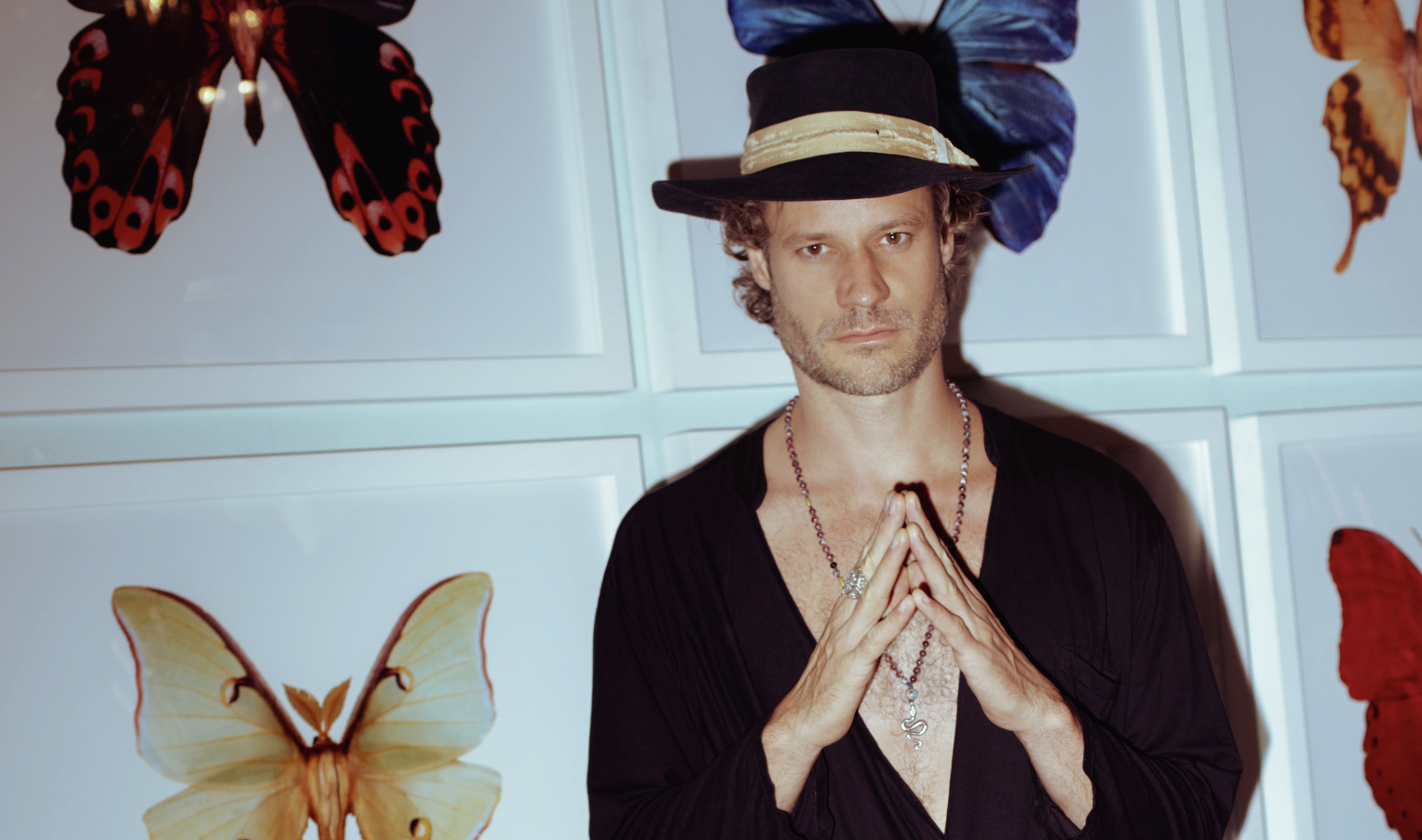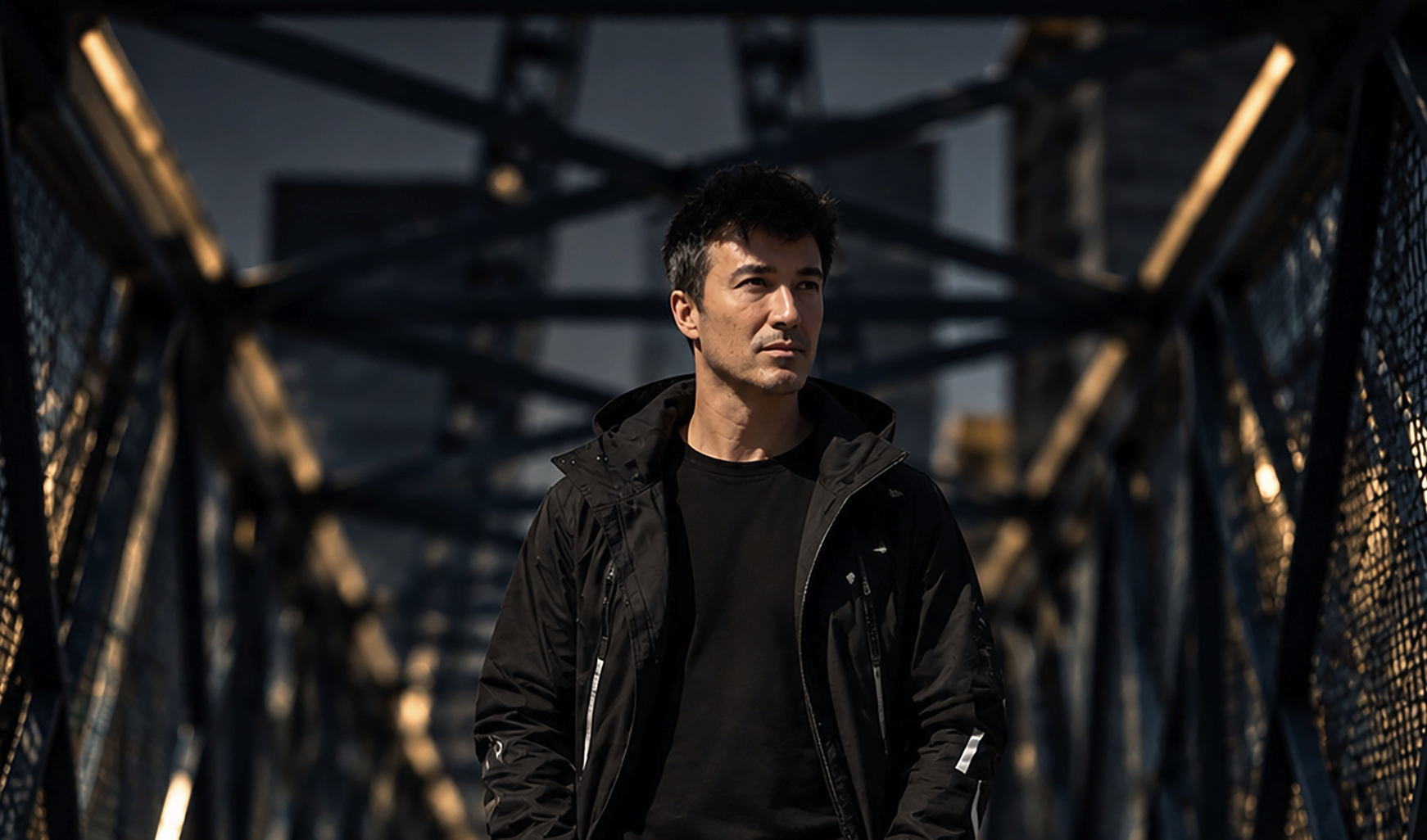
D-Formation (@dformation) has been making records long enough to know when a track has the artist’s hand in it and when it only has good parts stacked together. That distinction matters more now than it used to, because production has become faster, presets are better, and outside help is easier to find.
None of that is bad on its own, but it does make the artist’s decisions more important, not less.
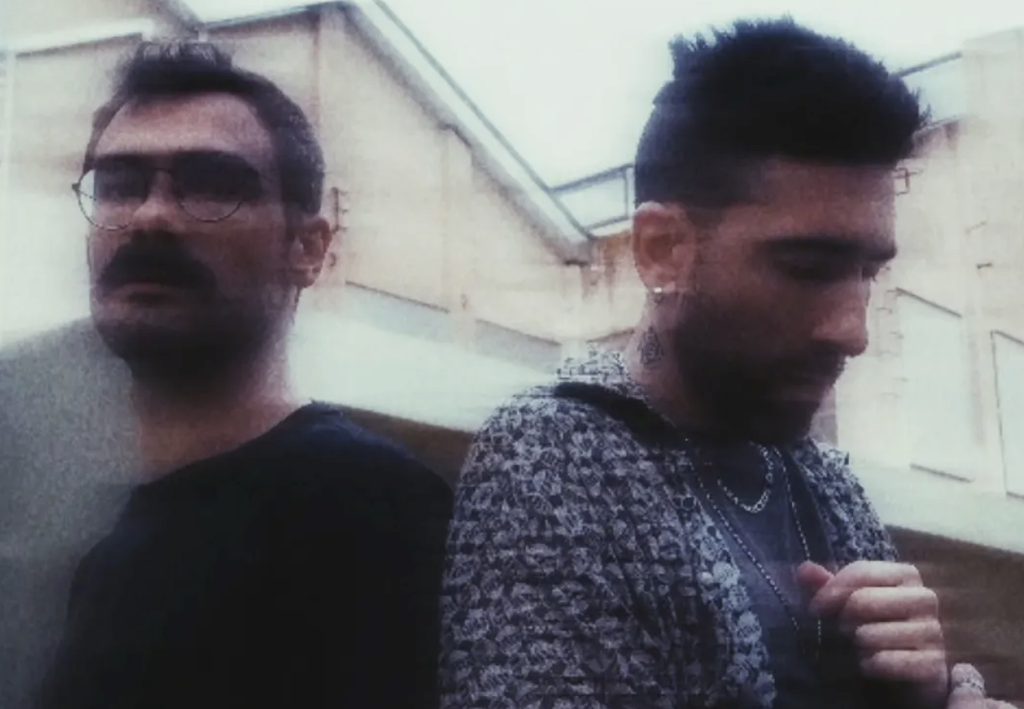
His new Afterglow EP with Darksidevinyl on Einmusika Recordings sits inside that same idea.
The two-track release moves between the title track and “The Rhythm,” pulling progressive house toward heavier club pressure, melodic tension, and rhythm choices that reach beyond the usual lane. All the information I could find about the release points to baile funk influence, unexpected vocal textures, and dancefloor-focused production, but D-Formation’s answers show how much of that he traces back to taste and judgment rather than gear.
The discussion that follows turns the release conversation toward the process behind records that still feel personal after they become public. D-Formation talks about what artists should avoid handing off too early, why the club still tells you things the studio will not, what careful decision-making sounds like in a finished production, and how YES TO ALL with Alex Medina gives him another outlet for experimentation.
He also touches on the months ahead, including the Afterglow EP, new releases, ADE (tickets here to see him live), and an upcoming India tour.
Interview With D-Formation

What should artists avoid outsourcing too early if they want a track to retain a personal character?
I believe artists should not delegate the creative decisions that define their sound. The groove, arrangements, and sound selection are essential to developing a unique identity.
After so many years of producing music, I have learned that personality comes from experimenting and making your own decisions. External help can be valuable, but the musical essence should always come from the artist.
In what ways do playback, performance, and revision reveal details that are easy to miss on screen?
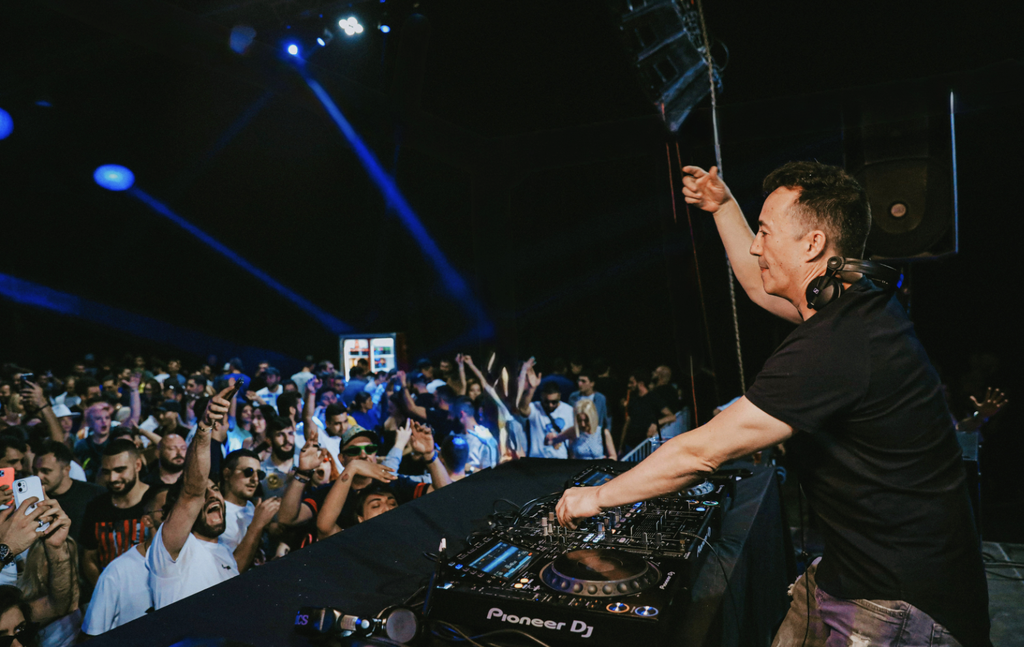
Listening to a track in the studio is very different from hearing it in a club. That is where you really discover how the bass, percussion, and overall energy of the music work together.
I like testing my productions on different sound systems and coming back to them with fresh ears. Very often, small adjustments end up making a huge difference.
What makes a record feel authored rather than simply assembled?
For me, the difference lies in personality and artistic intention. Today, we have incredible production tools, but putting great sounds together does not necessarily mean creating great music.
What matters is that every element has a purpose and communicates something unique. A good track should reflect the artist’s identity rather than simply sounding like another production.
Where can careful decision-making be heard in a finished track?
Mainly in the details, the balance between sounds, and how the track develops from beginning to end. I spend a lot of time working on grooves, textures, effects, and transitions.
I also believe that knowing when to remove elements is just as important as adding new ones. When everything flows naturally, there is usually a lot of work and careful decision-making behind it.
If artists want the final record to feel personal, what parts of the process should they protect?
The most important things are creative freedom and musical identity. I believe we should not be too influenced by trends or focus exclusively on what might work commercially.
My sound has evolved a lot since the ’90s, but I have always tried to maintain my own personality. In the end, what really matters is creating music that you genuinely connect with and that represents who you are as an artist.
You recently launched YES TO ALL alongside Alex Medina. How did this project come about, and what musical direction are you looking to explore?
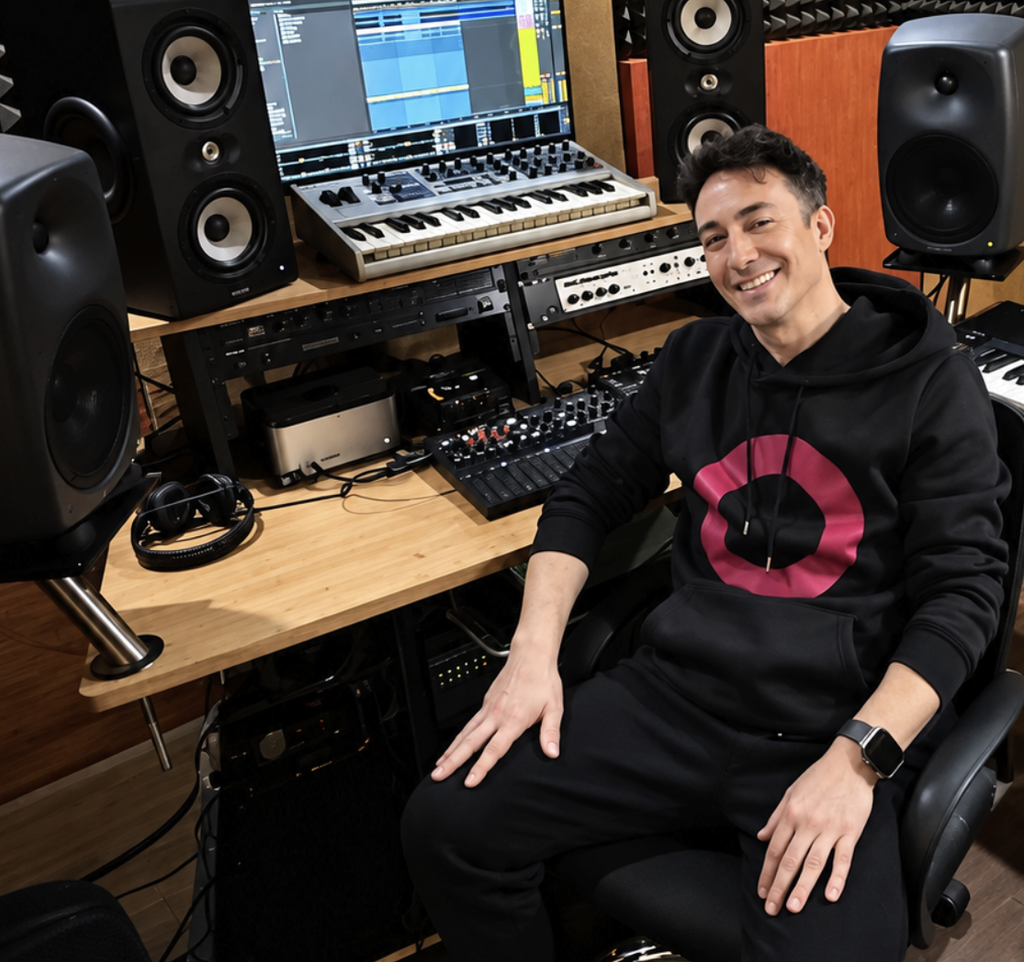
YES TO ALL was born from my musical connection with Alex Medina and our desire to explore new ideas together. Our goal is to develop our own sound, combining different influences from electronic music without limiting ourselves to a specific genre.
Experimentation, textures, and creative freedom are essential parts of this project. We have also launched our own label, YES TO ALL Records, giving us complete artistic freedom to develop our vision and continue releasing new music.
What can we expect from D-Formation in the coming months in terms of new releases, performances, and projects?
I am currently in a very creative and active period, following my recent Afterglow EP release with Darksidevinyl on Einmusika Recordings, with upcoming releases on Beatfreak Recordings, ICONYC, Mango Alley, among others.
Musically, I am continuing to explore new sounds within melodic house, progressive house, and indie dance, always evolving while staying true to my identity.

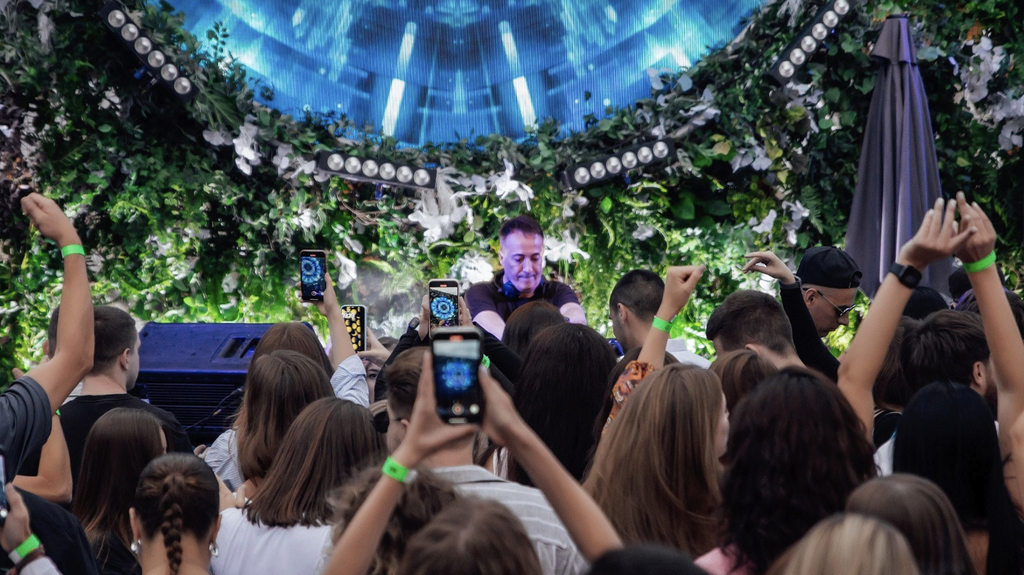
On October 23, we will be hosting our annual Beatfreak Recordings showcase during Amsterdam Dance Event, which is always a very special occasion for us.
In November, I will be heading to India for a three-week tour, a country where I always really enjoy performing. There are definitely some exciting months ahead, both in the studio and on stage.
Closing Thoughts From The Editor
The useful part of this interview is how direct D-Formation is about what artists should keep for themselves. He is not saying artists should reject help, mixing feedback, mastering engineers, collaborators, or outside perspective. He is saying the creative decisions that define the record cannot be handed away too early without changing what the record is.
That point connects with Yeadon’s interview on progressive house in the AI era, where the conversation circled around judgment, taste, and the danger of letting faster tools make too many choices. D-Formation is speaking from a different angle, but the lesson is close. Tools can help. Experience can help. Other people can help. The artist still needs to decide what the record is trying to say.
His answer also offers a practical lesson about testing tracks on different sound systems. Producers know this in theory, but it is still easy to forget when the screen starts feeling like the whole studio. A track can look finished inside the session and still miss the body when it hits a room. Bass, percussion, space, and energy need playback context before the final decisions really mean anything.
His answer about removing elements may be the most useful production note in the piece.
Adding more is usually the easiest way to feel productive, especially when a record is close but not quite there. Removing something takes more confidence because it forces the remaining parts to carry the idea. That is often where a track starts to sound more authored.
The Afterglow EP benefits from that kind of thinking.
That also makes Enrico Rosica’s interview on why versions need connection a relevant read beside this one. Enrico spoke about identity across multiple versions of a track, while D-Formation is talking about identity across decades of work, projects, collaborations, and sound systems. In both cases, the record needs to evolve without losing the artist inside it.
YES TO ALL adds another piece to that picture.
Working with Alex Medina and launching YES TO ALL Records gives D-Formation another controlled space to experiment with genre, texture, and creative freedom. That is important for an artist with his history. Longevity can make producers overly protective of a known lane, but his answers suggest he is still looking for new routes as long as the decisions remain his.
There is also the ADE detail, which places the interview in the actual rhythm of his calendar.
The Afterglow EP is out, Beatfreak’s annual showcase returns during Amsterdam Dance Event on October 23, and India follows in November. That combination of release, label work, touring, and side projects explains why his answers feel practical rather than theoretical. These are not abstract production principles. They are the rules he needs in order to keep moving across a busy stretch without losing the thread.
For younger producers, the takeaway is simple and ready to use. Protect the decisions that make the track yours. Test the record outside the screen. Remove what weakens the idea. Take help where it serves the music, but do not outsource the part that gives the record its fingerprint.
That is where Afterglow EP fits into the larger D-Formation story.
It is another release in a long discography, but it also reminds us that longevity in progressive house isn’t just about staying active. It is about keeping enough authorship in the music that each new release still tells you who made it.

Will Vance is a professional music producer who has been involved in the industry for the better part of a decade and has been the managing editor at Magnetic Magazine since mid-2022. In that time period, he has published thousands of articles on music production, industry think pieces and educational articles about the music industry. Over the last decade as a professional music producer, Will Vance has also ran multiple successful and highly respected record labels in the industry, including Where The Heart Is Records as well as having launched a new label with a focus on community through Magnetic Magazine. When not running these labels or producing his own music, Vance is likely writing for other top industry sites like Waves or the Hyperbits Masterclass or working on his upcoming book on mindfulness in music production. On the rare chance he's not thinking about music production, he's probably running a game of Dungeons and Dragons with his friends which he has been the dungeon master for for many years.