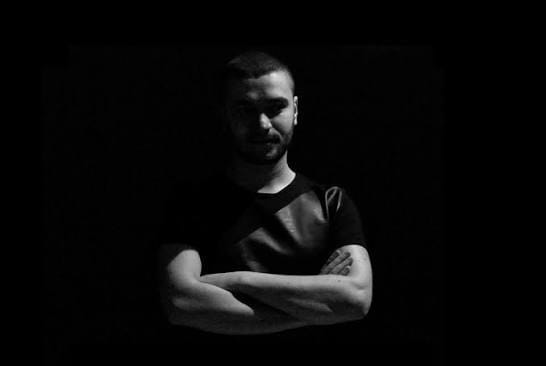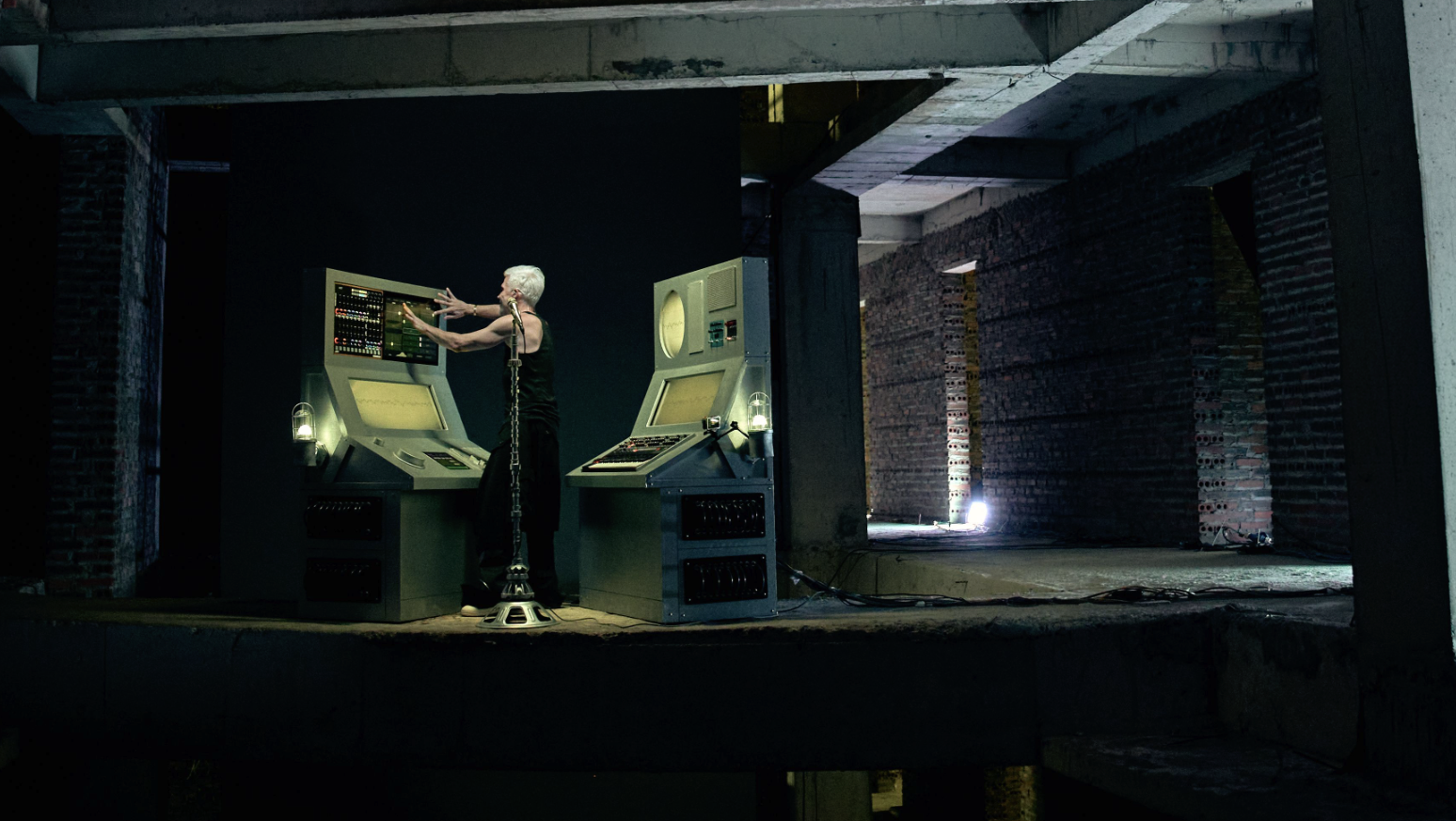
A particular kind of house music takes its cues from artists like Fred again.. and Elderbrook, where vocals and the small details around them matter as much as the synths and drums. British producer DÜKES (@)dukes.wav is exploring that territory with “KEEP Ü SAFE,” the first single from his forthcoming debut EP, Heartbreak House. T
e track combines intimate vocal recordings, melodic synth programming and the kind of emotional songwriting that draws as much from contemporary electronic music as it does from more traditional musical influences.
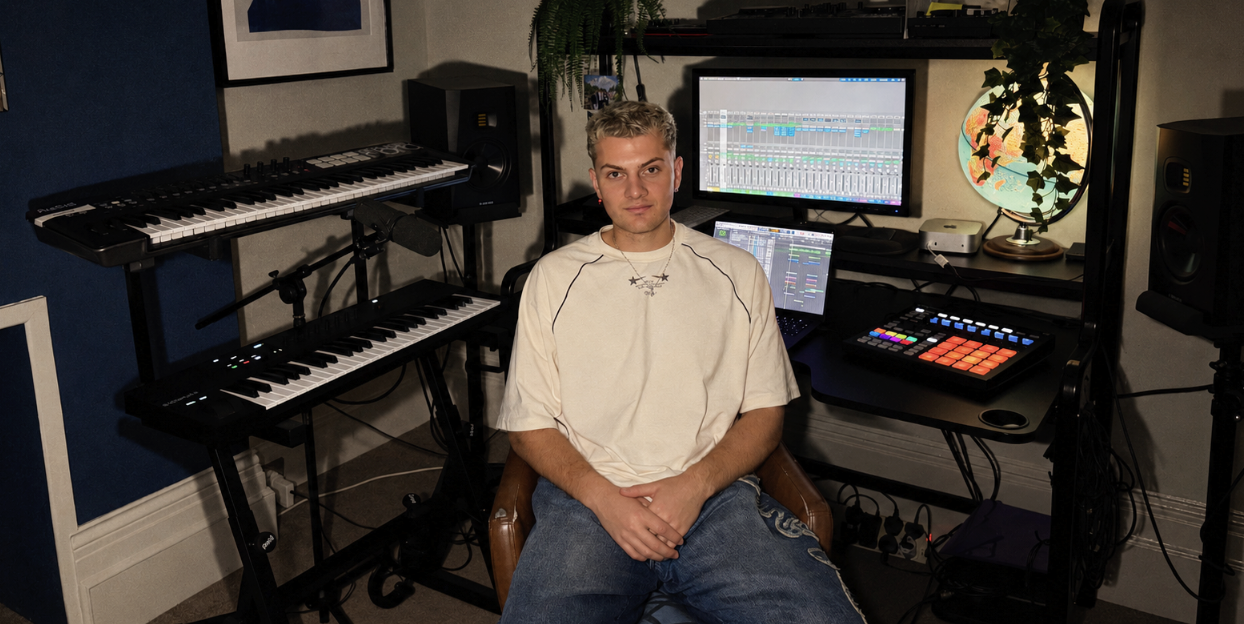
That combination reflects DÜKES’ background. Before moving into electronic production, he spent more than a decade studying piano, percussion, and choral music, eventually attending Trinity Laban in London, where he studied under drum-and-bass producer Rockwell.
Those experiences have shaped his approach to songwriting, particularly his interest in blending the musicality of his classical education with the production techniques of artists like Bonobo.
“KEEP Ü SAFE” has already passed 5,000 streams in its first week, alongside early radio and playlist support.
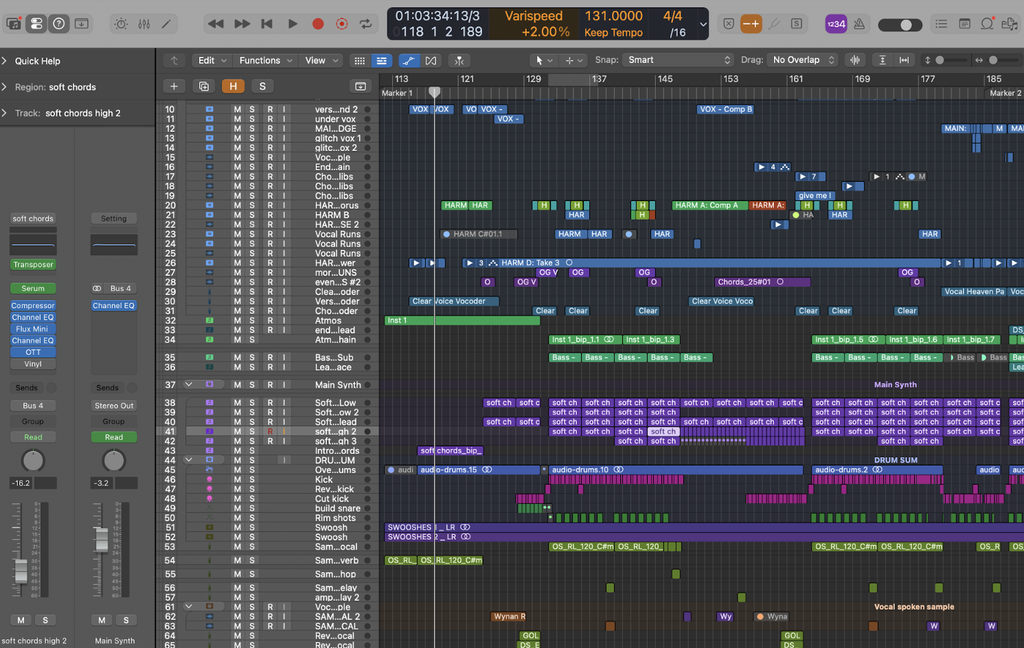
The production is an interesting example of what you can accomplish with a relatively small collection of plugins, especially when the emphasis is on automation and letting individual sounds develop over time. DÜKES built much of the record using the original Serum, processed spoken WhatsApp recordings with Airwindows Consolidated, and used Valhalla Supermassive to give the vocals a greater sense of space. He also produced into Cradle’s The God Particle on his stereo output, making decisions with the mix-bus processing already active.
Below, DÜKES explains how he made “KEEP Ü SAFE” and shares some of the lessons he’s taken from the process.
SERUM 1 (yes I know… but hear me out)
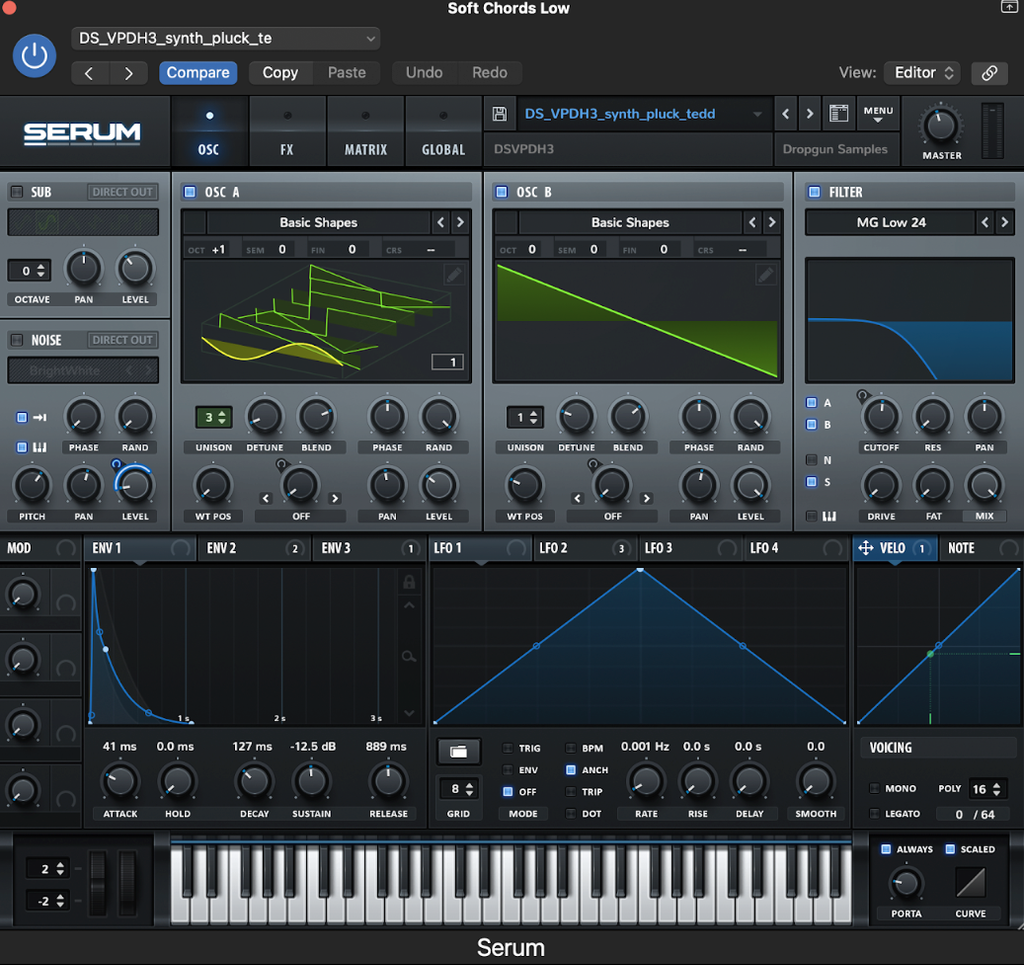
I now use Serum 2, but the main synth of this record was made before it came out, so our good old trusted Serum 1 did the majority of the heavy lifting. Serum is a standard wavetable synthesizer at its heart, which means that you can modulate between different waveforms rather than being stuck with a single one. There are two main oscillators, one sub and one noise oscillator, as well as plenty of filters and a very graphic modulation system where you can drag an LFO or envelope to whatever you want to modulate. The unison and detune controls are also crucial to being able to take a fairly bland sound and make it sound huge and wide in an instant…
For ‘KEEP Ü SAFE’ I used Serum for pretty much everything (Leads,Synths,Bass and atmos), starting with Dropgun Sample’s DS_VPDH 3 presets and then tweaking it quite a bit to actually fit the track (all credit to that entire pack, it’s nuts by the way). I automated the basics of filter cutoff’s and reverb/delay sends through different sections, which meant the sound could gradually open up towards the drop instead of just sitting there doing the same thing for three minutes. I also played around with the unison and detune to give it some extra width, while being a bit more careful with the low end so everything stayed tight. Outside Serum, I added PRO-Q 3, OTT, AIRWINDOWS (seriously underrated plug-in) LA2A, FLUX MINI 2 for a bit of fake sidechaining, to help it sit properly with the drums and vocals. For me, the actual Serum patch is usually only half the job… I find that most of the character comes from how you automate and process it afterwards.
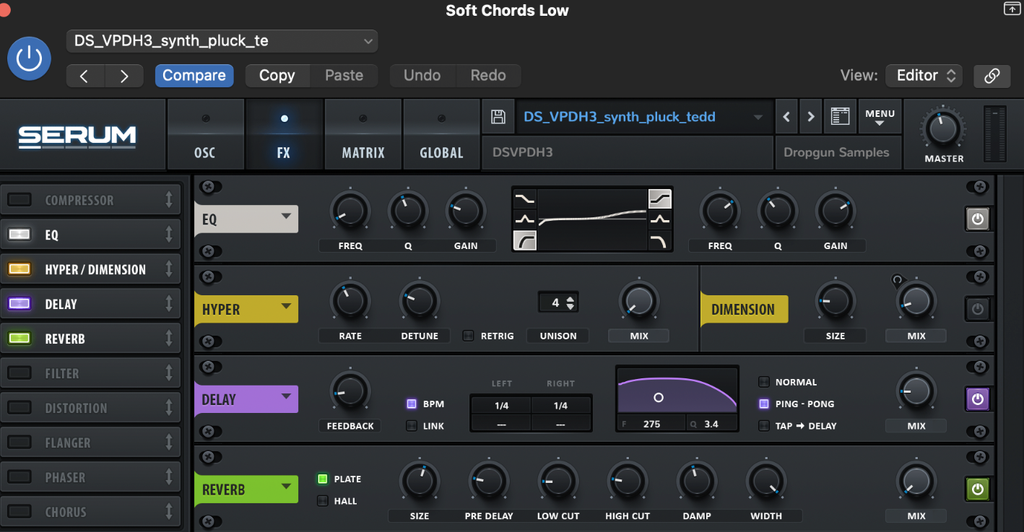
For anyone making house or indie-electronic music, I’d say don’t just find a preset you like and call it a day. These guys usually make these presets to be tampered with, SO DO IT. Even something really simple like automating the filter or wavetable position over eight or sixteen bars can make a loop feel way more alive and give you natural builds without having to constantly add new sounds. I’ve also learned that you really don’t need to use every feature just because it’s there.
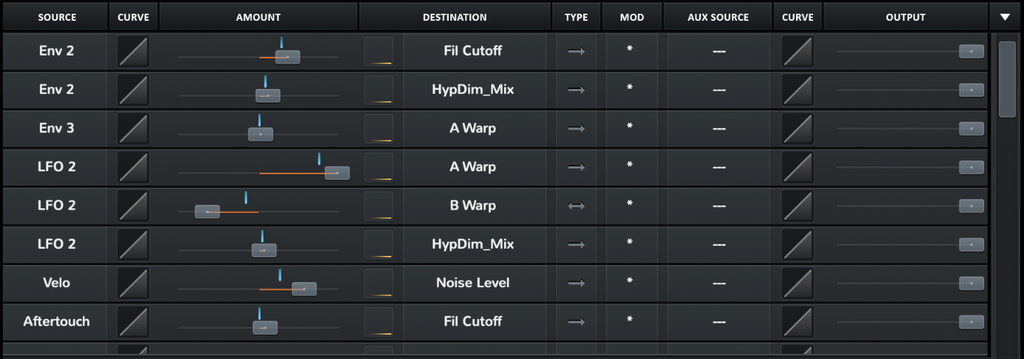
The downside of having a crazy digital wavetable synth is that a tiny unseen error can make a huge difference… So a simple patch with good unison, filtering and a couple of bits of modulation can do the trick. And definitely keep an eye on the low end when you start making things really wide, because Serum can go from sounding huge to absolute chaos very quickly.
AIRWINDOWS CONSOLIDATED

I mentioned Airwindows earlier, and there’s a good reason for it. I genuinely think it’s one of the most underrated plugins out there. It’s made by Chris Johnson, who over time has been creating these whacky little audio tools for years, and Consolidated basically brings a huge collection of them together into one plugin. The single plug-in offers a range of effects (not just a single reverb for example) and the craziest part is, IT’S COMPLETELY FREE!!! It doesn’t physically look ostentatious , but I think that’s almost part of the charm. The effort has gone into the actual sound design rather than the visual design, which feels far better.
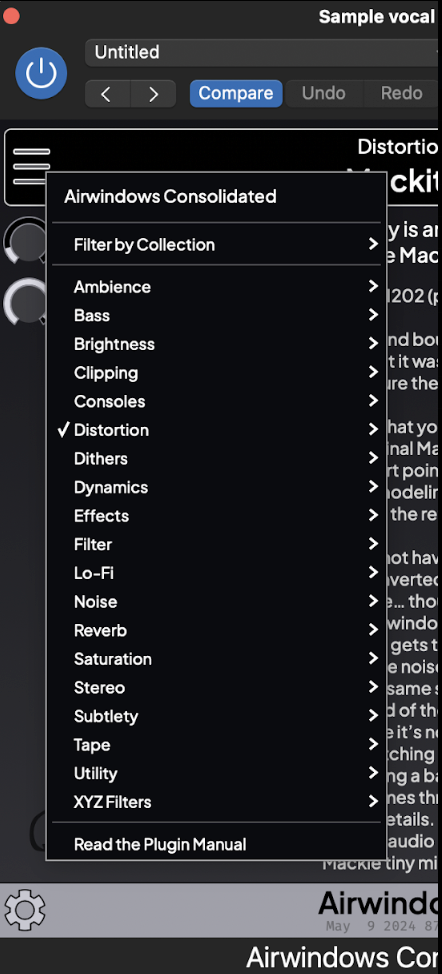
For this record, the two effects I kept coming back to were Tube2 Saturation and Mackity Distortion. Tube2 was used to add warmth and harmonics without completely changing the original sound (classic saturation), whereas Mackity was used on the spoken Whatsapp samples to give it a bit more attitude it lost from the iphone microphone. Due to the simplicity of the plug-in, I didn’t actually need to tweak it much, it was just a case of dialing it until I found the sweet spot. I then added some external EQ and Compression, whacked on that fake sidechain and boom, Bon Appetite!
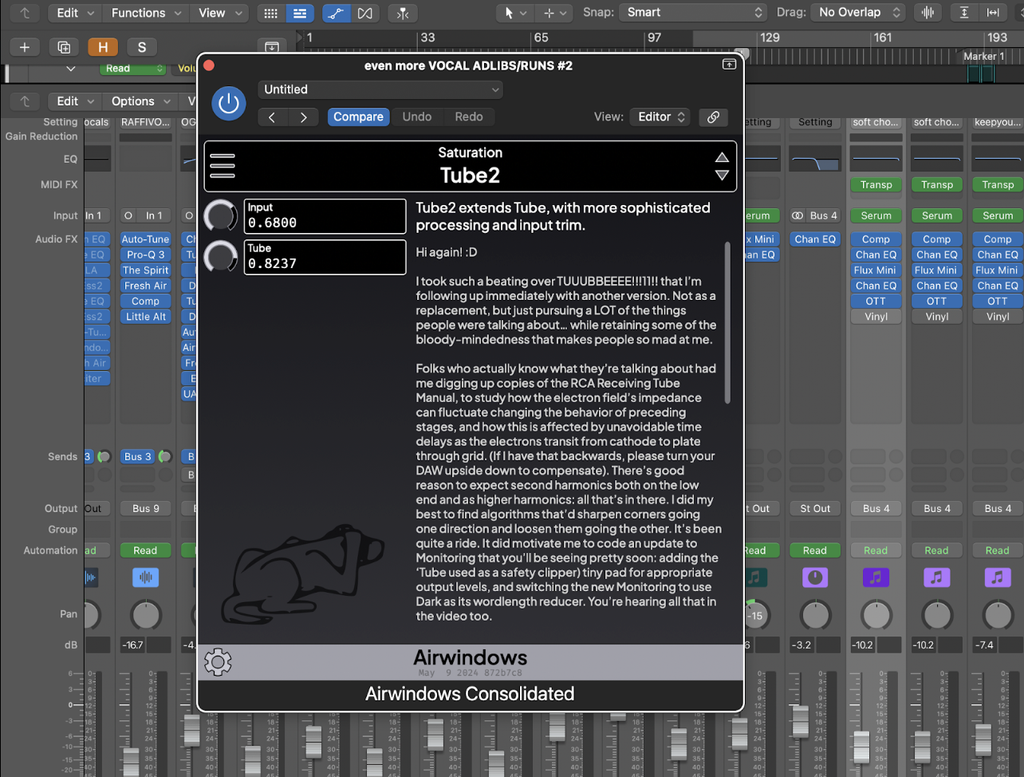
For all you house and indie-electronic producers, I would seriously recommend downloading Consolidated and spend some time going through it. Go on… it literally costs nothing. You never know, you’ll probably find a few weird favourites that do something your usual plugins don’t. Overall, I’ve found that using just a little bit across several sounds normally works better than absolutely destroying one thing with it.
Valhalla Supermassive
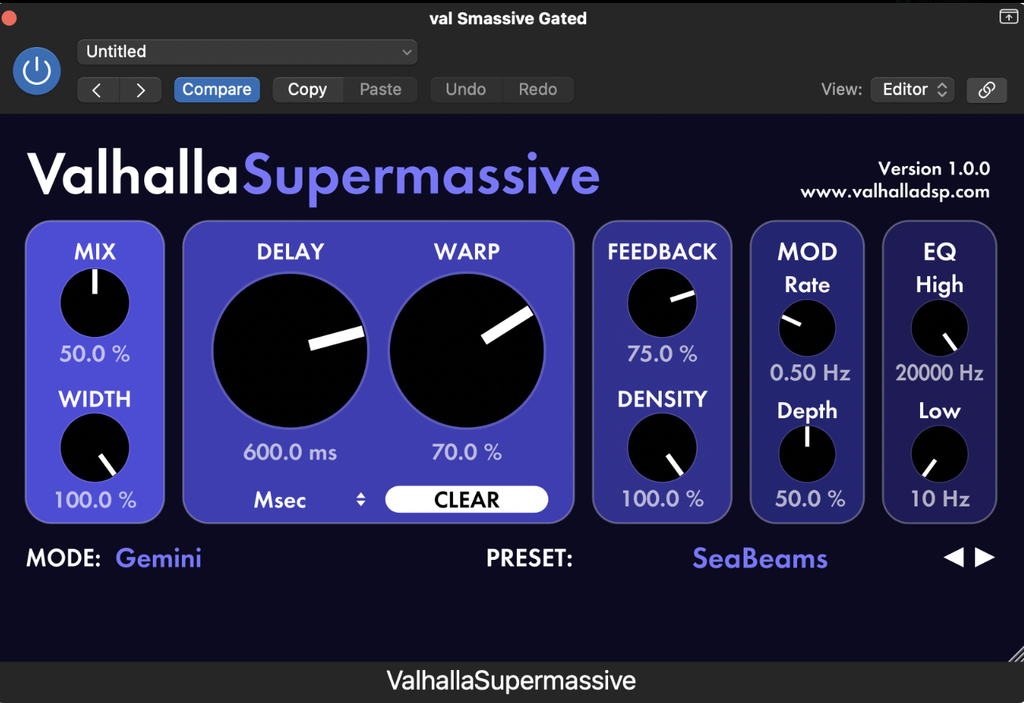
Valhalla Supermassive is another one of those plugins that’s a bit ridiculous considering it’s completely free. Made by the famous Valhalla DSP, it’s essentially a massive (and I mean massive) reverb and delay plugin designed for creating everything from fairly normal spaces to ridiculously huge, atmospheric washes. There are loads of different modes and presets to mess around with, but for me its biggest strength is how easily it can make something feel wider and more emotional without needing a ridiculously complicated effects chain.
On Keep Ü Safe, I actually used Supermassive on pretty much every vocal, specifically using the Seam Beams preset. I loved the space it gave the vocals, especially because I wanted them to feel quite intimate and close, but still sit inside this much bigger electronic world around them. Rather than absolutely drowning everything in it, I’d normally blend it in underneath the dry vocal and then EQ and compress around it depending on what that particular vocal needed. I also automated the amount in certain sections, especially around transitions and the bigger moments of the track, so the vocal could suddenly open up into this massive space without being swimming in reverb for the entire song. It’s definitely one of those plugins where I found a preset I loved and thought… yep, I’m putting that on everything.
For house and indie-electronic stuff especially, I think Supermassive is almost a no-brainer to have downloaded. My biggest tip would actually be NOT to use it at 100% just because it has the word “Supermassive” in the name. Blending a tiny amount behind vocals, synths or little bits of percussion can sometimes be way more effective. Automating it into drops, breakdowns and the ends of vocal phrases is also a really easy way of creating movement without adding another 50 layers to your project. And again… IT’S FREE!!! So you’ve really got no excuse. Go…go now! DOWNLOAD IT!
THE GOD PARTICLE – CRADLE

WOWZERS IN YOUR TROUSERS I LOVE THIS PLUG-IN…The God Particle is one of those plugins that does quite a lot without really making you think too hard about what’s going on under the hood. It was made by Cradle with producer and mix engineer Jaycen Joshua, and essentially combines a load of the stuff you’d usually have sitting across your mix bus into one place. For me though, the important bit is just that it gives everything that extra bit of weight, glue and excitement ridiculously quickly. It’s not necessarily there to magically fix your mix, it just makes everything feel a bit more like a record.
I actually first heard about it through a good mate of mine Raffi Maxwell who recommended it to me (check him out, he’s an awesome songwriter), but I think it was clarified for me when I heard Disclosure talking about it on their Tape Notes podcast. Hearing producers whose records I’ve referenced for years using it made me think, ‘okay… maybe there’s actually something in this’. It can add a surprising amount of weight, width and clarity very quickly, which is probably why I find it slightly addictive.
For Keep Ü Safe, I had The God Particle sitting on my Stereo Out while I was actually producing the track, rather than using it as the final mastering process. I pretty much leave it on its default settings and produce into it, which is actually similar to the philosophy behind the plugin, the default settings are Jaycen Joshua’s own settings, and he makes his adjustments before the signal reaches it. For me, that’s where it becomes more of a creative tool than just a mixing plugin, because I’m making decisions while hearing the track with that extra weight, glue and energy already there. It especially helps when building drops because I can immediately hear whether the kick, bass, vocals and synths are actually working together with that extra bit of pressure behind them. The final record obviously gets properly mixed and mastered separately, but while I’m producing, The God Particle gives me something exciting to work towards.
For other house and electronic producers, I’d genuinely recommend trying something like this on your Stereo Out while you’re creating, rather than waiting until the track is completely finished. I find I make completely different production decisions when the track already feels big and exciting, and honestly, it’s just more fun producing when everything sounds massive. The only danger is becoming too reliant on it, so I’ll occasionally bypass it to make sure the actual mix underneath isn’t completely falling apart. Use it as inspiration rather than something that’s going to magically fix your mix at the end… It won’t save you from everything… (ending this one on a slightly spooky note)
Quick Tips And Takes From DÜKES
Hot Take #1
I think live performance is only going to become more important, especially with AI becoming such a big thing in music. People want to see something real happen in front of them, where something could happen that you’d never get at another show.
Hot Take #2
Never delete a project just because you think it’s shit or it isn’t going anywhere. There might be one synth, one vocal line or even one tiny idea in there that you suddenly realise works perfectly in something else months later.

Hot Take #3
I think artists should be thinking about the live show while they’re actually writing the music, rather than figuring it all out afterwards. I’m always thinking, “How could I actually do this live, and how could I make it more interesting than just pressing play?”

Hot Take #4
I don’t really believe in trying too hard to “find your sound.” If you keep making music and trying loads of different things, eventually you’ll realise there are certain sounds and ideas you naturally keep coming back to, and that becomes your sound.
Hot Take #5
I don’t think AI should be writing music for us, but equally, it’s not just going to disappear because we don’t like it. I actually think it’ll make the process of creating music way more important, because people will care more about how something was made and the person behind it.

Will Vance is a professional music producer who has been involved in the industry for the better part of a decade and has been the managing editor at Magnetic Magazine since mid-2022. In that time period, he has published thousands of articles on music production, industry think pieces and educational articles about the music industry. Over the last decade as a professional music producer, Will Vance has also ran multiple successful and highly respected record labels in the industry, including Where The Heart Is Records as well as having launched a new label with a focus on community through Magnetic Magazine. When not running these labels or producing his own music, Vance is likely writing for other top industry sites like Waves or the Hyperbits Masterclass or working on his upcoming book on mindfulness in music production. On the rare chance he's not thinking about music production, he's probably running a game of Dungeons and Dragons with his friends which he has been the dungeon master for for many years.