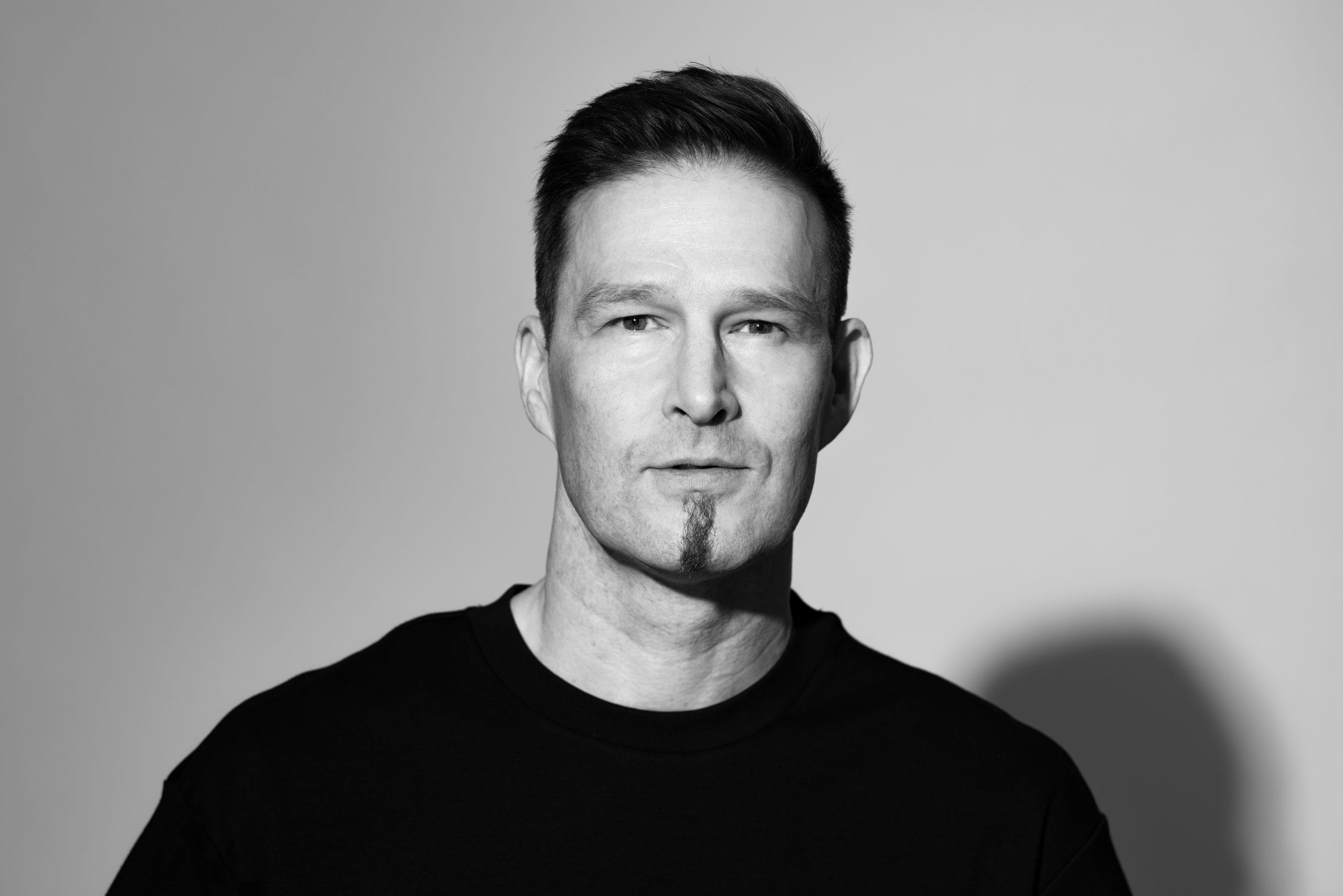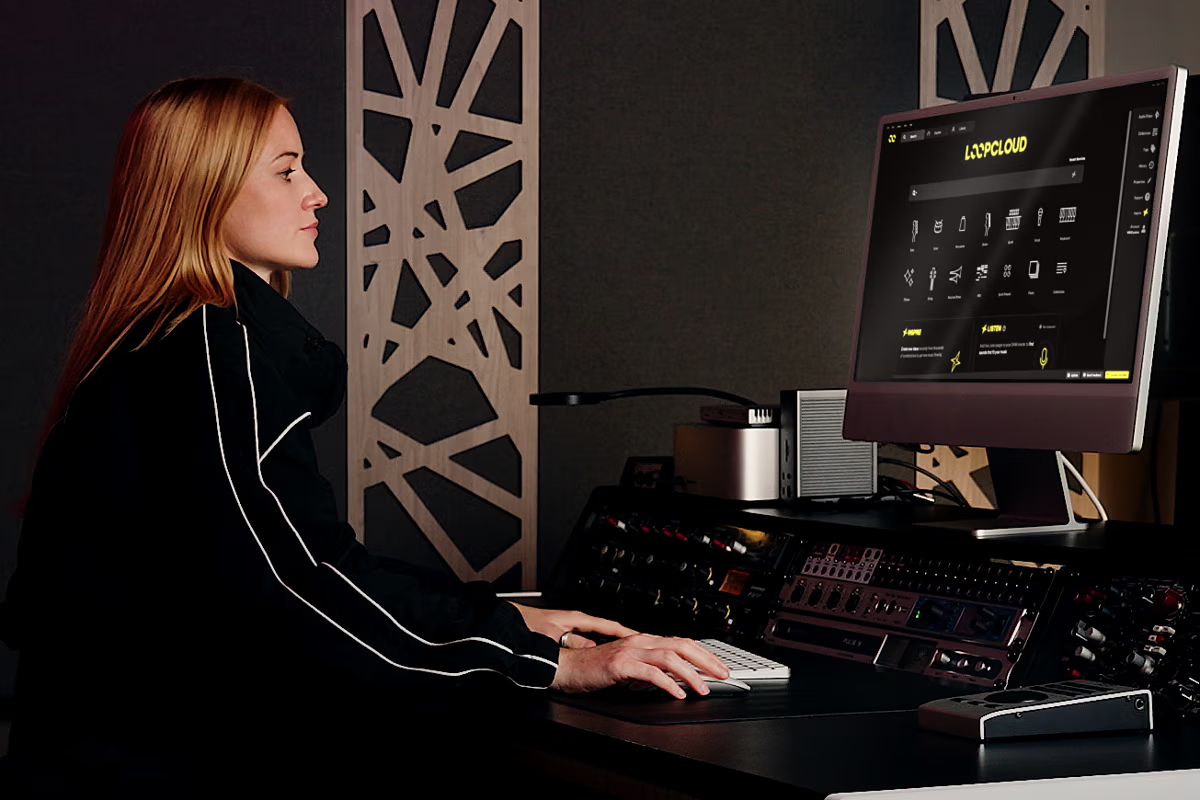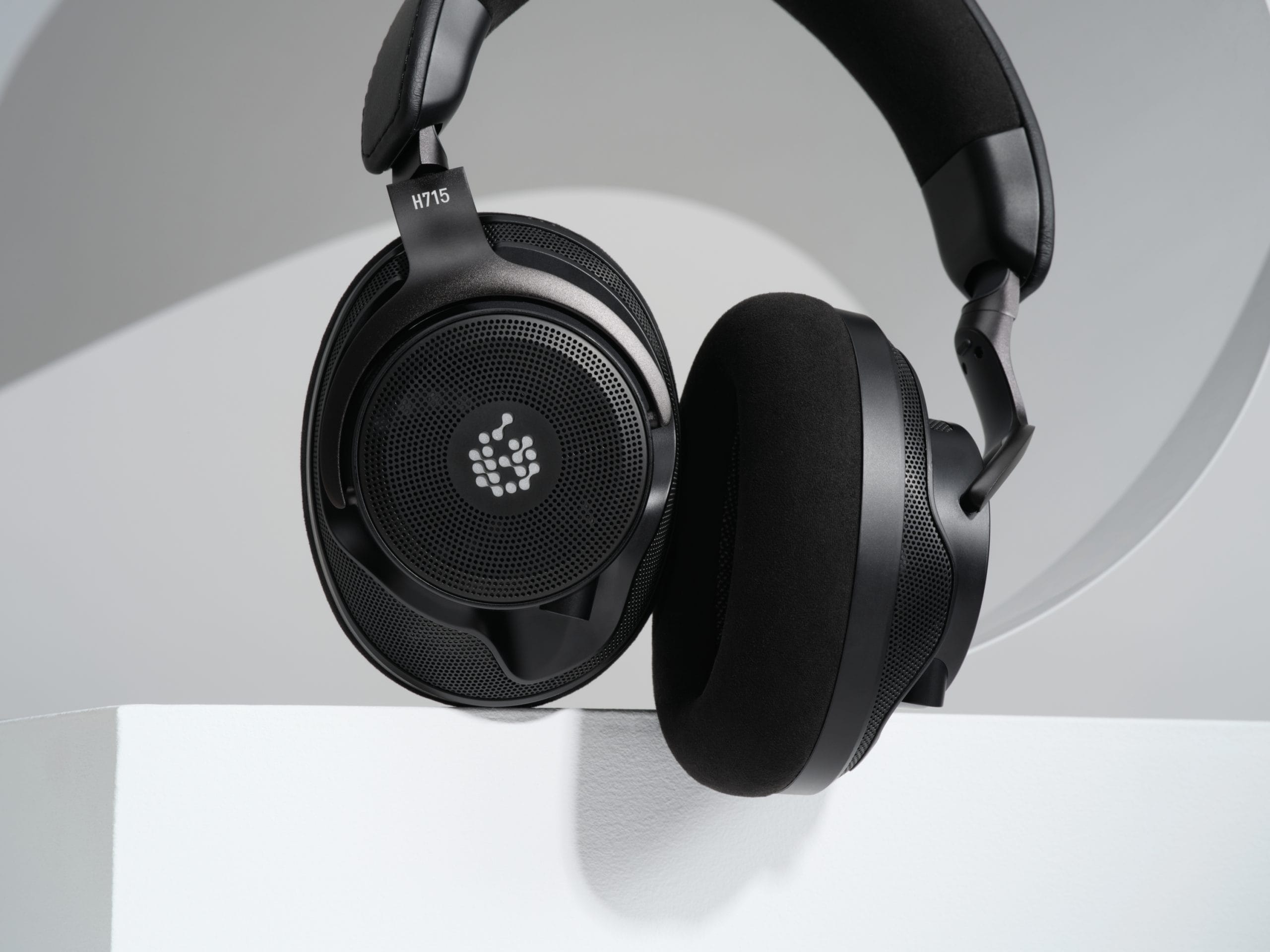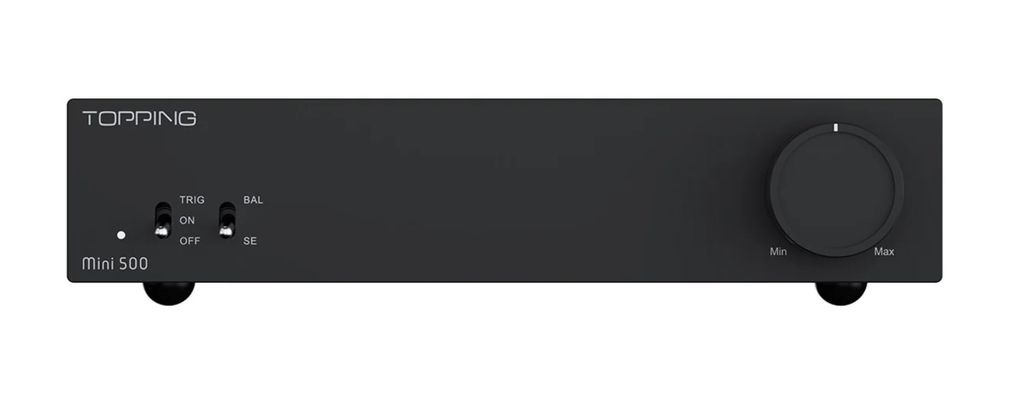
David Penn (@djdavidpenn) has spent over three decades making house music, yet one detail in his production process has remained consistent: he wants to move quickly when an idea appears. That explains why his production setup for “Talk To Me” centers on software that lets him get ideas into the DAW without spending unnecessary time setting up complicated chains.
Released alongside UK producer-vocalist duo House Of Molly, “Talk To Me” lands today on Cr2 Records on August 21. The record takes its lyrical idea from the point in a relationship where communication starts disappearing, while its production keeps things firmly aimed at the club. House Of Molly also drew on early East Coast hip house during the writing process, giving the vocal an influence that extends beyond contemporary house.
That combination puts plenty of responsibility on the production underneath it.
Penn has to leave enough room for the vocal while keeping the low end and percussion moving, then use processing and automation to create changes without crowding the arrangement. His setup includes Studio One 7, Rob Papen SubBoomBass 2, Arturia CS-80 V, AIR Stutter, Endless Smile and several longtime mixing choices.
Below, David Penn explains the production setup behind “Talk To Me.”
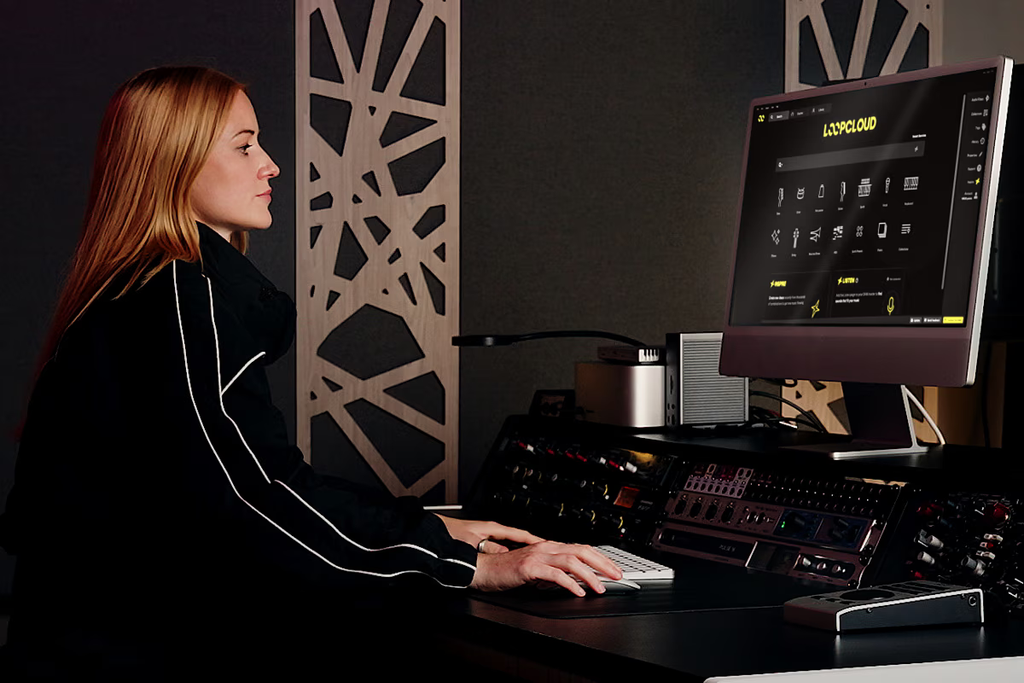
PreSonus Studio One 7
I used Logic Audio until 2014, when a good friend of mine, Hosse, recommended Studio One while we were making a track called ‘Con Son’. I wasn’t particularly excited about changing, but I gave it a try.
Since then, I haven’t used Logic Audio again. The way you can listen to audio libraries in real time while working was something Logic wasn’t able to offer, and it saved me a lot of time. I always say that inspiration may only last for a couple of hours, so you need to get all your ideas down quickly and decide which ones are good later.
This DAW accelerated my production process and has many features that make the workflow easier, including automation, compatibility with all plugins and stability. The audio quality is also very good, so I’ve used it for all my productions ever since. Studio One was recently acquired by Fender, and Studio One 8 has now been renamed Fender Studio Pro, but I’m still using version 7.
Rob Papen SubBoomBass 2
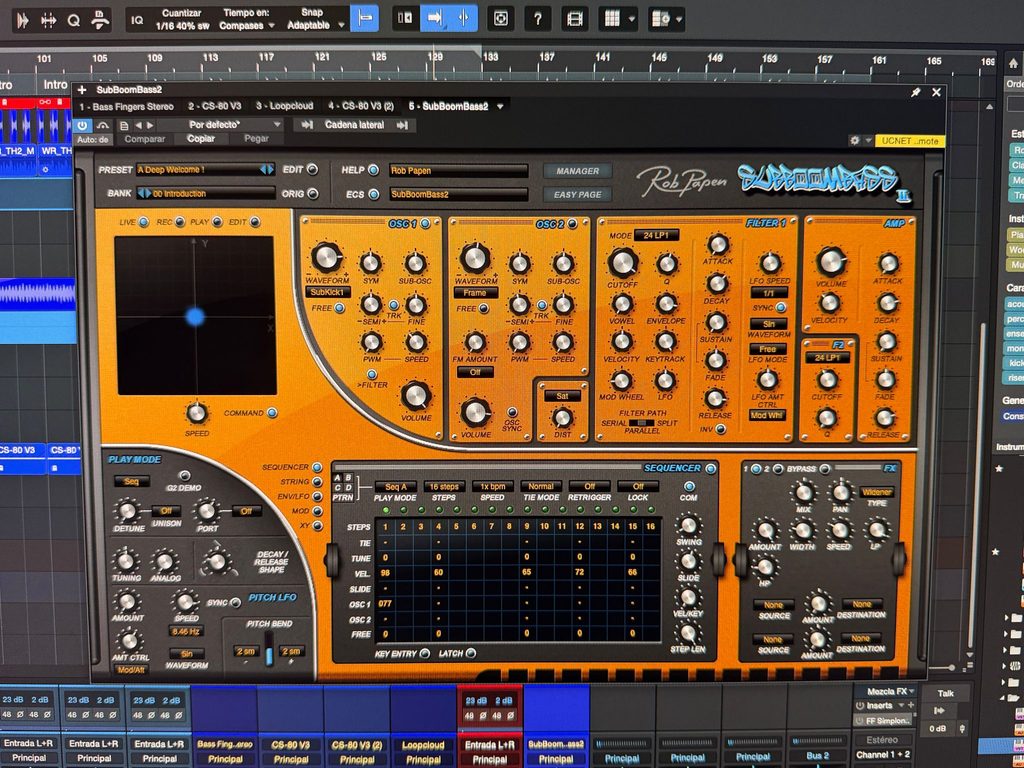
This is the synth plugin I normally use for bass sounds. It has an extensive library and the sound quality is excellent. I used it for the bassline on this track.
I also distorted it using an old plugin called CamelPhat and used ShaperBox 3 to sidechain the sound with the kick, ensuring that the kick and bass frequencies work smoothly together.
I also use a plugin called Bass Fingers by Waves when I want a more realistic bass sound. Another plugin I like is Trilian by Spectrasonics.
Check out SubBoomBass 2 on Plugin Boutique
Arturia CS-80 V
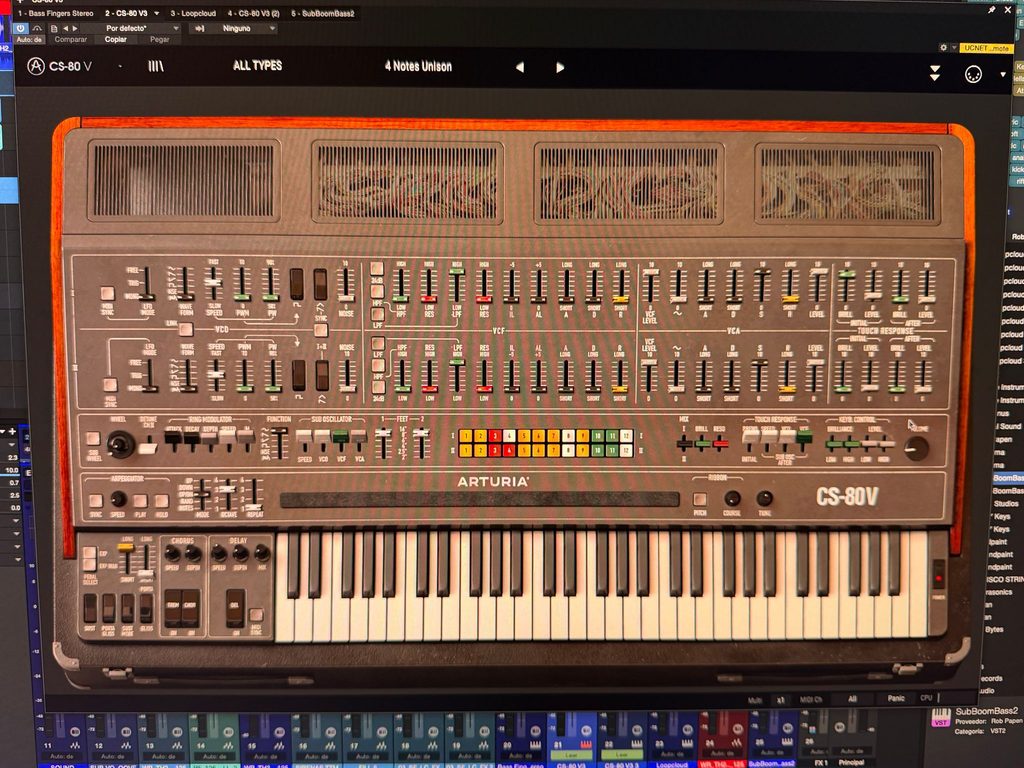
Arturia’s synths are very good. On this track, I wanted to emulate a siren using the ‘4 Notes Unison’ preset and applying pitch automation to achieve that effect. In some sections, you can hear the sound being cut into a rhythmic pattern using the AIR Stutter plugin.
Check out Arturia CS-80 V on Plugin Boutique
AIR Stutter
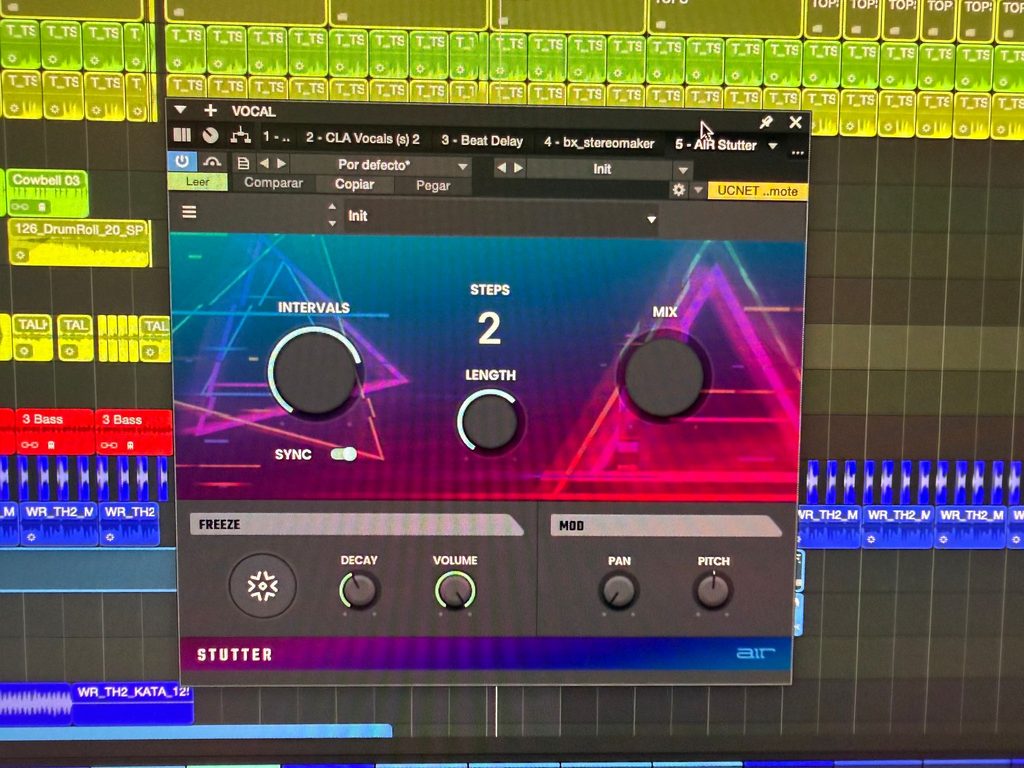
AIR Stutter is a rhythmic effects plugin by AIR Music Tech designed to slice, stutter and glitch audio with precise rhythmic control. It functions as a linear rhythmic gate that divides incoming audio into repetitive steps, allowing me to create complex textures, glitchy patterns and dynamic rhythmic layers.
I also use it on the vocals at the end of the break. A lot of producers are using this kind of effect at the moment. In the past, I had to cut the audio into many separate pieces, which made creating this type of effect much more complicated. This plugin now makes it quick and effective.
Endless Smile
Endless Smile is a multi-effect audio plugin developed by Dada Life, designed specifically to create tension, build-ups and risers in music tracks.
I use it in many of my productions to filter frequencies and add reverb. Before I had this plugin, I needed to automate two separate plugins, one for filtering and another for reverb. Endless Smile makes the process much easier and faster.
Breverb 2 by Overloud

This is one of the reverb plugins I regularly use in my productions. It gives me plenty of options and the sound quality is professional.
True Pianos by 4Front and M1 Piano

I didn’t use a piano on this production, but I wanted to mention these plugins because many producers have asked which piano sounds I use.
I normally use a piano from TruePianos to provide the lower frequencies and layer it with the M1 Piano, which has more presence in the midrange. Combining the two gives me a bigger piano sound.
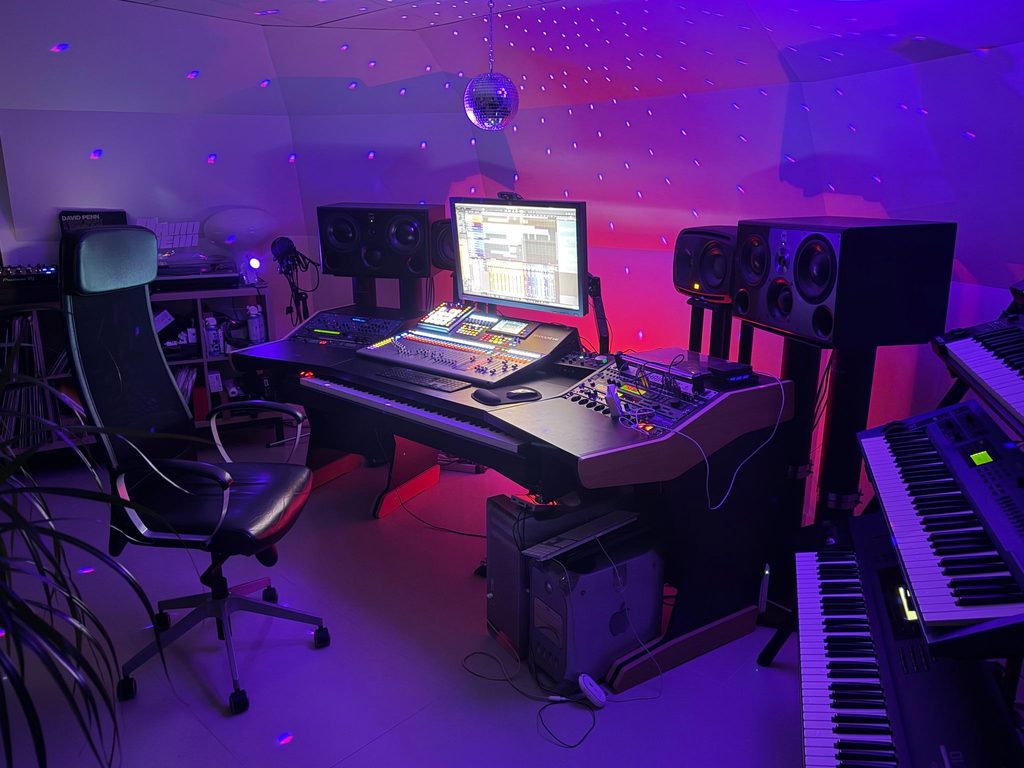
Monitoring With ATC SCM45A

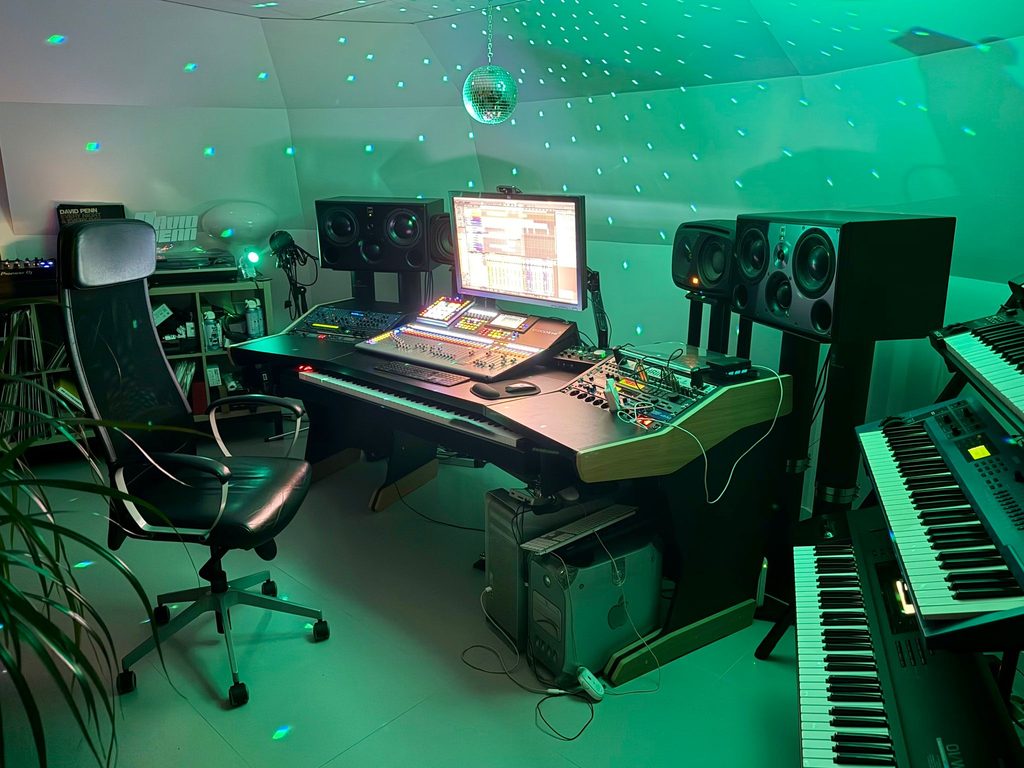
I used Event Opal monitors for many years, but a few years ago I bought the ATC SCM45A monitors, and they have been one of my best investments. They are handmade in the UK and provide the perfect midrange clarity for identifying problematic frequencies in a mix.
Tips and Trick From David Penn
Hot Take #1: As I started my career more than 30 years ago, I have lived through the evolution of electronic music, from pressing vinyl and applying stickers one by one to now needing to do much more to stay relevant.
Honestly, I love making music and playing it for people, but social media bores me. It now feels more important to be well known than to make good music. In my case, I continue making what I need to express rather than following trends.
Hot Take #2: I think many producers today aren’t demanding enough of their productions. When I started in 1993, we had to press vinyl, invest our own money and try to sell it. We had to be demanding because otherwise we would lose our investment.
Now, I feel that there is a lot of unfinished music that can’t stand the test of time. The worst part is that the sheer amount of bad music being released makes good music more difficult to find.
Hot Take #3: KPD is a Spanish producer and one of my best friends. I’ve made many tracks with him, including ‘Ain’t Got No’ and ‘Get Yourself Together’, to name a few. He is releasing a lot of music at the moment, and I recommend that DJs keep an eye on him.
Milton Shadow is another producer who has impressed me recently. He is building a strong catalogue of good music and is another name to watch.
Hot Take #4: The use of AI is a recurring conversation at the moment. I think it can help generate ideas, but I don’t like how large companies can use it to saturate the market and make everything sound similar.
I found information online suggesting that Suno had scanned around 178 of my tracks without my permission. We will have to see where this goes, but I think the rules need to be clear.
Hot Take #5: As I said before, I try to follow my own path. I don’t pay much attention to trends because I’m in music to express what I feel. I mainly make house music, and I want to continue enjoying what I do.
EDM was a major trend several years ago, but I stayed on my own path. I’m still here, making the music I want to make.


Will Vance is a professional music producer who has been involved in the industry for the better part of a decade and has been the managing editor at Magnetic Magazine since mid-2022. In that time period, he has published thousands of articles on music production, industry think pieces and educational articles about the music industry. Over the last decade as a professional music producer, Will Vance has also ran multiple successful and highly respected record labels in the industry, including Where The Heart Is Records as well as having launched a new label with a focus on community through Magnetic Magazine. When not running these labels or producing his own music, Vance is likely writing for other top industry sites like Waves or the Hyperbits Masterclass or working on his upcoming book on mindfulness in music production. On the rare chance he's not thinking about music production, he's probably running a game of Dungeons and Dragons with his friends which he has been the dungeon master for for many years.