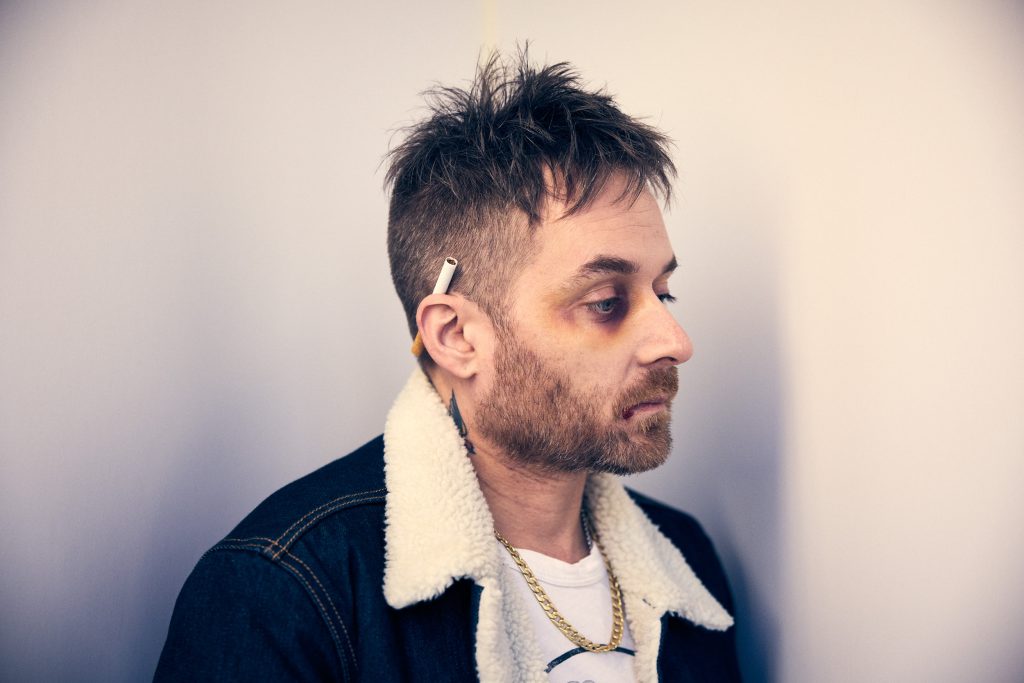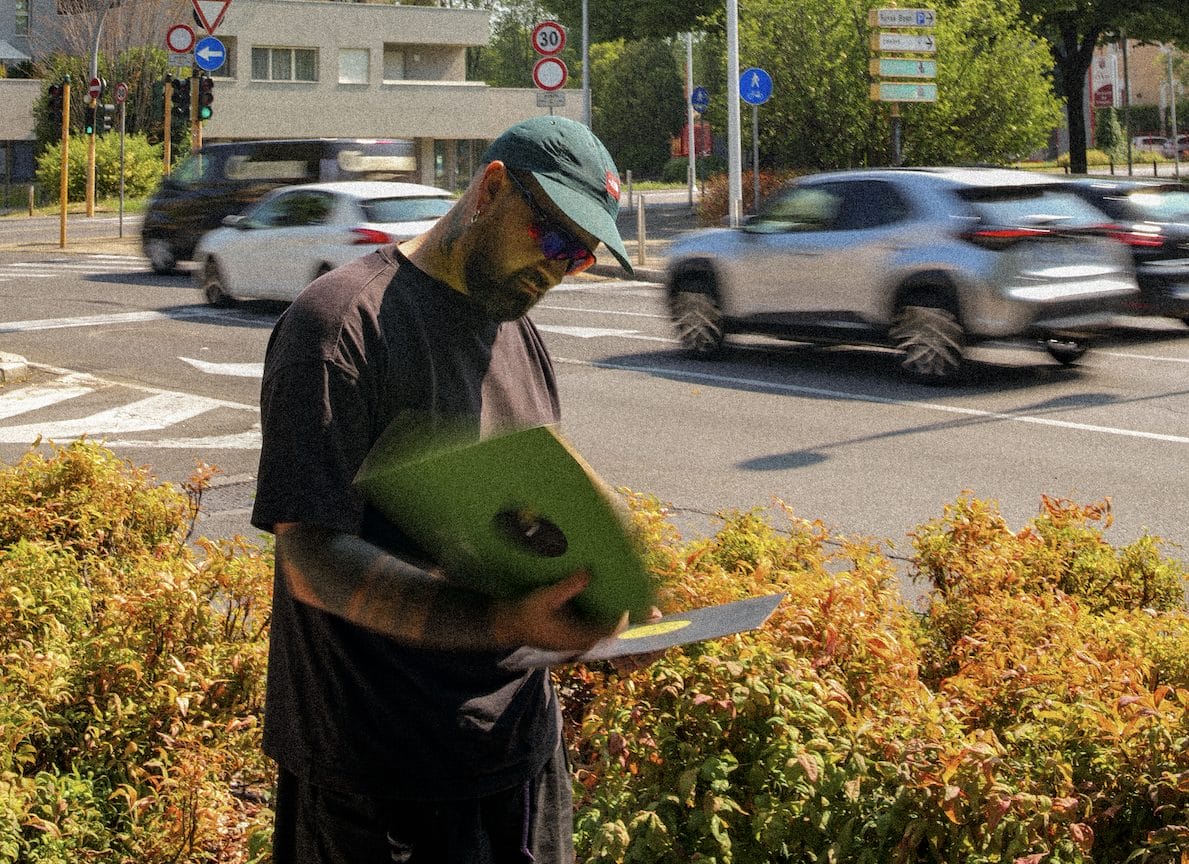
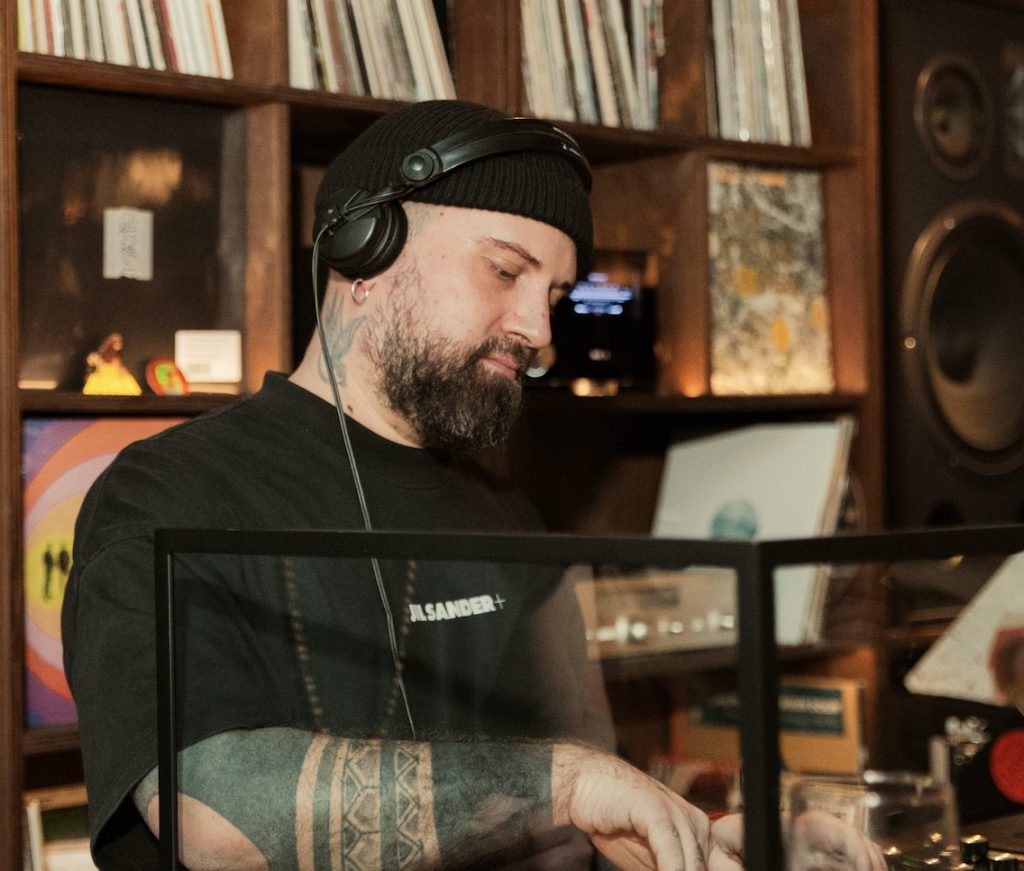
Federico Baracco‘s (@federico.baracco) Tribute” appears on Rebirth 20 Part Two, out now as of August 7, as part of the label’s 20-year anniversary project. The compilation looks deeper into the Rebirth Records catalog and community, bringing together long-standing label artists, hidden catalog pieces, and contemporary reinterpretations from names including Corrado Bucci, Chromatic Filters, Blue Mondays, Matteo Gamba, Memo Framed, Afriqua, Red Axes, Soul of Hex, Darren Emerson, Valentino Kanzyani, Ramonpang, and others.
Baracco’s answers for this interview are short, direct, and centered on the kind of creative growth that usually happens outside the release cycle. He talks about gaining confidence, caring less about outside opinion, resisting passing trends, and building a routine that keeps the work from becoming unsustainable. That makes his presence on Rebirth 20 Part Two feel tied to the quieter side of the anniversary: the habits, perspective, and personal discipline that let artists keep making work that still feels like their own.
There is a clean throughline between “Tribute” and the way Baracco describes his creative life. He is less interested in dressing up the process with big statements and more focused on staying close to the basics: make music you genuinely like, protect your values, and give yourself enough structure to keep going.
For a compilation built around 20 years of creative relationships, that perspective fits the larger Rebirth story well.
Interview With Federico Baracco
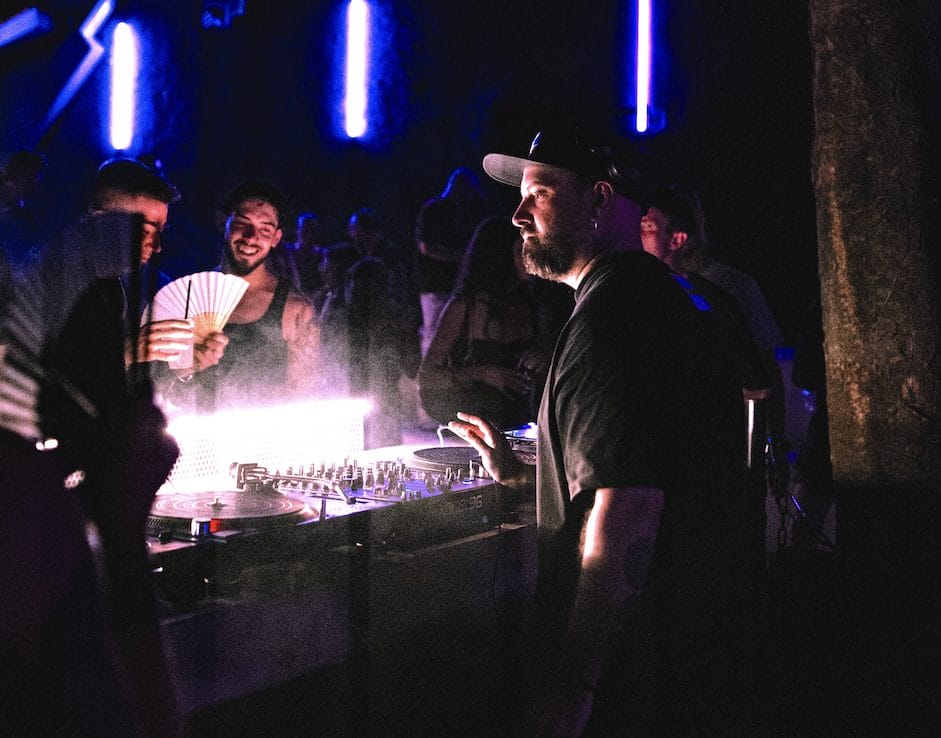
How have changes in your life outside the booth influenced the way you approach a set?
As time goes by, I think it’s only natural for your perspective to change, both when it comes to music production and DJ sets.
As you’ve grown as an artist, what habits have you refined or let go of in your creative process?
Over the years, I’ve gained much more confidence in myself. I used to care too much about other people’s opinions, but now the most important thing is that I genuinely like the music I create.
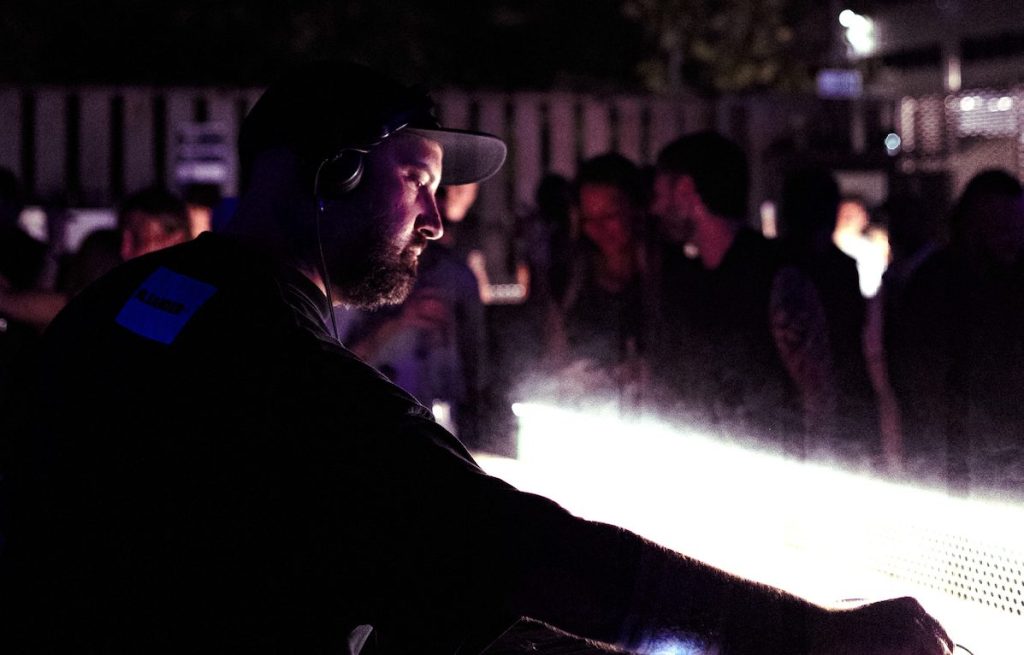
As you evolve as an artist, how do you stay connected to what makes your work authentically yours?
I try not to be influenced too much by technology or passing trends. I stay true to my values and keep following my own path.
In what ways has your understanding of yourself as an artist changed over time?
The most important thing is building confidence in yourself, both as a person and as an artist.
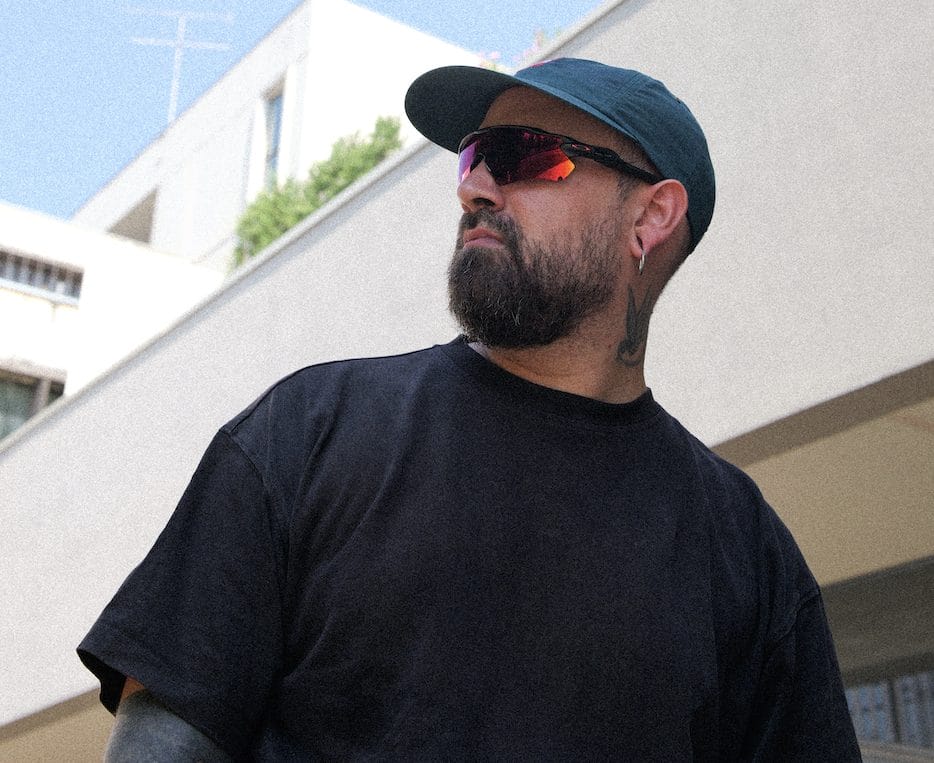
How have you structured your life to support your creativity without burning yourself out?
Balancing studio time and social life is always the hardest part. Like everyone else, I have my highs and lows, but setting a routine and sticking to specific working hours has saved me many times.
What’s The Big Takeaway From Our Converation With Federico Baracco??
Baracco’s answers are brief, but they give the piece a clear center: confidence changes how an artist hears their own work. Early on, outside opinion can sneak into the creative process until every decision feels like it needs approval from someone else.
Baracco points toward a healthier place. The work gets steadier once the artist can say, with some conviction, “I like this,” and keep moving without needing every metric or peer reaction to confirm the decision.
That connects with my interview with Jonas Saalbach on rediscovering his sound and debuting on Purified Records, where he talked about following instinct and making what he personally loves. It also echoes my conversation with Goeran Meyer on DJing as refuge and introducing the Unlined EP, where the focus was steady evolution and staying true to a sound that reflects who he is rather than whatever is currently trending.
Baracco is coming from the same basic place: authenticity gets easier to protect when you stop letting every outside signal steer the work.
His point about routine gives the interview its most grounded lesson.
Creativity is often sold as a spark, but most working artists eventually learn that sparks are unreliable. Studio time has to live beside social life, health, travel, and the rest of being a person. Baracco says that setting a routine and sticking to specific working hours has saved him many times, and that lines up with my interview with Wave Wave on touring reality, pressure, and routine, where the less glamorous parts of the artist life were the exact things that kept the project moving.
I also thought about my piece with Dale Howard on fatherhood, COCO, and the long game in house music, because that conversation dealt with how life outside the studio can reshape the way an artist uses their time. Baracco’s version is quieter, but the lesson is similar. Perspective changes as life changes, and the artist has to build a process that can survive those changes without losing the thread.
That may mean caring less about outside opinions. It may mean protecting working hours. It may mean accepting that highs and lows are part of the job rather than proof that the work is failing.
That is why “Tribute” feels like the right kind of contribution to Rebirth 20 Part Two. A 20-year label anniversary can easily become a list of names and tracks, but Baracco’s answers pull it toward the private habits behind the catalog. Records keep appearing because artists keep returning to the work with clearer ears, better boundaries, and a steadier sense of what they actually want to say. That is the real takeaway here: longevity starts when the artist’s own approval becomes the first filter, not the last one.

Will Vance is a professional music producer who has been involved in the industry for the better part of a decade and has been the managing editor at Magnetic Magazine since mid-2022. In that time period, he has published thousands of articles on music production, industry think pieces and educational articles about the music industry. Over the last decade as a professional music producer, Will Vance has also ran multiple successful and highly respected record labels in the industry, including Where The Heart Is Records as well as having launched a new label with a focus on community through Magnetic Magazine. When not running these labels or producing his own music, Vance is likely writing for other top industry sites like Waves or the Hyperbits Masterclass or working on his upcoming book on mindfulness in music production. On the rare chance he's not thinking about music production, he's probably running a game of Dungeons and Dragons with his friends which he has been the dungeon master for for many years.





![How It Was Made: Lang Father i(Junkyard Dog) [Welofi]](https://magneticmag.com/wp-content/uploads/2026/10/Press-Pic_2-1024x576.jpg)