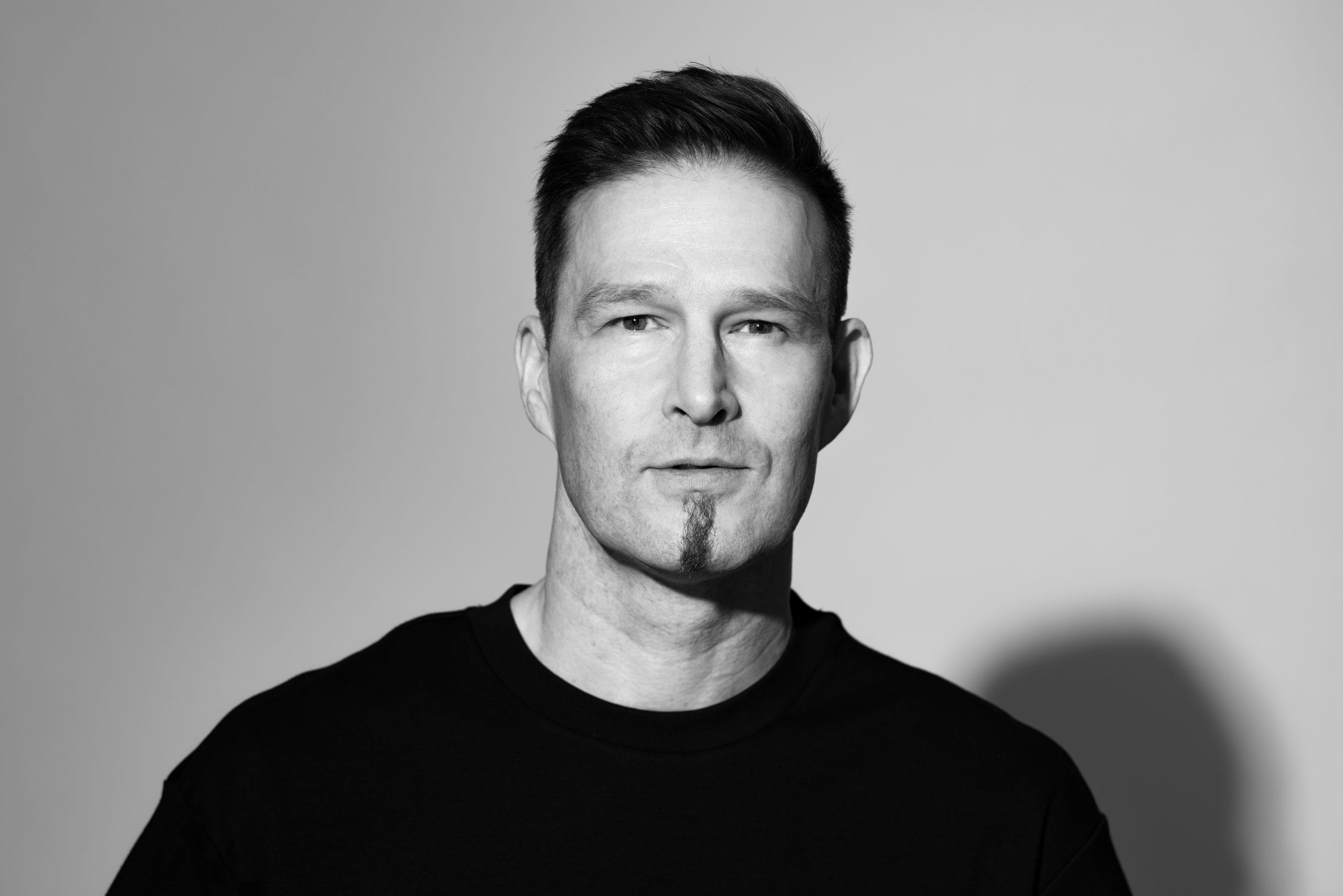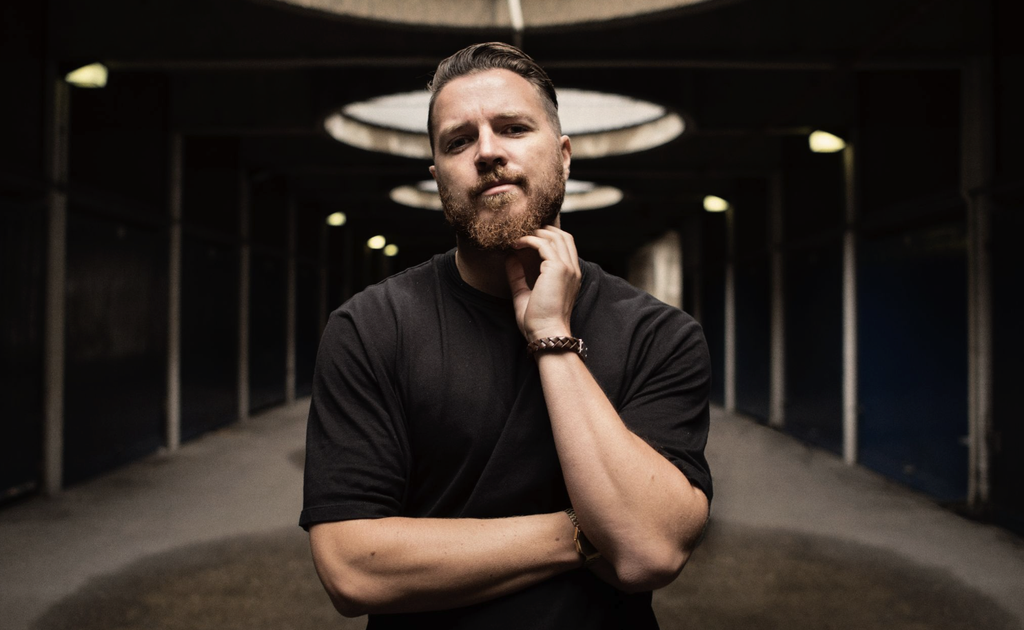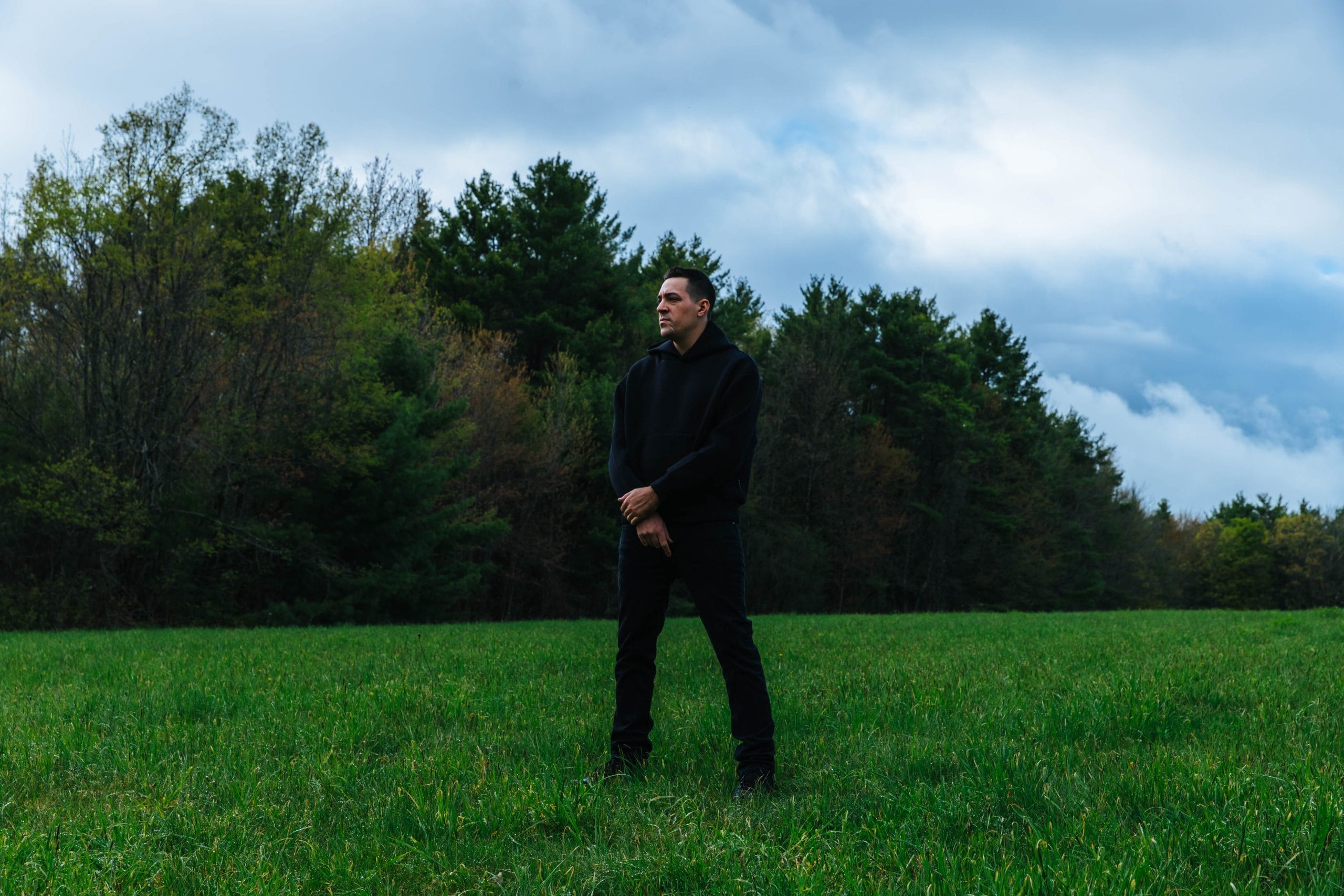
Echoes from Jack Willard (@jackwillardmusic) sounds like the kind of debut album that could only come from someone trying to make a real life fit around a record. The Boston-based producer, songwriter, and musician wrote it while working a corporate job, starting a family, and moving a yearlong release campaign forward on Colorize. That context gives the album a different kind of pressure. It is not just eleven tracks of melodic electronic music. It is the result of learning how to finish something large while the rest of life keeps asking for attention.
The album began with piano sketches. Around the time Willard was finishing his Patterns EP, he sent roughly 20 ideas to the Colorize team, then watched the record start changing as vocalists and collaborators entered the process. What began as a more personal writing exercise became a wider collaborative project with MØØNE, Little Foot, Ava Sofia, Matthew Adam Green, JOSEFINA, and Guy Didden, with songs like “Light Shines,” “Move With Soul,” “Give Up The Ghost,” “Waiting,” and “Searching For You” gradually mapping out the world of the album before its full arrival.
That makes Echoes a fitting title, because the record keeps bouncing between versions of Willard: the pianist, the producer, the sound designer, the collaborator, the mix obsessive, and the live performer.
In our discussion with him that follows, Willard talks about building more than 200 Serum patches, learning to trust collaborators, using analog-style EQs, writing around vocals, finishing an album outside full-time music hours, and why “Call To Me” with MØØNE may be the clearest picture of what he wanted to do when he first started producing.
Interview With Jack Willard

Now that Echoes is finally out, does the finished album feel like what you originally imagined when you first started working on it, or did it become something quite different along the way?
It has become way different, in a good way. The album really unfolded as a process of discovery. The initial piano sketches became the blueprint for many of the tracks, while I gave the vocalists I worked with space to develop their own ideas. It became a very collaborative process rather than a top-down approach.
The process really started around the time I was releasing my Patterns EP last year. That summer, I had the chance to play shows in Toronto and New York, which got me excited about getting back into the studio and making some higher-energy music that I could play live. You can hear that evolution in some of the later additions to the album, particularly “Time” and “Over & Over” with Guy Didden.
In that sense, the album ended up reflecting where I was creatively at different points during the process, rather than trying to fit everything into the idea I had at the beginning.

You’ve mentioned that you created more than 200 Serum patches during the making of the album. Were there particular sounds or production techniques that ended up becoming part of the identity of Echoes?
Definitely. With synth sounds in particular, I tend to tweak and obsess over the details. With sounds I make myself, I’ll often tweak and automate them extensively until they feel alive and become part of the track. Two key ingredients for me are movement and saturation.
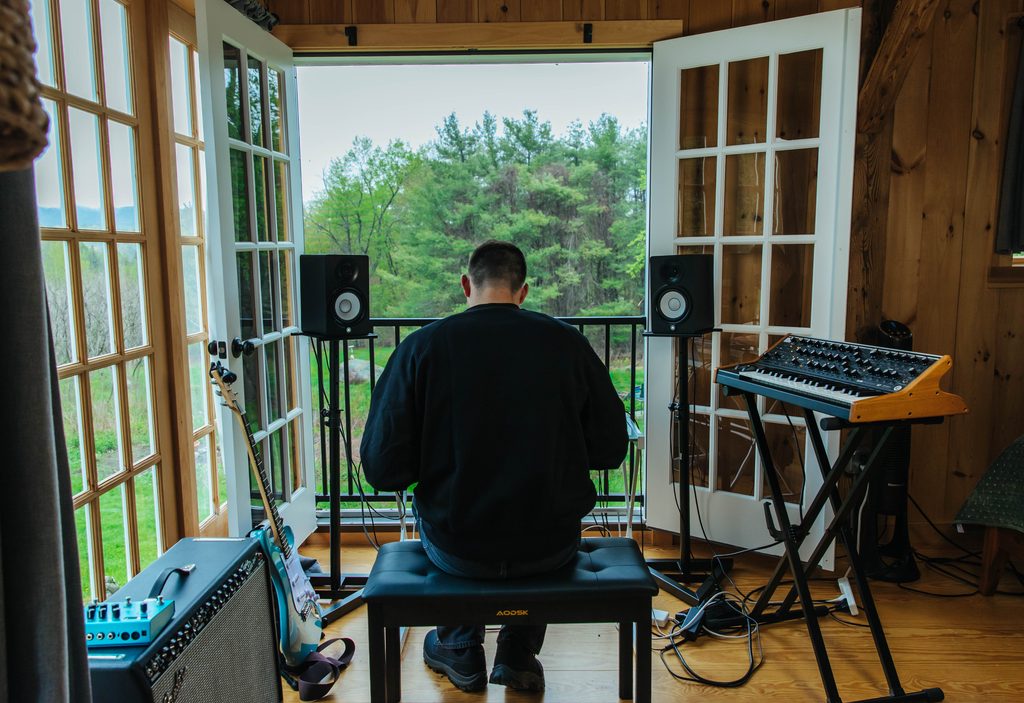
In terms of production techniques, I found myself using analog-style EQs much more during the mixdown. The visual feedback of a graphic EQ can be helpful, especially in a less-than-ideal monitoring environment, but it can also become a crutch. I like that API 550 and 560 style EQs force you to rely more on your ears and make decisions with fewer controls.
Another thing I try to do with all my music, but particularly on this album, was use the full stereo field. I listen to music on headphones a lot of the time, so I wanted there to be a lot of stereo interest to reward repeat listening.
If you had to choose one track from Echoes that best represents where Jack Willard is today, which would it be, and why?
All of them. That’s one of the enticing parts of making an album. You can cover more ground than you can with a single or an EP.
If I had to choose one, though, I’d say “Call To Me.” It represents a lot of the reasons I wanted to produce music in the first place.
My earliest understanding of what a music producer does came from people like George Martin and Nigel Godrich, and later Dr. Dre and DJ Premier. I pictured these behind-the-scenes wizards who could create a signature canvas for artists to present the best versions of their music.
Working with unique talents like MØØNE gives me the opportunity to play that role. A big part of what I enjoy is building a world around a vocal and capturing as much of the emotion in the performance as possible. That’s incredibly gratifying to me.

You worked with a really varied group of collaborators across Echoes. How did each artist bring something different to the project, and were there any contributions that changed the direction of a song from where you initially imagined it going?
I’m grateful to every artist I worked with on the album. It wouldn’t be complete without their contributions. From a vocal standpoint, I had the chance to work with ALLKNIGHT, Ava Sofia, Georgie, Josefina, Lenn, Matthew Adam Green, and MØØNE, each of whom brought their own character, emotion, and perspective to the project. One of my original goals in getting into music production was to work with vocalists, so I still have to pinch myself that I get to work with people this talented.
On the production side, it was great to work with Little Foot and Guy Didden. I always enjoy picking up new techniques when I work with other producers, particularly when it comes to mixing.
“Over & Over” with Guy is probably the track that changed the most from its original form. The breakdown chord progression is about the only thing that remained from my original demo. We completely reworked the drop sections of the track.
Guy has an incredible ear for mixing and for dialing in sounds that work in a club. Admittedly, I’ve tended to focus heavily on the listening experience in my own productions, so working with someone who knows what works from a club perspective was really valuable. Optimizing a track for a club is an art form in itself, and Guy has an engineer’s ear for those details.
Looking back, what do you think was the biggest difference between the Jack who started Echoes and the Jack who finished it?
I learned a lot from finishing this project, and I’m looking forward to carrying those lessons into what I do next.
There’s obviously a creative side to making a body of work like this, but creativity only gets you so far. Finishing an album requires time management, organization, and commitment, particularly when you’re working on it during evenings and weekends around a corporate job. This album helped me hone those skills.
You’re only as good as the people you surround yourself with. I was fortunate to work with an incredible group of artists and collaborators on this project, and one of the biggest lessons for me was that you don’t need to do everything yourself.

As you look toward this next chapter, what’s inspiring you at the moment? Are there any experiences, places, people, or ideas that you think could influence where you go next creatively?
Playing shows over the summer in Seattle, Denver, San Francisco, and NYC was a blast, and those memories have been fueling my writing sessions recently. There’s something really inspiring about the energy you get from a live show, and it also makes you think more practically about the sounds and ideas that will translate in that setting.
Now that the album is finished, I’m also enjoying the freedom to write a lot of ideas and experiment without overthinking where they’re going. Most importantly, I recently became a dad, which has been the greatest inspiration of all.
Closing Thoughts
The most revealing part of this interview is Willard saying the album became different in a good way.
That is usually what happens when collaboration is actually allowed to change the record. The first sketches gave Echoes a starting point, but the finished album seems to come from letting the singers, producers, shows, deadlines, and life outside the studio reshape the map.
That connects with my earlier How It Was Made feature on Jack Willard’s “Scattered Skies”, where the production was already tied to melody, atmosphere, and patient arrangement choices. Echoes feels like the larger version of that instinct.
The pieces are still melodic and detail-oriented, but the album gives him more room to move between headphone-focused writing and records that can work in a live setting.
There is also a natural link to my review of Melodic Progressive for Serum 2 by Jack Willard and PML. That pack made sense because Willard’s sound design already felt tied to usable musical context rather than isolated preset flash. His comments here about movement, saturation, stereo field, and custom Serum patches show the same approach inside the album itself: sound design as personality, not ornament.
The album format also matters here. Singles and EPs can show a lane; albums reveal range.
Willard’s answer about “Call To Me” is telling because it places him in a lineage of producers who see the job as building the right environment around a voice. That is a different ambition than simply making melodic house tracks. It asks whether the production can frame another person’s emotion without crowding it.
That idea also sits beside PRAANA’s interview on Insight Out and inward reflection.
PRAANA used the album format to give instrumental pieces, vocal collaborations, and emotional pacing room to sit together. Willard is doing something comparable on Echoes, where club-facing material like “Time” and “Over & Over” can sit next to more vocal-centered songs without the project feeling scattered.
The broader takeaway is that Echoes feels like the first major document of Jack Willard learning what kind of producer he wants to be. Not just the person making the chords, patches, and drums, but the person who can organize collaborators, finish a demanding body of work, leave space for singers, and still make the whole record feel like it came from one hand. That is a real step forward, and probably the part of this album that will matter most when he starts building whatever comes next.

Will Vance is a professional music producer who has been involved in the industry for the better part of a decade and has been the managing editor at Magnetic Magazine since mid-2022. In that time period, he has published thousands of articles on music production, industry think pieces and educational articles about the music industry. Over the last decade as a professional music producer, Will Vance has also ran multiple successful and highly respected record labels in the industry, including Where The Heart Is Records as well as having launched a new label with a focus on community through Magnetic Magazine. When not running these labels or producing his own music, Vance is likely writing for other top industry sites like Waves or the Hyperbits Masterclass or working on his upcoming book on mindfulness in music production. On the rare chance he's not thinking about music production, he's probably running a game of Dungeons and Dragons with his friends which he has been the dungeon master for for many years.