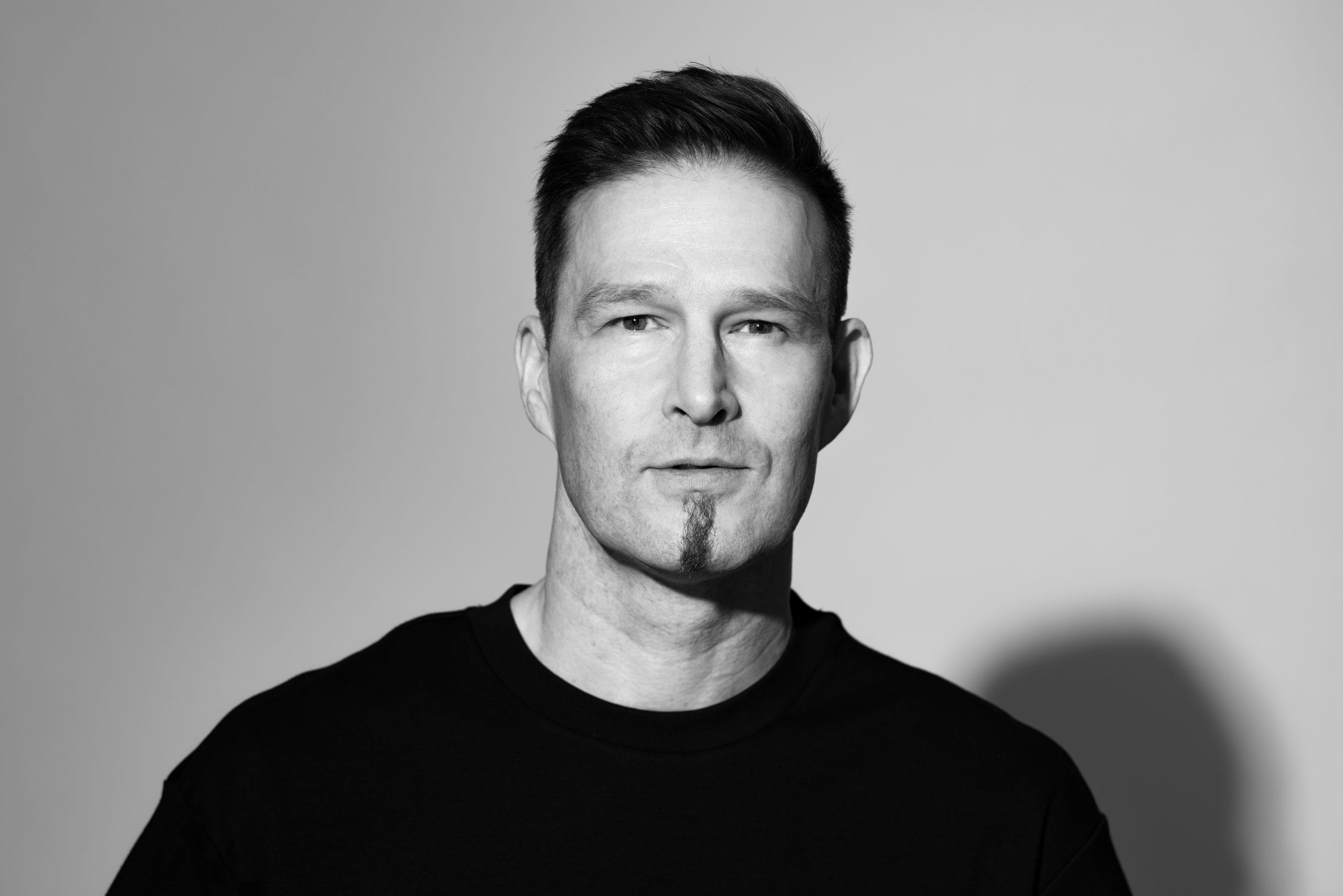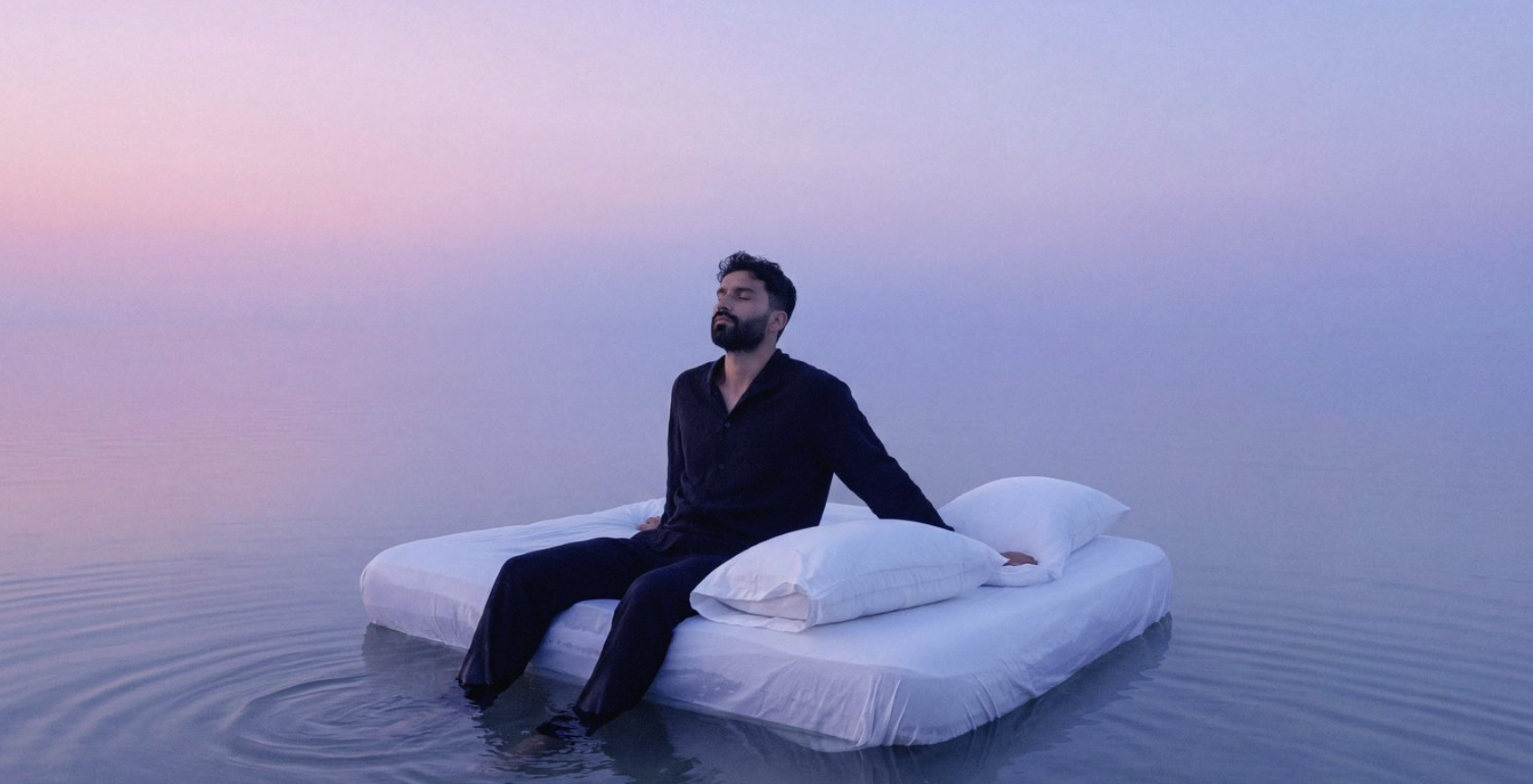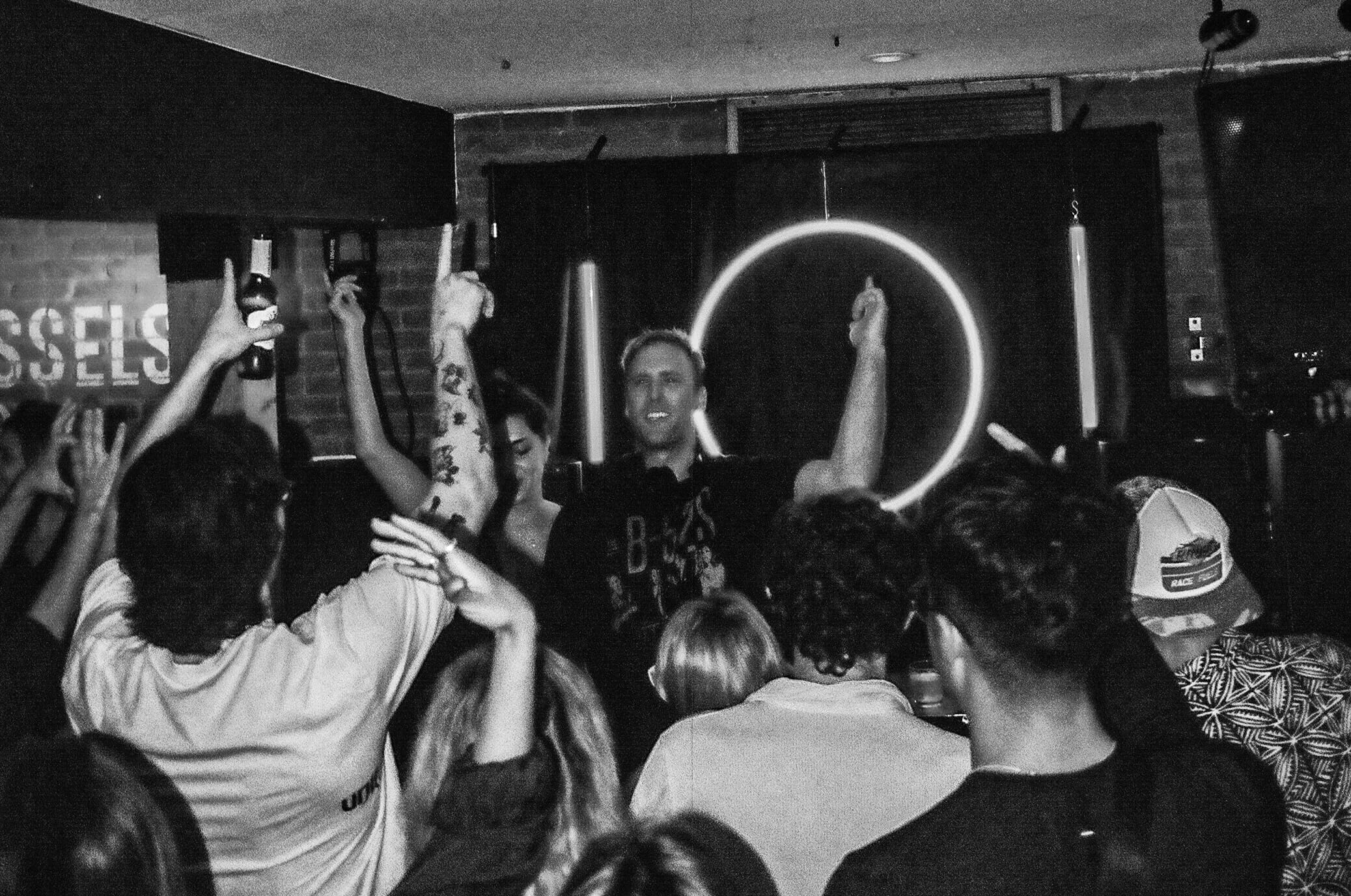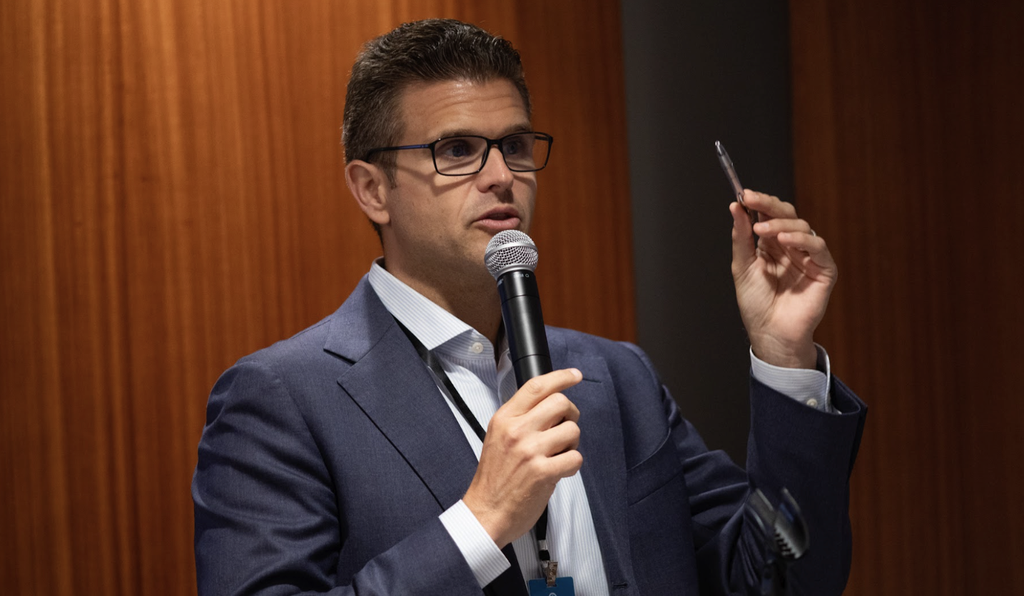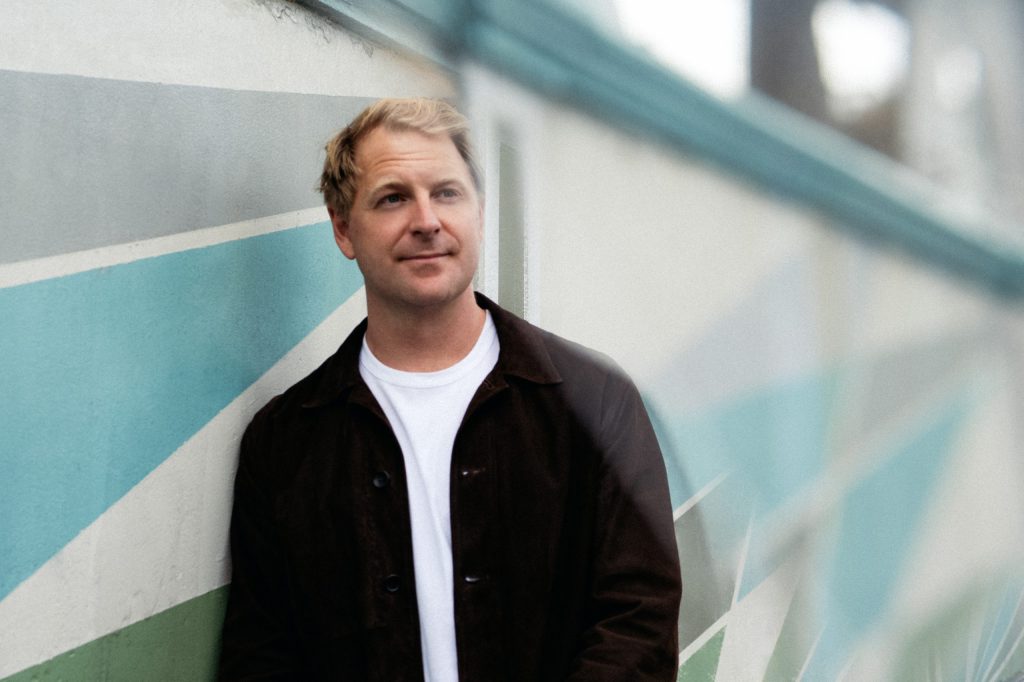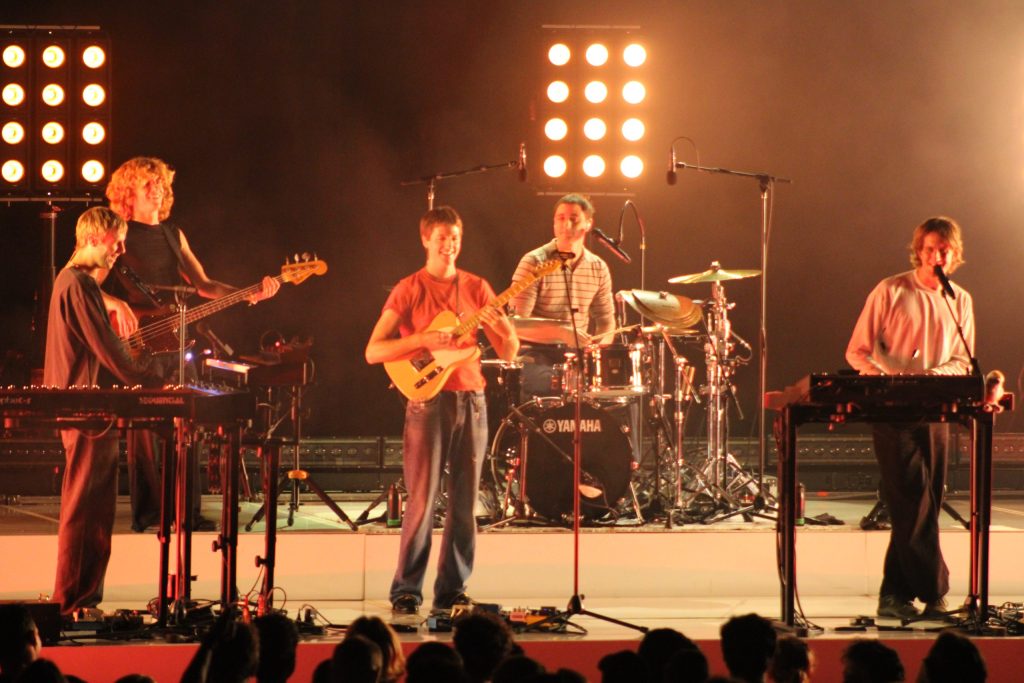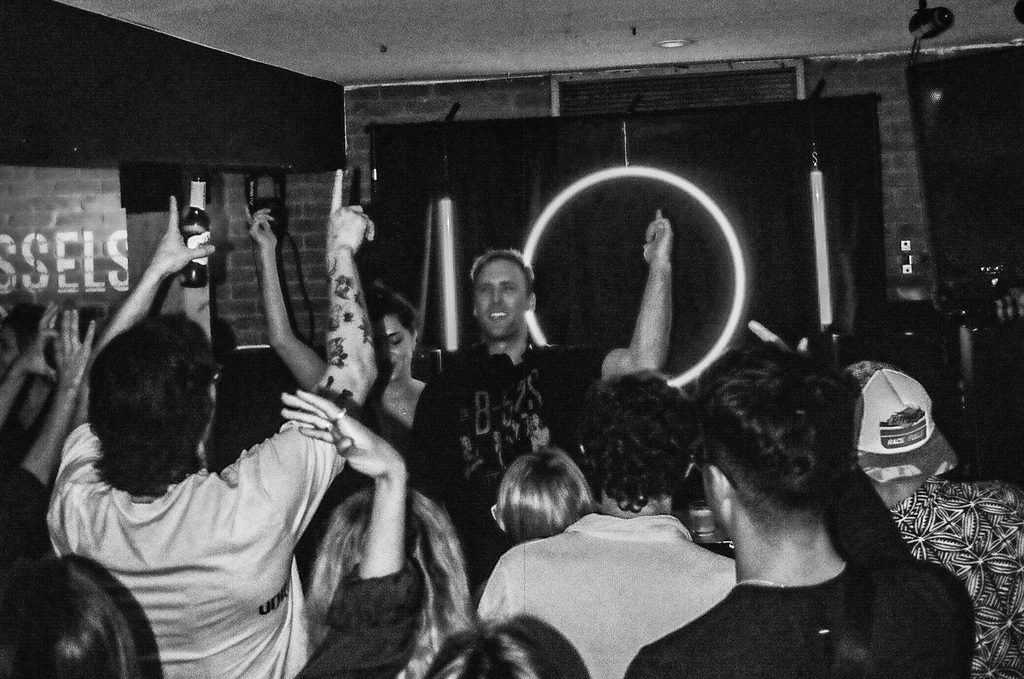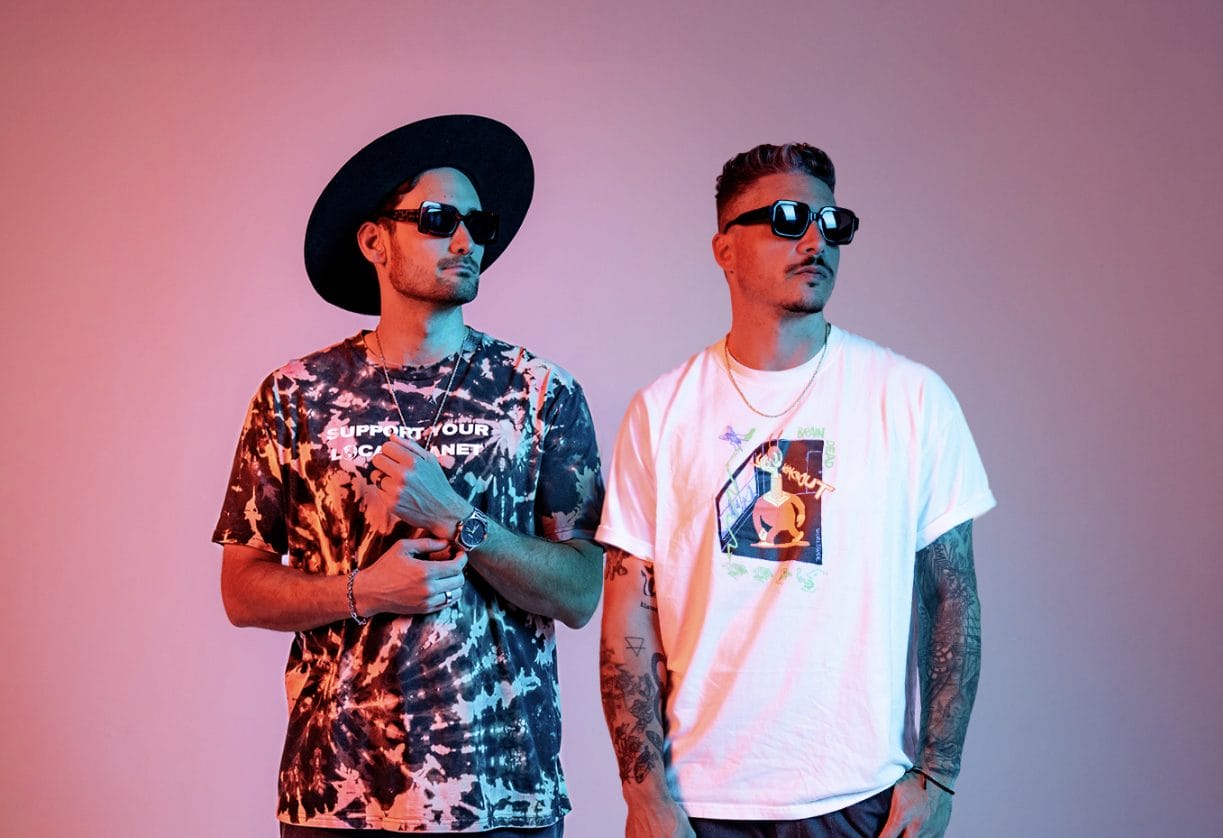
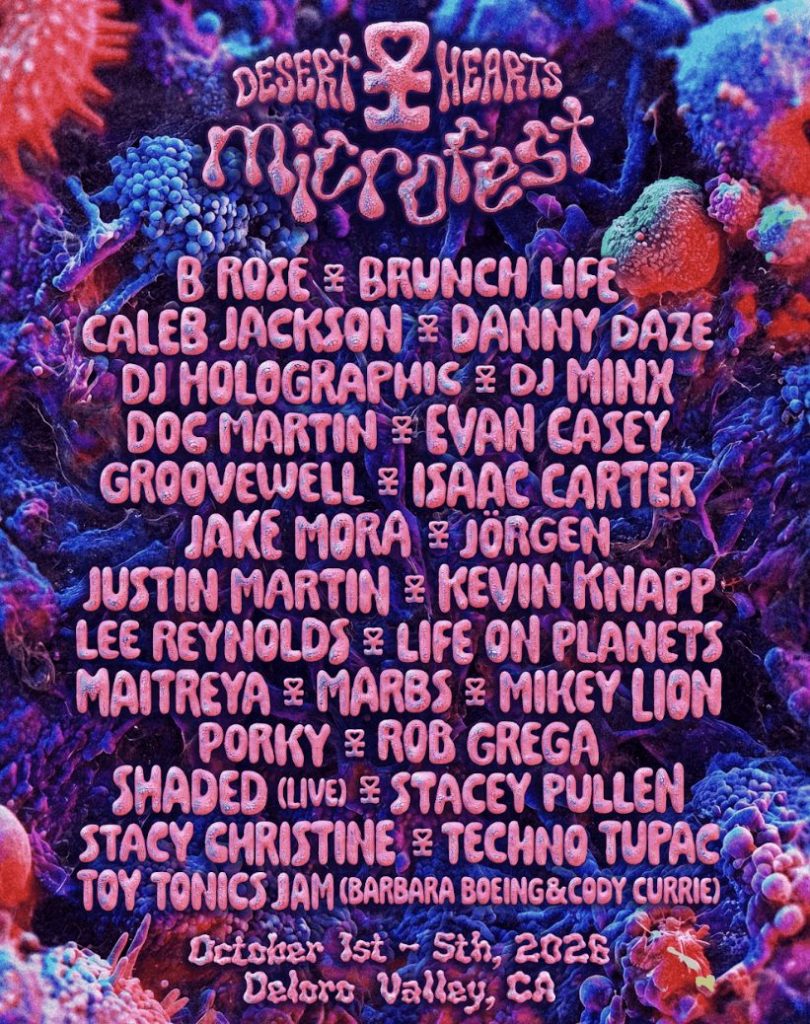
Desert Hearts (@deserthearts) are returning to the smaller, more close-knit version of the world they built with Microfest, a new intimate gathering taking place October 1–5 at Deloro Valley in Northern California. The lineup brings together DJ Minx, Stacey Pullen, Danny Daze, Doc Martin, Justin Martin, DJ Holographic, SHADED, Kevin Knapp, Life On Planets, and the wider Desert Hearts family, with Mikey Lion, Marbs, Lee Reynolds, and Porky all appearing across the weekend.
The announcement also arrives alongside “Place For Us,” the latest single from Mikey Lion and Marbs, under their newly unified Desert Hearts artist project. That context is important because Desert Hearts has always been more than a party brand.
Years ago, Mikey Lion wrote for Magnetic about the power of streaming for DJs during and beyond COVID, and even then, the thread was less about format and more about connection. Desert Hearts has repeatedly treated the platform around the music as part of the culture itself.
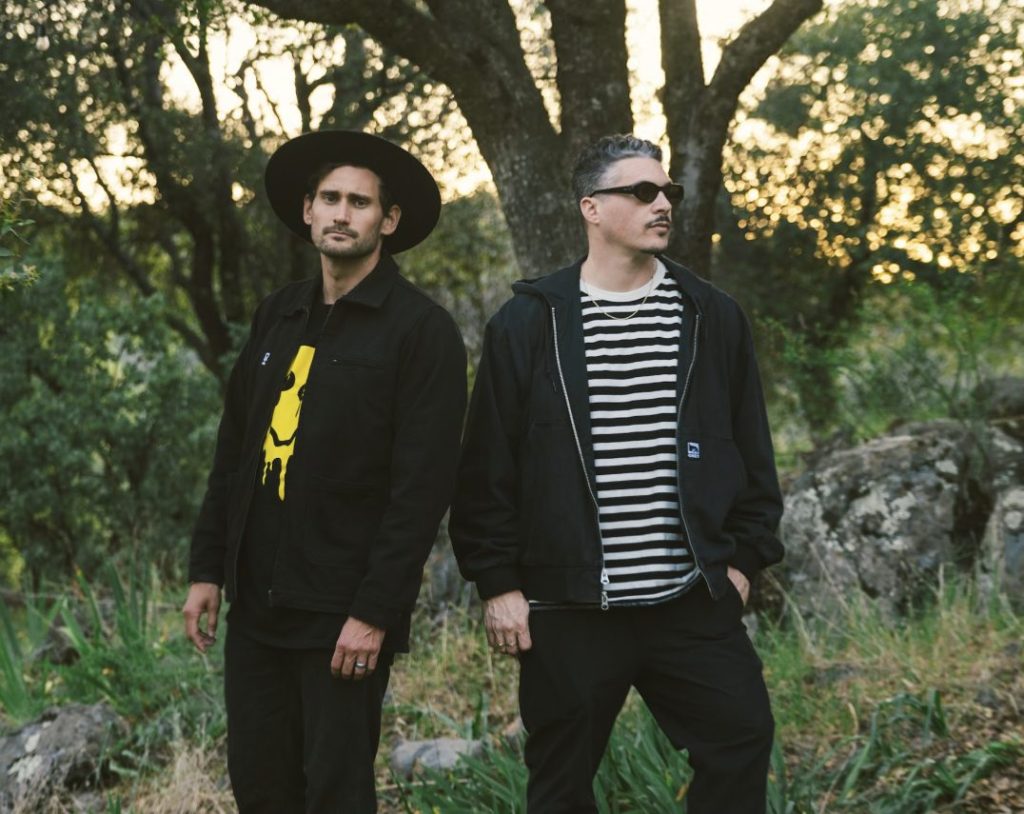
That same idea runs through the interview below with Mikey Lion and Marbs.
They talk about what it means to have a voice as DJs, how Desert Hearts’ roots in hip-hop, punk rock, and electro still inform where their sets go, and why the best musical identity is usually lived rather than curated. For a crew announcing a festival called Microfest and releasing a track called “Place For Us,” the answers fit the moment directly: the real Desert Hearts story is still about belonging, trust, and the freedom to evolve without losing the attitude that made the community work in the first place.
Interview With Desert Hearts
What does having a “voice” as a DJ mean to you?
Having a voice as a DJ means leading by example.
We know the responsibility that comes with being leaders in the dance music community, and we want to use our platform to create a positive impact in the world. A big part of building the Desert Hearts community has always been showing people a better way to live, whether that’s inspiring people to build communities of their own, spearheading charitable causes, or simply giving genuine love to our fans.
How do you stay rooted in your taste while also leaving room for evolution?
We try to stay curious and never dismiss an entire style of music outright. Our roots are in hip hop, punk rock, and electro, so we’ve always gravitated toward music with a little attitude. That edge will probably always be at the core of what we play, but as we evolve, we’re always open to trying new things because that’s where growth happens. Ten years ago, we never would’ve imagined 140 BPM UKG making its way into our sets, but now we love it. It’s different, but it still has that same attitude.
Have you ever struggled with feeling like your sets don’t “represent” you?
We think every DJ has felt this way at some point. The biggest trap is when a DJ you really respect, especially one who plays a different style, is standing in the crowd, and you start changing your selections based on what you think they want to hear. That’s a dangerous game, and we’ve definitely been guilty of it.
The best sets always happen when you stop trying to impress people and just trust your instincts.
Is there a moment where you realized your musical identity was starting to click?
It was during the early Desert Hearts days. We were traveling around playing marathon open-to-close sets where there was no pressure to fit into a time slot or chase a particular sound.
We had the freedom to tell a story over hours and hours, and that’s when we really understood the power of taking people on a journey instead of just dropping banger after banger.
How do you protect your sense of self while still being flexible?
Our sense of self, even outside of music and art, has to stay flexible.
That’s just life as a human being. As we move through different chapters of life, we grow, our perspectives shift, and our identity changes with those experiences. Being an artist is no different. As our lives change our taste in music changes. As we mature, our creative expression should mature too. The important part is staying honest. Whatever we’re creating should reflect who we genuinely are in that moment, not who we think we’re supposed to be.
Are there habits or routines that help you keep refining your voice?
Balance is everything.
We’ve found that taking care of ourselves has amplified both our creativity and our ability to execute ideas. When we were younger, we were wild, and that chapter was an important part of becoming who we are. These days, we focus more on personal growth, staying active, partying less, getting good sleep when we can, and making time for family and friends.
All of that creates more mental space and creative energy when it’s time to make music, build events, or tour on the road.
What’s the difference between a curated identity and a lived one?
A curated identity is built around an external goal.
It’s shaping yourself to fit an outcome, whether that’s success, popularity, or the image you think people want to see. A lived identity is built through experience. It develops organically as you move through life and discover what actually matters to you, without chasing a predetermined idea of yourself. We think the latter leads to something people can connect with because it’s rooted in being genuine rather than some strategy.
Closing Thoughts With Desert Hearts
The cleanest lesson in this interview is that a DJ’s voice does not come from narrowing everything down until it becomes easy to market. Mikey Lion and Marbs are saying almost the opposite.
Their voice came from open-to-close sets, long nights, wide influences, community pressure, personal growth, and enough lived experience to know when they were playing from instinct rather than trying to satisfy whoever happened to be watching from the crowd. That has always been the more interesting side of Desert Hearts: the party, the label, the crew, and the fans all grew around a feeling that could not be reduced to one sound.
That connects with my earlier piece, Artists Asking Artists: SHADED & Mikey Lion of Desert Hearts, where the conversation around origins and future plans already showed how much Desert Hearts depends on people who can hold onto their own weirdness while still building something communal. This interview adds another layer to that idea. A lived identity is less polished, but it carries more history. You can hear the hip-hop, punk rock, electro, house, techno, and now even UKG references because the crew is not pretending growth means replacing the past. They are letting the past keep mutating.
I thought about my interview with SACK on recording culture and its influence on DJ sets here too, because Mikey and Marbs’ answer about trying to impress respected DJs cuts right into the camera-era problem.
The set can start bending toward the person being imagined as a judge instead of the room that is actually there. Desert Hearts’ answer is blunt in the best way: trust your instincts. That is easy advice to say and harder advice to live, especially when every set can be clipped, judged, and compared before the night is even over.
The Microfest timing makes all of this sharper. A smaller festival does not automatically create a better community, but it can give the right people a better chance to remember what made the community real in the first place. “Place For Us” puts that idea directly into the music, while the interview gives it the human explanation around the release. Desert Hearts’ takeaway is not that identity should stay fixed forever.
It is that identity works best when it has actually been lived, tested, changed, and still somehow carries the same heat at the center.

Will Vance is a professional music producer who has been involved in the industry for the better part of a decade and has been the managing editor at Magnetic Magazine since mid-2022. In that time period, he has published thousands of articles on music production, industry think pieces and educational articles about the music industry. Over the last decade as a professional music producer, Will Vance has also ran multiple successful and highly respected record labels in the industry, including Where The Heart Is Records as well as having launched a new label with a focus on community through Magnetic Magazine. When not running these labels or producing his own music, Vance is likely writing for other top industry sites like Waves or the Hyperbits Masterclass or working on his upcoming book on mindfulness in music production. On the rare chance he's not thinking about music production, he's probably running a game of Dungeons and Dragons with his friends which he has been the dungeon master for for many years.