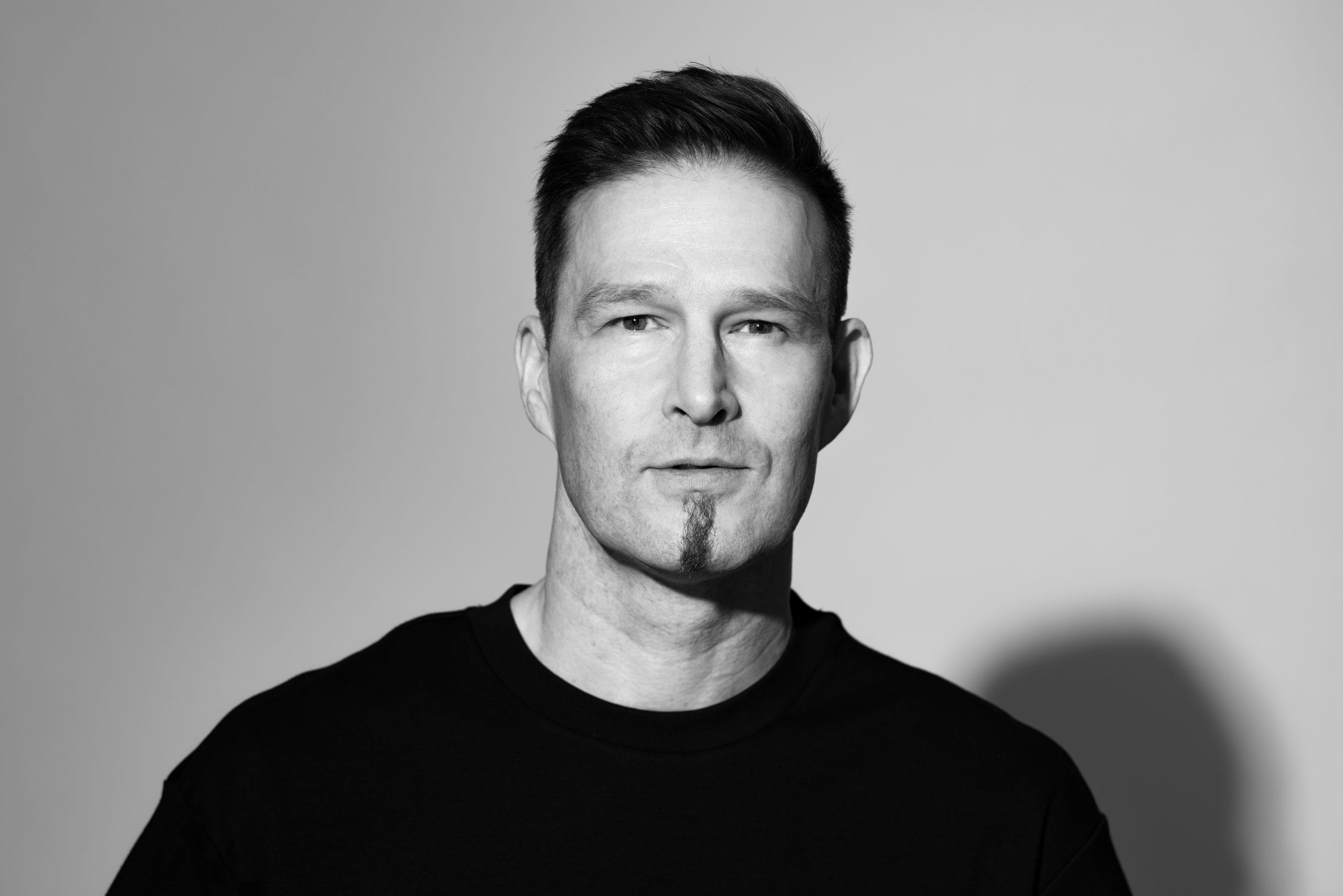
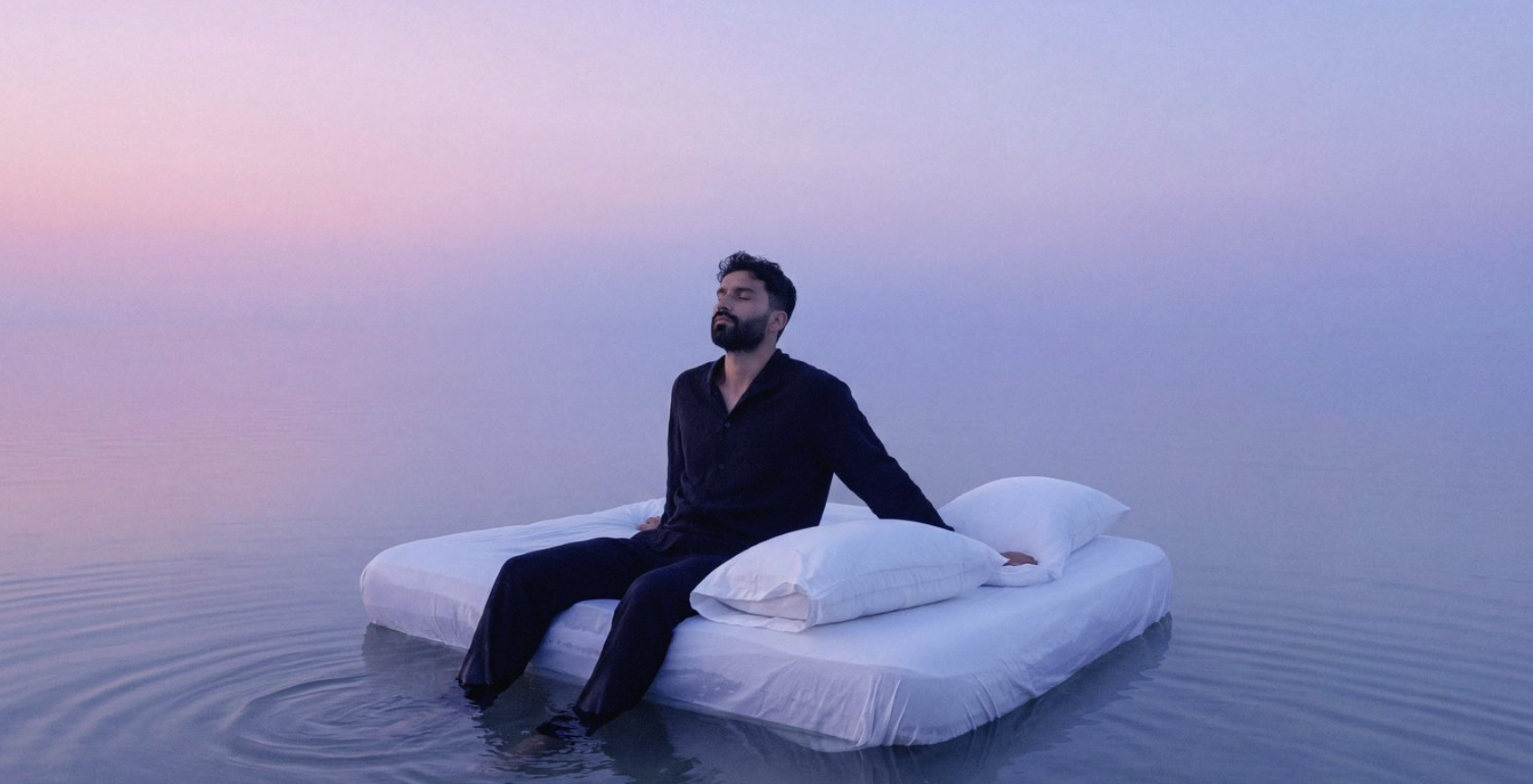
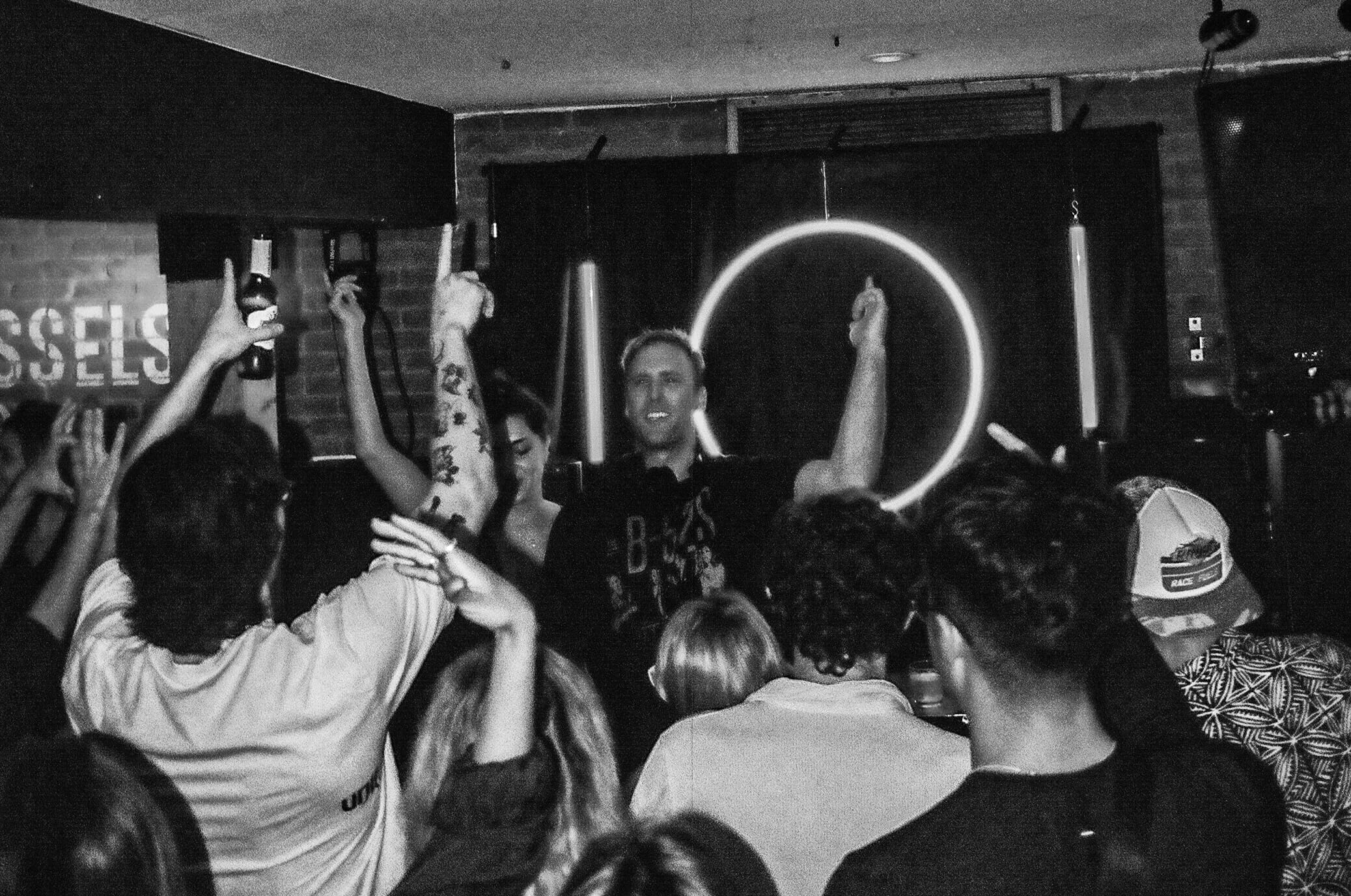
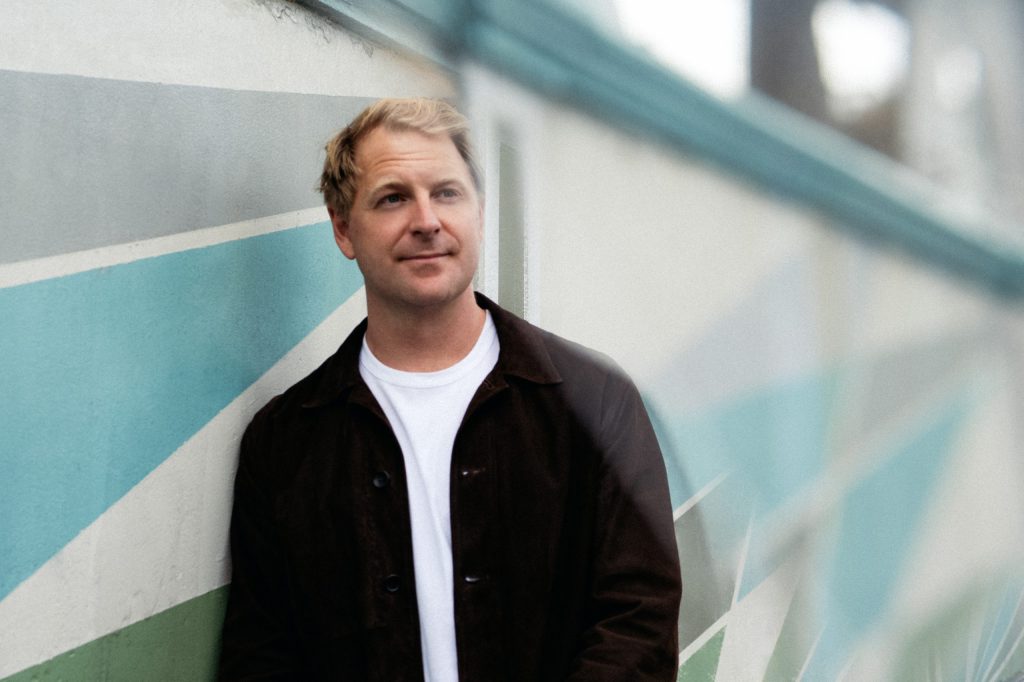
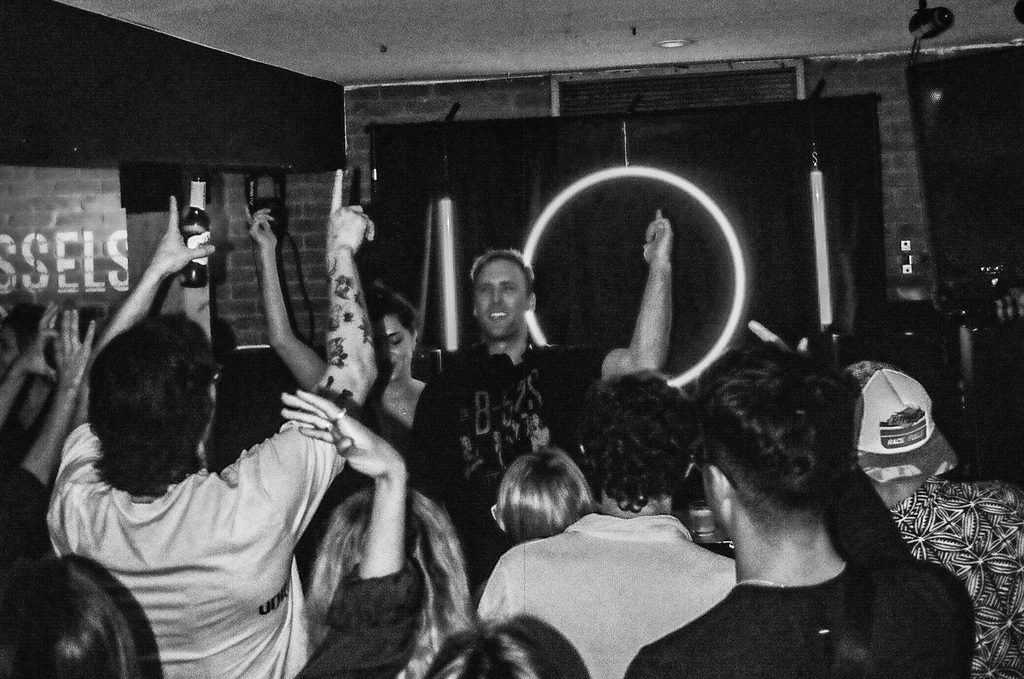
SACK has spent the last few years shaping a clear artistic identity across Argentina and Barcelona, and the way he talks about the culture around DJing shows how closely he pays attention to the environment he works in. His focus remains on presence, connection, and the real-time experience inside a room. That perspective influences how he prepares, how he performs, and how he communicates his artistic values.
This interview centers on the pressure created by constant recording, the influence of social media, and the shift toward visibility as a measure of success. SACK speaks openly about how these changes affect preparation, presentation, and long-term direction. His views come from experience rather than theory, which gives this conversation a grounded quality.
With his new collaboration on Last Night On Earth available now, this conversation arrives at a natural moment. The release shows where his sound is heading and the interview shows the mindset behind it.
Interview With SACK
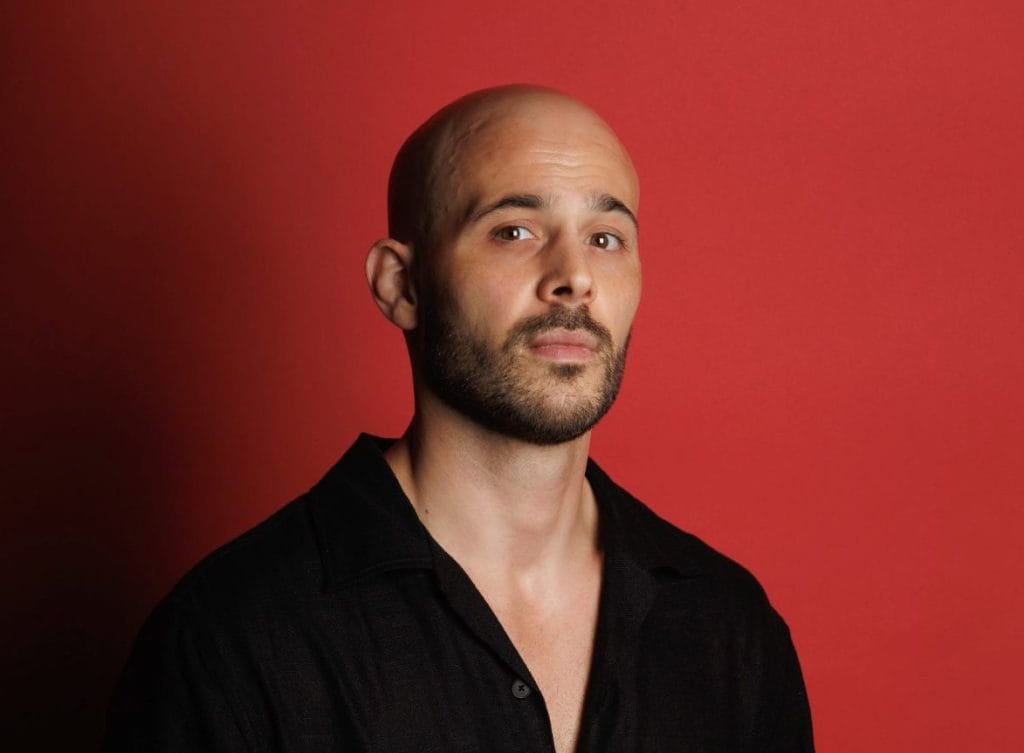
When did you first notice the influencer economy bleeding into DJ culture?
The influencer economy began to strongly emerge within DJ culture around 2020, during the pandemic. Although there was already a previous trend, the lockdown pushed the entire industry to connect mainly through streaming and social media. Many DJs began creating content almost out of necessity, to maintain presence and relevance.
This digital visibility transformed how an artist’s work was perceived and evaluated. Suddenly, reach and engagement started to carry weight comparable to sometimes even greater than the music itself. That was the moment it became clear that the influencer model was taking on a relevant role in the scene.
Since then, DJ culture has continued evolving, integrating these new dynamics without losing the essence of the music.

Do you feel pressure to be “presentable” in ways that have nothing to do with the music?
Working in the music industry today inevitably involves some pressure regarding presentation and image beyond the music itself. Constant exposure creates standards that feel natural in day-to-day life.
However, this pressure only makes sense if it doesn’t compromise an artist’s personal essence. It’s important not to lose identity while navigating these external demands. Finding a balance between meeting the expectations of the ecosystem and staying authentic is key.
At the end of the day, what endures is the artistic essence; appearance is only an accessory. My priority is always to maintain that balance and ensure that music and authenticity remain the foundation of my career.
How do you personally draw the line between being an artist and becoming a brand?
Today the line between artist and brand is increasingly subtle, tied to how we present ourselves and connect with the audience. Building an identity isn’t only about aesthetics, it’s also about being recognizable in a competitive market.
For me, as SACK, defining a clear identity, understanding my audience, and knowing how I want to position myself are fundamental. Even the purest form of art inevitably intersects with the professional dimension, because making a living from music requires structure and vision.
The key is to build a strong brand without sacrificing the authenticity that defines my sound. Maintaining personal and artistic coherence prevents becoming a passing trend. That clarity helps sustain a long-term project without losing creative direction.
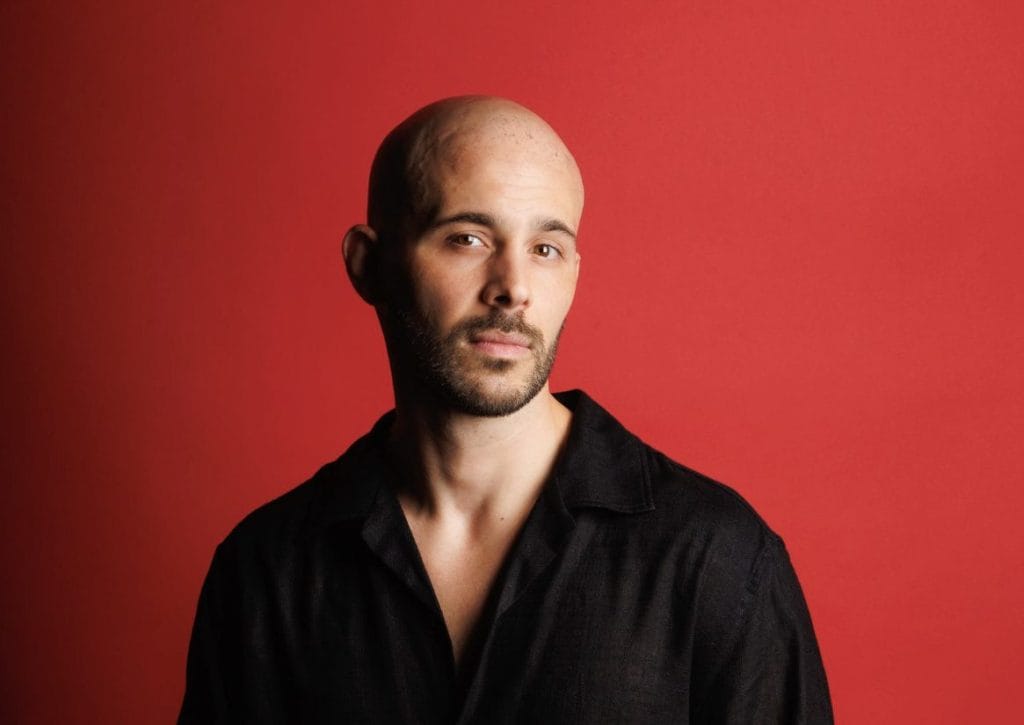
What have you turned down or avoided because it felt too “influencer-like”?
I’ve avoided opportunities that felt too centered around influencer aesthetics, because my goal is to remain authentic. I don’t want to do something because it’s trendy or momentarily viral.
I’m very careful with my image and selective with brands, collaborations, and content, knowing that every decision impacts my reputation. My aim is to build a solid and coherent career where music remains the core.
I prefer to avoid actions that prioritize immediate results over artistic identity. I always evaluate whether something will contribute to my project in the coming years, if not, I step aside. This strategy helps protect the long-term path and keeps me true to my concept.
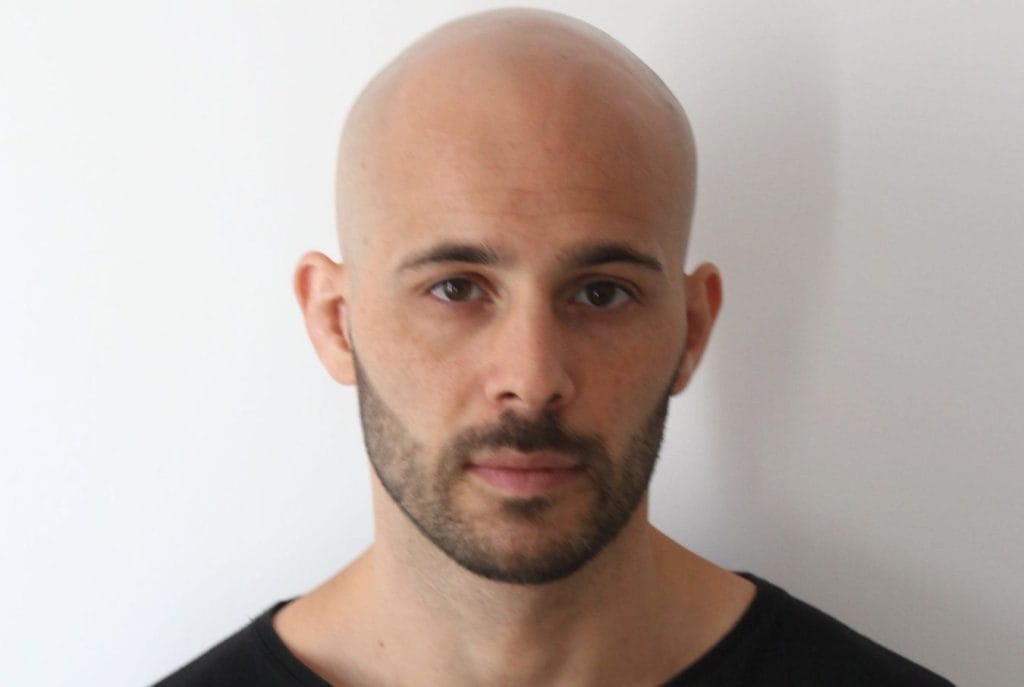
Have you seen careers accelerate due to better content rather than better sets?
Yes, many careers today advance faster because of content strategy rather than musical quality. Some artists stand out for their visual or digital presence more than their technique, and this responds to the needs of different audiences.
I understand that the industry requires diverse profiles, some more mainstream-oriented, others more specialized. Personally, I prefer to build gradually, prioritizing musical maturity and coherence.
That long-term vision ensures that my trajectory remains authentic and stable.
Do you think people are starting to confuse reach with skill?
Yes, sometimes there’s confusion between visibility and artistic quality. Social networks create the impression that greater reach automatically means greater skill, which isn’t always true.
Based on my experience in globalized cities like Barcelona, where I currently live, I notice that audiences can follow trends more than appreciate technique or musical selection. In Argentina, my home country, there’s a stronger, more knowledgeable electronic music base that values depth and consistency.
For me, the key is to educate and offer accessibility without compromising artistic identity. Maintaining that balance allows me to connect with different audiences without diluting the musical message.
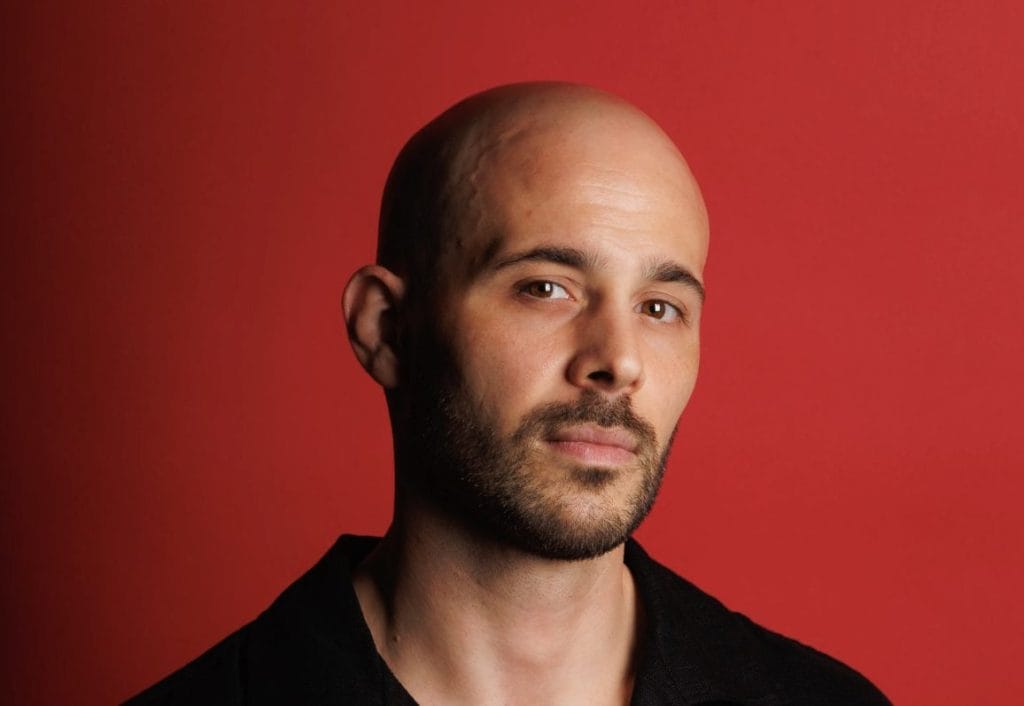
How do you think we can protect the craft in a culture that rewards image over skill?
The craft of DJing is constantly evolving, and protecting it requires acknowledging our history while understanding the new dynamics of the industry. It’s not about resisting trends, but about integrating them consciously without losing identity.
Image and virality play an important role, but the essence of the craft remains the music and the connection with the audience. Protecting it requires balance, embracing visibility without sacrificing artistic depth.
This allows us to build a scene that works today and endures tomorrow. The key lies in combining tradition, evolution, and long-term vision.

Will Vance is a professional music producer who has been involved in the industry for the better part of a decade and has been the managing editor at Magnetic Magazine since mid-2022. In that time period, he has published thousands of articles on music production, industry think pieces and educational articles about the music industry. Over the last decade as a professional music producer, Will Vance has also ran multiple successful and highly respected record labels in the industry, including Where The Heart Is Records as well as having launched a new label with a focus on community through Magnetic Magazine. When not running these labels or producing his own music, Vance is likely writing for other top industry sites like Waves or the Hyperbits Masterclass or working on his upcoming book on mindfulness in music production. On the rare chance he's not thinking about music production, he's probably running a game of Dungeons and Dragons with his friends which he has been the dungeon master for for many years.