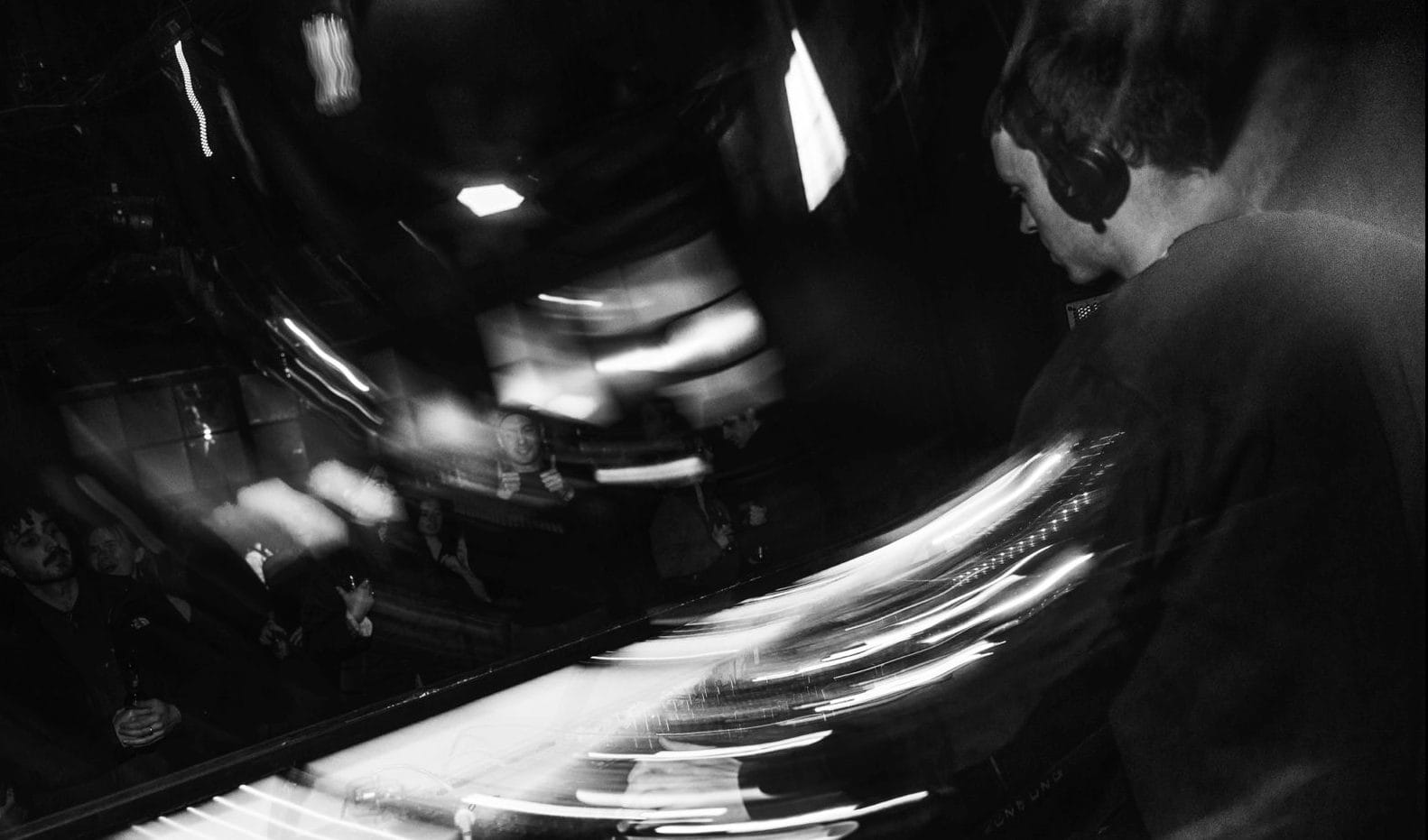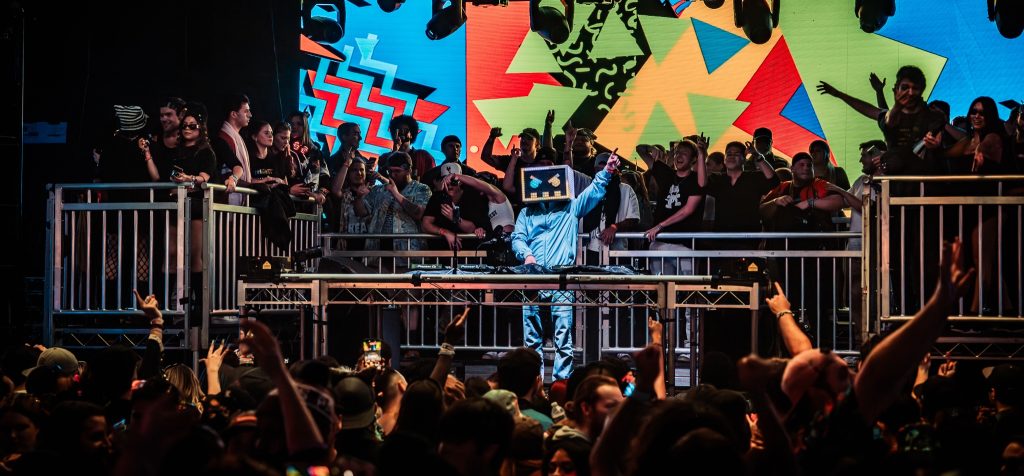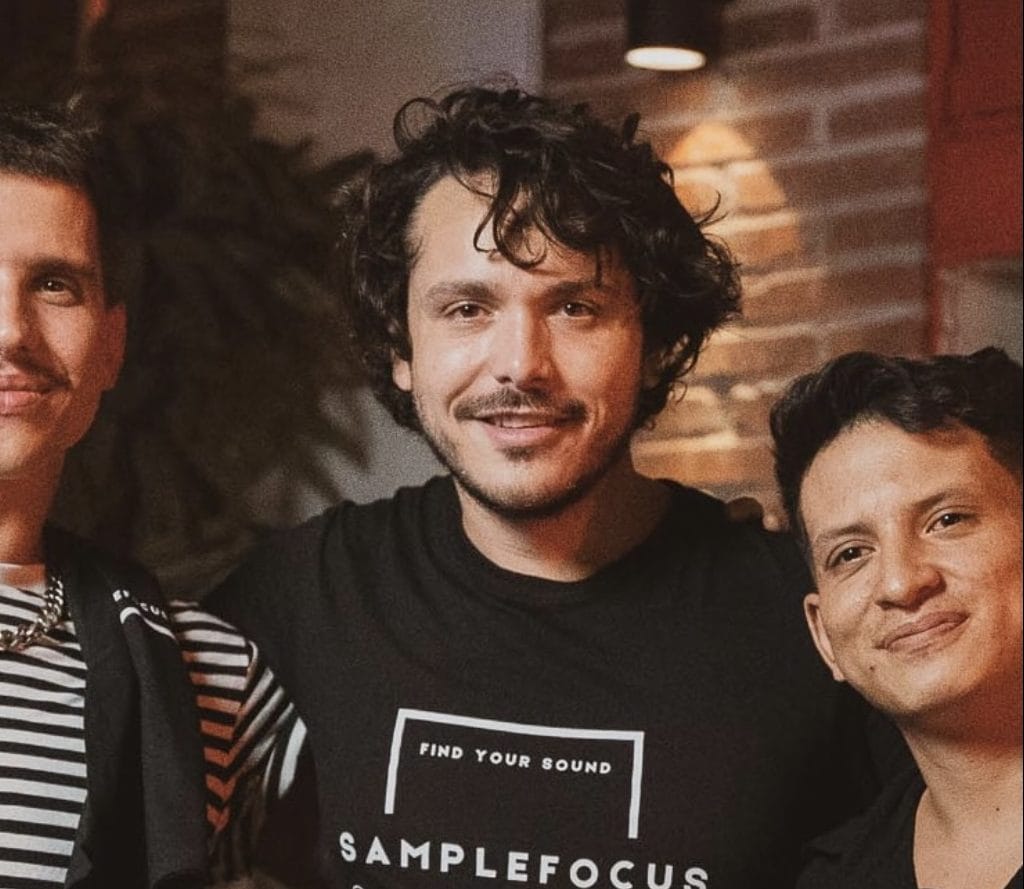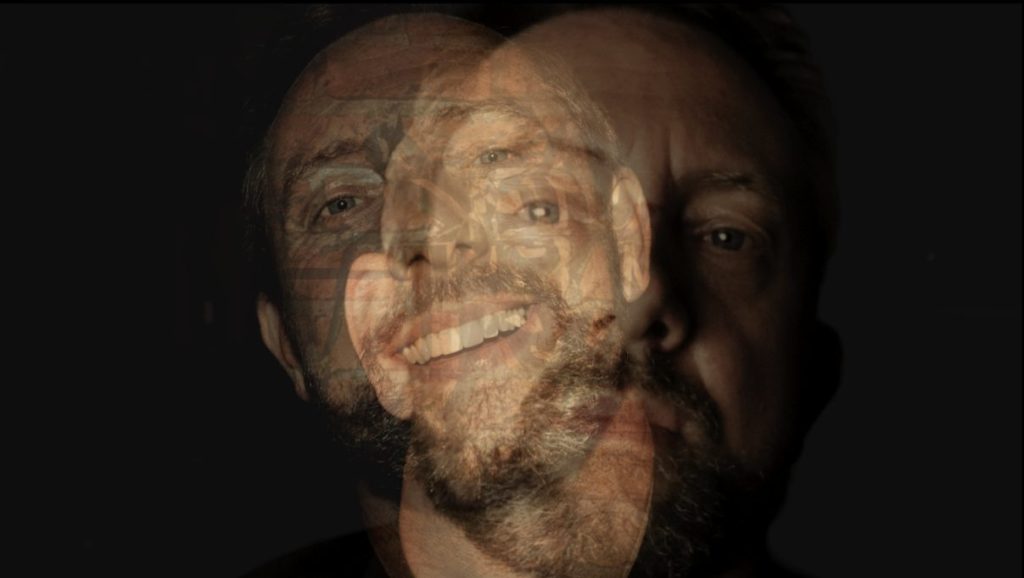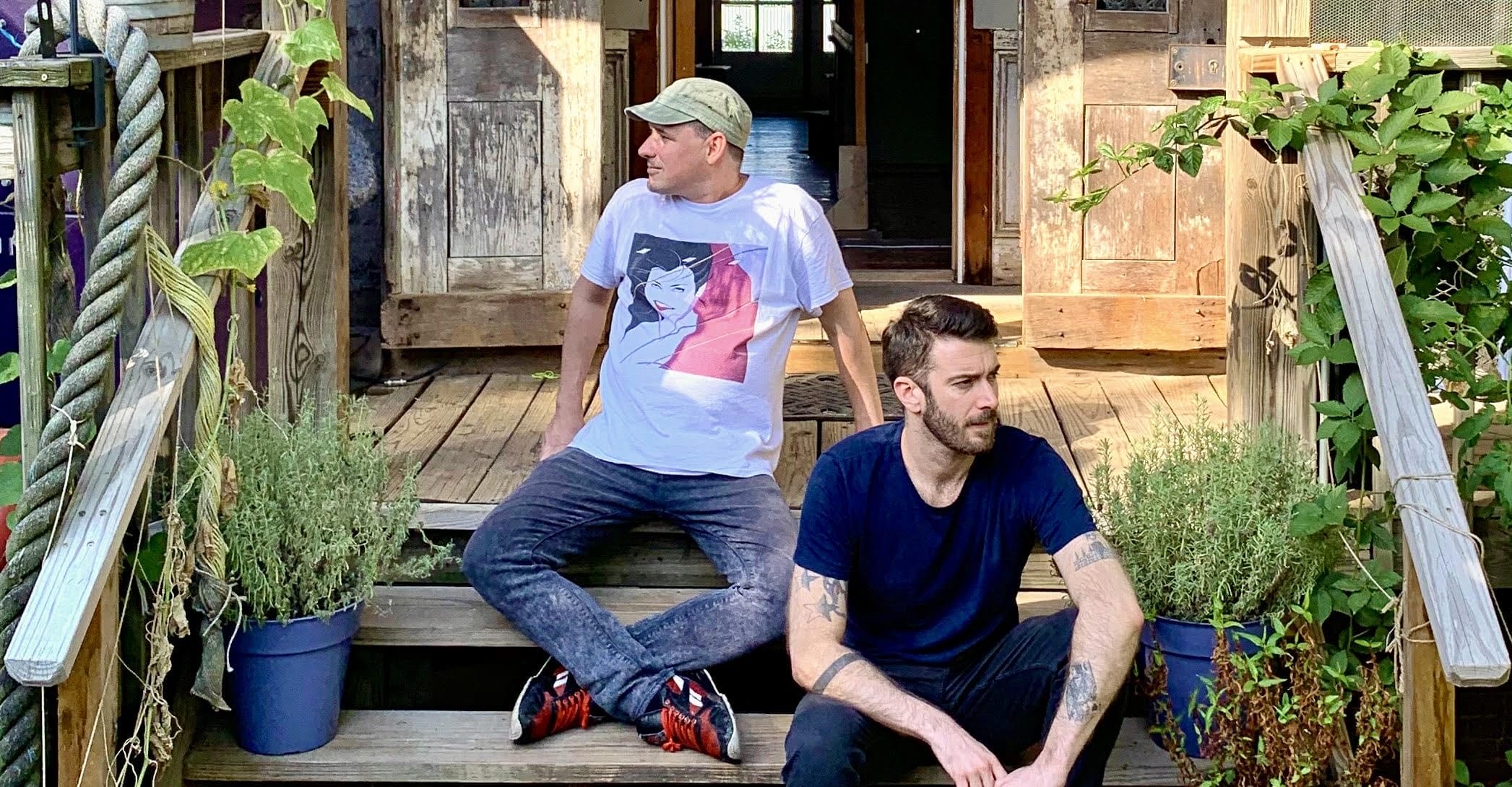
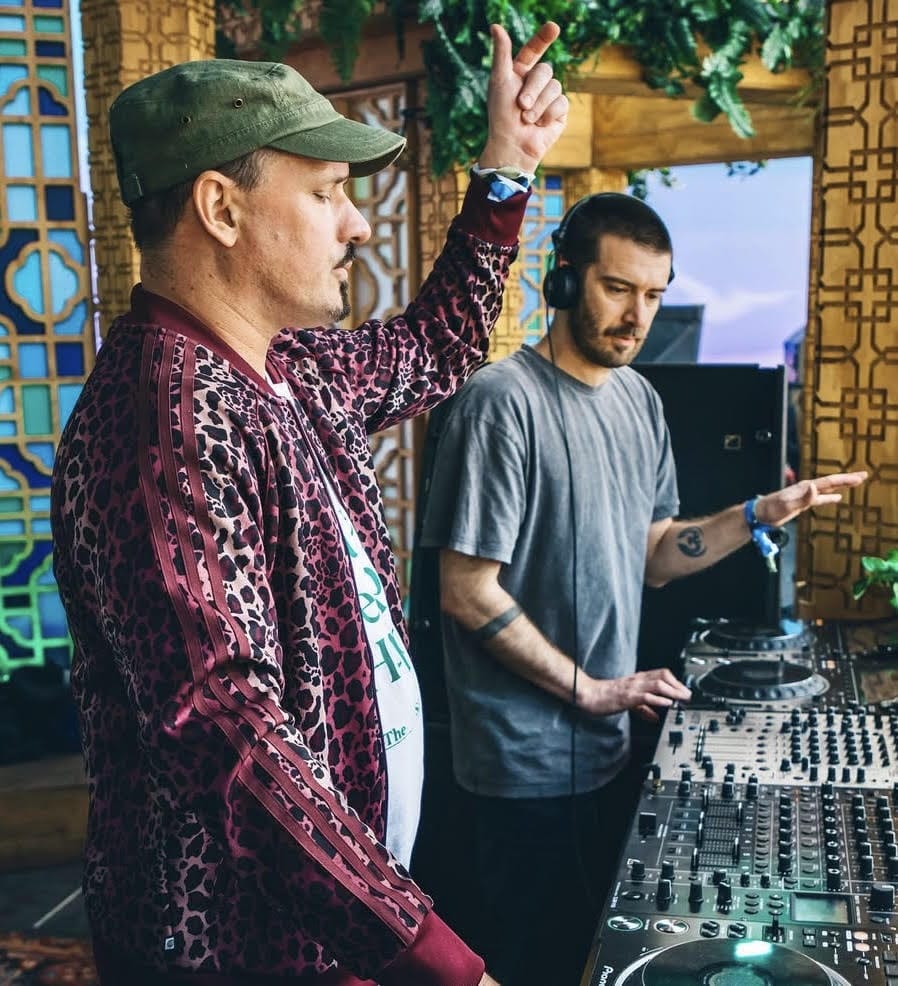
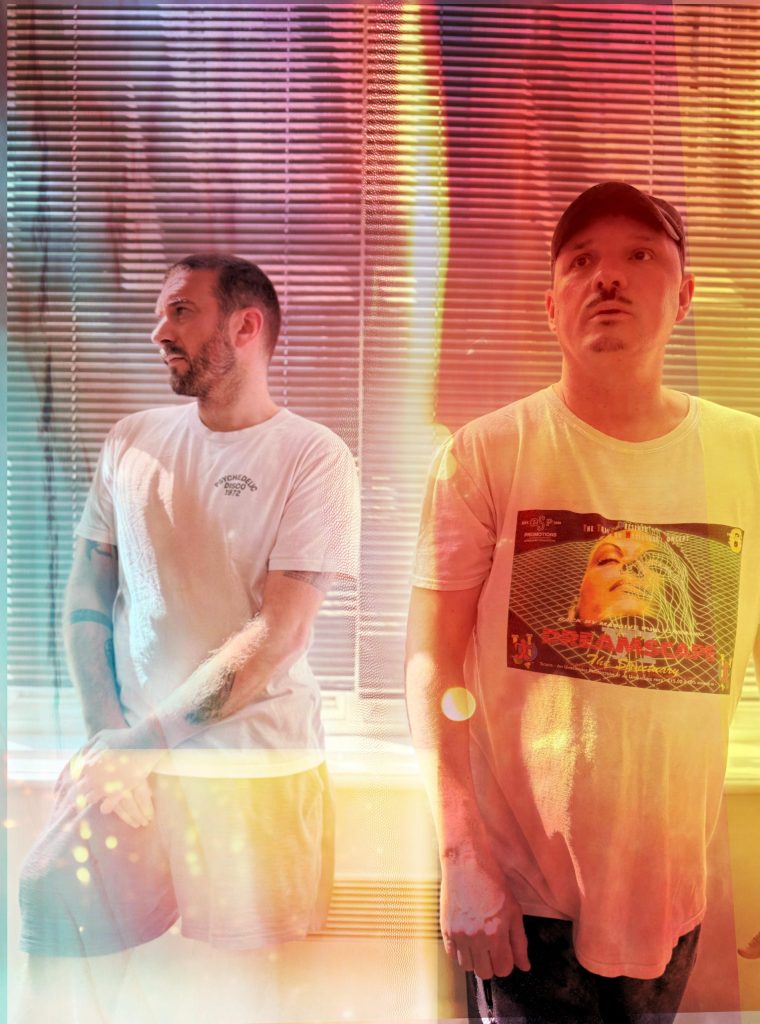
Death on the Balcony (@deathonthebalcony) return with Cycles Of Desire, a four-track EP out August 14 on SATYADGTL that splits the duo’s sound across two names and two related club instincts. Mark Caramelli and Paul Hargreaves use the Death on the Balcony side for deeper, groove-led material, while the DOTB cuts move into a more stripped-back house lane. The EP was not planned as one complete statement at first. It came together after old and newer ideas were played consecutively and started to feel like they belonged in the same release.
That backstory fits SATYA’s wider language well.
The label has built much of its identity around patient, deep, groove-led music that keeps the dancefloor close without making everything feel overly functional. Cycles Of Desire sits inside that mood while still carrying the long-running Death on the Balcony signature: melodic warmth, slow-burn emotional detail, and the kind of understated club pressure that works because it does not rush the listener into the obvious moment.
The interview below opens up a different but related question: what should artists protect now that production tools are easier, faster, and increasingly AI-assisted? Death on the Balcony are clear that the idea still comes first. Not the plugin, not the automation lane, not the technique picked up on Instagram, and definitely not fully prompted music with no real human decision-making behind it.
Their answers make Cycles Of Desire feel less like another EP cycle and more like a reminder that the artist’s job is still to decide what deserves to exist.
Interview With Death On The Balcony

As music-production tools get easier to use and their outputs get “better,” which part of the process should artists protect most?
The idea or ideas are, and always should be, the most important part of creation. This is what sets you aside as an artist and keeps you true to yourself and telling your story the way you intend. That and your personal touch, style and essence which also comes over many dedicated years of studio time and can’t be faked!
There is also a certain magic that can happen in the studio where you are in flow and channeling inspiration in real time, half in control, half beyond you. Also, the feeling of sliding doors and inspiration can hit you at any time, but if you were doing something else, or different in that moment the idea would have escaped you or never happened, the creative random factor so to say! These are all things that are essential for art, original ideas, tracks and music.
That’s something tools cannot teach or replicate, plus the human touch and real emotion.
Before automating part of the workflow, what should producers ask themselves?
With automations being a later process in the studio, firstly the questions should be “are all my elements working together?” Looking for elements that are not communicating well with the core main elements in your track.
Then it’s about arrangement, sketching fast to preserve your idea and you can always refine later.

How can artists tell when a tool has moved from helping the track to steering the track?
Depending on what the tool is, you can simply A/B test between having it in the track or removing it. What sounds the best. Trust your ears, not the new technique you have learned on Instagram. That said, these techniques are useful of course, but knowing when to apply them is the key!
Where do artists need clearer boundaries around AI-assisted work?
AI has been around in tool form, for a while. Whether it be some kind of stem separator or something else which isn’t the concern. The clarity needs to be around fully prompted generative AI music. Pushing a button and just receiving a track, with no editing or creative input, musical process cannot be enjoyable or rewarding in any sense to a producer, musician or artist with any ounce integrity or soul!
Beyond say the throwaway initial novelty of it all perhaps, but even then!? There is movement happening towards regulation etc, and a lot more is definitely required with this. Also, just categorise it for what it is too publicly and online. But sadly it still feels like the Wild West out there in all the arts where this is concerned currently…
How should producers think about AI as a pressure on behaviour, rather than another tool category?
In terms of arts and creativity, no one can sincerely tell your story like you. So thinking about it taking over from what you do is perhaps not the question. The question is more about integrity again and what you are personally comfortable and happy with in your art and that true sense of satisfaction and creative accomplishment that comes from this as an artist.
Does AI open up more potential for you to be creative or streamline or is it taking away or both?
No one totally knows yet the full potential of AI, but it looks like it’s not going anywhere soon. It’s definitely in the more questions than answers phase, at this point! Seems it’s a personal choice to use it as a tool to exploit / fake it or simply to just to aid us in regards to a more basic creative part of the whole process.
Closing Thoughts
Death on the Balcony’s answers cut into the part of the AI conversation that often gets skipped because it is less dramatic than the usual panic. Their issue is not that technology enters the studio. Their issue is when the artist stops being the person making the creative call. Stem separation, A/B testing, automation, arrangement decisions, and fast sketching can all sit inside a normal producer process. Fully prompted generative music with no real editing, no lived decision-making, and no personal stake sits somewhere else entirely.
That puts this interview close to Kenji Takashima’s conversation about why the creative process still counts in the AI era. Kenji’s point was that private creative work still has meaning even when tools can make the surface of the result look more finished. Death on the Balcony are circling the same line from the club-production side. A track can be technically polished and still feel empty if the idea has not been protected from the machinery around it.
There is also a link to my RTIK interview on “Lillian,” mentorship, and the future of creative tools, because both pieces push against the pressure to let speed become the highest virtue.
Death on the Balcony are talking about sketching fast, but they are not worshipping speed. The fast sketch is there to protect the spark before it disappears. The refining comes later. That is a much healthier studio lesson than trying to automate your way into a record before you know what the record is trying to say.
The sample and soundware side of this conversation has been coming up a lot too, especially in my interview with Black Octopus Sound on building tools for the next era of producers. That piece looked at how production companies can bring AI or smarter systems into the workflow without stripping authorship out of the process. Death on the Balcony are less interested in the business side and more interested in the artist’s ethical filter.
The question is simple: does the tool help the human decision come across, or does it replace the decision with something easier?
That is why Cycles Of Desire feels well placed on SATYADGTL. The label’s world is built around deep, groove-led music that rewards patience and identity more than cheap novelty, and Death on the Balcony have spent years working inside precisely that kind of slow-building emotional club space. Splitting the EP between Death on the Balcony and DOTB also gives the release a neat mirror of the interview’s argument. Tools, aliases, and formats can change.
The deciding ear still has to be human.

Will Vance is a professional music producer who has been involved in the industry for the better part of a decade and has been the managing editor at Magnetic Magazine since mid-2022. In that time period, he has published thousands of articles on music production, industry think pieces and educational articles about the music industry. Over the last decade as a professional music producer, Will Vance has also ran multiple successful and highly respected record labels in the industry, including Where The Heart Is Records as well as having launched a new label with a focus on community through Magnetic Magazine. When not running these labels or producing his own music, Vance is likely writing for other top industry sites like Waves or the Hyperbits Masterclass or working on his upcoming book on mindfulness in music production. On the rare chance he's not thinking about music production, he's probably running a game of Dungeons and Dragons with his friends which he has been the dungeon master for for many years.