Black Octopus Sound has been quietly setting up the infrastructure for what comes next in an era where AI is changing how producers find, source, and create their samples.
What started as a sample pack label known for consistent quality has changed into something more functional: a hybrid between a tool provider, a professional development hub, and a studio resource center. With regular live classes, a tight roster of expert instructors, and a growing library of targeted production training, BOS Gold is now one part sample label and one part music production academy.
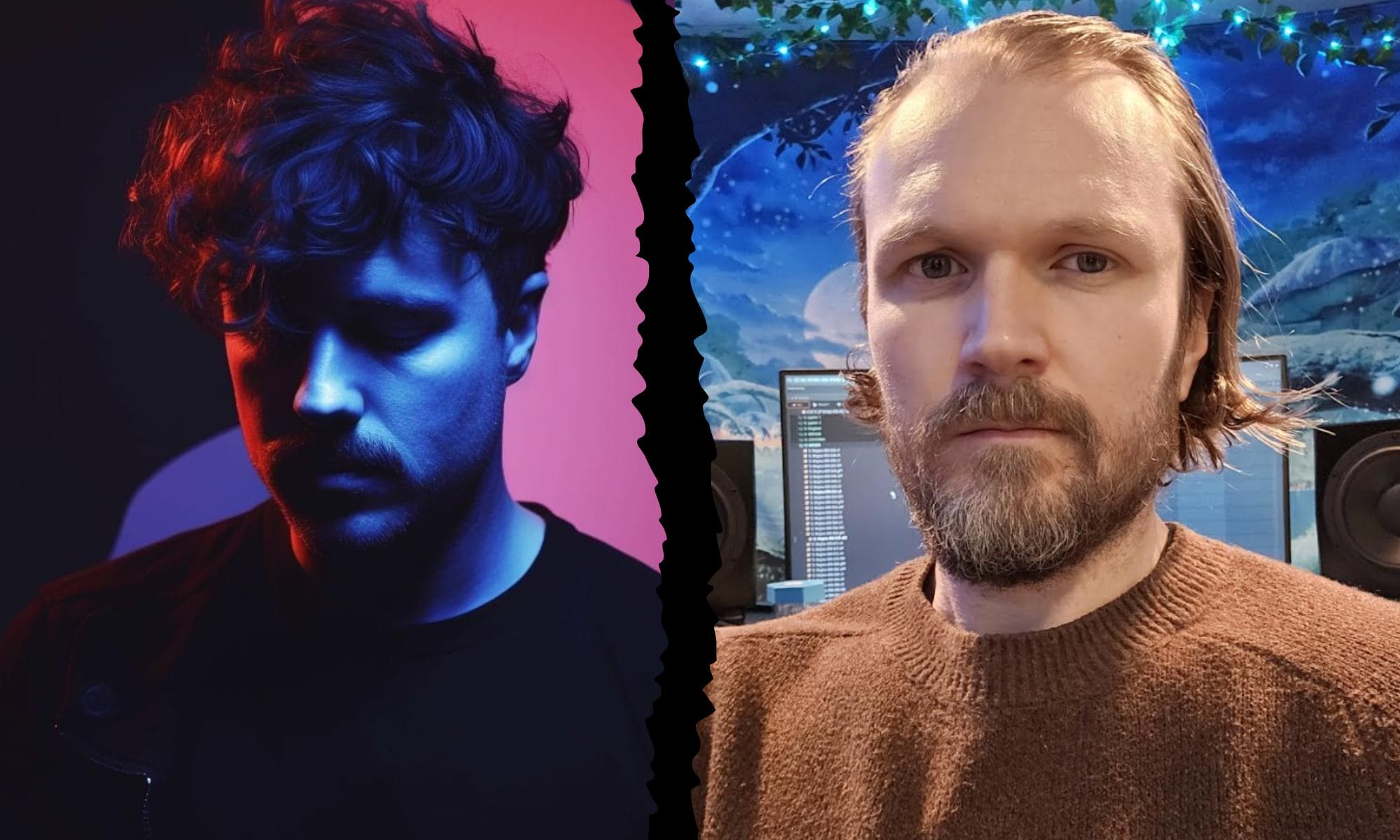
At the heart of that shift are Toby Emerson (Black Octopus Sounds’ Co-founder) and Slade Templeton (Black Octopus Sounds’ COO). The two aren’t trying to posture for attention—they’re investing in long-term systems that benefit producers first. In this interview, they break down how they’re integrating AI into their workflow (without letting it define their sound), what they’re building behind the scenes for 2025, and why the future of sample packs might depend more on community tools than on genre trends.
How has AI influenced the way you curate, create, or produce sample packs?
Slade:
AI is something we can’t run from. To be honest, it’s a great tool for inspiration and creation. That said, we’ve already been approached by several companies offering AI for sound design and sample pack creation—and they’ve all fallen short. Most of them need our packs to feed their training models, which still hits a ceiling. You can’t push things forward when you’re relying entirely on AI.
We don’t use AI for our sound design. We have a great roster of designers who bring real creativity to the table. We do use AI on the backend for things like metadata, file naming, categorization, and admin tasks. That saves the company hours of repetitive work without compromising our creative quality.
How do you balance AI-driven workflows with maintaining a unique sound and brand identity?
Toby:
We’ve never been against AI—but we use it intentionally. It’s great for backend processes and admin, but when it comes to sound design, nothing we’ve tested has matched the quality our team delivers.
Our brand identity is built on consistent formatting, reliable organization, and a high-quality listening experience across every release. That’s the result of human input and professional standards. Our unique sound comes from our roster of artists—not a machine.
Are there specific areas within sample packs or music production tools where you see the most growth right now?
Slade:
We’re still seeing growth in AI, even with its current limitations. We’re also developing proprietary software for the sample pack space. That’ll be launching in 2025. It’s designed to create new experiences for customers and help other sample pack labels too.
I can’t say more yet, but what we’re building is meant to take things in a different direction than what’s out there now. We’re staying ahead of that curve.
How do plugins and software tools factor into your sound design process? Are there any go-to tools?

Toby:
We’re spoiled today with how many tools are available. Personally, I prefer hardware synths because of the hands-on interface. But plugins still win for convenience.
Some of my current favorites are Plasmonic, Serum (a classic), and Arturia Pigments. Each one brings something unique, and they’re all part of the toolkit that helps us deliver polished, usable packs.
What role do you think user-generated content will play in the future of sample packs?
Slade:
A big one. We believe strongly in the idea of creators building for creators. That kind of community-powered model will take time to fully emerge, but it’s where we’re headed.
We’ve been working on something new for 2025 that gives our users more control and customization over their experience. It’s not ready to announce yet, but we’ve got tools in development that we think will reshape how people use—and contribute to—sample libraries.

Will Vance is a professional music producer who has been involved in the industry for the better part of a decade and has been the managing editor at Magnetic Magazine since mid-2022. In that time period, he has published thousands of articles on music production, industry think pieces and educational articles about the music industry. Over the last decade as a professional music producer, Will Vance has also ran multiple successful and highly respected record labels in the industry, including Where The Heart Is Records as well as having launched a new label with a focus on community through Magnetic Magazine. When not running these labels or producing his own music, Vance is likely writing for other top industry sites like Waves or the Hyperbits Masterclass or working on his upcoming book on mindfulness in music production. On the rare chance he's not thinking about music production, he's probably running a game of Dungeons and Dragons with his friends which he has been the dungeon master for for many years.