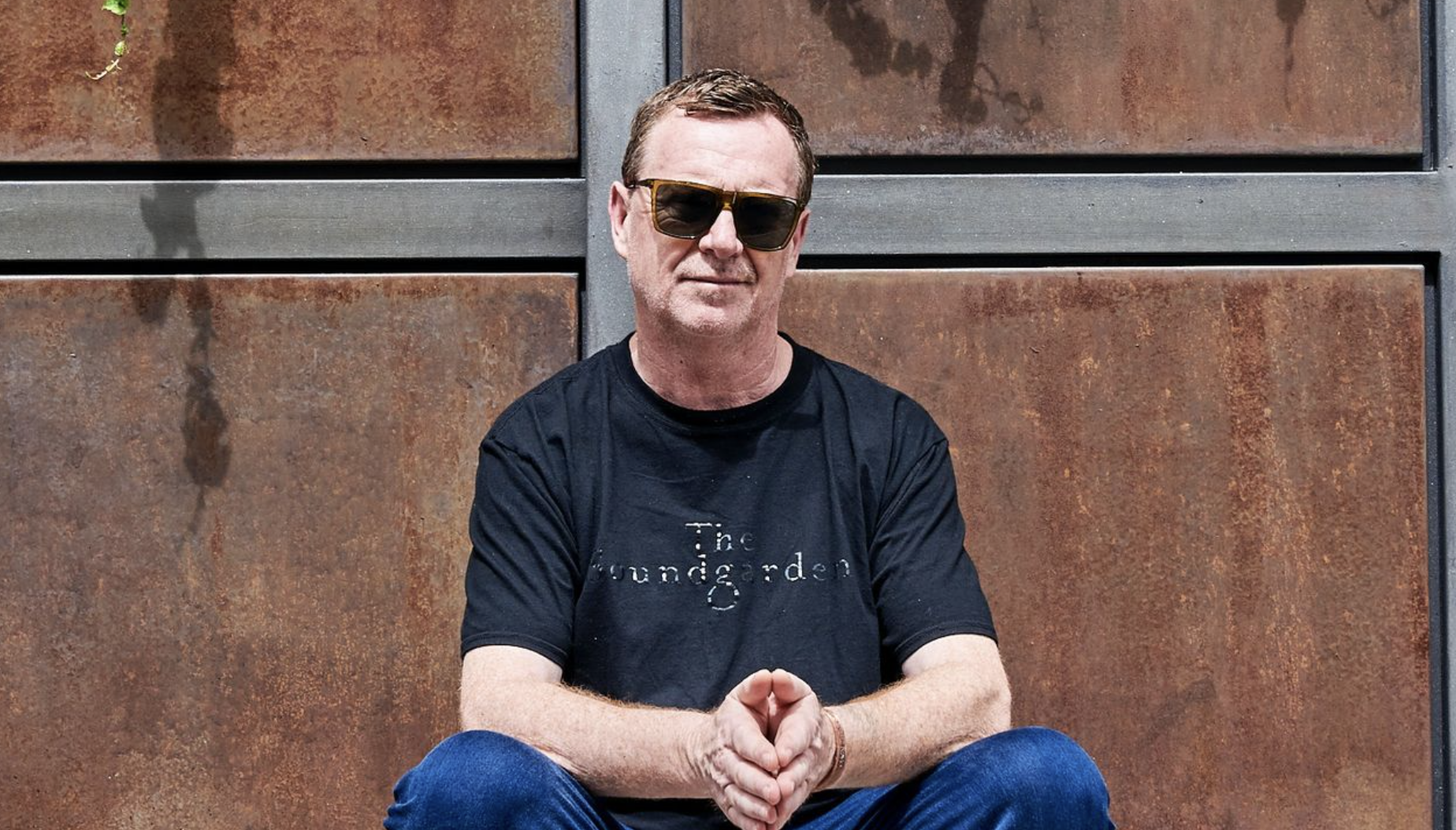
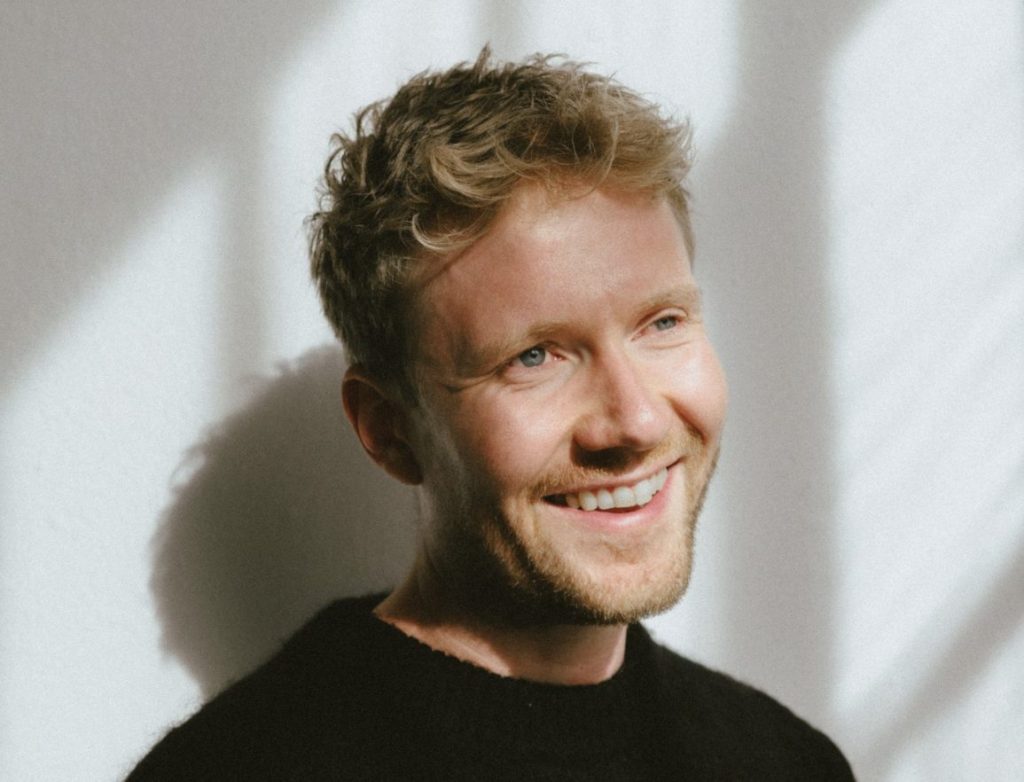
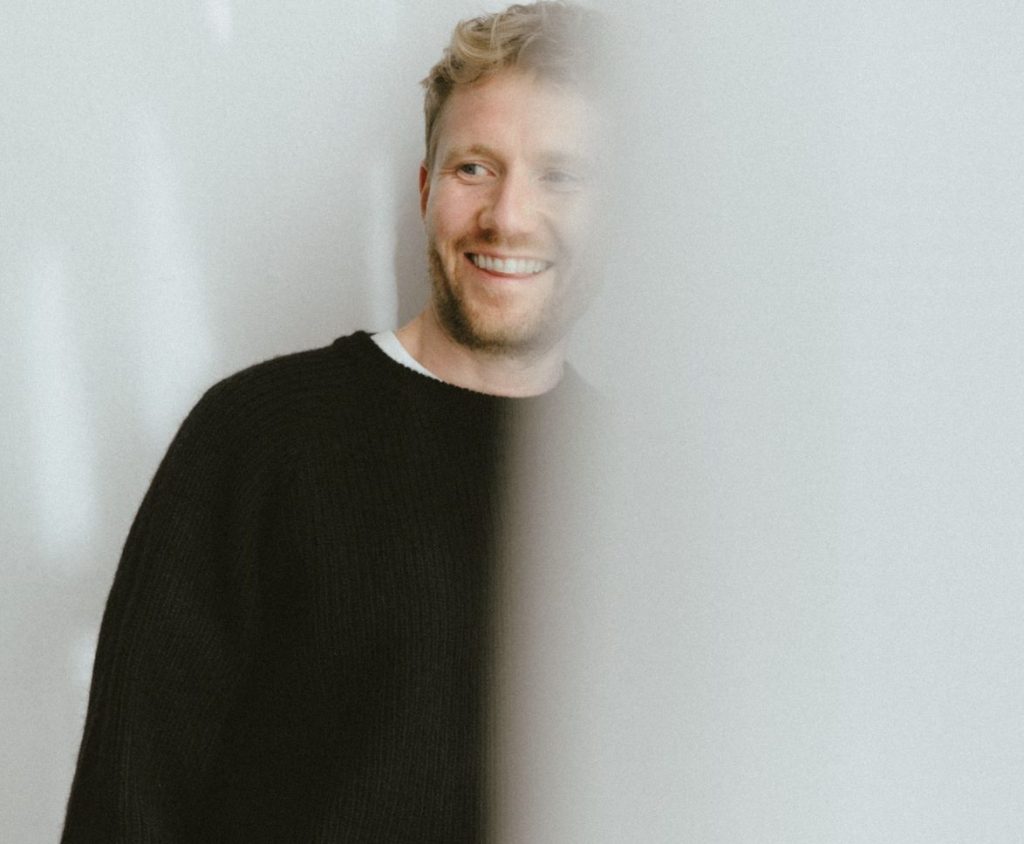
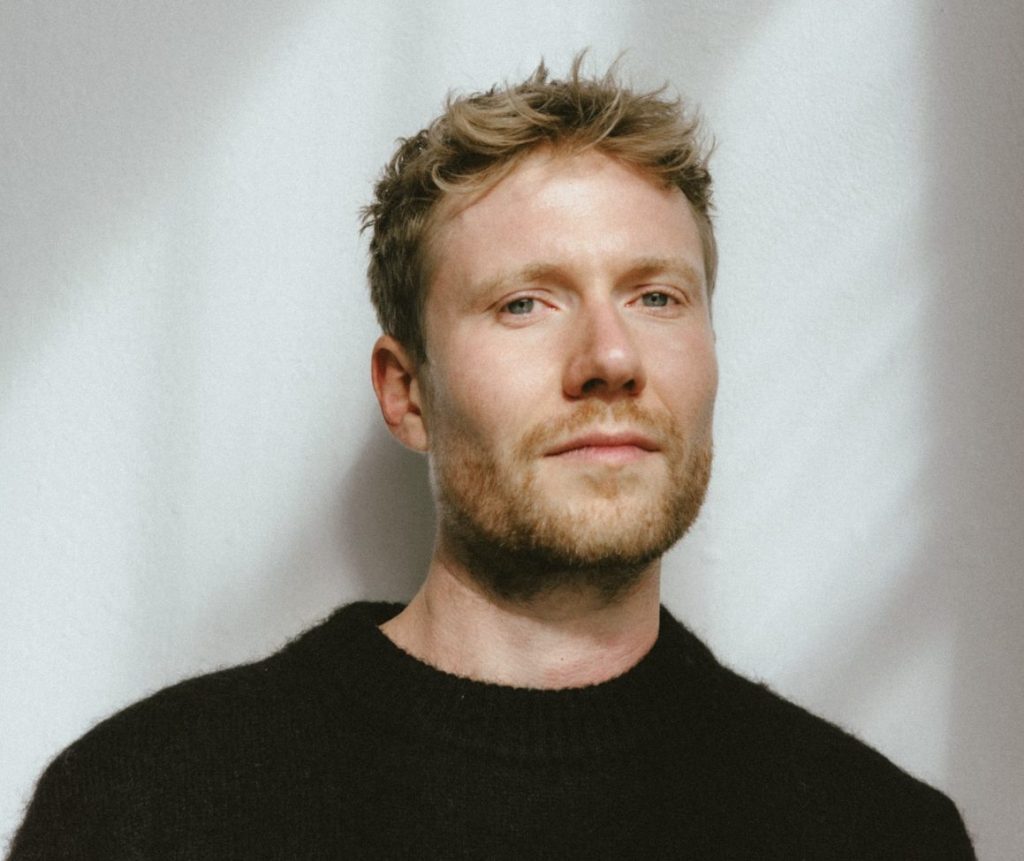
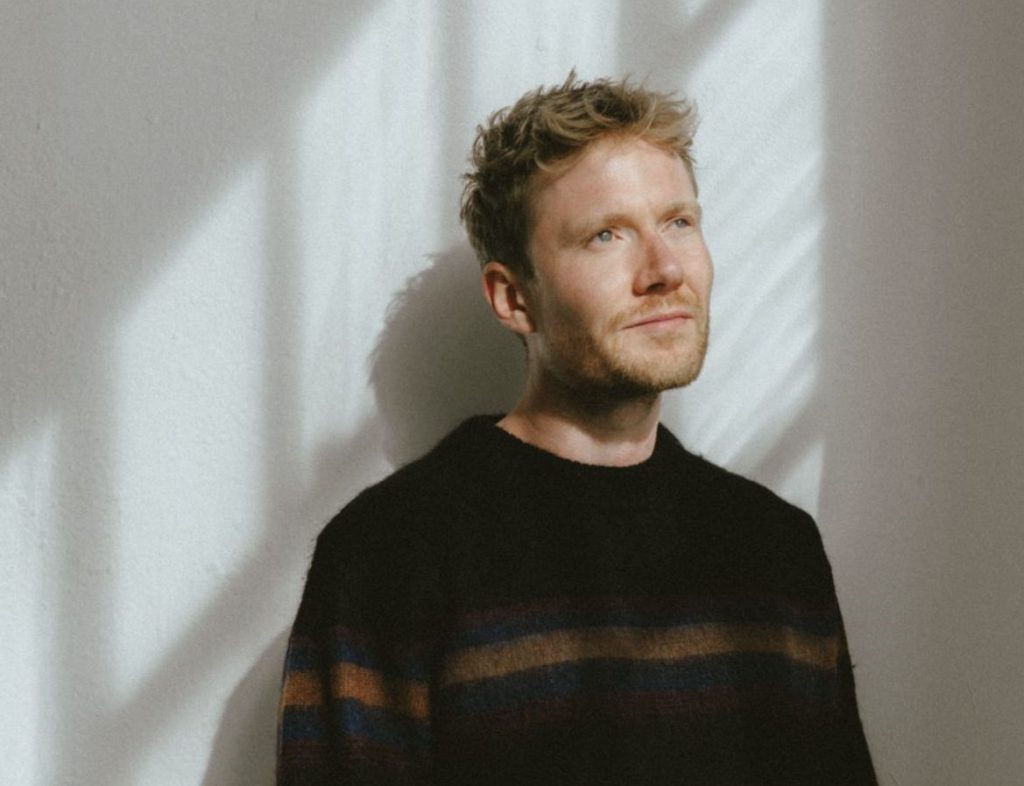
O’Flynn (@oflynnmusic) returns July 17 with Kairos, his third solo album and a record that brings him back toward the sample-led, travel-driven process behind his 2019 debut Aletheia.
Since first breaking through in 2015, the British producer has become a reliable name in UK electronic music, releasing across Blip Discs, Ninja Tune, and his own Hundred Flowers imprint while earning support from Four Tet, Ben UFO, Gilles Peterson, James Blake, and Bonobo. After Aletheia, 2021’s Talia, his work with Bonobo on Fragments, and the Frazer Ray collaboration Shimmer, Kairos feels like a return to a version of his music built around discovery rather than overplanning.
That sense of discovery also shapes how O’Flynn talks about production tools.
Kairos was made through listening, travel, samples, and letting ideas show him where they wanted to go, which makes his answers about AI and generative tools feel especially grounded. He is not precious about everything needing to be made from nothing, and he is clear that samples, loops, MIDI tools, and creative technology can all become useful starting points when they help the track move.
The line for him seems to be whether the tool helps the artist find an idea or replaces the part of the process where taste, judgment, and sonic identity are actually built. In the interview below, O’Flynn talks about why shortcuts are not the enemy, why personality in music still takes time, and why the process itself needs to remain joyful enough to keep returning to.
For a record like Kairos, that point matters because the album’s world does not come from polish alone. It comes from curiosity, hours spent searching, and the willingness to let sound lead somewhere less obvious.
Interview With O’Flynn
What part of an artist’s work loses something when it gets outsourced too early to generative plugins and tools like generators or AI, even if these feel like useful tools?
I think there is no set way to start a track. I believe inspiration can come from anywhere. It is healthy to try and start pieces of music in different ways, whether that is jumping on a piano, a guitar, or a bass to try and riff an idea out, or creating a drum pattern on a drum machine or kit.
I also think starting with a vocal sample, or finding a sample to build a track around, is often a way you can build something very quickly because the main element is already there. Sometimes it can be quite hard to build a full track and then, when it is missing the hook, try to put the right one in. If you start with the hook, it is usually a much more fluent process.
I do not think it is necessarily a bad thing to start with a MIDI generator, create arps for yourself, or run random rhythms. I think they can actually inspire a track to be formed, so I would not view these as negative things.
AI is a slightly different conversation, obviously. If something can just create a full track for you, I do not think that should be part of the conversation. It is sort of irrelevant.
But if you were to sample off a record, like a drum break or a vocal, or use AI to rip a vocal from a track to build a tune around and recontextualize it, that is a pretty powerful, fun, and creative way to sample. It is being used by a lot of the top artists at the moment.
I do not think everything needs to be built exactly from scratch. Sometimes you will find a pre-made loop in a sample pack that just happens to fit the track perfectly. And if it fits perfectly, why would you change it if that is the best thing for the piece of music?
It is very hard to create pieces of music that other people want to listen to, so I do not think you should try and hinder yourself by setting rules about what you can and cannot do.
As production tools keep getting faster and smarter, what do you think separates a finished record from one that actually carries the artist’s point of view?
I do not think the answer to making amazing music is taking as many shortcuts as you can. I think music is made in lots of different ways, but very rarely is it easy.
I was told when I was younger that you need time on the ground to find your sound. What that really means is you need to put hours and hours of practice into making music, experimenting, and exploring to really start finding a personality within music.
I think you can still use smart plugins and have that personality, but I do not think there is any shortcut to getting that personality, and therefore your own sound and your own sonic identity.
Where do you think convenience starts to blur the line between helping an artist move faster and making too many decisions on their behalf?
We live in a chaotic industry at the moment where quantity has started being rewarded over quality.
I think it is important for people to still learn how to do things the slow way. That is how you develop skills, and those skills build over time to become the foundation of your ability.
If you always take the convenient shortcut, I do not think you will ever truly build the necessary skills to keep improving yourself.
Which parts of making music still need to stay hands-on because they build the ear, judgment, and instincts that an artist relies on over time?
I think this goes back to what I said previously. Not trying to take too many shortcuts at the beginning is definitely the best way to go.
Just learning software, experimenting, trying things, and finding joy in the process of making music is the best way to make good stuff. I think that is the best way to find a sonic identity as well.
Instead of viewing music as needing to create a finished product to sell, it should be viewed as a joyful, magical thing. It is the closest thing we have to magic, and there is no end to it.
It should all be about the joy of learning, the joy of endless exploration, and the possibility of being able to create anything and build worlds with sound.
People who have done this to an exceptionally high level would be Burial on Untrue or Flying Lotus on Cosmogramma. They really take the listener into their own world.
There is no set formula for how you learn, and there is no machine that can do that for you. That was those people’s personalities, their work, and their identity going into something with love, passion, and joy.
I think that is the answer, rather than worrying about trying to get a finished product. That is not the point of everything.
How can artists stay open to new technology without letting the tools quietly train their taste for them?
I think the process of making music should just be seen as fun, a joyful thing that you feel rewarded for doing.
The use of tools, advanced plugins, or even AI is not necessarily a bad thing if they can be used creatively and in a rewarding way.
Obviously, we now have the ability to just type a few words into a box and create a full track, but that is not going to be rewarding for whoever does it. It is not going to feed the soul.
Even if no one listened to the music I made, I would still make it because of what it gives me in the process: that joy, exploration, and creative outlet, which is amazing.
If you just take all the shortcuts you possibly can, it scrubs out any of that creative joy and reward. I think that would be the biggest takeaway from all of this.

Will Vance is a professional music producer who has been involved in the industry for the better part of a decade and has been the managing editor at Magnetic Magazine since mid-2022. In that time period, he has published thousands of articles on music production, industry think pieces and educational articles about the music industry. Over the last decade as a professional music producer, Will Vance has also ran multiple successful and highly respected record labels in the industry, including Where The Heart Is Records as well as having launched a new label with a focus on community through Magnetic Magazine. When not running these labels or producing his own music, Vance is likely writing for other top industry sites like Waves or the Hyperbits Masterclass or working on his upcoming book on mindfulness in music production. On the rare chance he's not thinking about music production, he's probably running a game of Dungeons and Dragons with his friends which he has been the dungeon master for for many years.