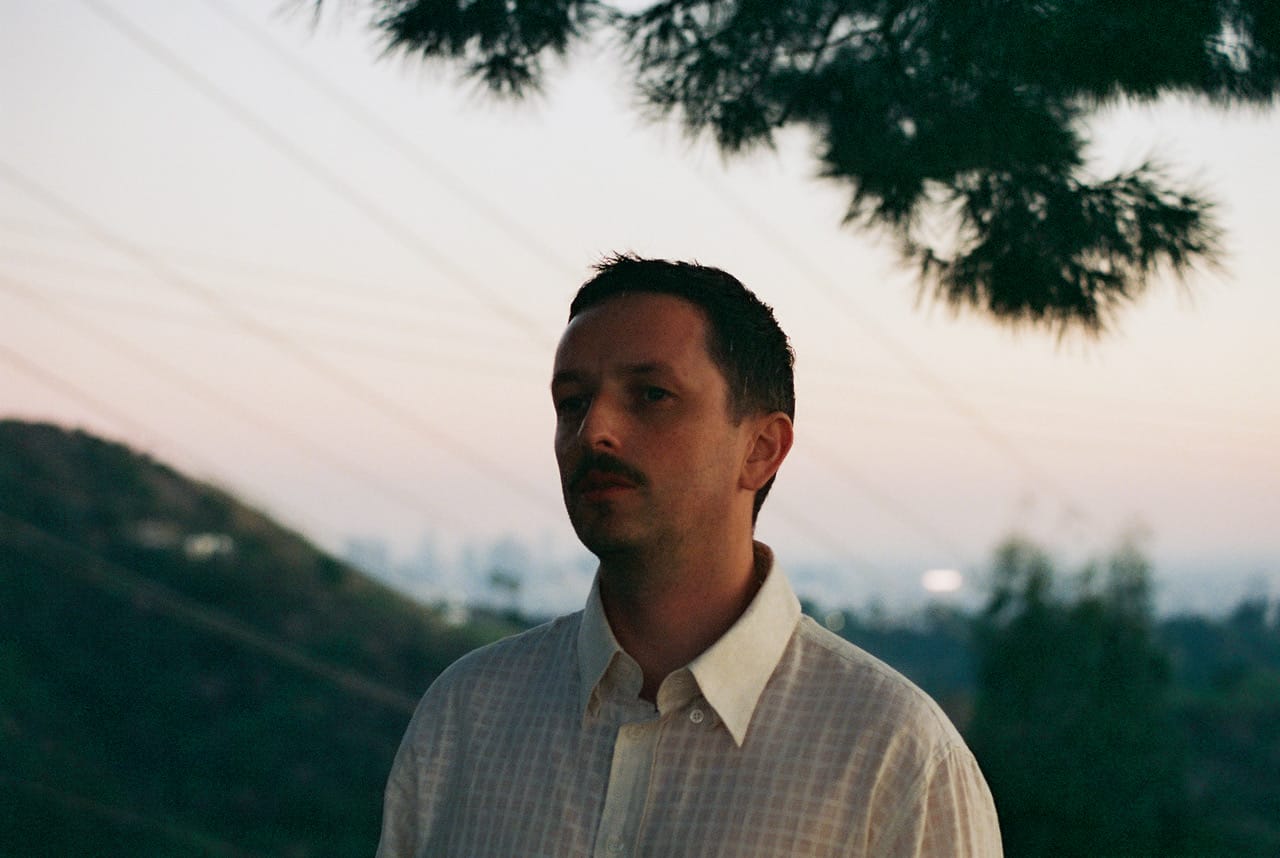
LaFontaine’s Chensō EP dropped via MOOD, and it puts the Icelandic producer into a direct, high-pressure techno lane without overcomplicating the point. Johannes LaFontaine has been making music since childhood, and after discovering techno through Oculus’ “UNI” and Luke Slater’s Planetary Assault System project, he started building a sound that sits close to the physical side of the genre. Across his solo work, collaborations, and releases on labels including Mote-Evolver and LÍM, that focus has stayed pretty consistent.
The three tracks on Chensō all work inside that same framework while pushing at slightly different parts of the room. “Chensō” opens with heavy kicks, tense hats, and shadowy vocal textures, while “Subhuman” brings brighter synth flashes and tighter percussion into something closer to peak-time pressure. “WFTR” closes the EP with crunchy percussion, looping motifs, and brief string-led breaks that give the track just enough drama without pulling it away from the floor.
In the interview below, LaFontaine talks about discovering techno early, the difference between respecting genre history and treating DJs like formal cultural archivists, and why supporting artists matters more than making the conversation around preservation too heavy. For him, the line is simpler: play what you like, support the people who made it, and go deeper if the music makes you want to.
Interview With LaFontaine
When did you first start digging into the history of the genres you play?
I started making music when I was 11 and got into techno three years later after discovering the track “UNI” by Icelandic artist Oculus and Luke Slater’s Planetary Assault System project.
How do you balance honoring the tradition and history of the music on your USBs while still pushing your own sound forward?
I do not really think about it in a strict way. Some sets lean more toward classics, others are mostly new tracks, and a lot of the time it is a mix of both.
Are there moments where you have been involved with something that felt bigger than just music and actually felt like you were pushing the culture of club music forward in a positive direction?
Anything and everything I have worked on with Jamesendir, Exos, and Samwise.
What role do you think DJs should play in preserving the cultural memory of what came before?
I do not think DJs necessarily need to be seen as cultural curators in a heavy sense.
But I do think there is a responsibility to respect the music: support the artists, avoid ripping tracks, and do not gatekeep. That is more important to me than trying to preserve history in a formal way.
Do you feel like enough people in the scene are doing the work to understand where the music on their sticks comes from?
It varies. Some people do put in the work to understand where the music comes from, and some do not.
I do not think there is a single rule for it. Play what you like, and if you want to dig deeper, do it. If not, that is your choice too.

Will Vance is a professional music producer who has been involved in the industry for the better part of a decade and has been the managing editor at Magnetic Magazine since mid-2022. In that time period, he has published thousands of articles on music production, industry think pieces and educational articles about the music industry. Over the last decade as a professional music producer, Will Vance has also ran multiple successful and highly respected record labels in the industry, including Where The Heart Is Records as well as having launched a new label with a focus on community through Magnetic Magazine. When not running these labels or producing his own music, Vance is likely writing for other top industry sites like Waves or the Hyperbits Masterclass or working on his upcoming book on mindfulness in music production. On the rare chance he's not thinking about music production, he's probably running a game of Dungeons and Dragons with his friends which he has been the dungeon master for for many years.