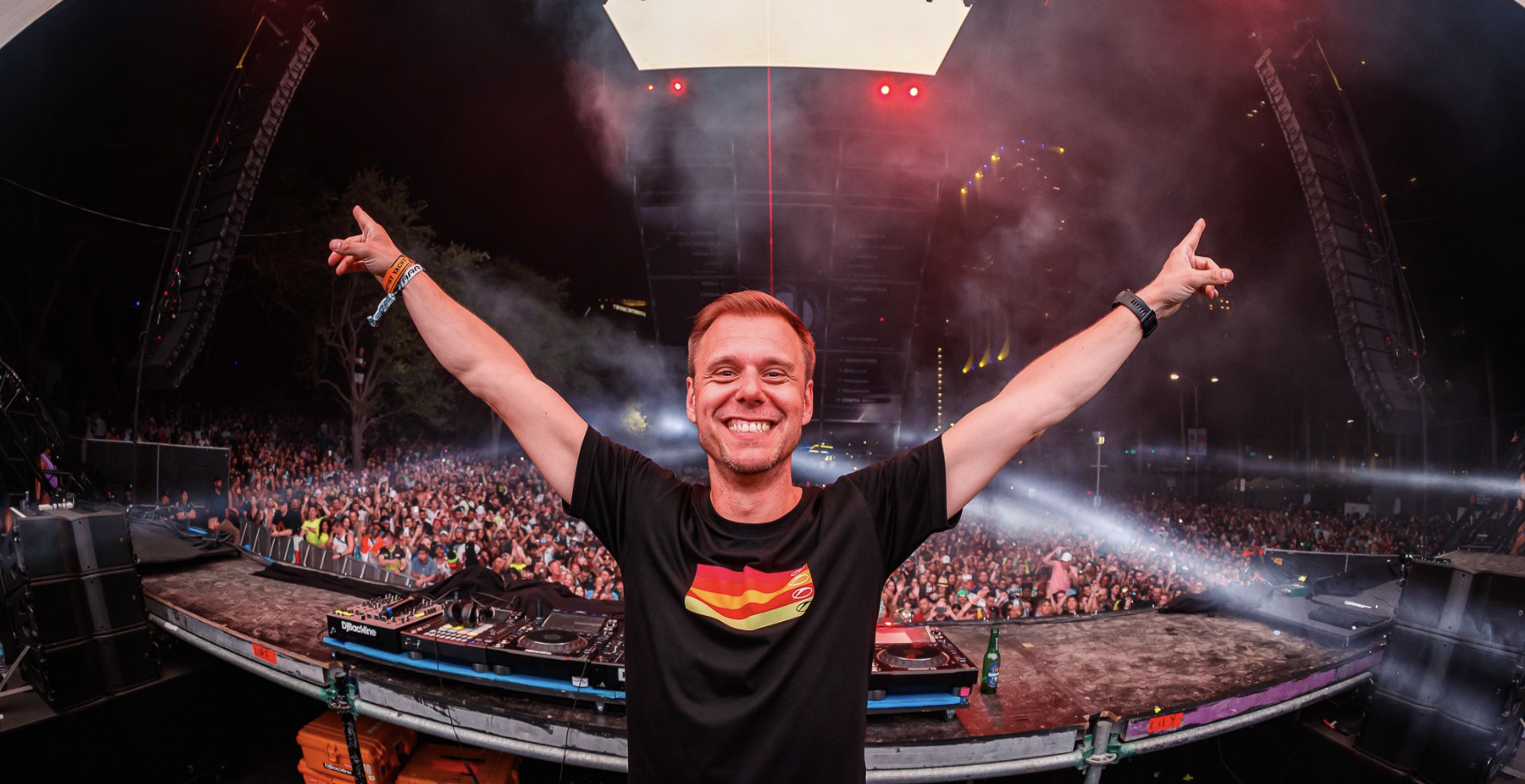
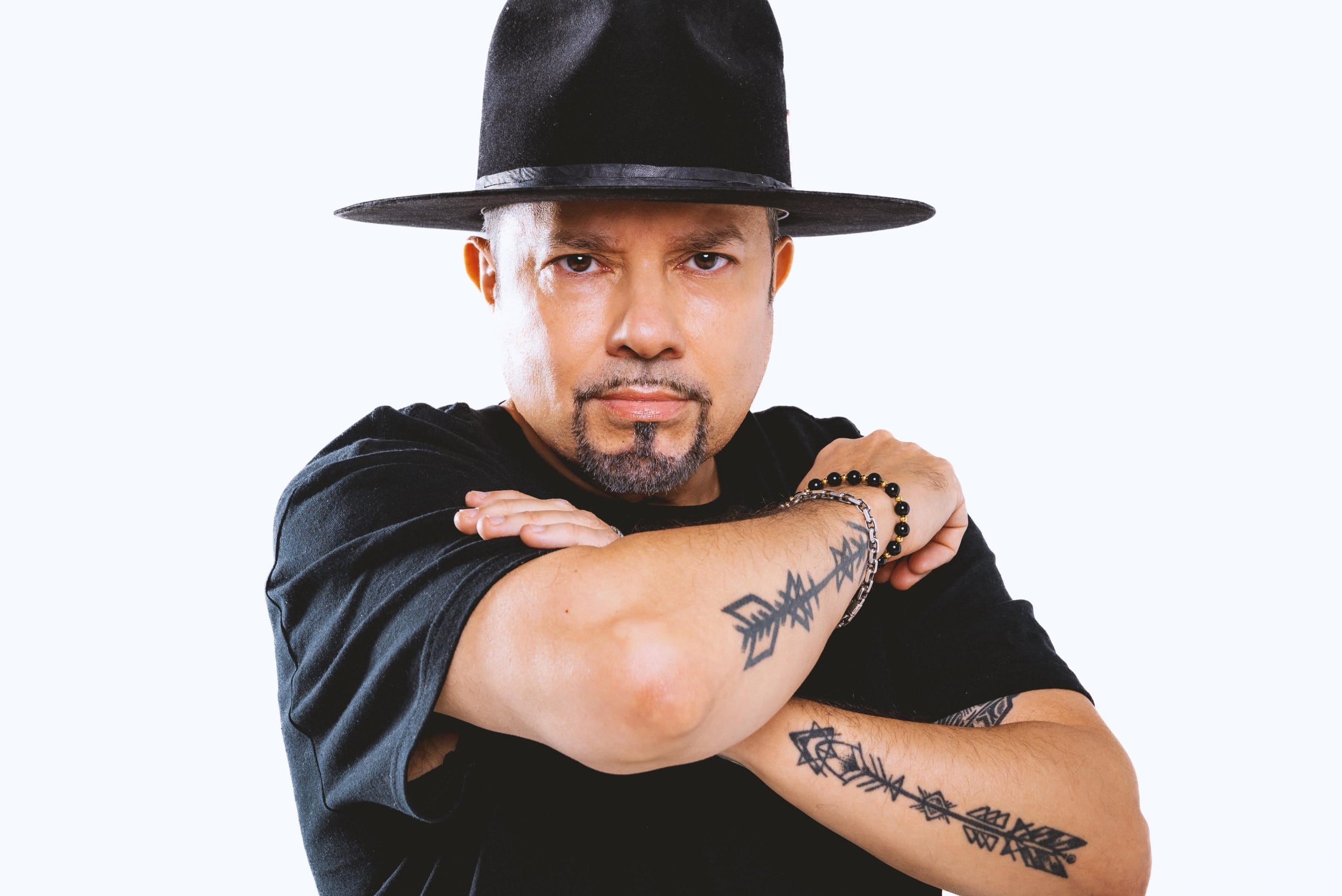
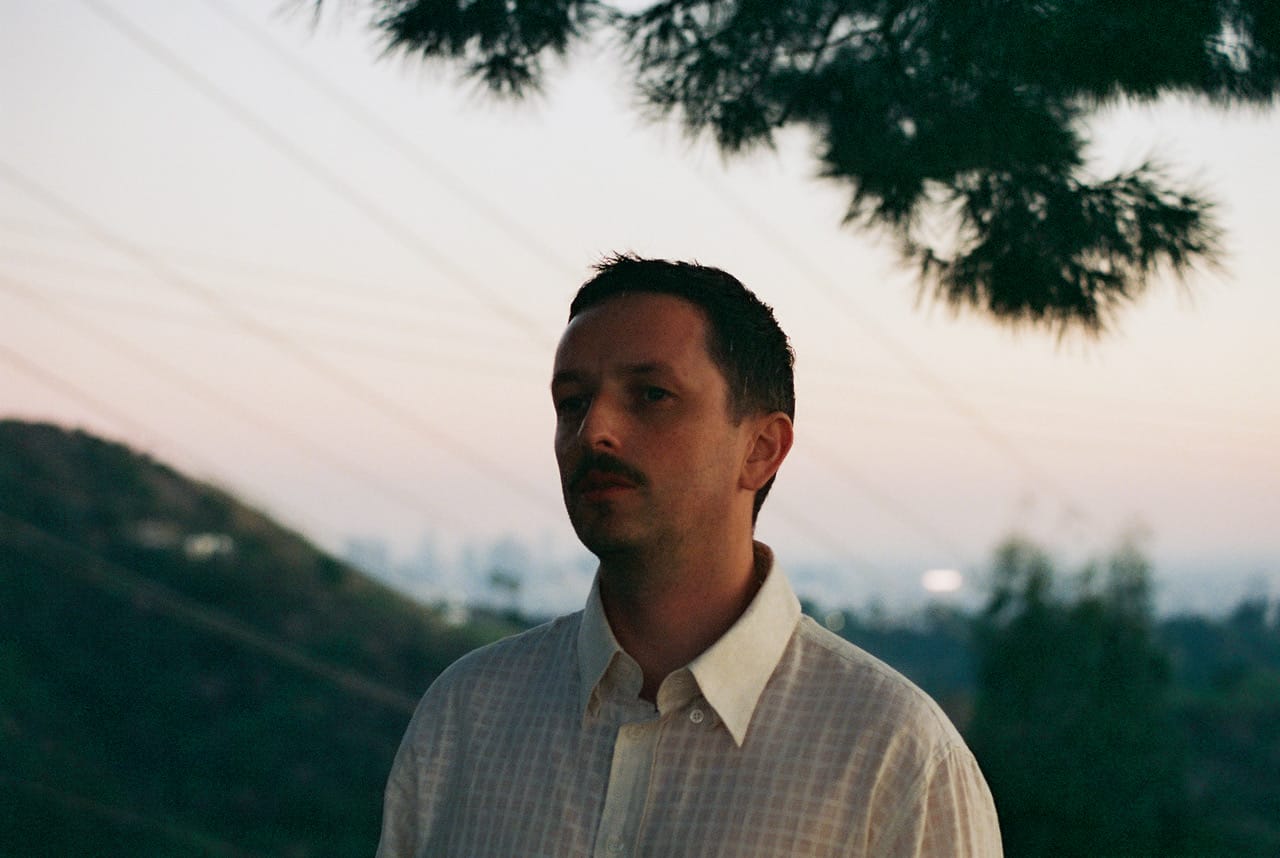
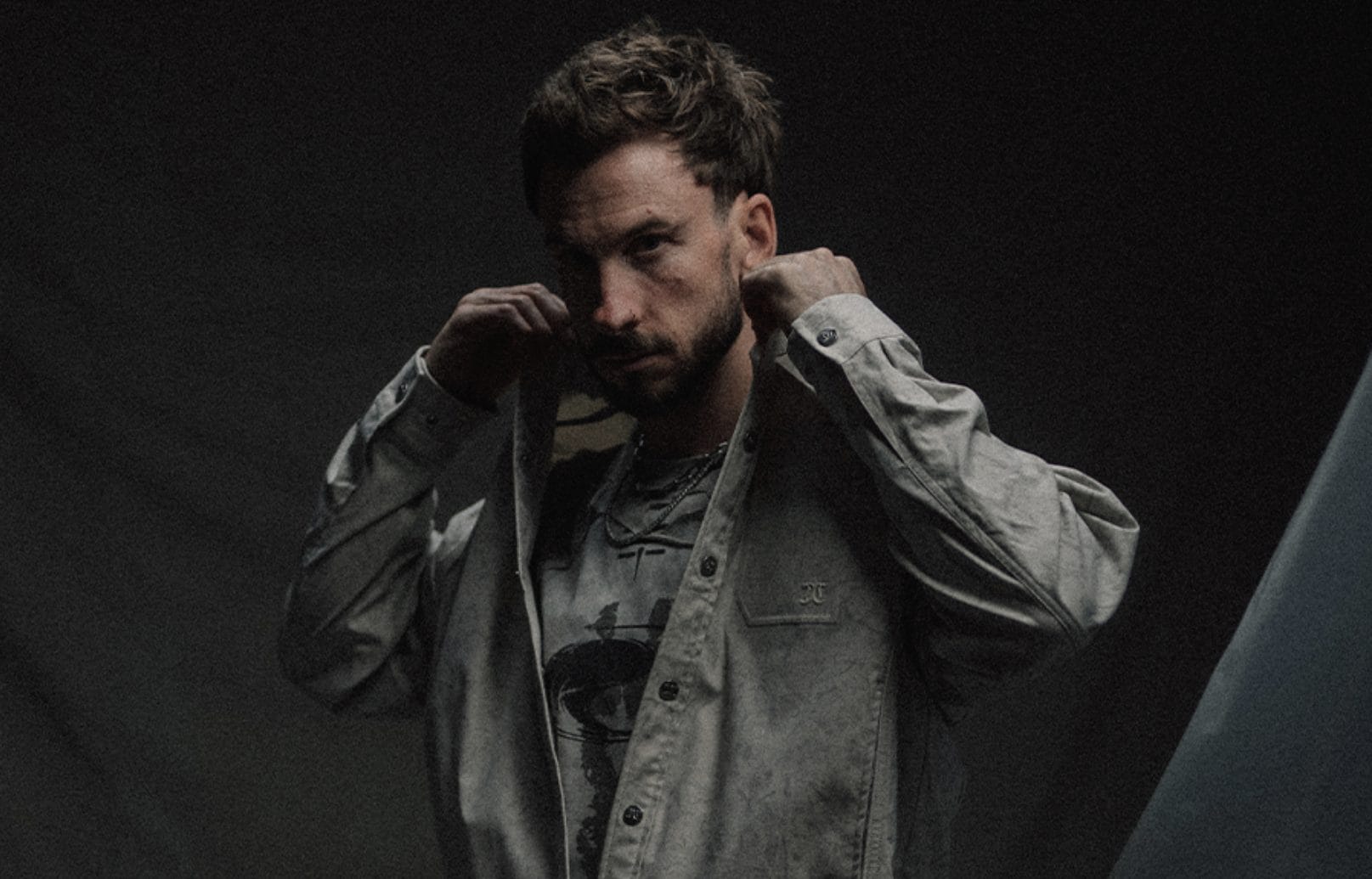
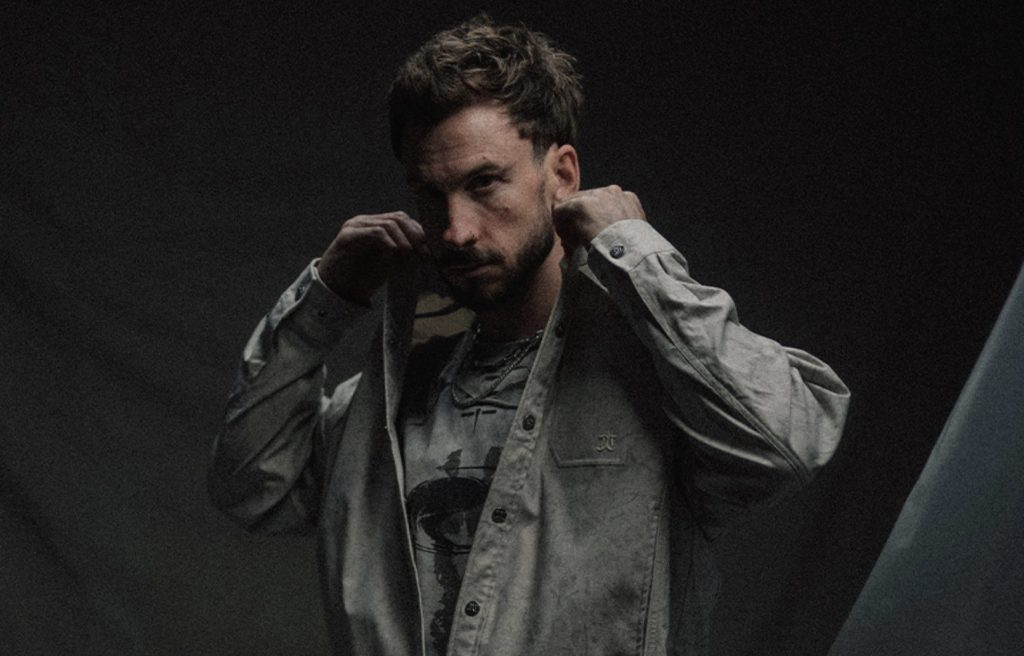
Dimmish (@dimmish_music) has built a name around records that move quickly across clubs, DJ libraries, and digital platforms, and his next run adds another clear marker to that path. His free download “Yoshi” lands via FabricLondon Records on May 29, 2026, followed by the first DENSER show at Tantra in Ibiza on July 2, 2026. For an Italian DJ and producer closely linked with minimal and tech house, those details point toward an artist still thinking about catalog, club use, and long-term connection with music.
That focus gives this interview a useful perspective.
Dimmish speaks about the difference between owning records and streaming them instantly, then gets into how he organizes his library, filters new music, and keeps certain records tied to his identity over time. For DJs, that subject feels especially relevant right now because access has become easier, while curation still takes patience, repetition, and a clear sense of what belongs in a set.
The conversation below gets into the habits behind that process, from focused listening and folder organization to testing records live and revisiting them weeks later. It also frames “Yoshi” and the upcoming DENSER date within a bigger idea: a DJ library should reflect taste, memory, and function, instead of serving as a pile of files collected because they were easy to find.
Interview With Dimmish
How do you think about the difference between owning music and accessing it instantly through streaming platforms?
For me, they are two very different experiences.
Owning music creates a real connection with a track: you choose it, keep it, and give it value over time. Streaming is an incredible tool for discovering new music quickly and accessing huge catalogs instantly. I think the ideal balance is using streaming to explore and ownership to build identity and musical memory.
Has streaming changed how you build or maintain your library?
Yes, definitely. Today, the research process is much faster and more fluid. I can listen to a huge amount of new releases in a short time and quickly filter what truly connects with me. My final library does not live only on streaming platforms.
The tracks I consider important are organized, archived, and added to a personal selection built for clubs and for my artistic path.
What helps you ensure your crates reflect deliberate curation rather than turn-and-burn levels of convenience?
Curation requires time and intention. I try not to collect music because it is available. I listen to tracks across several passes, evaluate if they have personality, if they can last over time, and if they truly speak my language. I would rather have fewer records with a clear direction than hundreds of files with no identity.
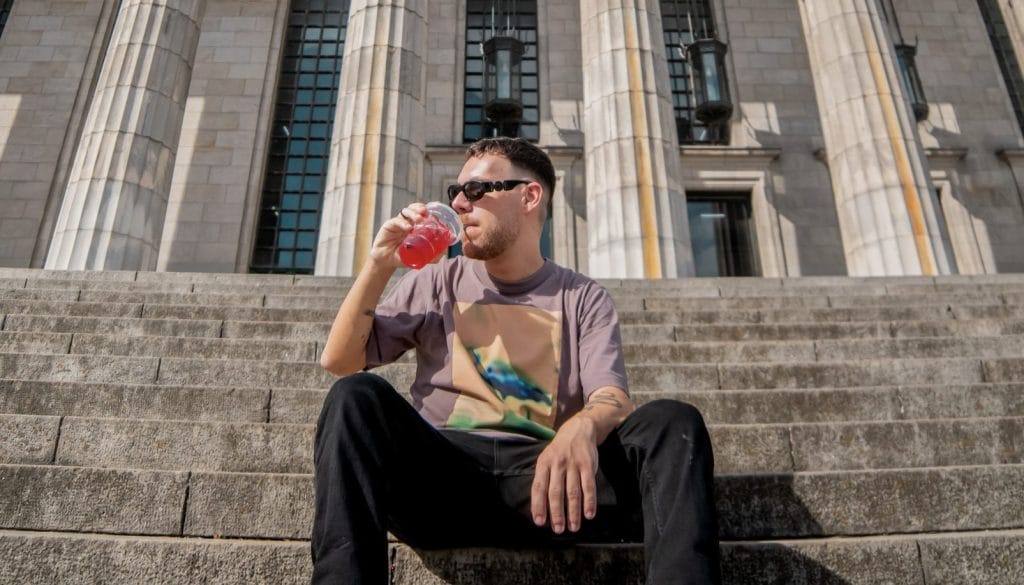
When so much music is being released and hitting your inbox each week, how do you preserve music that defines your identity?
I often go back to the tracks that defined different phases of my path. I keep dedicated playlists and folders for records that remain essential to me, regardless of current trends.
New music is important, and having a solid foundation of tracks that represent who you are artistically is what makes you recognizable over time.
Has ease of access influenced how you commit to certain records over time, or fall in love with them?
Partly, yes. When everything is instantly available, the risk is consuming music too quickly.
That is why I try to slow the process down. If a record really connects with me, I revisit it in different contexts, test it in my sets, and come back to it weeks later. The tracks that survive that test are the ones I build a real relationship with.
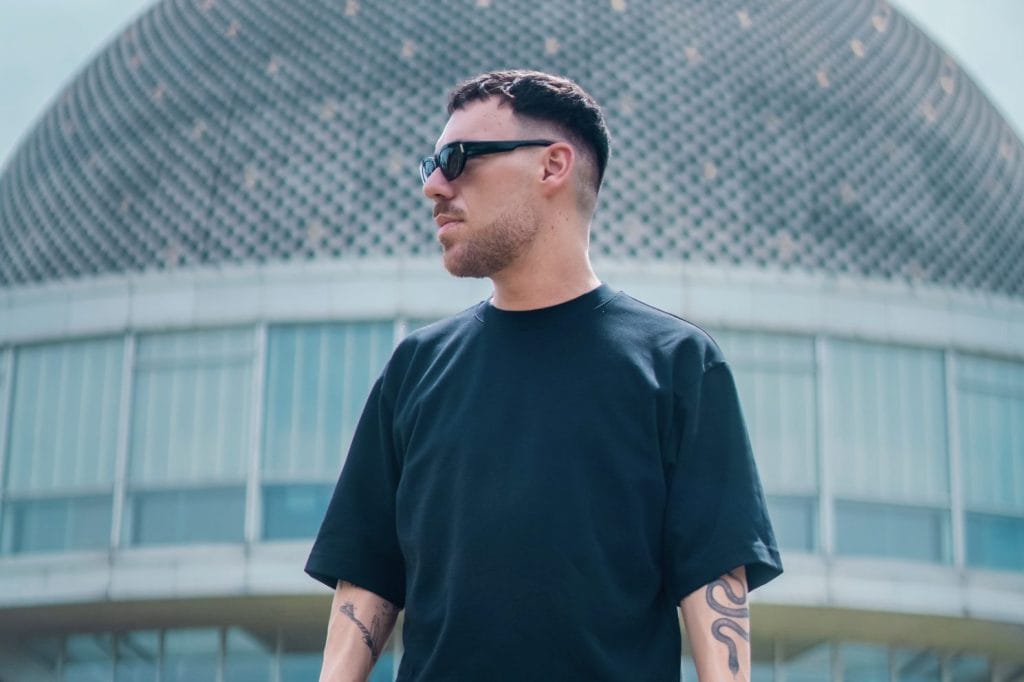
What practices help you stay intentionally connected to your music in a streaming-first workflow?
It helps me to dedicate focused time to listening without distractions, keep my library organized, and test tracks live to understand their real impact. I also try to give music context by understanding where an artist comes from, which label a release is on, and what culture it represents.
That makes listening deeper and more meaningful, instead of superficial.

Will Vance is a professional music producer who has been involved in the industry for the better part of a decade and has been the managing editor at Magnetic Magazine since mid-2022. In that time period, he has published thousands of articles on music production, industry think pieces and educational articles about the music industry. Over the last decade as a professional music producer, Will Vance has also ran multiple successful and highly respected record labels in the industry, including Where The Heart Is Records as well as having launched a new label with a focus on community through Magnetic Magazine. When not running these labels or producing his own music, Vance is likely writing for other top industry sites like Waves or the Hyperbits Masterclass or working on his upcoming book on mindfulness in music production. On the rare chance he's not thinking about music production, he's probably running a game of Dungeons and Dragons with his friends which he has been the dungeon master for for many years.