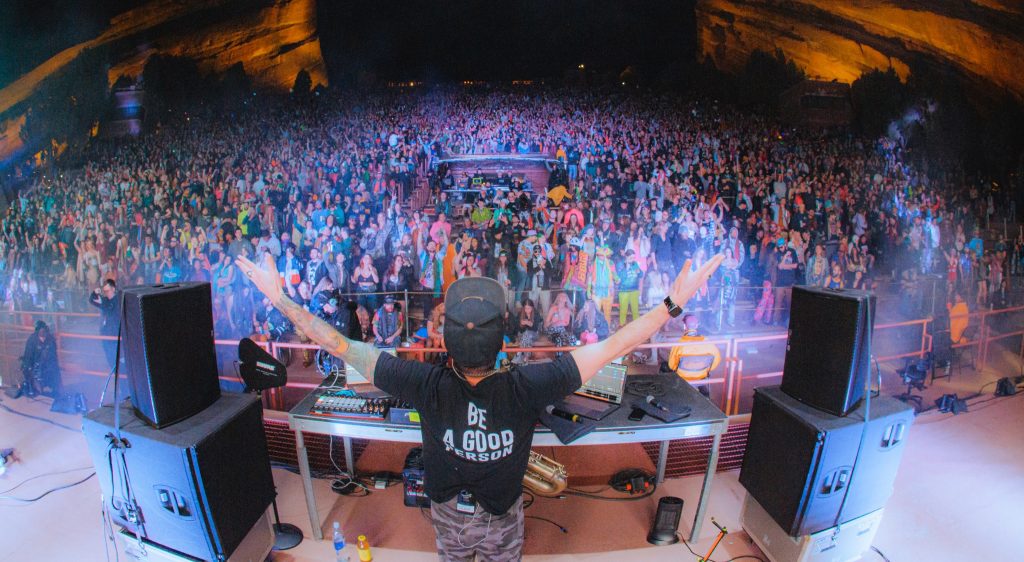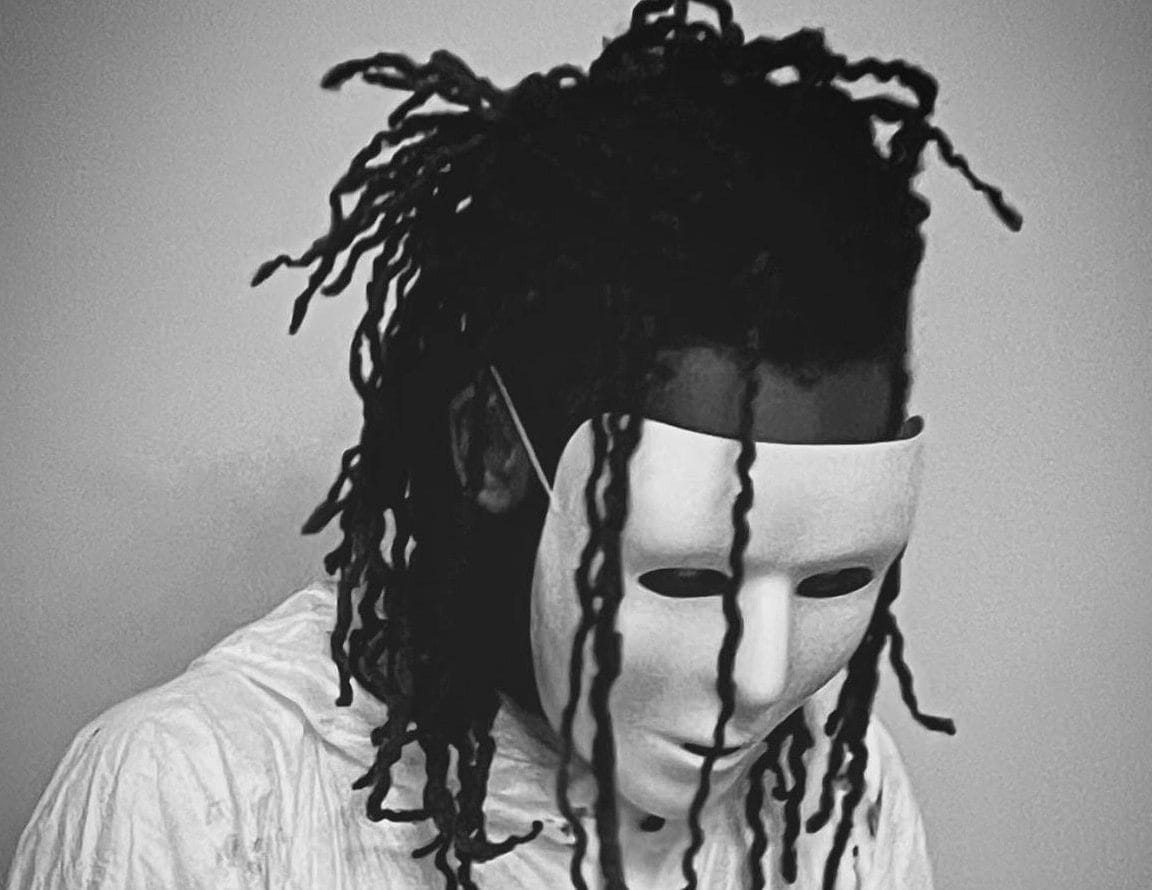
This interview was created in paid partnership with Jay Divad. I chose to cover the project because I genuinely connect with the music. All editorial opinions and wording are my own, and Jay’s interview responses remain his.
Jay Divad’s first solo mixtape, with whom this article is made in partnership, is built around reflection, heartache, and the kind of personal history he says he usually avoids talking about directly. The project took close to three years to finish, and that timeline shows up in the way he describes it: less like a quick introduction and more like a release valve for emotions that had been building across different stages of his life. Tracks like “Black Solare,” “Word Up,” “Pink,” “Often,” and “Ocean Blue” point toward an artist still moving freely between genre instincts, visual language, and emotion-first writing.
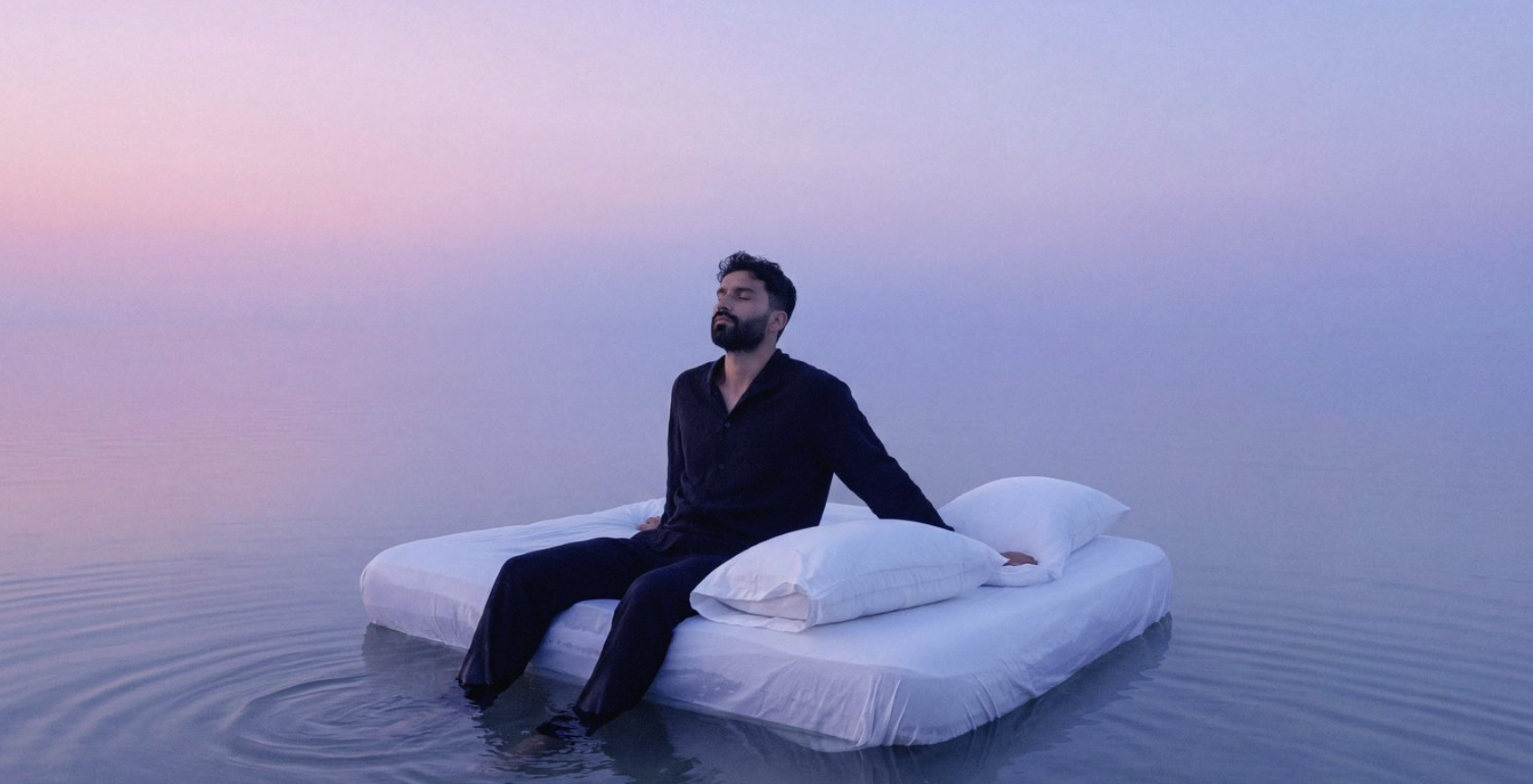
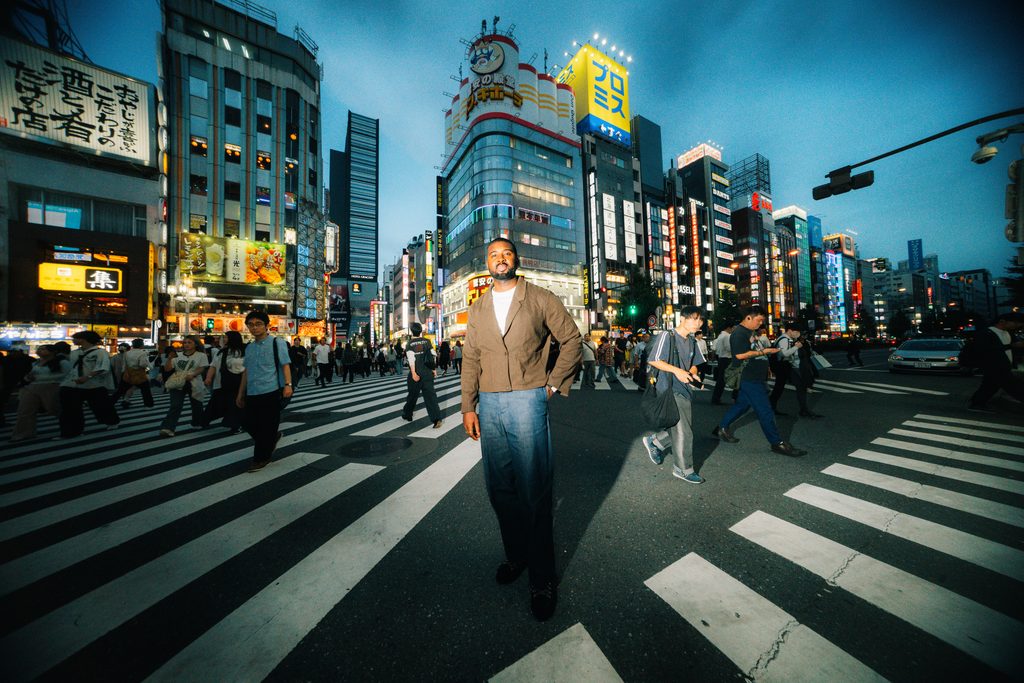
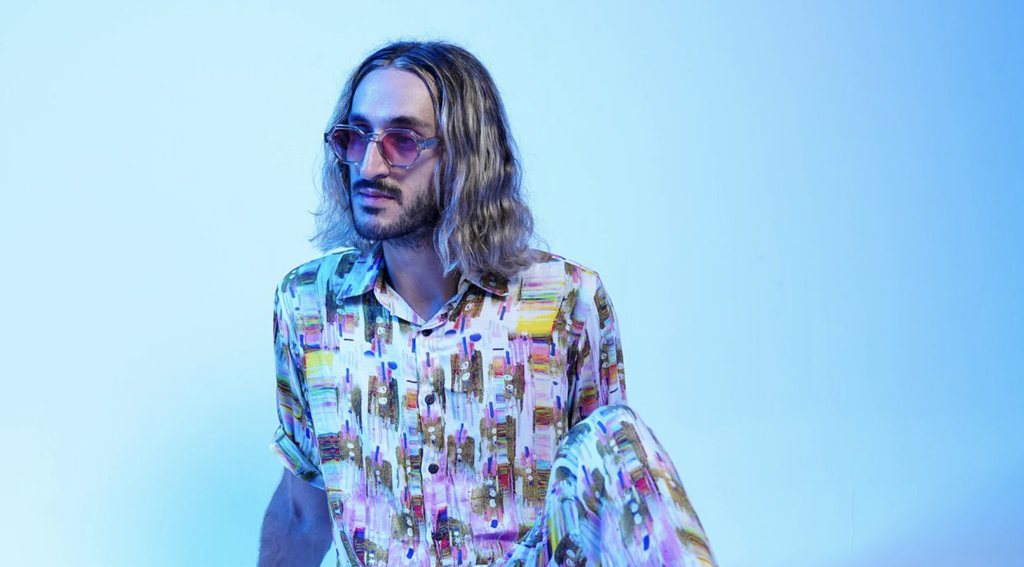
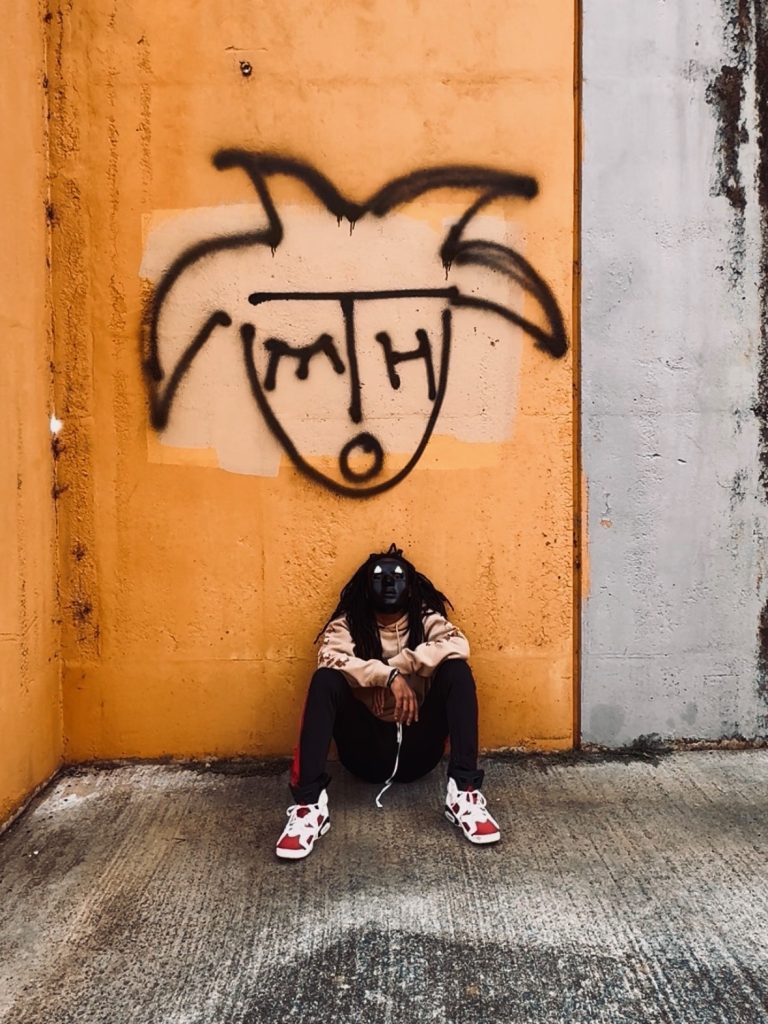
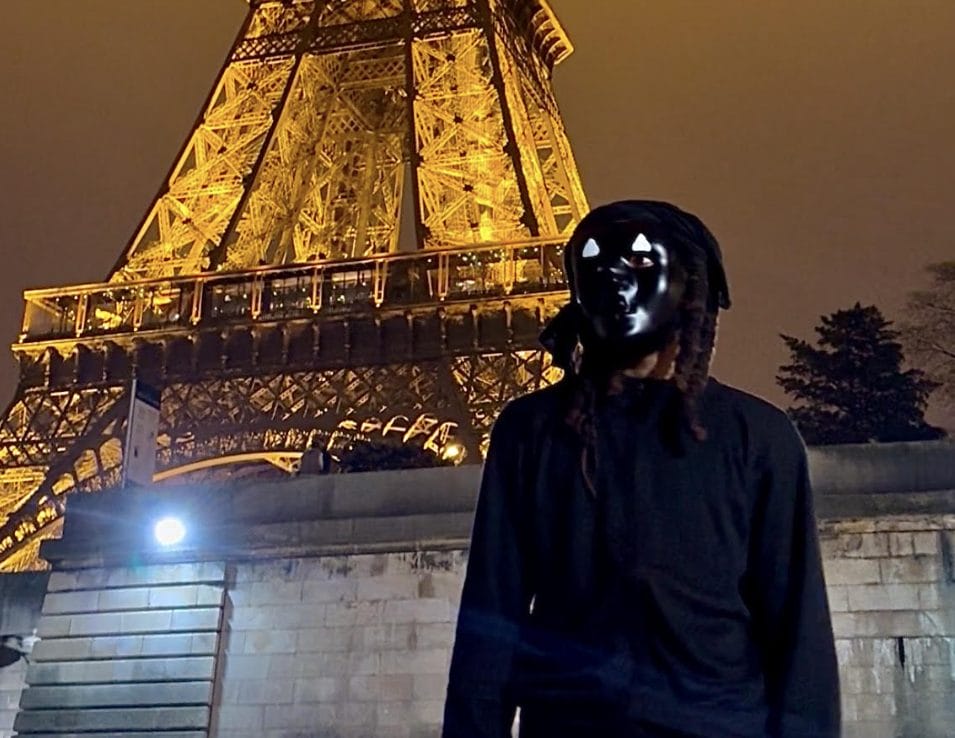
Before music became the main outlet, Jay’s creative life started in modeling around 2020 before moving further into art in 2022. He has traveled to Paris, London, and Tokyo, spent time around Atlanta’s creative scene, and built a visual identity that keeps some distance between the work and the person behind it. He says much of his audience still does not know what he looks like, which gives the project a more mysterious charge and keeps the focus on the songs, imagery, and emotional tone.
In the interview below, Jay talks about using music as an escape, writing from heartache, seeing emotions in colors and patterns, and shaping the project like a film playing back across different emotional states. His answers circle around the same idea from a few directions: creativity gave him a way to process what he had been carrying, and this mixtape became the first time he felt ready to let people into that part of the story.
Interview With Jay Divad

What did you want your first solo mixtape to establish about Jay Divad?
This project was truly about telling a more in-depth story about myself. I wanted to give my audience a true and vulnerable side of who I am.
I hate speaking about my history, so I use music as an escape and an outlet to keep people inspired and to help them trust themselves and their creative intuition. I want to give people the idea to evolve and push past the boundaries in their minds, but I knew it started with self.
This solo mixtape was an outlet for me to let go and get back to what felt real and more personal. Collectively, the process took close to three years to fully finish, and a lot of that was just dealing with things and learning how to evolve and grow. I hope to inspire all creatives, regardless of medium, to express openly and do whatever makes them feel happy.
How did heartache push you toward music and shape this project?
I feel everyone goes through consistent heartache at some point in their lives. A lot of people start to detach from reality and mold into a version of themselves that they are not too proud of when it is all said and done.
I feel I was a victim of that. It is difficult to be someone like myself and go through things that traumatically change your perspective on how you see people and the world. This project was influenced by past experiences and the emotions that came from those emotional tethers. Some were more daunting and aggressive in tone. Some were more reflective and understanding.
My goal for this project was to highlight all the emotional avenues a person’s mind goes through. Heartache was not the limit of the project. It touches on things like self-harm, overstimulation, and frustration. I wanted it to feel as if you understood the story, whether it was my own or one that resonates with people on a spiritual level.
What ideas or experiences kept returning as you wrote the mixtape?
Acceptance.
It was more of a cleansing of the consciousness. A lot of the ideas and concepts came from things that were actively happening in my life at that particular time.
It was really the energy tone I was feeling that kept returning. I see emotions in colors and patterns. Whenever I was recording, there was always a certain color highlighted in the studio room that I was matching the energy I was feeling to, and whatever came from it, I just let it be.
I did not want to do too much changing from whatever the initial feeling of the song and vibe gave me. I feel it would have shifted my thought process, and that felt less authentic and more staged. With music and creativity, sometimes you have to keep things flowing and know that whatever was going to happen was simply meant to happen. I am a believer that what you feel intrinsically will come out externally. My idea was just to be as genuine as possible.
How did your visual-art background shape the cover, imagery, and emotional tone?
My background in art gave me the mindset to use a photo, word, or symbol that speaks a message worth 1,000 words.
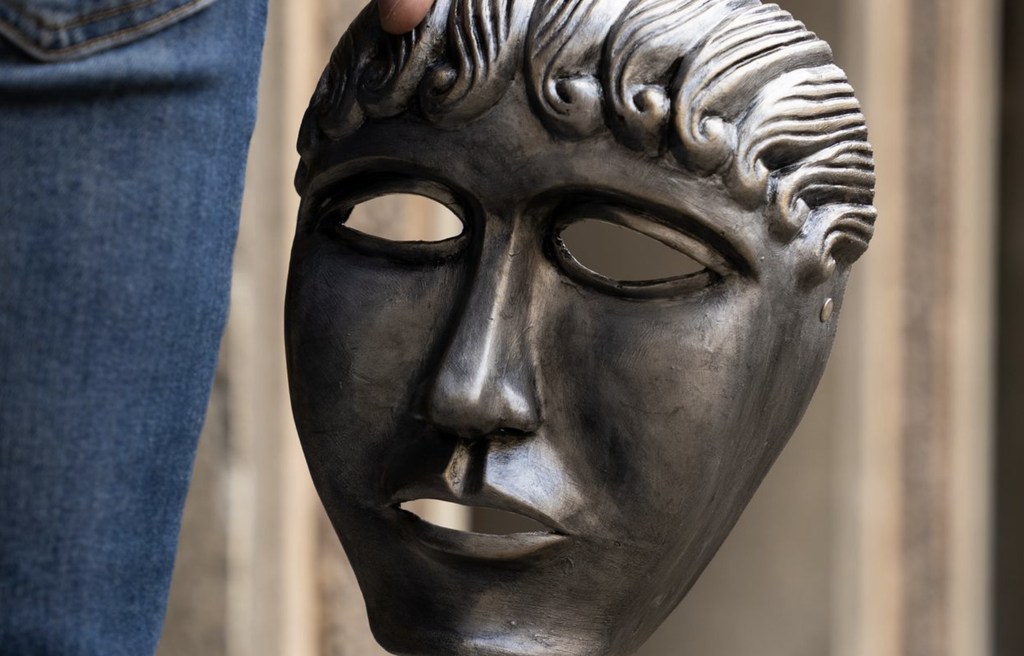
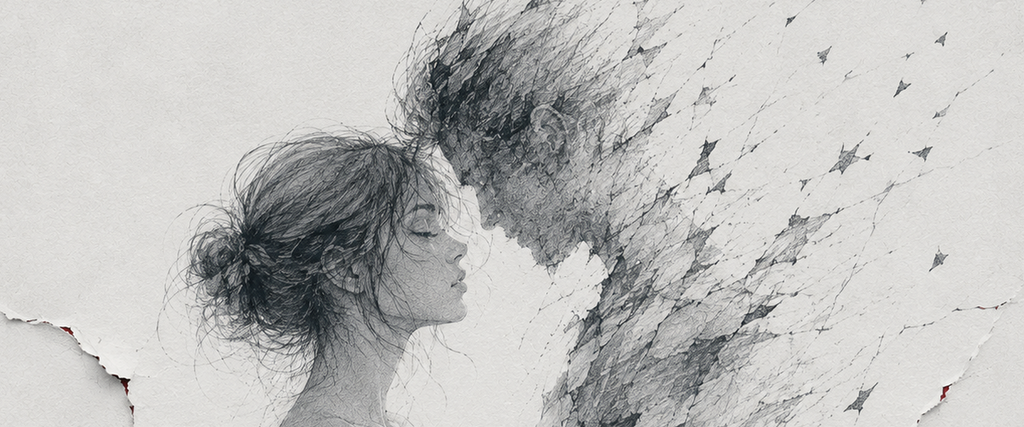
All the imagery in my cover art has several meanings combined into one clear photo, from the color to the smiley face, the instruments, the figures, and even the phrase highlighted within it.
It conveys the spiritual message I was feeling, emphasized by the foundations people associate with objects and images they recognize in their day-to-day lives. Even the number 432 has an underlying spiritual meaning that felt like everything I wanted to convey with the project.
I focus a lot on hidden messages and what can be missed by the blanket eye. I try to put that idea in both the music and the art that I create. As an artist, following that feeling has helped me reach levels of success I did not think would ever be part of my life. I hoped to create that same feeling with the tonality and frequency of what I was saying and what people could see.
What did Atlanta teach you about collaboration and building an artistic career?
Atlanta is a place where I feel like life and etiquette can be explored.
There are so many different niches and kinds of people in the area, and the experiences I have had engaging with them helped me mold and develop into the man I am today.
As an artist, I was involved with a lot of Black creatives with different styles and techniques. Walking around the city, you also get a chance to see all the graffiti and different kinds of landmarks that have an entirely different atmosphere from the last.
In art, everything is like a hand-drawn photo. A capsule collection, almost. It has always inspired me to reach the highest level of creativity I possibly can.
Which track captures your most honest reflection, and what were you processing when you wrote it?
If I had to pick one, it would be “Pink.”
That name actually speaks to me in a lot of ways, and that was definitely one of the most fluent in all of my processes, both writing and recording. Something about it felt like a weight lifted off my shoulders that I had been dying to get off since I started creating this project. There are some others, like “Often,” “Black Solare,” and even “Ocean Blue,” but “Pink” conveyed most of what I was feeling during the making of this project.
Overall, I feel that every song played a momentary role from start to finish and expressed the overall story. I tried to make it almost like a playback, like a movie soundtrack.

Magnetic byline note: This byline is used for staff produced updates and short announcements, often based on press materials and official release information. Editorial responsibility: David Ireland (Editor in Chief) and Will Vance (Managing Editor). About: https://magneticmag.com/about/ Masthead: https://magneticmag.com/masthead/ Contact: https://magneticmag.com/contact/