Raphi’s (@Raphimusic) second solo release also happens to be the one that set everything in motion. While “Mine Forever” introduced this new chapter, “Giving U” was the record that defined what she wanted the project to become.
Built around uplifting house grooves, classic synth tones, and an unmistakably nostalgic feel, it pulls together influences from 80s production and early 2000s house without sounding tied to either era.

A lot of that character comes from keeping the production simple and committing to sounds early. Rather than endlessly replacing plugins or rewriting parts, the original demo became the blueprint, with vintage hardware, familiar software tools, and subtle processing helping preserve the feeling that first came together in the studio.
For this How It Was Made feature, Raphi breaks down the production behind “Giving U,” including George Reid’s original Roland Juno-106, Soundtoys EchoBoy, Ableton Auto Filter, and Valhalla VintageVerb, along with the small decisions that helped turn an early demo into the finished record.
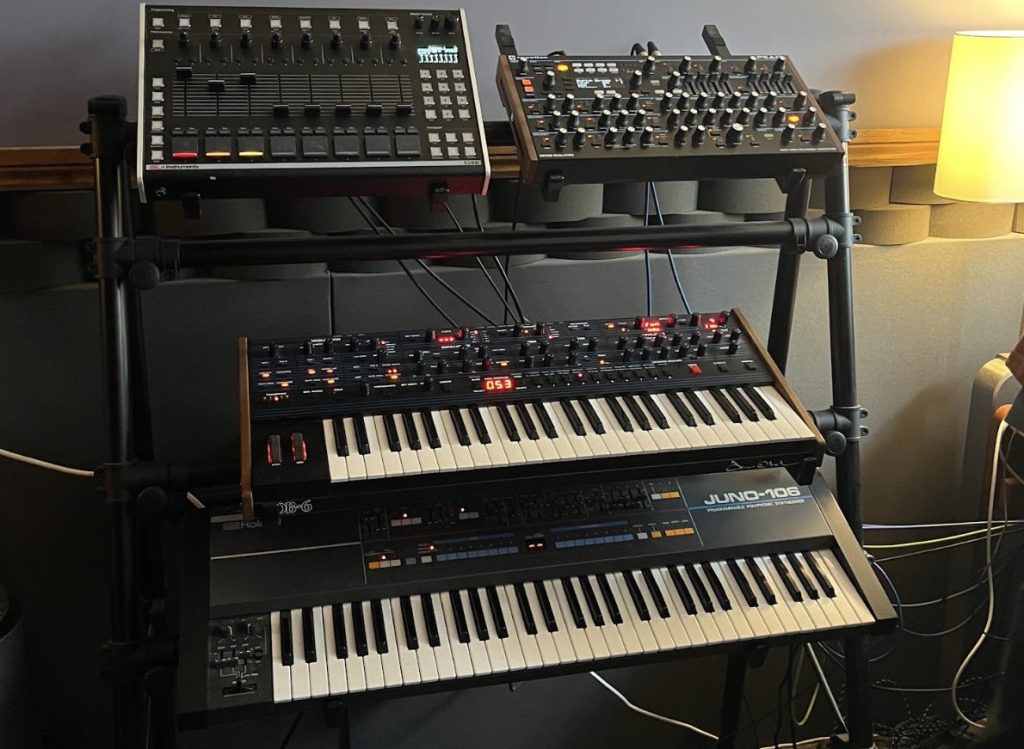
Roland Juno-106 / Arturia Jun-6
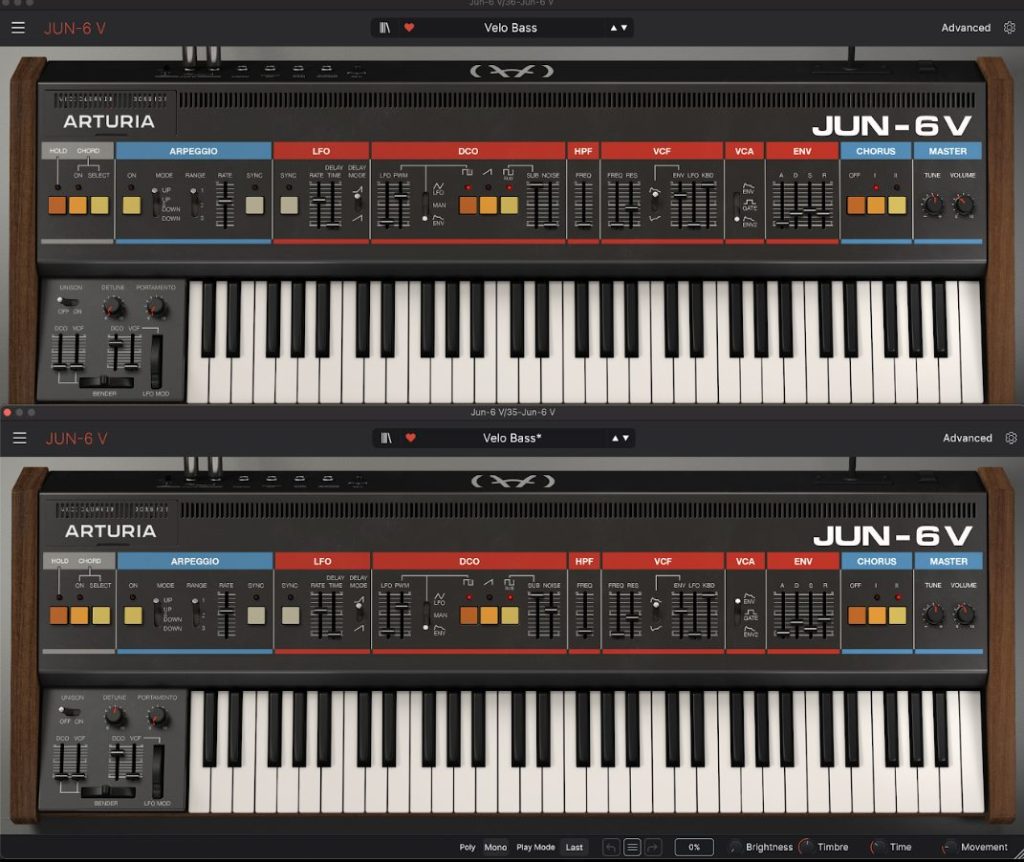
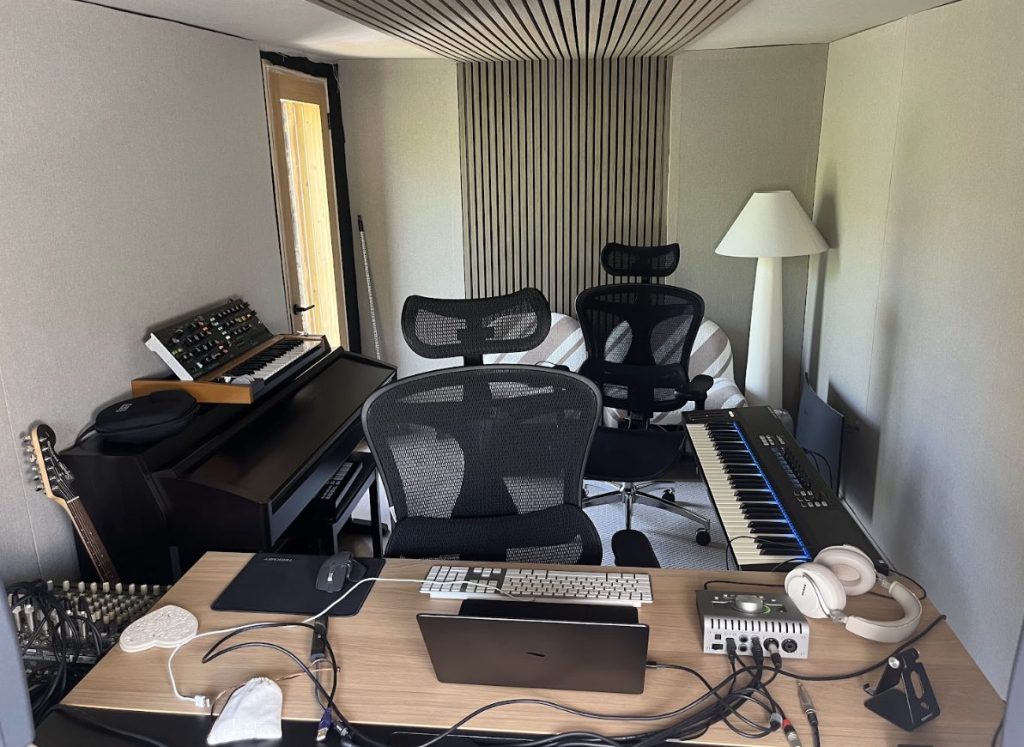
Giving U started in a studio shared by co-producers Roberto Manfredi and George Reid, who owned an original Roland Juno-106. That’s where the lead synth, which became the defining sound of the record, was created and sampled from an early 110 BPM demo.
It has a nostalgic, imperfect character that was exactly what I wanted for this track. We also used Arturia’s Jun-6 plugin for other instrument parts, although playing the real hardware is always more fun.
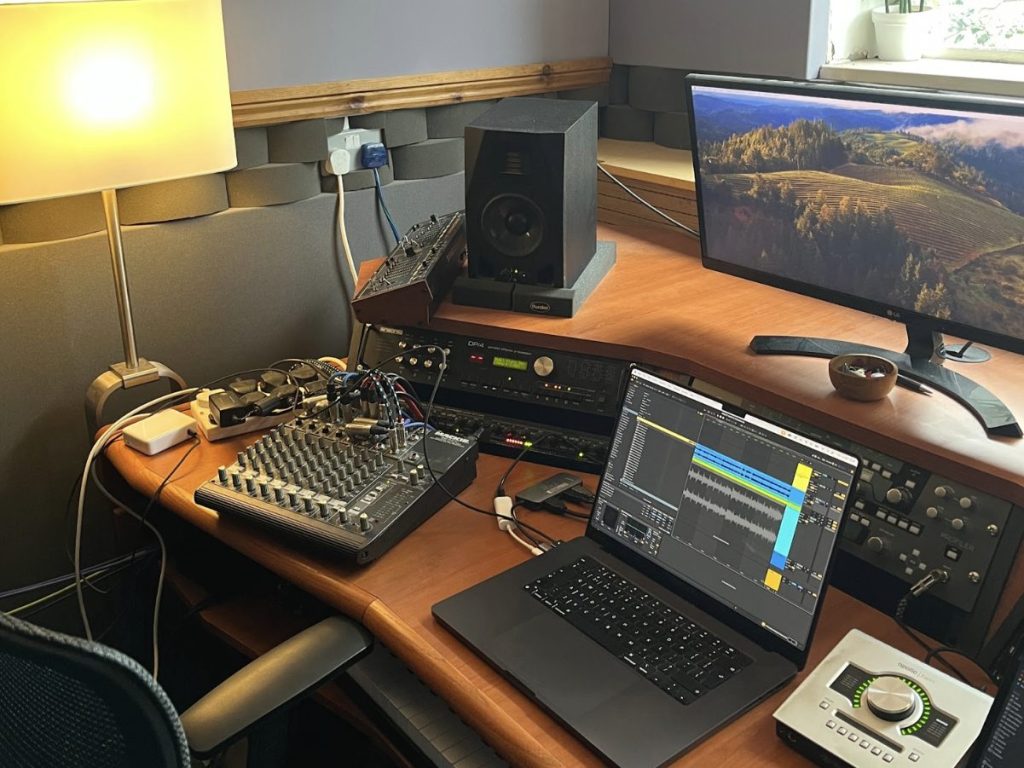
The Juno-106 was run through an old Mackie mixer from the 90s and may also have picked up some processing from George’s DP4 effects processor. Those pieces of gear played a big role in giving the record the vintage feel we were after. For the synth bass, Roberto started with the “Velo Bass” preset before tweaking it further. We then processed it with UAD’s 1073 and Ampex Tape Machine plugins to push it further into that 80s-inspired direction.
It really isn’t a complicated synth, which is part of its appeal.
Spend some time learning the basics and experiment without overthinking it. One of my favorite parts of the Juno is simply switching on Chorus II. If you’re using the Arturia version, the Advanced section also adds an extra LFO and an envelope, making it even more flexible than the original hardware.
Soundtoys EchoBoy & EchoBoy Jr.
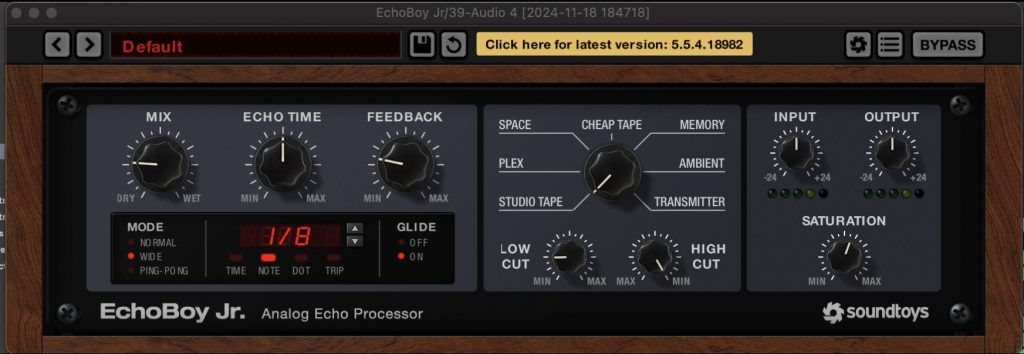
EchoBoy and EchoBoy Jr. were used throughout the early writing sessions because they’re incredibly fast for establishing a vibe. EchoBoy Jr. in particular makes it easy to dial in width and depth without slowing down the creative process. For Giving U, the sounds we landed on during the first session stayed in the record all the way through to the final mix.
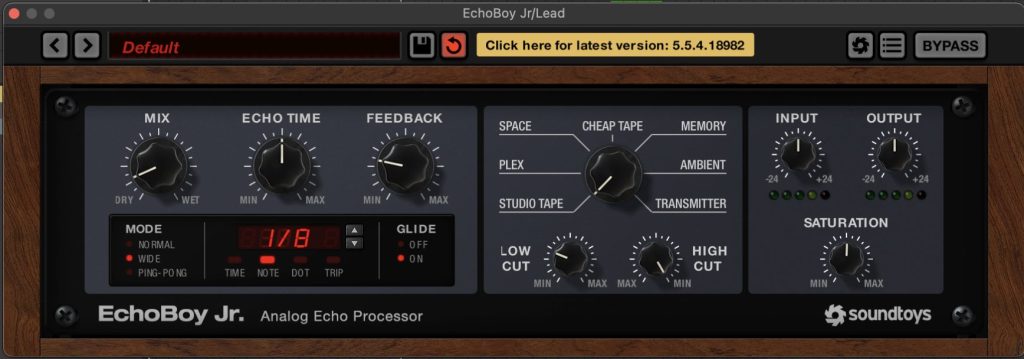
Almost every instance of EchoBoy Jr. started from the default settings.
I adjusted the mix and feedback to suit each part, used the Wide mode most of the time, added a little low cut to keep unnecessary bass out of the sides, and introduced some saturation to help the delays cut through. There really aren’t any complicated tricks here. Great results come together in just a few clicks.
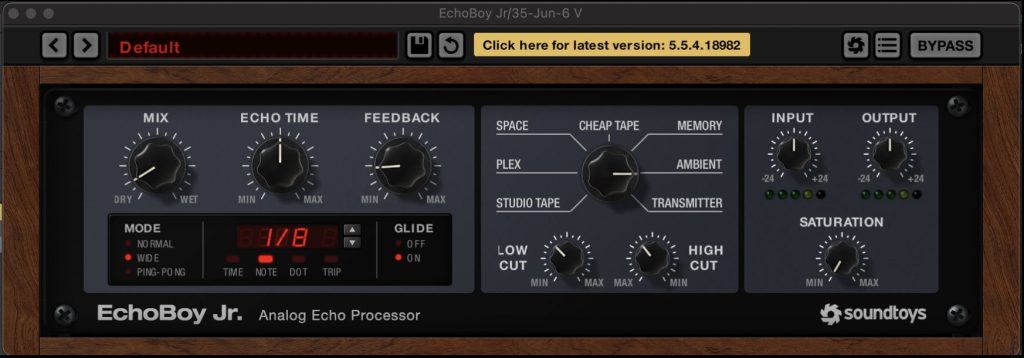
EchoBoy Jr. is perfect when you need something quickly, but the full EchoBoy plugin gives you much more room to experiment. I especially like using Style Edit when I need more control, although it’s rarely essential. One feature I think deserves more attention is adjusting the Width and L/R Offset controls inside the Tweak section, which can make a huge difference to the overall dimension.
Ableton Auto Filter
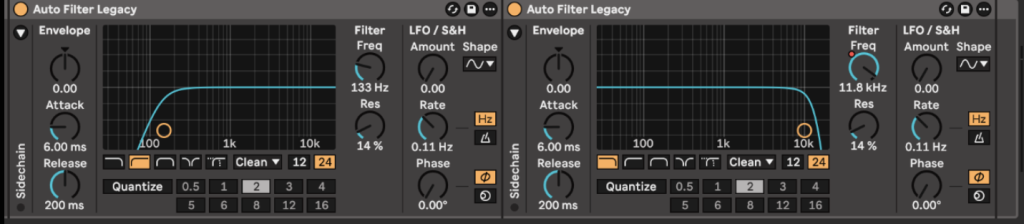
Ableton’s Auto Filter appears throughout this project, especially during the intro, where the drums are filtered heavily. It offers plenty of filter modes, and the newer DJ mode has become one of my favorites because it lets me automate between low-pass and high-pass filtering inside a single plugin instead of using separate instances.
Most of this project still uses the legacy version, although the latest update introduced several features I’d love to revisit, including different drive modes that add extra character. Occasionally, I’ll use the LFO or envelope functions when I want something more creative, but on Giving U, almost every Auto Filter is simply automating the cutoff frequency where it’s needed.
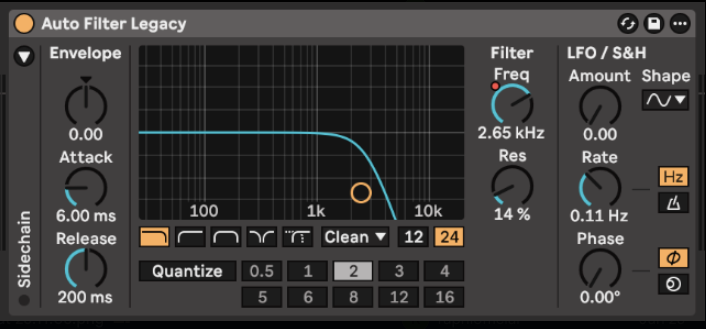
The latest version offers a huge amount of flexibility while still handling the basics really well. Spend some time exploring the sidechain, LFO, and envelope controls because they’re excellent for adding movement. A simple example is using the envelope to briefly open a low-pass filter, giving a sound extra punch without adding more processing. There is also a High Quality oversampling mode available, but I usually leave it switched off because I don’t always want everything sounding overly polished.
Valhalla VintageVerb
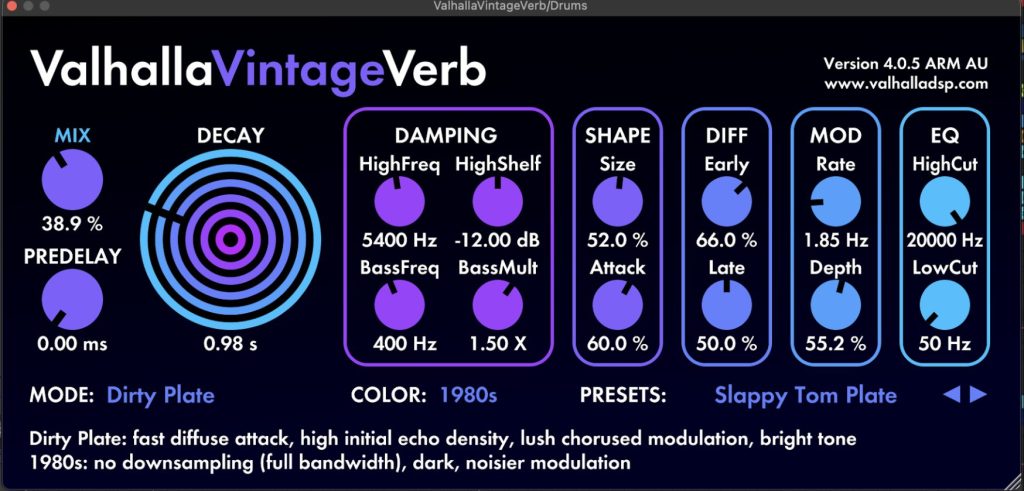
VintageVerb handled most of the reverbs on Giving U. Much like EchoBoy and Auto Filter, it’s incredibly quick to use and makes it easy to find the right sound without getting lost in endless controls. It’s also one of those plugins that’s genuinely difficult to make sound bad.
Most of the reverbs were there to create depth, width, and that nostalgic 80s atmosphere, especially using the 1980s Color setting. Even the default preset sounded right for many of the chords, so in most cases I simply lowered the mix and added some Low Cut. I also used the Slappy Tom Plate preset on the filtered intro drums alongside Auto Filter.
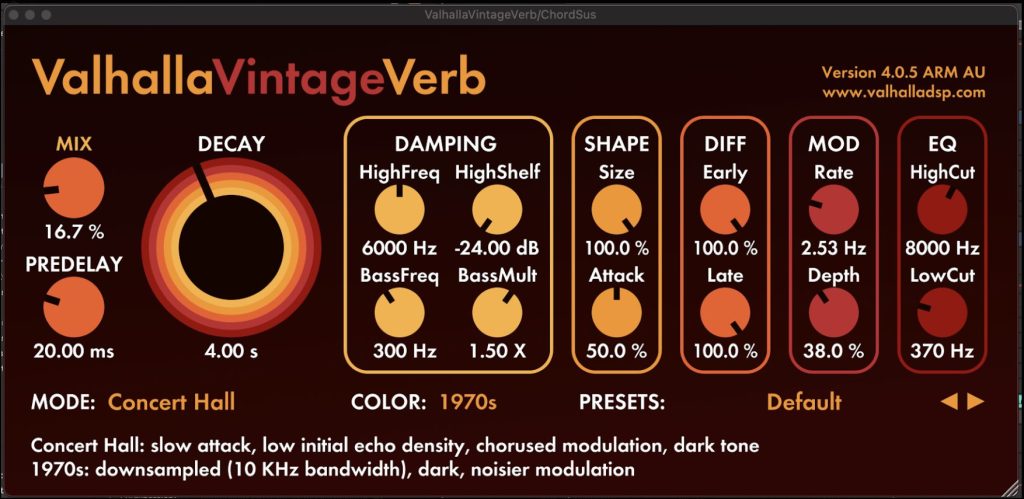
VintageVerb has been my go-to reverb for years because it delivers great results so consistently. Once you understand what each section of the plugin does, it’s easy to shape exactly the sound you’re after. The different algorithms are worth learning, and don’t feel like you need huge amounts of reverb either. Sometimes a mix setting as low as two percent is all a track needs.
Quick Fire Hot Takes On Production
Hot Take #1: Nostalgic house is timeless. The goal isn’t to chase trends. It’s to make records that still connect years later.
Hot Take #2: You can do everything you need with the stock plugins in your DAW. Everything else is there because it’s fun.
Hot Take #3: Focus on building your community instead of chasing algorithms.
Hot Take #4: Ninety percent of your life’s problems can be solved with Pro-Q 4.
Hot Take #5: House music has become too dependent on social media trends. Too many tracks are built for viral clips instead of dancefloors.

Will Vance is a professional music producer who has been involved in the industry for the better part of a decade and has been the managing editor at Magnetic Magazine since mid-2022. In that time period, he has published thousands of articles on music production, industry think pieces and educational articles about the music industry. Over the last decade as a professional music producer, Will Vance has also ran multiple successful and highly respected record labels in the industry, including Where The Heart Is Records as well as having launched a new label with a focus on community through Magnetic Magazine. When not running these labels or producing his own music, Vance is likely writing for other top industry sites like Waves or the Hyperbits Masterclass or working on his upcoming book on mindfulness in music production. On the rare chance he's not thinking about music production, he's probably running a game of Dungeons and Dragons with his friends which he has been the dungeon master for for many years.