Table of Contents
The écoute TH2 is here and it’s everything I hoped it would be. Like it’s predecessor, the TH2 is once again taking home a Magnetic Editor’s Choice Award. I was lucky enough to get a pre production listen to the TH2 and just got my hands on a factory line unit that has been playing non stop since they arrived, and at this point the 20-30 hour mark has hit, so it’s safe to say these are broken in or pretty close.
The original écoute TH1 challenged what portable headphones could be and when I explained the idea to my music nerd friends, I got a lot of blank stares. They did what? Yeah, they put a tube in them.
With a real vacuum tube, independent solid state amplification, and the soul of a proper hi-fi system, it was a true engineering feat and like nothing I’d ever seen or heard before. Now the TH2 is here, bringing improved sound, better comfort, and a more refined design to one of the most interesting headphones on the market.
There are two types of people in the audio world. Those who want their headphones to do everything, and those who want their headphones to make everything sound incredible.
Of course, there’s some crossover. But somewhere along the way, the headphone industry became obsessed with features, and increasingly elaborate ways to make mediocre audio sound slightly less well, mediocre.
Meanwhile, the team at écoute Audio have been working on something considerably more interesting. What if, instead of trying to digitally recreate the experience of listening to a beautiful hi-fi system, you actually built one into a pair of headphones?
That was the premise behind the original écoute TH1, a wonderfully ambitious piece of engineering that combined a genuine vacuum tube preamplifier, independent left and right amplification, and high-resolution digital conversion into a portable listening system. They nailed it.
When I reviewed the original TH1 here at Magnetic Magazine, the experience reminded us of sitting in front of a properly dialed-in home stereo. Except the entire system was sitting on my head.
Now écoute is back with the TH2, and while the fundamental philosophy remains unchanged, the company has made some meaningful improvements to the sound, design, comfort, and overall listening experience. The question is whether those improvements make the TH2 a worthwhile upgrade for existing owners and, perhaps more importantly, whether this unusual approach to headphone design makes sense for everyone else.

écoute TH1 vs. TH2: What’s Actually Changed?
Let’s get one thing out of the way immediately. The TH2 isn’t a complete reinvention of the TH1. The original headphones were already doing something no competitors were attempting: incorporating a complete vacuum tube analog amplification architecture into a wireless headset.
Rather than abandoning that foundation, écoute has concentrated on refining it. The most significant improvements involve acoustic tuning, noise management, mechanical construction, and ergonomics.
Here’s how the two generations compare.
écoute TH1 vs. TH2 Specifications
| Feature | écoute TH1 | écoute TH2 |
|---|---|---|
| Headphone design | Closed-back, over-ear | Redesigned closed-back, over-ear |
| Vacuum tube | Korg Nutube 6P1 | Korg Nutube 6P1 |
| Preamplification | Dual-triode tube stage | Dual-triode tube stage with improved shielding |
| Amplification | High-bias Class A/B dual-mono | High-bias Class A/B dual-mono |
| DAC | Dual-core, 32-bit/384kHz capable | Dual-core, 32-bit/384kHz capable |
| Drivers | 40mm titanium-coated Mylar | 40mm titanium-coated Mylar |
| Published frequency range | 20Hz–20kHz | 20Hz–20kHz |
| Bass performance | Original acoustic tuning | Redesigned resonance chamber for deeper bass |
| Treble performance | Original acoustic tuning | Improved high-frequency extension |
| Resolution | Original TH1 presentation | Refined clarity and detail retrieval |
| Active noise cancellation | Hybrid ANC | Refined hybrid ANC with lower noise floor |
| Transparency mode | Yes | Improved naturalness |
| Passive isolation | Original earcup design | Improved isolation |
| Tube shielding | Original design | Improved RF and microphonic isolation |
| Headband | Original headband | Hybrid suspension design |
| Fit adjustment | Conventional adjustment | Stepless adjustment with three articulation points |
| Ear pads | Original design | Interchangeable pads |
| Headband wraps | Original design | Replaceable wraps |
| EQ | Eight-band app-based tuning | Eight-band app-based tuning, ±12dB per band |
| Bluetooth | 5.3 | 5.3 |
| Wireless codecs | SBC, AAC, LDAC | SBC, AAC, LDAC |
| USB-C digital audio | Yes | Yes |
| 3.5mm analog input | Yes | Yes |
| Battery life | Up to 20 hours at maximum volume | 20+ hours advertised |
| Published weight | 424g | 424g |
| Current listed price | $699 | $899 presale / $999 regular |
Specifications are based on écoute Audio’s published product information and TH2 campaign materials. Both models share much of their internal architecture, and the manufacturer currently lists the same nominal frequency range and weight for each.
Sources: écoute TH1 specifications, écoute TH2 specifications, and TH2 technical overview. Ecoute Audio Inc.
Looking at the specifications, you might wonder whether there is enough difference between the two generations to justify the upgrade, many of the headline components are identical.
But headphones are complicated little ecosystems, and changing how those components interact can make a substantial difference without requiring a completely new set of electronics.
That’s essentially what écoute has done. The TH2 retains the original’s sonic personality while improving the areas where the first generation had room to grow. And some of those improvements become particularly apparent once you start wearing the headphones for extended periods.
Design & Build Quality: A Different Look, Same Premium Philosophy
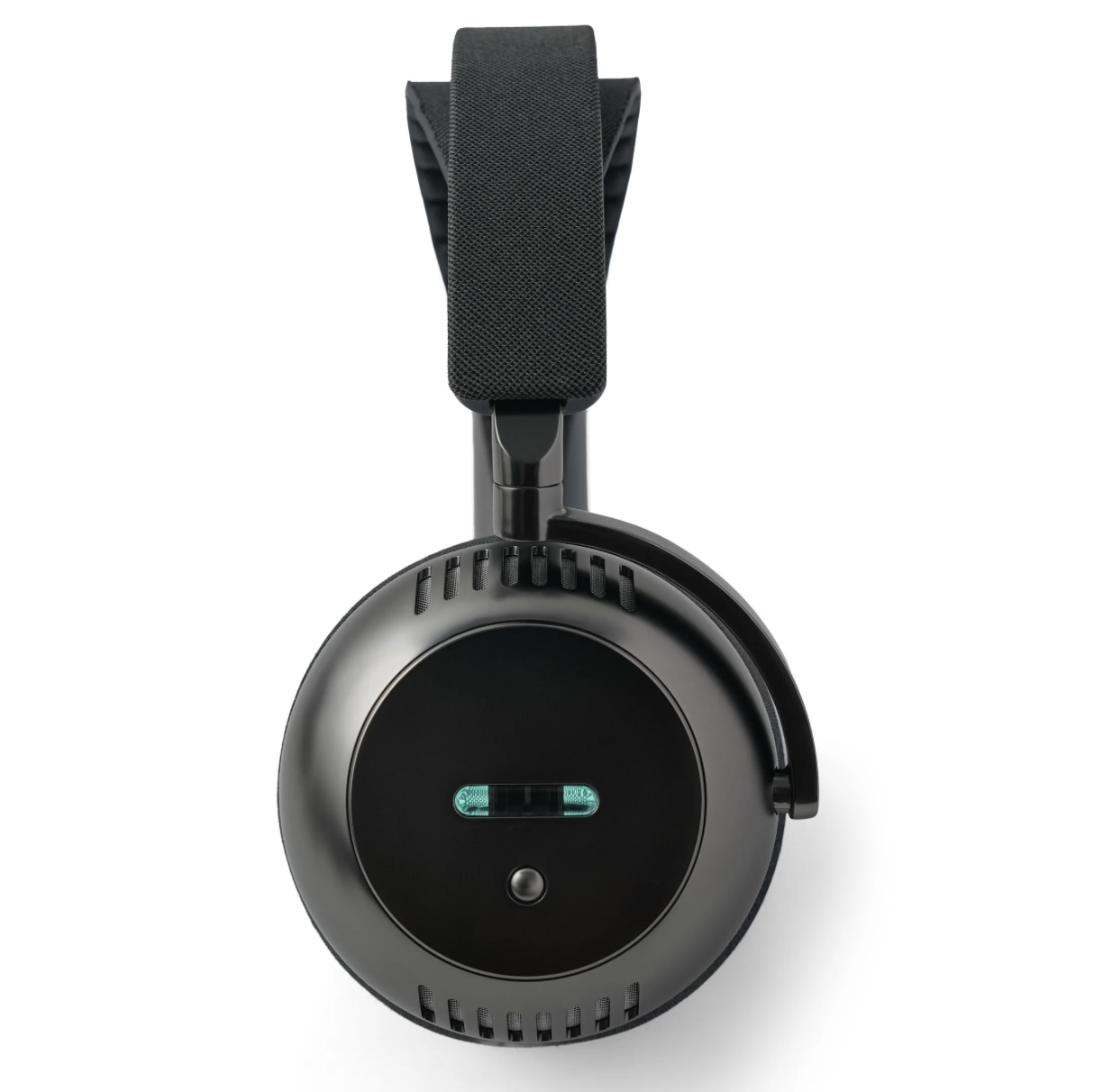
One of the first things you’ll notice about the TH2 is that it looks slightly different from the TH1.
The original had a distinctive industrial aesthetic, with an exposed mechanical character that made it look like something dreamed up by an audio engineer who had spent a little too much time around vintage McIntosh amplifiers. And I mean that as a compliment.
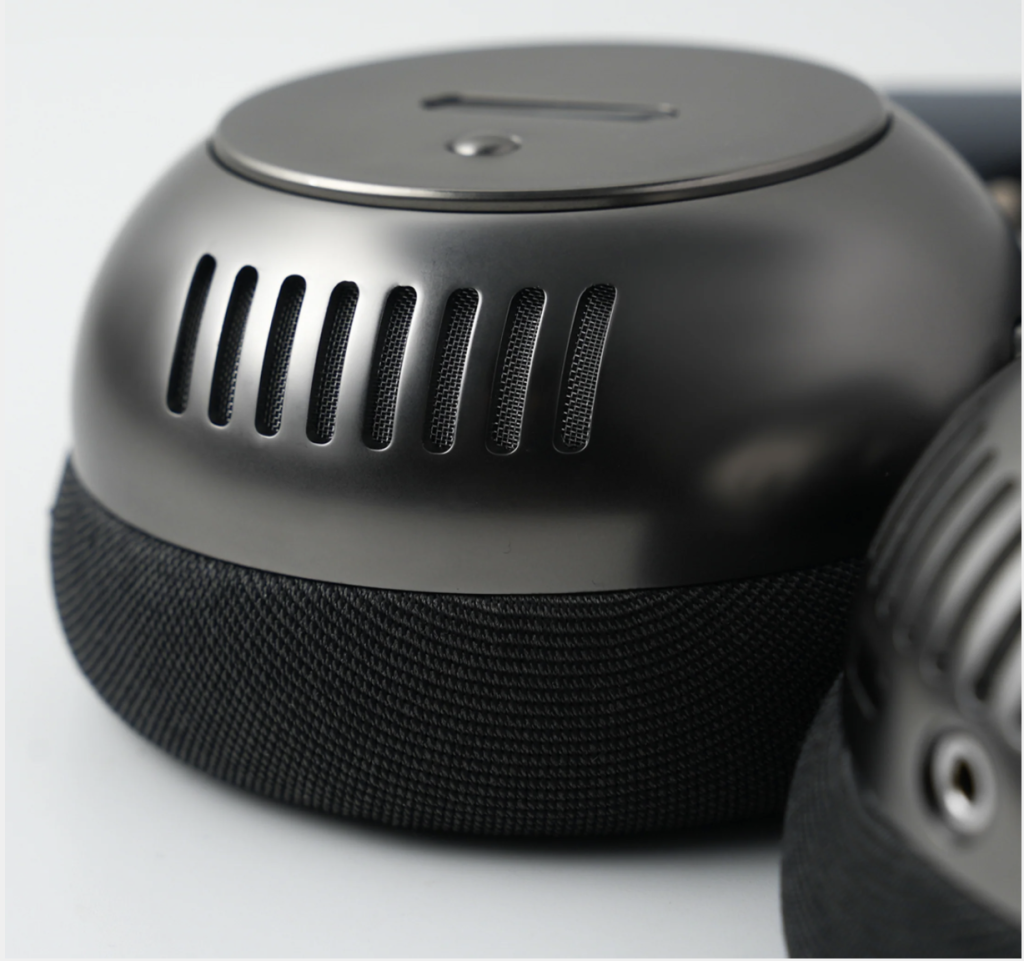
The TH2 retains that high-end industrial DNA but introduces a more sophisticated chassis and headband arrangement. The construction continues to revolve around solid aluminum components rather than the lightweight plastic shells that dominate much of the headphone market.
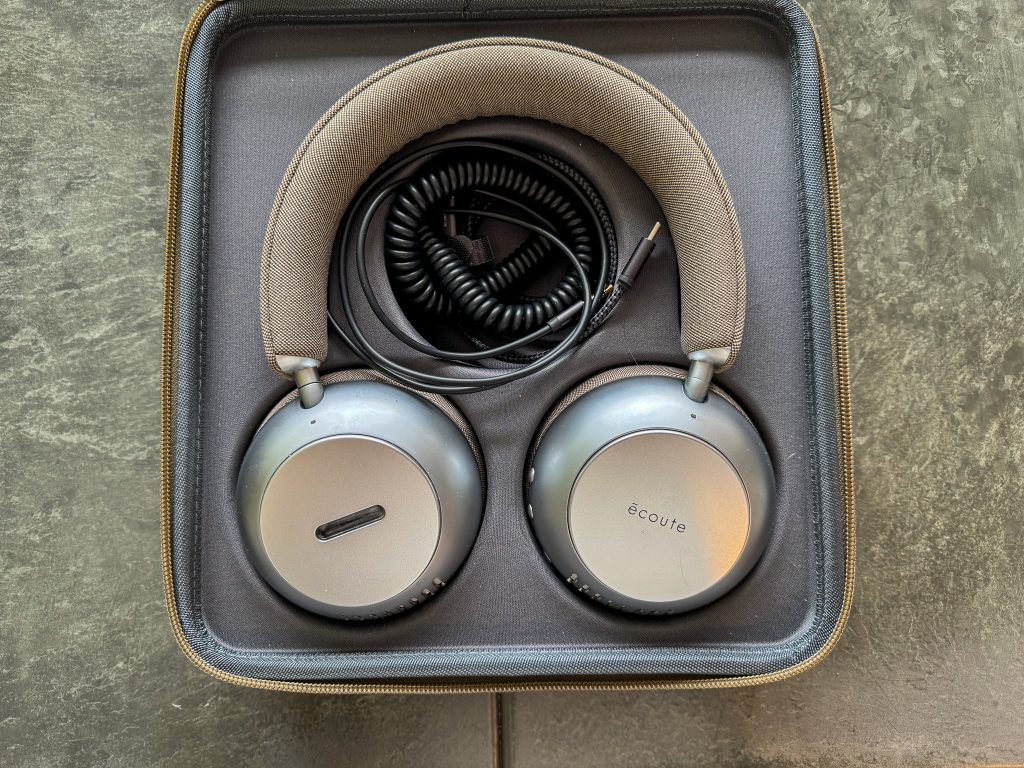
écoute machines the chassis and supporting structure from aluminum billets, giving the headphones a reassuringly substantial and luxurious feel. Yes, I said luxurious. These are not featherweight travel headphones designed to disappear into your carry-on. They feel like a piece of high end audio equipment.
There’s something refreshing about that in a market where premium increasingly means a shiny finish on something that feels suspiciously like plastic. The TH2 is available in Charcoal, Gunmetal, and Nickel finishes, with fabric or leather options contributing to the overall aesthetic.
It’s a headphone that looks perfectly at home next to a turntable, a beautifully machined integrated amplifier (like my NAD 3050), or the sort of listening chair that suggests its owner has very strong opinions about speaker placement and Eames furniture.

The New Headband Makes a Real Difference
The most meaningful design change is the new hybrid suspension headband. Where the original TH1 relied on a more conventional arrangement, the TH2 introduces an additional supporting structure designed to distribute weight more evenly across your head.
It incorporates three points of articulation and stepless adjustment, allowing the headphones to adapt more naturally to different head shapes. That might sound like a relatively minor engineering adjustment, but it’s the sort of thing that matters considerably after you’ve spent a few hours listening.
At approximately 424 grams, the TH2 isn’t particularly light. For comparison, many mainstream wireless headphones weigh considerably less, but they also aren’t carrying an analog amplification system inside their earcups.
The additional suspension support helps manage that weight, reducing the concentration of pressure at the top of the head. The result is a more comfortable arrangement for longer listening sessions.
And that matters because these are exactly the sort of headphones that encourage longer listening sessions. You sit down intending to listen to a couple of tracks, and suddenly you’re halfway through an album you haven’t heard in years. I’ve already fallen asleep with these on several times, drifting away to Brian Eno’s ambient works.

More Logical Controls
Another welcome change involves the orientation and positioning of the physical controls. The revised layout feels more logical and intuitive than the original arrangement. Not a huge deal, but definitely an improvement.
With the TH1, there was a small adjustment period as you learned where everything lived. The TH2 makes that process feel more natural.
It’s not a headline-grabbing technological breakthrough, but these little improvements are what separate a promising first-generation product from something that feels properly mature. Physical controls also remain preferable to overly sensitive touch surfaces, particularly when you’re trying to adjust volume or skip a track without interrupting whatever else you’re doing.
Sometimes a button is just a better button, and this has always been my philosophy with headphones. Touch sensitivity usually sucks and always causes some kind of gaff while listening.
Modular Design: Built for the Long Haul
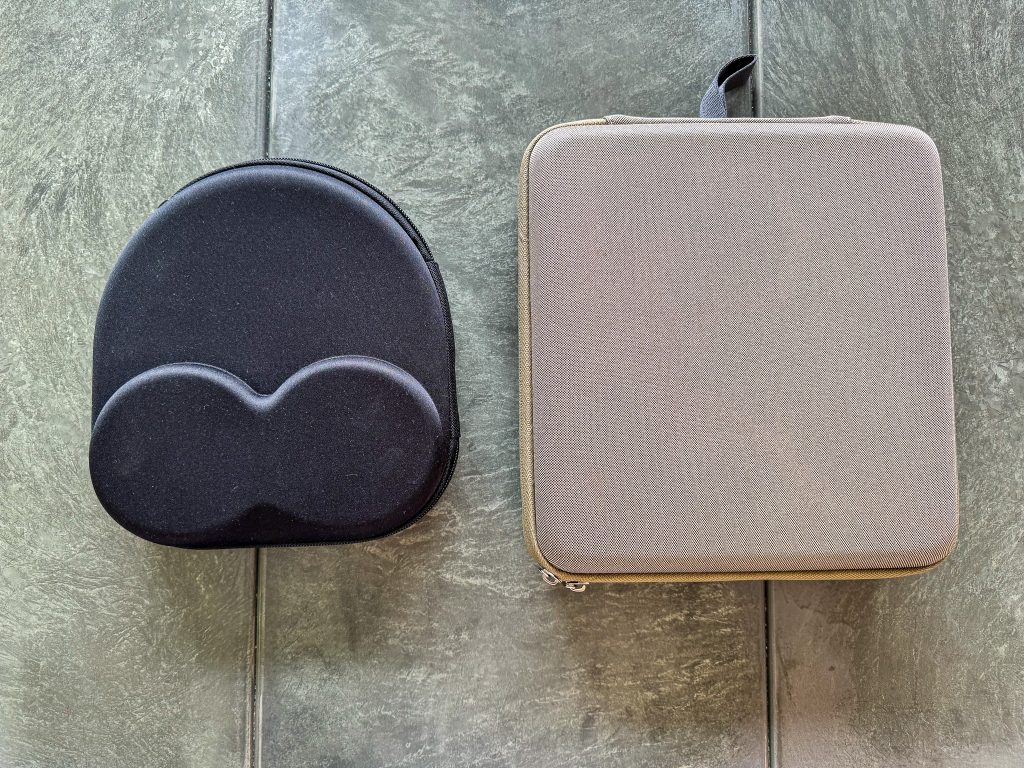
écoute has also embraced a more modular construction philosophy. The TH2 features interchangeable ear pads and replaceable headband wraps, making it easier to customize the headphones and potentially extend their useful life.
There’s also an optional lambskin upgrade for listeners who prefer the feel of leather. Beyond aesthetics, this matters because ear pads are consumable components. They compress, wear out, and eventually lose some of their original properties.
And with headphones, the relationship between the ear pads, the driver’s acoustic chamber, and your ears has a direct impact on sound quality. Being able to replace worn components is a welcome feature on a premium product.

Sound Quality: Familiar Warmth, With a Little More Everything
If you loved the sound of the original TH1, the good news is that écoute hasn’t abandoned what made those headphones special. The TH2 retains that warm, spacious, and wonderfully engaging presentation. The differences aren’t dramatic, and anyone expecting a completely different sonic personality might be disappointed.
But that’s not the point with the TH2, it’s all about subtle improvements across the entire product. The TH1 already had a compelling sound signature. The TH2 improves on it rather than replacing it. According to écoute, the company has redesigned the internal resonance chamber to achieve deeper bass response and improved treble extension while refining resolution throughout the frequency spectrum.
The result is intended to deliver more control at the frequency extremes without compromising the natural midrange presentation that helped define the original.
Bass: Deeper, More Controlled, and More Convincing
The bass improvements are particularly relevant and noticeable for electronic music listeners. One of the challenges with closed-back headphones is producing substantial low-frequency energy without allowing the bass to overwhelm everything else. (Another headphone that does this very well is the Sennheiser HD 480 Pro, but more in the context of music production/mixing)
It’s easy to make headphones sound bass-heavy. Making them sound powerful, controlled, and convincing is another matter entirely. Remember the original Beats by Dre, that was a case study in what not to do when tuning your bass, the TH2 brings tight, punchy, accurate bass without distorting. What’s event better is that you have complete control of how you want that bass to show up with the app eq.
The redesigned acoustic chamber in the TH2 is intended to improve low-frequency extension while maintaining better definition. That distinction matters when listening to electronic music, where bass is frequently doing several jobs simultaneously.
A kick drum needs impact. A sub-bass line needs weight. And the two need enough separation that they don’t collapse into a cloud of low-frequency mush. This balance executed at a high level is not easy to find, and when you get it, it’s a fantastic experience.
Midrange: Where the Magic Still Happens
The midrange remains central to the écoute experience. This is where vocals, guitars, synthesizers, pianos, and much of the emotional content of a recording live. It’s also where the character of the vacuum tube amplification becomes particularly interesting.
The TH2 continues to emphasize a natural, dimensional presentation rather than the exaggerated detail that some audiophile headphones use to create an immediate impression of clarity. There’s a difference between hearing every element of a recording and feeling as though those elements occupy a believable physical space. The best way I can explain it, is that the sounds have space to breathe and exist together naturally.
Vocals have body. Instruments have texture. And when the recording is good, the presentation can feel wonderfully organic. Case in point, Band of Horses’ Cease to Begin sounds like an entirely new recording to me and I’ve listened to this record a LOT. It’s like I decanted the album, and all the flavors are finally being realized as my ears drink it all in.
Treble: More Air Without Losing the Warmth
The TH2 also introduces improved high-frequency extension. The objective isn’t simply to make the headphones brighter. It’s to improve the sense of openness, detail, and space at the top of the frequency spectrum aka the “highs.”
That can make a meaningful difference with complex arrangements, particularly recordings featuring delicate percussion, reverberation, and intricate electronic textures. The challenge is achieving that additional clarity without introducing fatigue. RUFUS DU SOL’s Bloom is a perfect example, they push the high end on their recordings and the TH2 brings out the perfection of the highs, mids and lows of their music in perfect balance.
One of the appealing characteristics of the original TH1 was that it encouraged relaxed, extended listening rather than constantly demanding your attention (unless the recording was flawed, and that definitely happened a few times with some of my favorite albums). The TH2 preserves that quality while providing a little more information at the top end.
I had to go back and forth a few times with the same track to really hear the difference, but it’s there.
Frequency Response: TH1 vs. TH2
Both headphones have a manufacturer-published frequency range of 20Hz to 20kHz. That specification describes the nominal audible range covered by the headphones. It doesn’t tell us how loudly or accurately either headphone reproduces individual frequencies.
To make a meaningful comparison of frequency response, we would need independently measured curves for both models, ideally produced using the same measurement equipment, headphone positioning, ear pads, and listening mode. Those comparable measurements aren’t currently available in the published material reviewed for this article.
However, we can compare the manufacturer’s reported changes across the frequency spectrum.
| Frequency Region | TH1 | TH2 | Intended Audible Difference |
|---|---|---|---|
| Sub-bass: 20–60Hz | Original tuning | Improved low-frequency extension | Greater depth and low-end weight |
| Bass: 60–250Hz | Original tuning | Refined acoustic chamber | Improved bass definition and control |
| Lower mids: 250–500Hz | Warm presentation | Similar core character | Retains body and warmth |
| Midrange: 500Hz–2kHz | Natural, dimensional presentation | Refined resolution | Greater clarity and separation |
| Upper mids: 2–5kHz | Original tuning | Refined resolution | Improved articulation |
| Treble: 5–10kHz | Original tuning | Improved extension | More apparent detail and openness |
| Upper treble: 10–20kHz | Original tuning | Improved extension | Potentially greater air and spatial information |
This table summarizes écoute’s stated tuning objectives, not independently measured frequency-response differences. No specific decibel improvements have been published for these regions.
It’s also worth remembering that frequency response is only one part of the listening experience. Distortion, driver behavior, acoustic damping, channel matching, and amplifier performance all contribute to what we ultimately hear. We also all hear a little bit differently, so having that EQ in the app allows you to customize or change up the sound signature whenever you please.
And in the case of the TH2, the amplification architecture is arguably the most interesting part of the story.

The Secret Sauce: A Real Korg Vacuum Tube Inside Your Headphones
Let’s talk about the vacuum tube in your headphones. The TH2 uses a Korg Nutube 6P1 dual-triode vacuum tube as part of its preamplification stage. It’s actually the only reason this headphone can exist, so it’s a pretty important piece of the signal path.
Yes, it’s a real vacuum tube. For anyone who has spent time around traditional hi-fi equipment, the appeal is immediately understandable. Yes tubes look cool, but there is an undeniable quirky warmth you get from tubes and that’s why so many HiFi heads buy them.
Vacuum tubes have occupied a special place in audio culture for decades. From vintage guitar amplifiers to elaborate home stereo systems, tube-based electronics have long been associated with a particular style of musical presentation.
That reputation isn’t entirely mythology, although it’s frequently exaggerated. If you have ever heard Hifi nerds waxing poetic about tube amps, you know what I’m talking about. Tube circuits can introduce characteristic harmonic distortion, and their behavior depends heavily on how they’re implemented.
When designed carefully, that can contribute to a presentation listeners often describe as warm, textured, and musically engaging. But a vacuum tube doesn’t automatically make something sound better. So buyer beware when shopping for cheap tube amps that look cool, the sound might not match the aesthetic.
What makes the écoute approach interesting is that the Nutube isn’t simply there for decoration. It’s an active component in the signal path.
What Is the Korg Nutube 6P1?
The Nutube 6P1 is a modern vacuum tube developed by Korg in collaboration with Noritake Itron. Unlike traditional glass vacuum tubes, which are generally bulky, fragile, and power-hungry, the Nutube uses technology derived from vacuum fluorescent displays.
This allows it to operate with substantially lower power consumption and in a much smaller package. Those characteristics make it practical for applications where a conventional tube would be difficult to accommodate.
Like a portable headphone. So this component is the keystone to the magic here. The 6P1 contains two triode elements, allowing écoute to dedicate one to each audio channel.
The tube stage handles voltage amplification before the signal reaches the separate output amplifiers. This is important because the preamplification stage can influence the harmonic character and behavior of the audio signal.
In other words, the Nutube isn’t being used to apply a digital approximation of analog warmth after the fact. It’s part of the analog amplification process itself. And that is a meaningful distinction and is what makes these headphones so special, signal path.
Better Shielding Means Cleaner Performance
One of the TH2’s internal improvements involves additional shielding around the tube stage.
This is particularly relevant because vacuum tubes can be sensitive to mechanical vibration and electrical interference. Mechanical vibration can produce microphonics, where movement or vibration is converted into an unwanted electrical signal.
In a traditional home amplifier sitting on a stable shelf, this is usually manageable and not a problem – especially with a good power cleaner.
Inside a pair of headphones that move around with your head, it’s a more interesting engineering challenge and another testament to the skill of this design team. The TH2 introduces improved isolation from mechanical vibration and radio-frequency interference.
That should help reduce unwanted noise and preserve the intended character of the amplification stage. It’s a relatively invisible improvement, but one that makes sense for a portable tube-based design.
After all, the goal is to hear the music, not the electrical equivalent of someone tapping on the amplifier.
Dual-Mono Amplification: Why the Signal Path Matters
If the vacuum tube is the TH2’s most unusual feature, the dual-mono architecture might be its most important. Traditional stereo audio contains two channels: left and right. Those channels carry different information, creating the sense of width, positioning, and spatial depth that makes stereo recordings so engaging.
Many headphone systems use integrated electronics that handle both channels within shared packages. That isn’t inherently bad. Modern integrated DACs and amplifiers can deliver exceptional channel separation and extremely low distortion.
But écoute has chosen a different approach. The TH2 uses a dual-core digital-to-analog converter, a dual-triode tube preamplifier, and two discrete Class A/B output amplifiers. Each channel has its own dedicated signal path.
How the TH2 Signal Chain Works
The signal travels through the following stages: Digital source → Dual-core DAC → Dedicated tube preamplification for left and right → Independent Class A/B amplifiers → Left and right drivers
The DAC converts the incoming digital signal into analog audio. The Korg Nutube provides the tube-based voltage amplification stage. From there, each channel passes through its own dedicated Class A/B amplifier before reaching the corresponding driver.
The result is a dual-mono architecture that maintains separation between the left and right analog channels.
Why Does That Matter?
One potential benefit of independent amplification is reduced electrical crosstalk. Crosstalk occurs when some of the signal from one channel leaks into the other. In extreme cases, this can reduce stereo separation and interfere with the spatial information contained in a recording.
Keeping the channels electrically isolated can help preserve the differences between them. Those differences are essential to stereo imaging. Think about a beautifully recorded jazz ensemble.
The piano might sit slightly left of center. The double bass occupies a different position. The drums spread across the soundstage, while subtle reflections from the recording space help establish a sense of depth.
A well-designed stereo system preserves those relationships. And that is precisely what écoute is trying to achieve inside a pair of headphones. Of course, dual-mono architecture alone doesn’t guarantee superior sound. Driver matching, acoustic design, and overall circuit performance are still crucial.
But it gives the TH2 a serious engineering foundation for reproducing stereo information.
A High-Resolution DAC Completes the System
The TH2’s dual-core DAC (Digital Audio Convertor) is capable of processing audio at up to 32-bit/384kHz, although écoute’s campaign documentation specifies an operating resolution of 24-bit/96kHz.
That distinction is important. The higher number describes the DAC’s technical capability, not necessarily the resolution delivered by every connection or source.
Bluetooth playback, for example, remains subject to the limitations of the selected codec.
LDAC supports high-resolution wireless transmission under suitable conditions, while AAC provides compatibility with Apple devices.
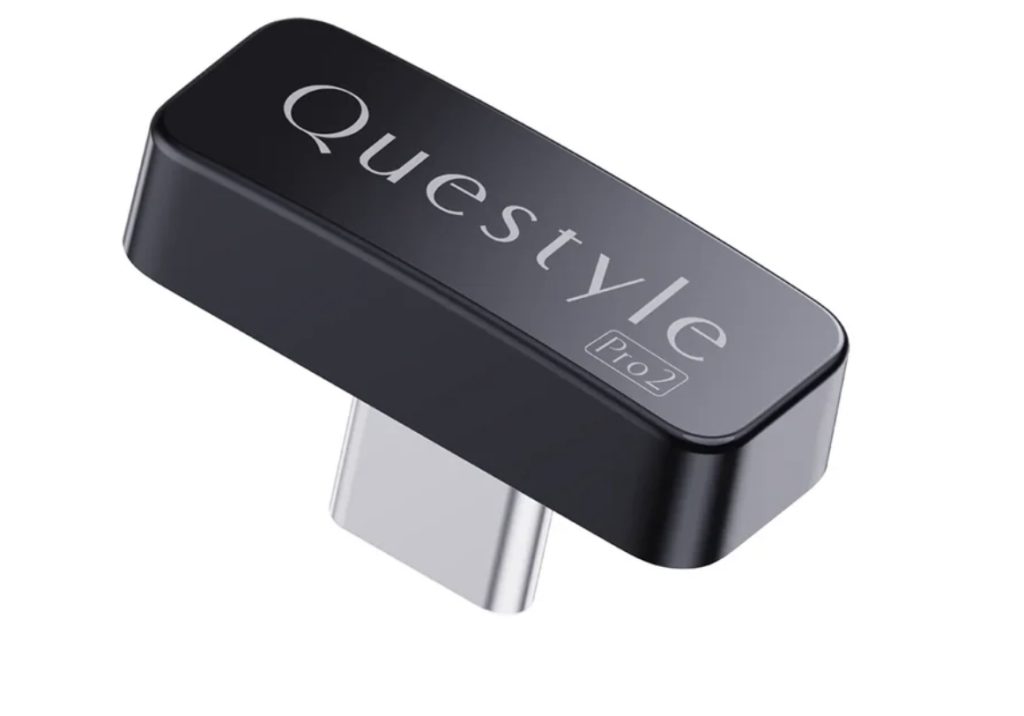
Note: For wireless playback I used a Questyle QCC Pro 2 Dongle to get LDAC output from my iPhone to the TH2s, and would highly recommend this pairing to get the most out of your iOS device.
For listeners who want to avoid Bluetooth’s lossy transmission, USB-C provides a digital wired connection. There’s also a 3.5mm analog input that supports active or passive operation.
That flexibility is useful if you’re connecting the TH2 to a dedicated audio player, computer, or other source. The broader point is that écoute has created a surprisingly complete audio system rather than simply building a wireless headphone with a particularly interesting amplifier.
The écoute Tuning App: Make the Sound Your Own
One of the more useful features of the TH2 is the ability to customize its sound through the écoute Tuning App. The app’s UI is decidedly simple, connect it and manage EQ and set volume limits for safe listening, very straightforward. While the underlying amplification architecture is decidedly old-school, the tuning system is thoroughly modern.
The app provides an eight-band EQ with adjustment of up to ±12dB per band. That’s a substantial amount of control. It allows you to make meaningful adjustments across the frequency spectrum, whether they’re looking for a little more bass, additional vocal presence, or a slightly softer high-frequency presentation.
Presets or Custom EQ?
For anyone who doesn’t want to spend their afternoon moving EQ bands around, preset-based tuning offers a more straightforward approach.
But the real attraction is the ability to create a custom sound profile. And with the TH2, that level of control is particularly useful because its underlying sound signature is already distinctive.
Personally, I started with the default tuning and spend some time getting familiar with it before making any substantial adjustments. There’s something to be said for understanding what the engineers intended before deciding you know better. It’s kind of like putting salt on your food at a restaurant before you taste it, give the chef a chance before you start messing with it.
That said, I can imagine electronic music listeners adding a subtle low-frequency lift for certain recordings. Jazz enthusiasts might prefer to leave the bass relatively untouched while making small adjustments to the upper midrange.
And anyone who has accumulated a music library spanning several decades knows that recordings from different eras can have wildly different tonal characteristics. Having control over the presentation makes the TH2 more adaptable.
Firmware-Level EQ: An Important Detail
One particularly interesting aspect of the écoute system is that EQ settings are written to the headphones’ firmware. This means your preferred tuning can remain active across different audio sources and connection methods.
Rather than relying entirely on a music player’s software EQ, the headphones maintain their own sound profile.
That’s useful when moving between a smartphone, laptop, or dedicated music player. It also means the tuning happens within the headphone’s digital processing architecture, before the analog amplification stages.
The DSP and vacuum tube are not competing approaches here. They’re doing different jobs. The DSP provides tonal adjustment. The analog circuitry handles the subsequent amplification.
Used thoughtfully, that combination offers flexibility without abandoning the fundamental character of the system.
One caveat: substantial EQ boosts can reduce available digital headroom, so restraint is generally advisable. As with most things in audio, more isn’t necessarily better. Sometimes a small adjustment is all you need, again start with the écoute preset and go from there.
Noise Cancellation and Transparency: Better, but Not the Main Event
The TH2 also improves on the original’s active noise cancellation and transparency systems. écoute reports a lower noise floor for ANC, improved passive isolation, and a more natural-sounding transparency mode.
These are welcome changes, particularly for anyone who intends to use the headphones while traveling – these are my new travel buddies, so long haul flights are now an opportunity to dig in to albums that I’ve not gotten to.
However, it’s important to understand what these headphones are designed to prioritize. If your primary objective is maximum noise cancellation for frequent flights, Bose and Sony remain obvious alternatives worth considering, they are also smaller and lighter, so for pure hardcore travel those might be better options for you.
Listening to Electronic Music
For me (and many of you dear readers), one of the most compelling applications for the écoute headphones is listening to beautifully produced electronic music.
Electronic music is an interesting test of audio equipment because it can expose weaknesses across almost the entire frequency spectrum. A well-produced electronic record can be an extraordinary hi-fi experience, think Max Cooper, Ulrich Schnauss, Nils Frahm, etc..
The TH2’s combination of bass authority, stereo separation, and tube-driven character makes it particularly appealing for this sort of listening.
The Downside of Great Headphones: Bad Recordings Sound Bad
There’s an interesting consequence of owning genuinely revealing audio equipment. You start noticing things you previously ignored. And not all of them are pleasant. The TH2 isn’t designed to magically repair mediocre recordings. It won’t transform a poorly balanced mix into an audiophile masterpiece.
And it certainly won’t make every live bootleg sound like it was recorded by a Grammy-winning engineer. In fact, the more revealing the playback system, the more apparent those shortcomings can become. Poorly recorded live performances are a particularly good example.
Crowd noise, distorted microphones, inconsistent mixing, and limited frequency response can all become painfully obvious. That bootleg recording of your favorite band’s legendary 1998 performance might have enormous sentimental value.
But through the TH2, you may also discover that whoever recorded it was apparently standing next to the venue’s industrial ventilation system and might have been on acid. That’s not necessarily a criticism of the headphones. It’s simply the reality of revealing playback equipment.
The TH2’s warm character can make some recordings more forgiving than an aggressively analytical headphone, but warmth isn’t the same as concealment. And sometimes, you just have to accept that a great performance wasn’t captured particularly well, or an album just wasn’t produced all that great.
This is something that I’ve dealt with for a long time with my home stereo, and it’s just a part of stepping into this level of sound, it’s amazing but doesn’t hide bad pressings, mixing or recordings.
Like Listening to Vinyl Without the Turntable
This brings me back to something I said about the original TH1. Listening to these headphones can feel remarkably similar to sitting in front of a good hi-fi system and playing a favorite record on vinyl. Just for kicks I played Zero 7’s Home album through my KEF R7 Metas, then through my Audeze Openback LCD-3s and then streamed it to the TH2s, the vinyl still had a better sound to me, but the TH2s definitely held their ground and and sounded very close to that pure analog signal.
So for vinyl lovers, these will be a transformative experience when you have to stream your music, just make sure the source is solid like apple music lossless or Quoboz.
Who Are the écoute TH2 Headphones For?
So let’s get to the tough question are these right for you and are they worth the hefty price tag? At a regular retail price of $999, the TH2 is firmly in premium headphone territory.
They are not the most expensive on the market, but a grand is a grand. And there are plenty of excellent headphones available for considerably less money.
It’s pretty obvious who the TH2 headphone is targeting, and the price alone will shake out the majority window shoppers. If your listening habits consist primarily of podcasts and compressed background playlists, you probably don’t need a portable vacuum tube amplifier strapped to your head.
But if music is something you actively engage with rather than simply consume, the TH2 becomes considerably more interesting, and almost essential once you have spent time with it. The TH2 also makes sense for listeners who love traditional hi-fi equipment but don’t always have the opportunity to sit in front of their home systems.
Whether you’re traveling, working, or simply trying to enjoy music without disturbing everyone else in the house, the TH2 offers an unusually sophisticated portable alternative.
Should TH1 Owners Upgrade?
My quick answer would be if you have the disposable income, and can drop a grand without blinking, then absolutely. If you are more cash constrained and already own the TH1 and love its sound, there’s no urgent reason to abandon it.
The core architecture remains the same. You still have the Korg Nutube preamplifier, dual-mono amplification, high-resolution DAC, and distinctive sonic personality.
The TH2 improves the experience rather than replacing it. However, if you regularly listen for several hours at a time, the redesigned headband and improved ergonomics could make a meaningful difference.
The acoustic refinements, improved noise control, and additional shielding are also attractive. For existing owners, the decision comes down to how much those refinements matter in daily use, and how much rainy day money is sitting in your sock drawer.
For someone entering the écoute ecosystem for the first time, the TH2 is the more complete expression of the company’s design philosophy.
Final Thoughts: A Little More Hi-Fi, A Little Less Headphone
The headphone market is a crowded place. Every year brings another collection of products promising revolutionary sound, often it’s just slight refinements that are not really pushing much forward, but occasionally you get a headphone like the écoute TH2 that just smokes the rule book and makes something truly extraordinary. I love a lot of different headphones for different reasons, but have never found one that checked all the boxes. The écoute TH2 checks just about all of them, so if you love music and cherish your time listening to it, these will be a welcome addition to your collection.
Learn more: écoute TH2 Official Product Page

David Ireland is a professional strategist, creative, and marketer. He began his career in 1995 as creator and publisher of BPM Magazine. In August 2000, BPM Magazine merged with djmixed.com LLC, an online media company based in Los Angeles, which later evolved into the Overamerica Media Group [OMG] in 2003. In 2009, Ireland left Overamerica Media Group to serve as the VP of Marketing at Diesel. In 2011, he returned to his roots in media and cofounded the online electronic music publication Magnetic Magazine and created The Magnetic Agency Group. In June 2018, Ireland joined Winter Music Conference (now owned by Ultra Music Festival) as the Director to lead the reboot for 2019 and usher in a new era for the iconic brand. He served as Chief Marketing Officer at Victrola for three years, guiding product innovation and brand growth. He currently serves on the advisory board of Audiopool, a new music tech startup focused on AI-generated music licensing and artist revenue models.