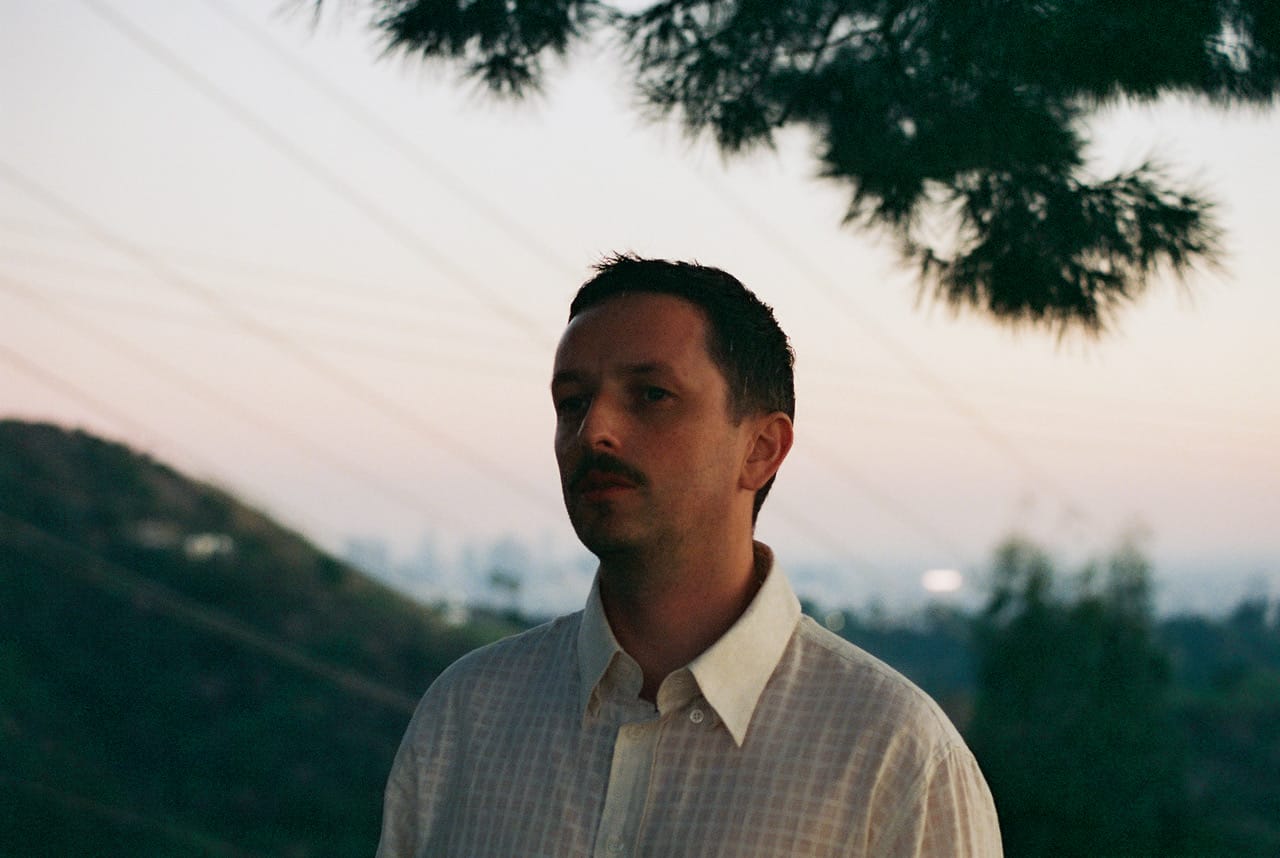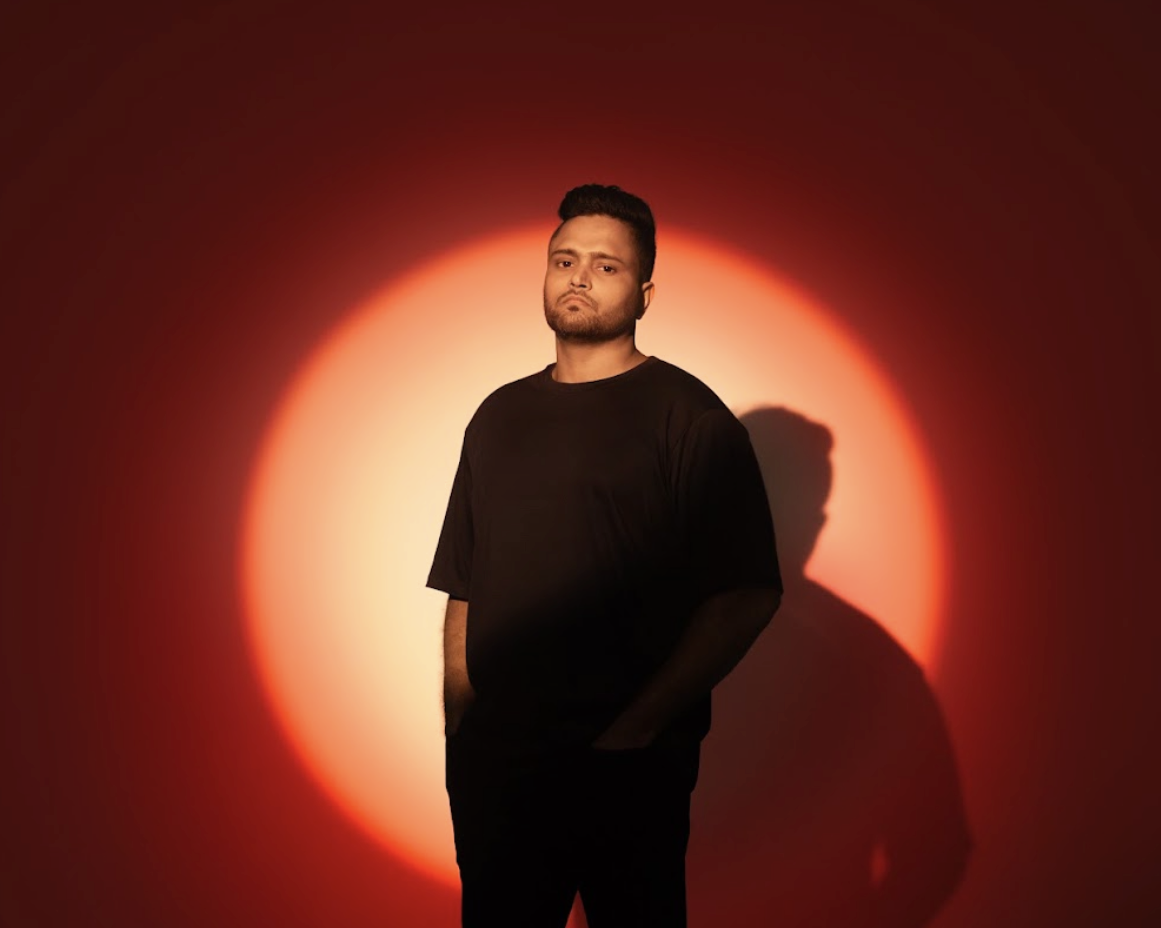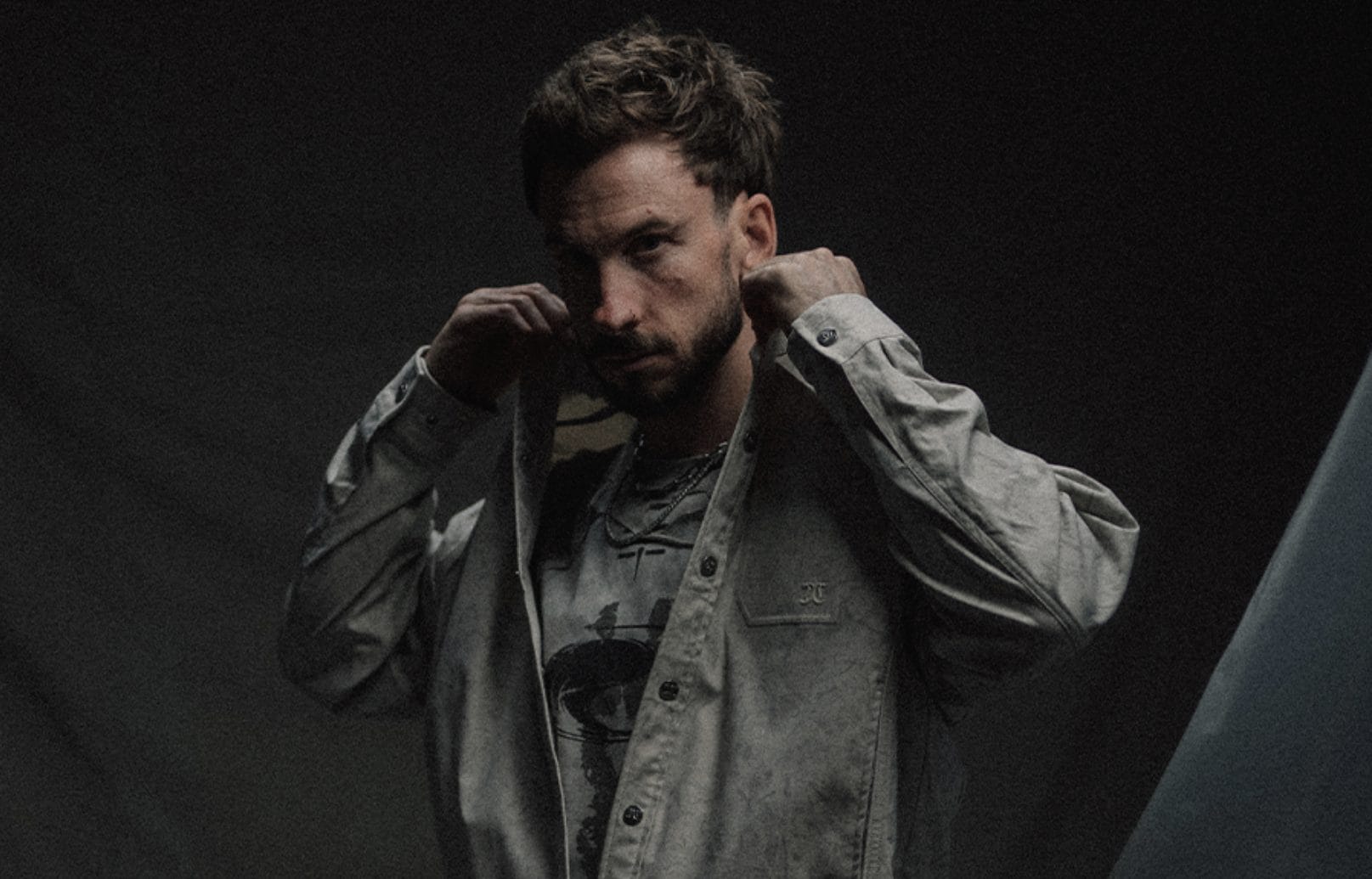
Blanke (@blankemusic) returns with PART III – AWAKENING, the third installment in the EP cycle leading toward his debut album.
The two-track release, out July 10, 2026, follows PART II – SKYFIRE and moves the album’s larger story from collapse toward renewal. Across “Sunrise” featuring JEX and “Synchronise,” Blanke works with two different expressions of hope: one brighter and more melodic, the other heavier and more tied to the midtempo roots that helped define his earlier sound.
The release lands during a major year for JP Orchison, the Australian-born, Denver-based producer behind Blanke and ÆON. Across both projects, he has built a catalog that moves between melodic bass, heavy bass, progressive ideas, and drum & bass, with releases on Monstercat, Ophelia, Deadbeats, and Ministry of Sound. His credits include collaborations with Illenium, REZZ, Seven Lions, Zeds Dead, Gryffin, NGHTMRE, Big Gigantic, Dabin, and ATLiens, along with official remixes for Marshmello, SLANDER, and Sullivan King.
In the interview below, Blanke talks about hype cycles, short-form content, authenticity, and how his years in club spaces still shape the way he builds sets today. His answers align with the larger arc of AWAKENING, especially in how he thinks about influence, consumption, pressure, and the ongoing question of what kind of artist he wants to be.
The release may be part of a larger album campaign, but the conversation beneath it is broader: how to stay close to your own instincts as music culture moves faster than ever.
Interview With Blanke
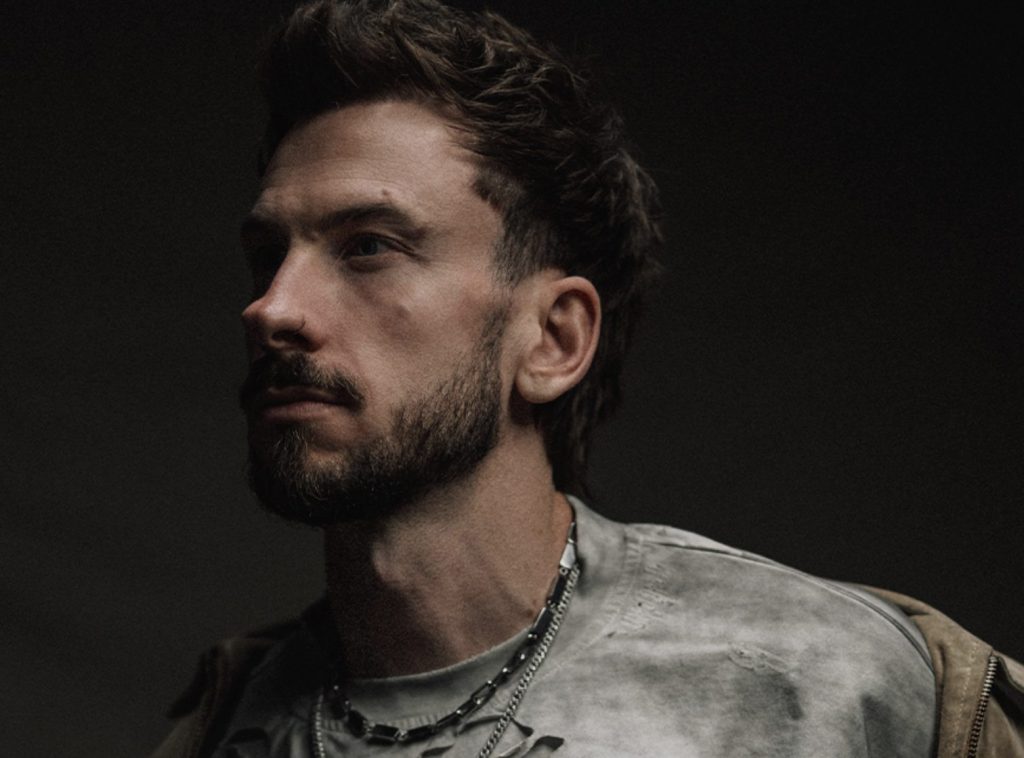
Have you noticed certain styles or voices cycle through popularity quickly? What do you notice about that pattern?
Of course. Dance music seems somewhat susceptible to these cycles, and it seems to be accelerating with the continuing rise and influence of social media, technology, and general connectivity.
This applies to virtually everything in our world currently, and I see a few factors contributing to it, specifically for art.
The ease with which we can consume any given media means people cycle through it faster, requiring us as artists to create faster. The availability of analytics means we can tailor our art to appease the masses more easily, potentially resulting in more palatable art instead of art with depth, which also influences the pace of the cycle.
If art is consumed more easily, through streaming instead of having to buy a CD, consumers tire of it faster, which creates a demand for more. The ease with which our tools allow us to create art also factors into this.
It is quite easy to make art these days because of how easy it is to acquire and learn the programs and tools, and then to use samples, presets, AI, and so on. So we as artists have a moral battle to face regarding what we make, how we make it, and who it is for: for us, for everybody else, or worse, the algorithm.
Have there been moments where you reassessed your sound in response to changing aesthetics?
Yes. I think your surroundings and your experiences shape your influences.
The first time I noticed a larger shift was when I moved to America. Touring around the country, meeting new artists, and being exposed to new crowds and scenes influenced what I made quite a lot. It continues to influence me.
I am constantly shifting, for better or for worse, my sound and what I make. I have recently realized that I ventured a little too far in a direction that started to feel alien to me, so I readjusted. I tried to rediscover what makes me feel unique and what feels authentic to me, which I think is often a difficult concept to grasp.
What is authenticity when you are constantly being influenced by everything around you? It is a reflection of exactly that. Your art is an amalgamation of your current and past influences. A gigantic mash-up of experiences collected across your life and reflected out through your art. The ratio of those influences is what might define what one makes.
For example, if I went to a show and was insanely inspired by an artist I saw, then went home and made something exactly like, or “influenced by,” what I just saw, how much of that is a reflection of me? How authentic is that? I think it is a fascinating thought experiment.
I love creating from that kind of excitement. That is the best place to create from. There is no right or wrong answer, but it is an interesting observation of how we create.
Is it better to not be directly inspired by something? Should we cut ourselves off every so often from consuming anything for a period of time so we have a fresher slate, drawing inspiration from within ourselves instead of what is directly outside? Would that produce the most pure, authentic art from oneself? Who knows. Again, there is no right or wrong answer. It perhaps depends on the artist’s desired outcome.
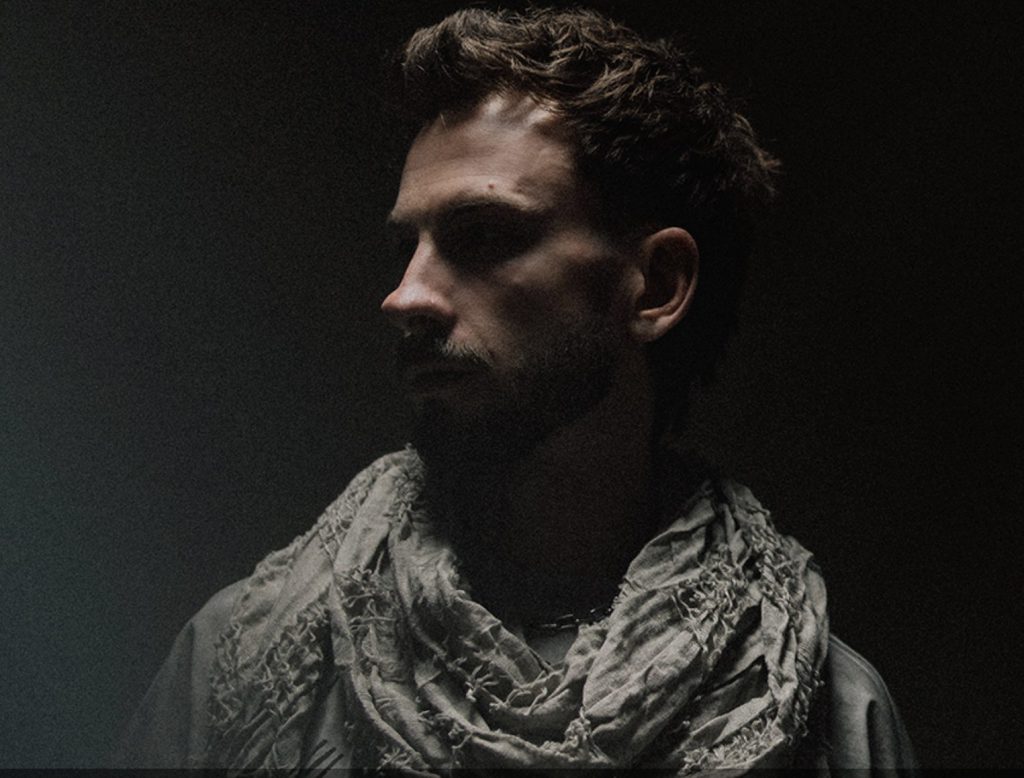
In your view, what changes when music is consumed primarily as short-form content?
I am not sure if it is unfortunate or not, but what changes is perhaps the amount of timeless music.
We have more pressure to create faster and to create for an algorithm that services mass appeal. But that is not a new phenomenon. We have always had this dilemma.
Artists have always craved validation by making accessible music to get on the radio, for example. That is a type of algorithm. A type of game. You make something in the hopes of fitting into that realm, something that would work on the radio. Now it is creating something that would work on TikTok instead.
Again, the accessibility of it all creates an abundance of it. We can make music more easily, post that music within minutes, and then receive feedback in the same amount of time. It just gives us more of an opportunity to decide what kind of artist we want to be.
While it is effortless to choose the easy route, it has no guarantee of working either. And if it does, how do we manage the looming problem of whether making that music is actually fulfilling to us?
It also creates a massive opportunity for the individual artist, as we can now get our art into the eyes and ears of potentially millions of people from a single post on our own. No label, no executive, no playlisting, all for free. So, in some sense, we have more control. How we want to use it is the question.
We need to learn that it is okay to not have millions of views. Creating authentically, posting authentically, and cultivating a smaller, more dedicated audience will always be a sounder strategy than creating for absolutely everyone and diluting your work.
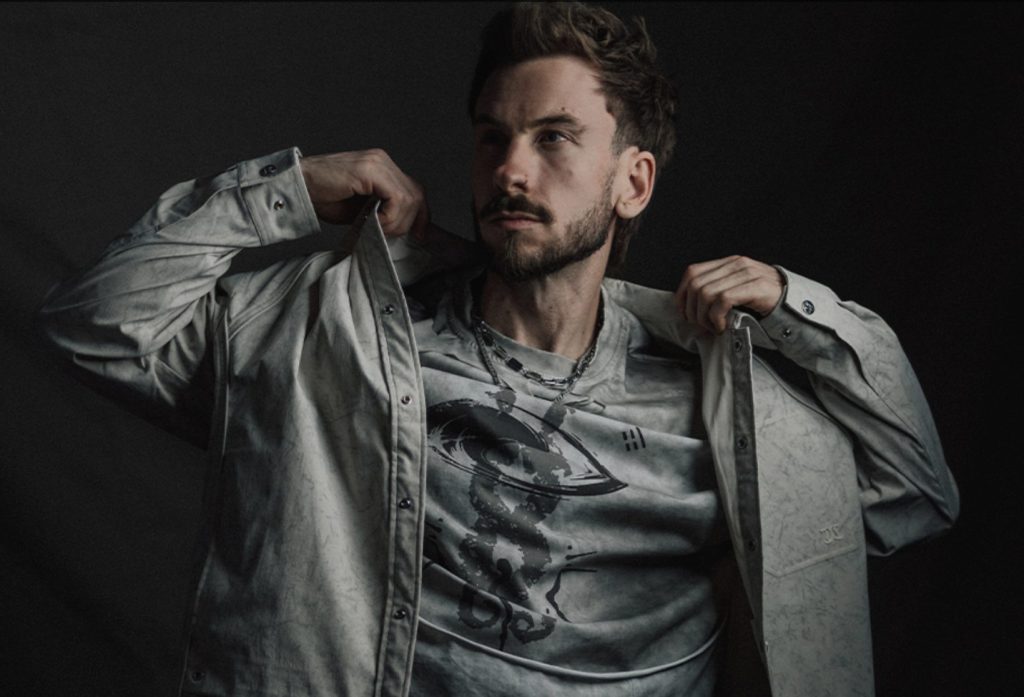
What practices help you stay connected to the deeper cultural threads within club culture?
I am not sure. I am fairly focused on myself and what I am trying to cultivate in a live show sense, which sometimes feels separate from pure club culture.
I came from club culture as a DJ. What I do now is somewhat different from that, though. As a more focused artist, DJing is a means of performing and exposing your art.
Back when I was just a DJ, the DJing was the art alone. It was not about performing my own music, since I did not have any back then. It was about playing others’ music to cultivate a vibe and a flow for the club itself, without needing to inject my own music or creations.
It was so addictive. The focus was less about you and more about the room.
There is still a tie to digging for tunes and creating sets, as everything I learned from opening and closing beautifully dark and dingy clubs for years directly influences the sound and flow of my sets now. Digging for great music is still the same.
The rare occasion that I get to play an afterparty is the closest I get to what it felt like DJing at clubs. It is a fantastic reminder of where I came from.

Will Vance is a professional music producer who has been involved in the industry for the better part of a decade and has been the managing editor at Magnetic Magazine since mid-2022. In that time period, he has published thousands of articles on music production, industry think pieces and educational articles about the music industry. Over the last decade as a professional music producer, Will Vance has also ran multiple successful and highly respected record labels in the industry, including Where The Heart Is Records as well as having launched a new label with a focus on community through Magnetic Magazine. When not running these labels or producing his own music, Vance is likely writing for other top industry sites like Waves or the Hyperbits Masterclass or working on his upcoming book on mindfulness in music production. On the rare chance he's not thinking about music production, he's probably running a game of Dungeons and Dragons with his friends which he has been the dungeon master for for many years.