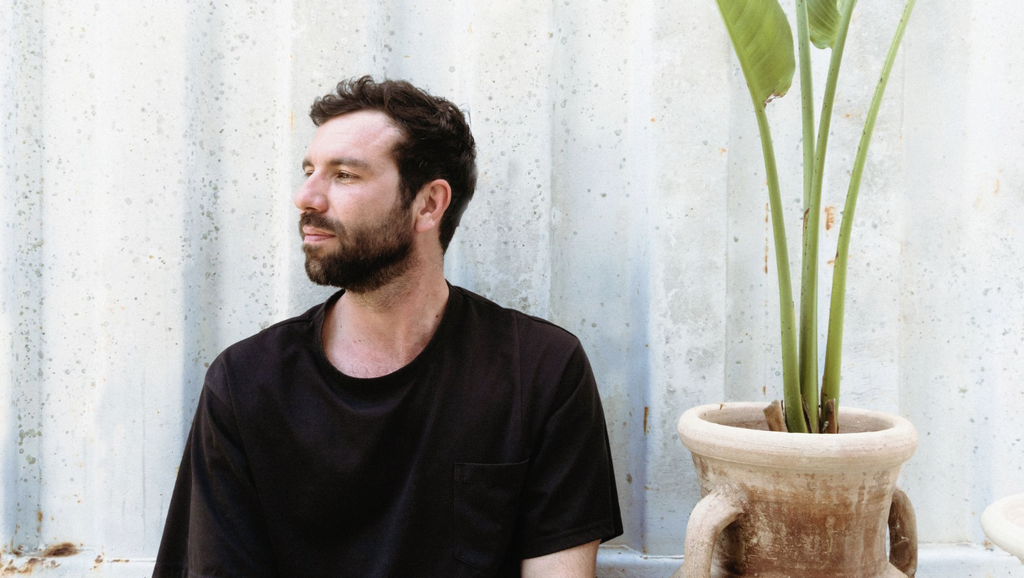
MoBlack has linked with Bedouin and Feki Station for a new rework of Salif Keita’s “Mandjou,” out July 24 via Decca Records France. The release follows MoBlack’s official remix of Keita’s “Yamore,” which became one of the more visible examples of how classic African vocal recordings can find a second life inside modern Afro-house and melodic club sets.
That context is important because “Mandjou” is not being treated like a quick edit or a simple vocal lift. The new version uses Keita’s original voice as the emotional center, then builds around it with organic instrumentation, tribal percussion, and the kind of restrained club movement that lets the vocal keep its dignity.
This kind of record can go wrong quickly when the production tries to overpower the source material. Here, the collaborators seem more interested in giving the song a new room to live in.
MoBlack has said the track began as a spark in 2024 before developing over time with Bedouin, Salif Keita, and Feki Station. That slower process makes sense for a release like this. A voice as recognizable as Keita’s does not need a heavy-handed club rebuild. It needs space, rhythm, and a producer’s hand that knows when to step back.
Bedouin and Feki Station Give the Track Its Club Architecture
Bedouin’s involvement gives the record a natural bridge into melodic, organic, and deep house spaces. The duo’s work around their SAGA party in Ibiza has long sat close to this kind of atmospheric club language, where rhythm, melody, and setting are all part of the experience.
Feki Station adds another layer to the release, coming in with support across MoBlack Records and attention from names such as Black Coffee, Keinemusik, and Damian Lazarus. That background helps explain why the “Mandjou” rework feels built for global dancefloors without sanding away the cultural source of the record.
This is where the collaboration finds its shape. MoBlack brings the Afro-house language and relationship with Keita’s music. Bedouin bring melodic and organic club instincts. Feki Station helps push the track into a contemporary dance context. The result feels unified because each contributor serves the song rather than trying to stamp their own name across it.
Afro-House Reworks Need Taste Before Anything Else
There is a lot of interest right now in older vocals, global rhythms, and house records that draw from African musical traditions. That can lead to beautiful records, but it can also lead to flattening when producers treat heritage as decoration.
“Mandjou” avoids that by putting Keita’s vocal performance first and letting the production grow around it. The drums, bass movement, and melodic details are there to create motion, not to erase the original character of the song.
That same question sits underneath a lot of club-facing reworks: how do you make something work for DJs without losing what made the source material meaningful? I wrote about a related dancefloor-first idea in my article on Patrick Topping’s club-focused Hellbent release, where the record’s purpose was clear because it understood the room it was built for. “Mandjou” has a different emotional register, but it also understands its room.
This Is Club Music Built Around Patience and Connection
MoBlack’s quote around the release is telling. He describes “Mandjou” as a track that took time to find its true identity, with each collaborator adding something meaningful along the way. That is a good way to understand the final result. The record does not feel forced into a drop-heavy shape. It grows.
That growth is what gives the track its pull. The groove stays steady, the percussion keeps the body involved, and Keita’s vocal gives the record its human center. For a rework of a beloved song, that is the right order of priorities.
For Magnetic readers who follow house music across scenes and eras, my article on artists working around Green Velvet’s house and tech-house lineage points to a similar larger truth: the best club records tend to last when the groove carries a personality bigger than the loop. “Mandjou” reaches for that by letting a classic vocal lead the way inside a modern Afro-house setting.
“Mandjou” is out now via Decca Records France.

Will Vance is a professional music producer who has been involved in the industry for the better part of a decade and has been the managing editor at Magnetic Magazine since mid-2022. In that time period, he has published thousands of articles on music production, industry think pieces and educational articles about the music industry. Over the last decade as a professional music producer, Will Vance has also ran multiple successful and highly respected record labels in the industry, including Where The Heart Is Records as well as having launched a new label with a focus on community through Magnetic Magazine. When not running these labels or producing his own music, Vance is likely writing for other top industry sites like Waves or the Hyperbits Masterclass or working on his upcoming book on mindfulness in music production. On the rare chance he's not thinking about music production, he's probably running a game of Dungeons and Dragons with his friends which he has been the dungeon master for for many years.