Synth history usually gets told through the instruments first. The Minimoog. The theremins. The modular systems. The pedals. The finished objects are easier to photograph, easier to mythologize, and easier to place inside the story of electronic music.
This donation tells a different version of that history.
inMusic Brands, the parent company of Moog Music, has donated 4,489 items from Bob Moog’s personal office files and materials from the final years of his tenure at Moog Music to the Bob Moog Foundation Archives. The collection includes well over 500 schematics, 700 letters, prototype models, vintage synthesizers, writings, catalogs, magazines, test fixtures, and cabinets full of components.
The tension here is simple: we tend to remember the instruments as if they arrived fully formed. Archives like this show the working trail behind them.
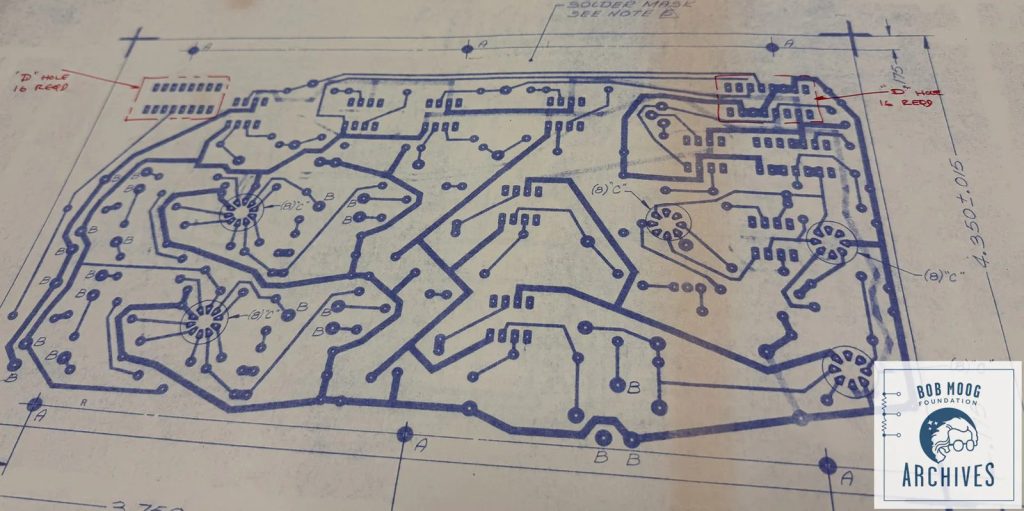
The paperwork may be the real story
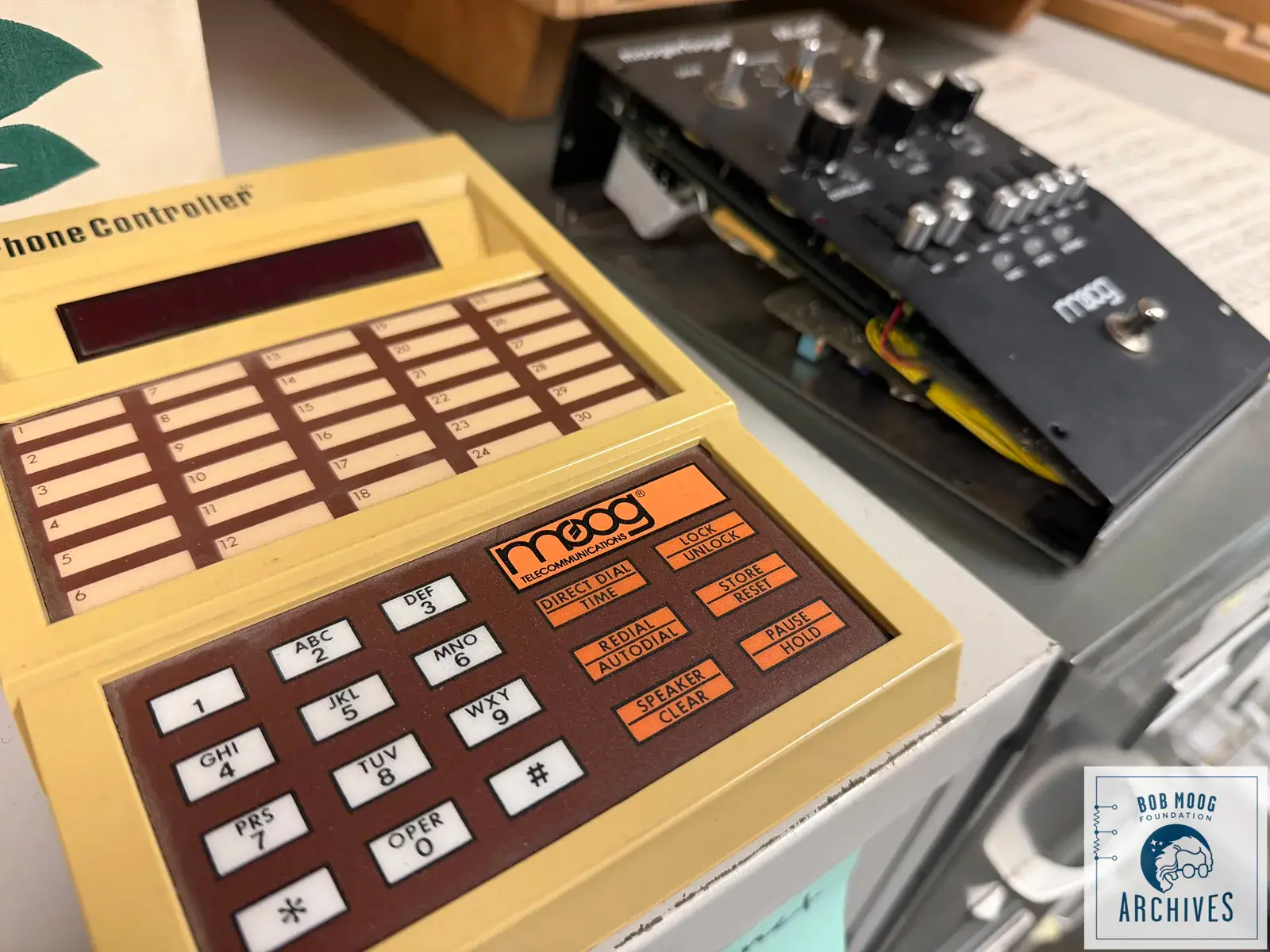
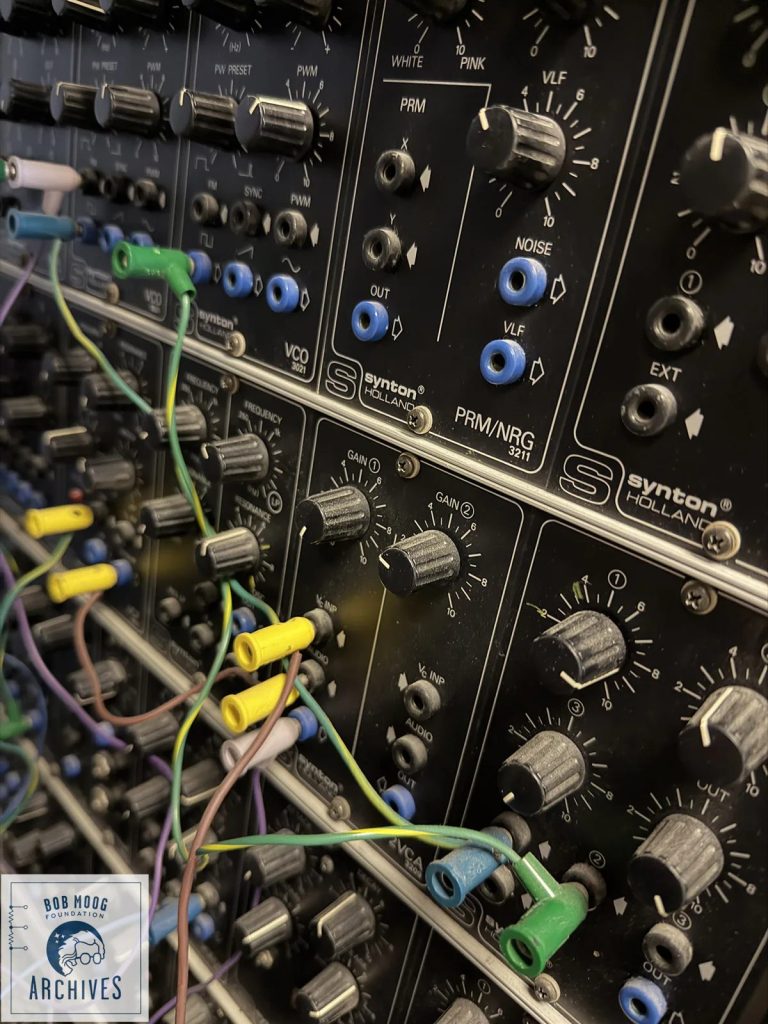
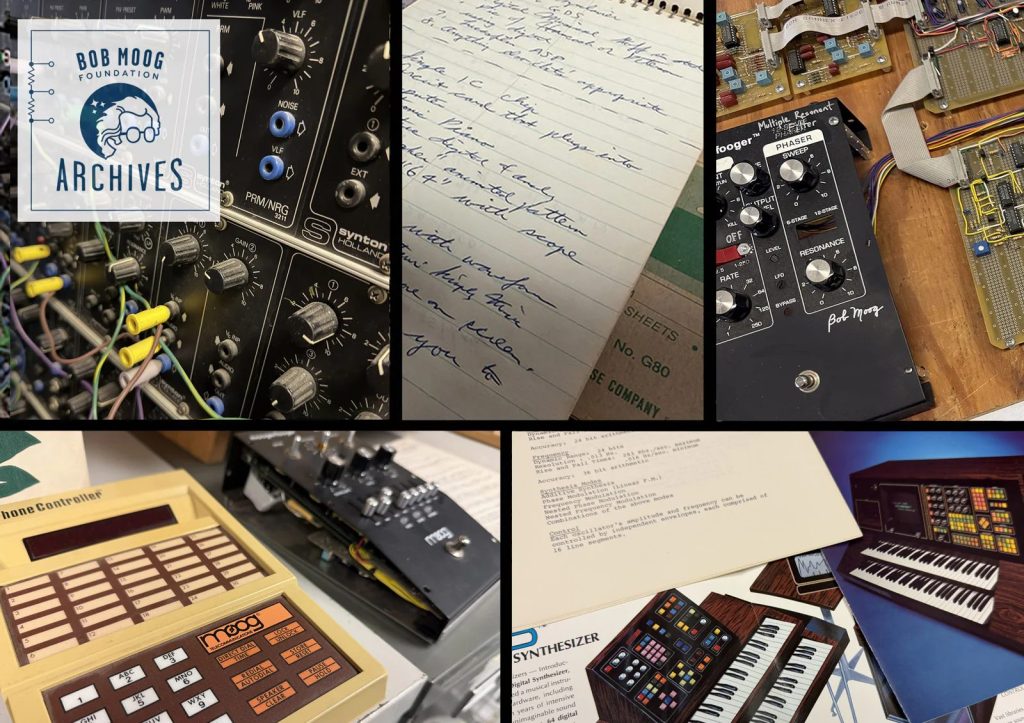
The headline pieces are hard to miss. The donation includes a Fairlight CMI, a Synton System 3000 modular synth, a bench-model Minimoog Voyager prototype, Moogerfooger prototypes, a Multiple Resonant Filter test fixture, and a Moog Phone Controller model PC-30.
Those objects will pull attention because they feel closest to the gear people already know. The office files may end up being just as revealing.
The donation includes correspondence between Bob Moog and figures including Wendy Carlos, Herb Deutsch, Felix Visser, and Lydia Kavina. It also includes first drafts of
forewords, technical articles, artwork, and handwritten engineering notes across schematic notebooks.
That is the material that can change how the story gets told. A finished synth shows the result. A letter, draft, or engineering note can show the uncertainty, revision, curiosity, and problem-solving behind it.
inMusic’s role gets a deeper context
The donation continues the relationship between inMusic, Moog Music, and the Bob Moog Foundation. It also lands after inMusic’s 2023 move into the Moog story, which we covered in our earlier piece on the inMusic and Moog Music partnership.
That context helps explain why this donation carries extra meaning. Moog Music continues building instruments under inMusic, while the Bob Moog Foundation operates as a separate nonprofit focused on preservation, education, and public access through the Moogseum in Asheville.
Joe Richardson, President of Moog Music and Executive Vice President of inMusic, said the Foundation helps preserve the “ideas, curiosity, and ingenuity that defined Bob Moog.”
That is the right lens for the donation. The archive is not only about protecting old things. It gives people a way to study how those ideas were worked out in real time.
Preservation changes what gets remembered
The Bob Moog Foundation spent well over a year evaluating, documenting, and archiving the donation. That detail says a lot about the scale of the project. This was not a box of promo relics getting dropped into storage. It was a serious archival effort across thousands of materials.
I wrote about a related idea in my article on why Chris Huggett deserves more credit in synth history. Electronic music history can get flattened when the same names and products take up all the space. Archives help correct that by keeping the evidence visible.
The inMusic donation adds a major new layer to the Bob Moog Foundation Archives because it captures the work around the work: the notes, letters, tests, parts, drafts, prototypes, and documents that explain how electronic music tools are actually made.
That is the part worth holding onto. The instruments made the sound. The archive shows the thinking that got them there.

Will Vance is a professional music producer who has been involved in the industry for the better part of a decade and has been the managing editor at Magnetic Magazine since mid-2022. In that time period, he has published thousands of articles on music production, industry think pieces and educational articles about the music industry. Over the last decade as a professional music producer, Will Vance has also ran multiple successful and highly respected record labels in the industry, including Where The Heart Is Records as well as having launched a new label with a focus on community through Magnetic Magazine. When not running these labels or producing his own music, Vance is likely writing for other top industry sites like Waves or the Hyperbits Masterclass or working on his upcoming book on mindfulness in music production. On the rare chance he's not thinking about music production, he's probably running a game of Dungeons and Dragons with his friends which he has been the dungeon master for for many years.