XLN Audio RC-20 Retro Color Review is a funny thing to write in 2026 because this plugin has been around long enough that plenty of producers probably assume the conversation is finished. I get that.
RC-20 has been sitting on hard drives for years, and it has been used on synths, drums, guitars, vocals, piano loops, basses, sample chops, and full music buses so often that it almost feels like a default production tool at this point. That familiarity can make it easy to overlook, which is exactly why I wanted to take a fresh pass at it here. If you still haven’t snagged it yet, check it out on Plugin Boutique while supporting our site through our affiliate partnership.
The more I look at how producers actually use RC-20, the less I think of it as a lo-fi plugin in the narrow sense. It is really a fast way to give clean sounds a reason to sit in the mix. It keeps coming up because it quickly solves a common production problem: a part can be written well, mixed reasonably, and still feel too clean once the full track is moving around it.
What Is XLN Audio RC-20 Retro Color?
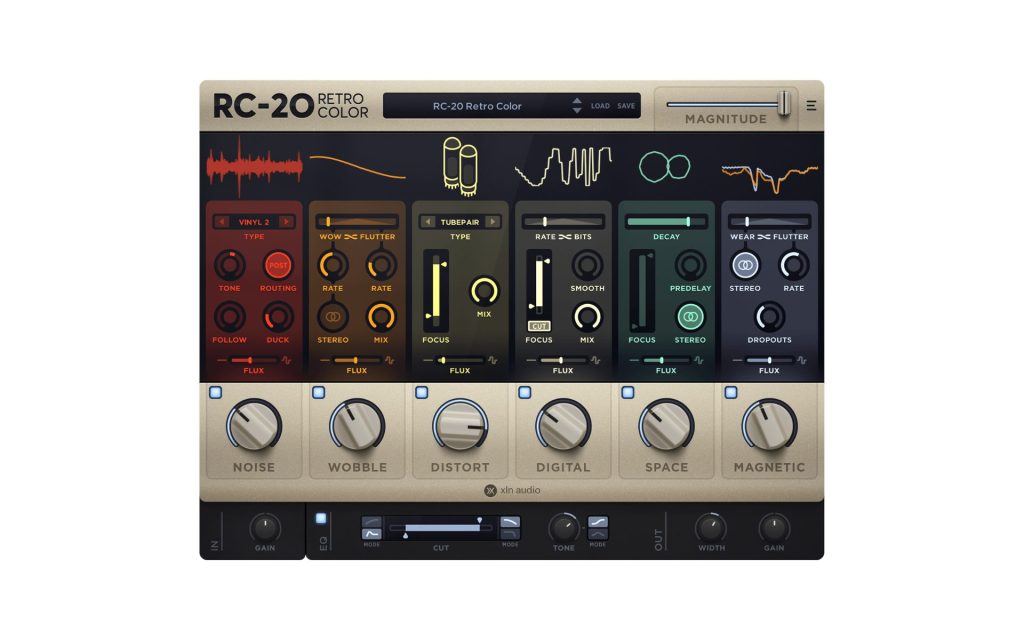
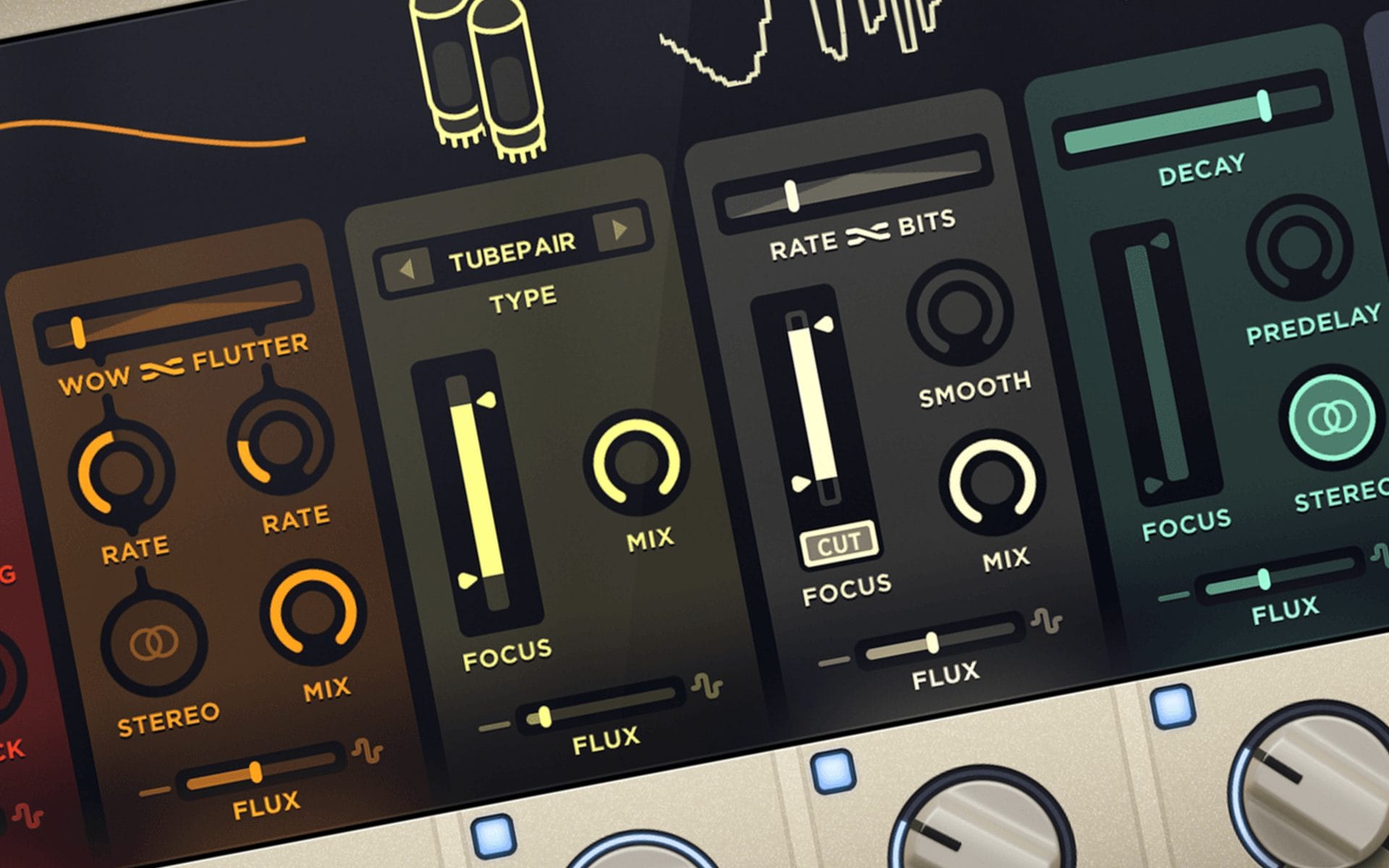
RC-20 is built around six modules: Noise, Wobble, Distort, Digital, Space, and Magnetic.
Each one handles a different type of aging, movement, or coloration, and the Magnitude slider lets you push or pull the whole effect without rebuilding the patch from scratch. That matters because texture work can get technical fast if you let it. One plugin turns into a tape chain, a noise layer, a saturation stage, pitch movement, filtering, and reverb, and before long the part has taken up half the session. RC-20 skips a lot of that.
The biggest misconception around RC-20 is that it is only useful when you want the obvious dusty vinyl thing, warped cassette thing, crunchy sampler thing, or washed-out chord sound. It can do all of that quickly, and that is probably how a lot of people first used it, yet the better use is usually smaller.
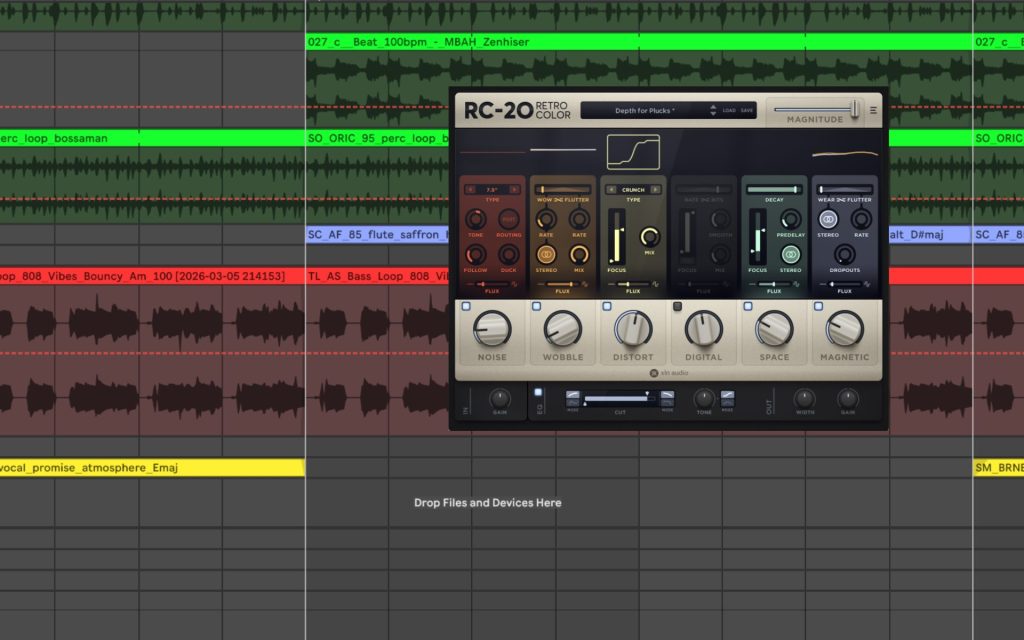
A little Wobble on a pad, a bit of Distort on a bass, a controlled layer of Noise under a piano, or a darker Magnetic setting on a music bus can do more for a track than pushing the plugin until the source sounds like a preset demo.
That is the reason I still like RC-20. It is fast and easy to dial back. In a normal session, that matters. I do not always want to build a chain from scratch just to help a part sit better. Sometimes I want one tool that gets me close quickly, then I can decide how much character should stay.
This is also where my convo with Fox Stevenson has stuck with me even after almost a year of time has passed. He talked about listening to what is already there in a session and reacting honestly instead of forcing the track toward what you wish it was, and that is exactly the quality I would be looking for in a plugin like RC-20 and is where RC-20 def snags its place because it can make a source feel processed without turning the move into a separate project.
Why Producers Use RC-20 On Synths, Drums, And Buses
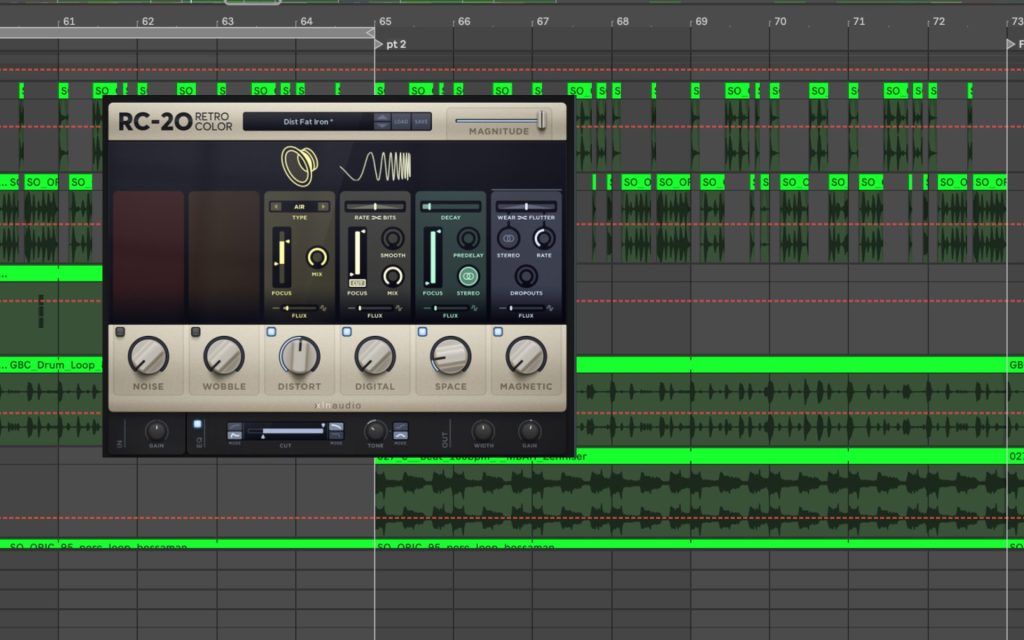
The most common RC-20 use case I see is on sounds that already have the right musical role and still feel too plain. This happens constantly with software synths, keys, sampled chords, pads, and plucks. The notes can be all but perfect, the patch can be close, the level can be fine, and the sound can still feel like it came straight out of the DAW with no real identity.
RC-20 helps because it adds movement and texture without forcing you to rewrite the part.
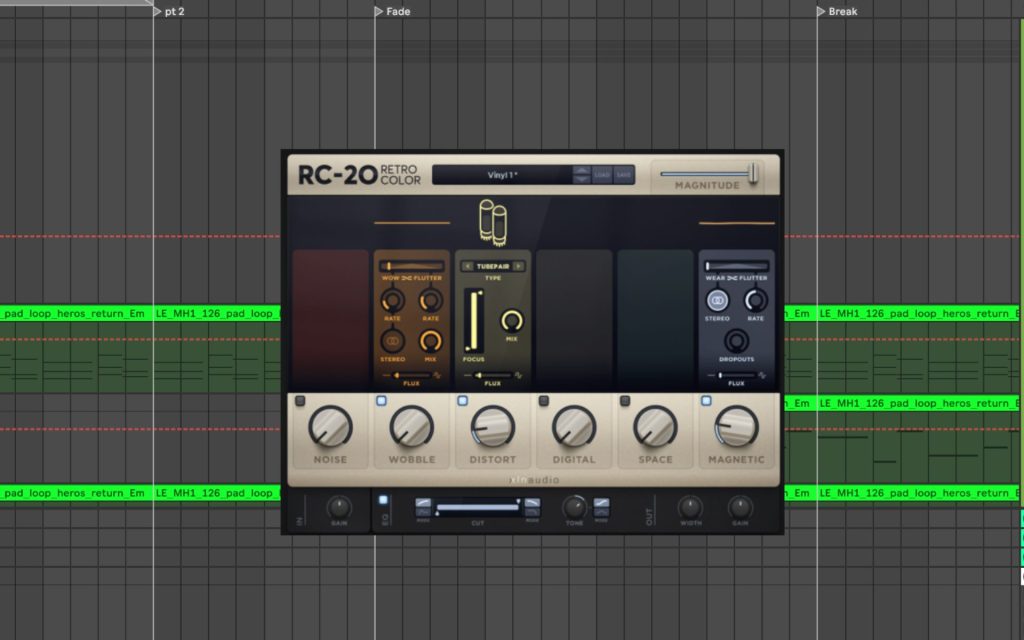
On synths, I usually think of RC-20 as a way to make a clean source feel less locked in. Wobble can add small pitch movement, Distort can bring out the mids, Magnetic can add subtle instability, and Noise can fill the space around a part if the arrangement feels too empty. I tend to turn modules off before I turn settings up because the plugin works best when it has one clear job.
If the sound only needs pitch drift, I do not need noise, space, and digital artifacts on top of it. If it only needs midrange grit, I do not need to make the pitch move too.
On drum buses, I use it carefully. RC-20 can be great on hats, claps, percussion loops, and drum groups when the samples are too clean, yet it can soften the drums if it is pushed too far. I like low Magnitude settings here, and I usually watch the top end because Noise and Distort can build up quickly.
Best RC-20 Settings For Lo-Fi House And Electronic Music
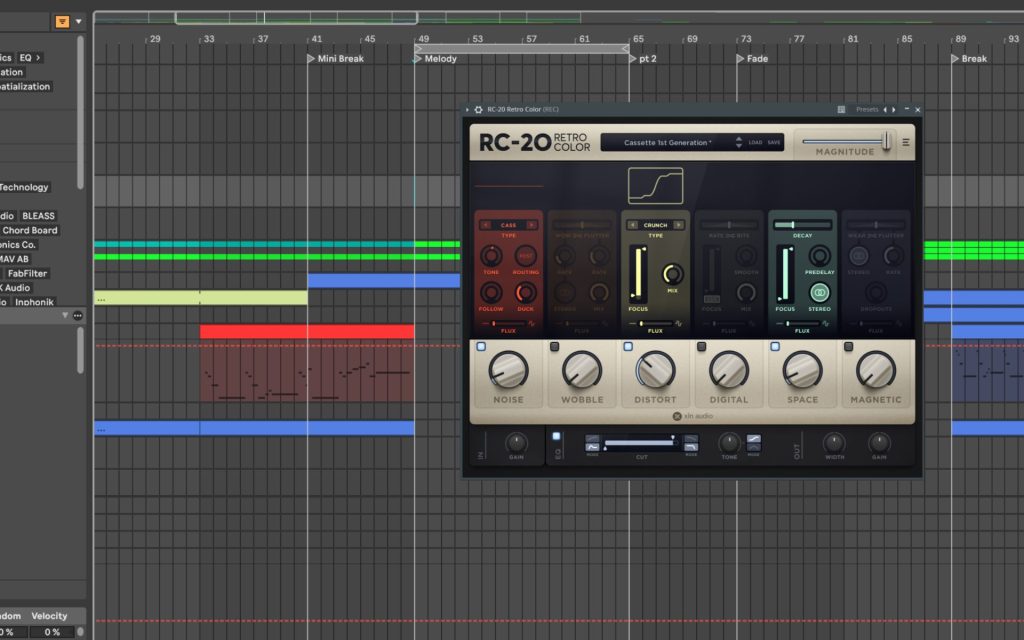
For lo-fi house, the easy move is to start with one of the cassette or vinyl-style presets, then pull it back until it sounds less like RC-20 and more like the track. That is the part people miss. The presets are useful because they get you to a tone quickly, yet leaving them untouched can make the sound feel too familiar.
I usually reduce Magnitude first, turn off any modules I do not need, then bring the effect back up until the source gets the right amount of wear without calling too much attention to itself.
For house, melodic electronic music, and club records, I like RC-20 on groups instead of scattered across the whole session. A synth bus might get a little Wobble and Magnetic movement. A piano bus might get some Noise and a darker color. A percussion group might get a touch of Distort.
For breakdowns and transitions, the Magnitude slider is probably the most useful part of the plugin. I like automating it upward when a part needs to move away from the clean version, then pulling it back before the main section returns. This is especially sick ot use on chords, keys, pads, and small ear-candy layers because the automation can create movement without adding another melody or extra arrangement part. It is a simple move, and it can keep a section from feeling flat while leaving the writing intact.
RC-20 On Guitars, Old Ideas, And Recorded Parts
RC-20 also works well on guitars and recorded parts that need to sit closer to the electronic elements.
A clean guitar part can feel pasted on top of a track if everything else is synths, samples, and programmed drums. RC-20 can darken the tone, add light saturation, and create enough movement to make the guitar feel connected to the production. I like it for that middle ground where the recording already has the right performance, and the processing just needs to make it fit.
This is also a useful tool for old sketches and old audio.
After my conversation with Bákayan, I kept thinking about his habit of keeping older projects around and coming back to them with fresh ears. That idea applies directly to RC-20 because old ideas often do not need a rewrite. They need a new context. A piano loop from an old session, a dry guitar take, or a synth chord you wrote months ago can become useful again once it has the right amount of movement, dirt, or filtering around it.
That is one of the better RC-20 use cases because it helps older material feel less disconnected from the track you are working on now. If the source feels too clean, too dry, or too obviously from another session, a small amount of shared texture can make it feel current without making the part sound fake AF.
Where RC-20 Still Holds Up In 2026
RC-20 holds up because it does a handful of useful jobs quickly. It gives you noise, pitch drift, saturation, digital artifacts, space, and tape-style movement in one place, and it lets you scale the whole thing with one control. Newer tools can handle each of those jobs with deeper control, and there are plenty of times when those tools make sense. RC-20 remains useful because it is faster than building the chain from scratch, and speed matters when the idea is still fresh.
The modules are super simple to understand, the controls respond quickly, and the presets are useful starting points without making the plugin feel closed off. You can use it heavily, lightly, on one sound, on a group, or as an automation tool in a transition. That workflow value is why producers keep using it, even when newer options are sitting in the same plugin folder.
The main reason it still works in modern production is that a lot of modern sources are too clean by default. Sample libraries are polished, soft synths are stable, timing is tight, and DAW sessions can get controlled very quickly. RC-20 gives you a simple way to add instability back into the record.
Used carefully, that instability can help a part feel less flat without making the mix feel careless.
XLN Audio RC-20 Retro Color Review: Final Verdict
RC-20 Retro Color is still one of the easiest texture plugins to recommend because it solves a common problem simply. It helps clean sounds feel less flat, gives synths movement, adds grit to drums, helps basses translate, and can make recorded parts sit closer to electronic production.
It is not the newest tool in this category, nor the deepest, yet it is still one of the fastest ways to give a part usable character.
For me, RC-20 earns its place because it makes normal production problems easier to solve. If a synth is too clean, if a piano feels too polished, if a drum bus needs dirt, if a guitar needs to sit inside the track, or if a breakdown needs movement without extra writing, RC-20 can get there quickly.
That is why it still comes up so often in producer workflows, and that is why it still deserves a serious look in 2026.

Will Vance is a professional music producer who has been involved in the industry for the better part of a decade and has been the managing editor at Magnetic Magazine since mid-2022. In that time period, he has published thousands of articles on music production, industry think pieces and educational articles about the music industry. Over the last decade as a professional music producer, Will Vance has also ran multiple successful and highly respected record labels in the industry, including Where The Heart Is Records as well as having launched a new label with a focus on community through Magnetic Magazine. When not running these labels or producing his own music, Vance is likely writing for other top industry sites like Waves or the Hyperbits Masterclass or working on his upcoming book on mindfulness in music production. On the rare chance he's not thinking about music production, he's probably running a game of Dungeons and Dragons with his friends which he has been the dungeon master for for many years.