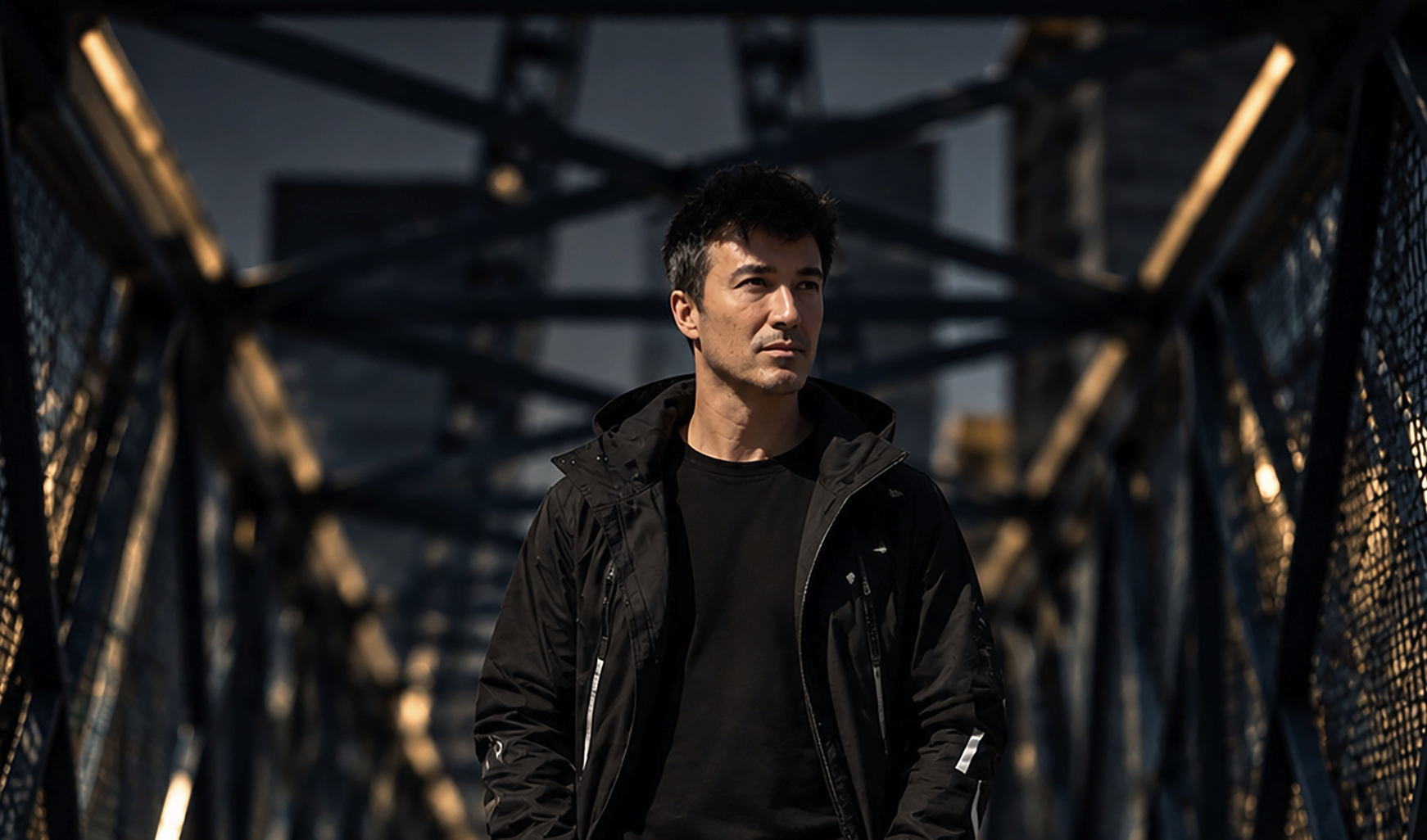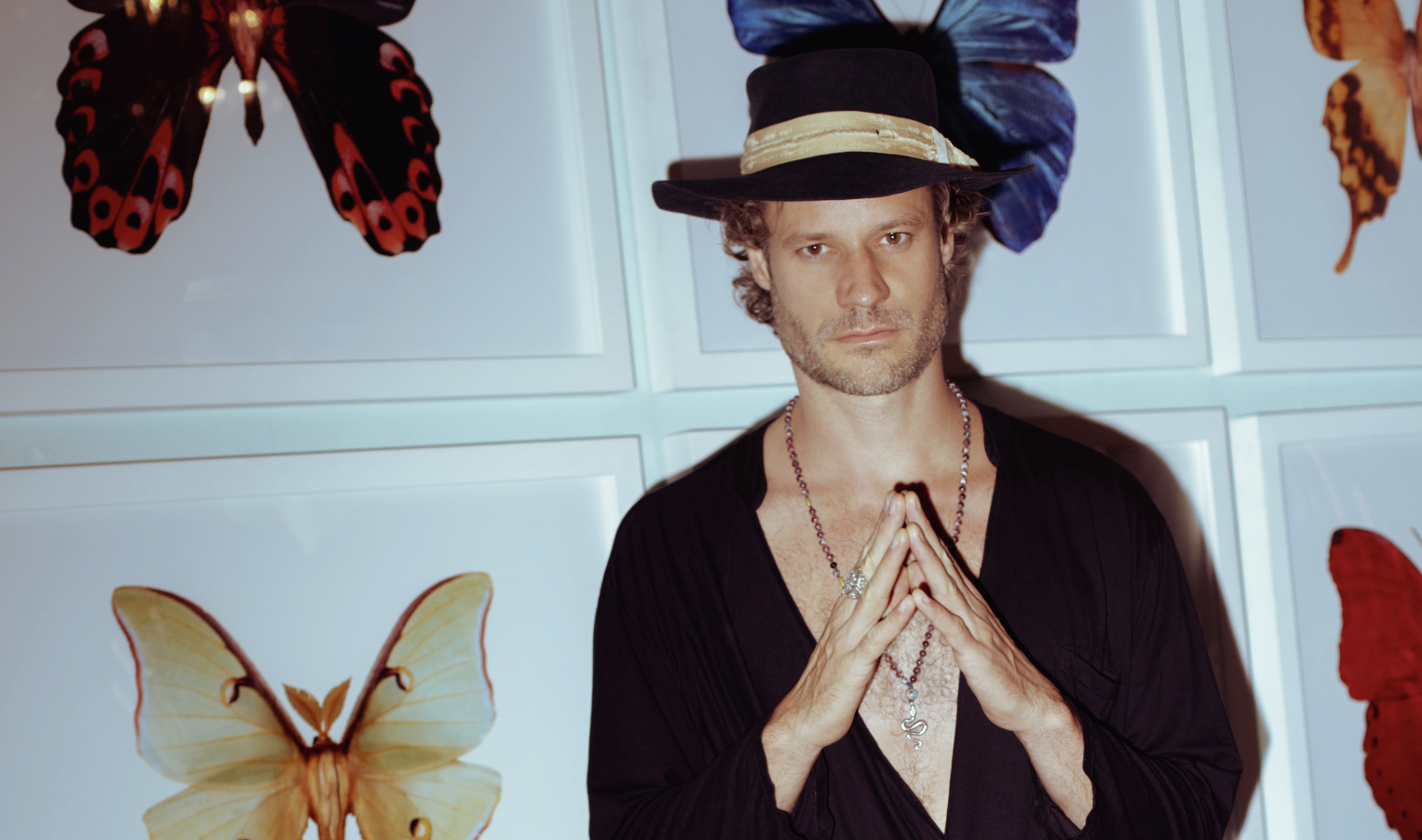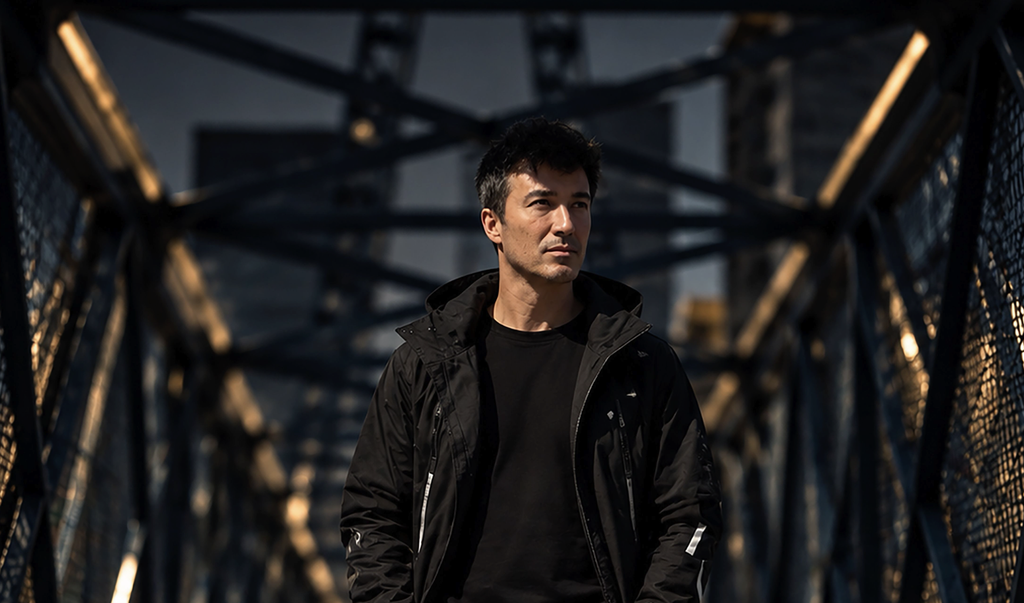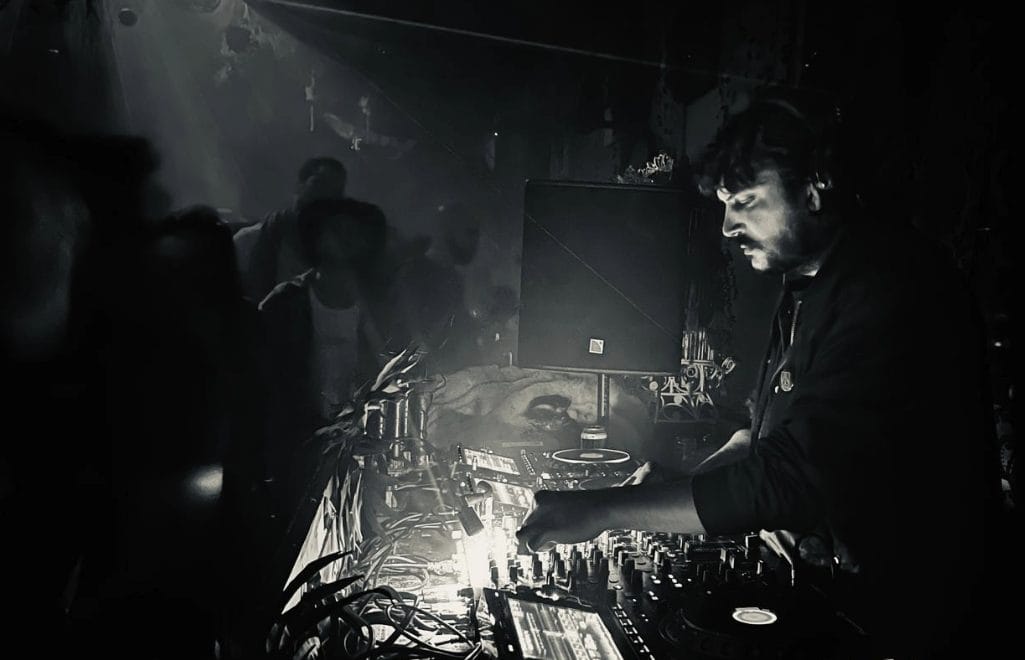
Eliezer’s recent run of releases makes more sense once you place it beside Chicken Town. “Hips,” “Marrakech After Midnight,” and “Fiera,” the latter released under his New York Acid Assembly alias with G L’e P, all point back to the same club-first attitude: raw rhythm, pressure, oddball reference points, and the belief that the room should lead before genre does. The records do not feel separate from the nights he builds. They feel like extensions of the same unruly system.
Eliezer is the founder of Chicken Town Records and a producer and selector moving through acid house, post-punk, indie electronica, nu-disco, techno, and electronic mutations. It also frames Chicken Town as both a label and event series, with its own live identity rooted in instinct, genre-bending energy, punk-edged expression, and a roaming New York-to-the-world sensibility.
That combination matters because Eliezer is not only releasing records into a scene. He is building the rooms, labels, aliases, and artist pathways that shape how those records are meant to hit.
In the interview below, Eliezer talks about the early trust he earned by mixing across genres before that was the default language of DJ culture, how “Hips,” “Marrakech After Midnight,” and “Fiera” relate to different kinds of dancefloors, and why creating opportunity means more than booking someone or releasing their music. His answers point to a long-view underground logic: the party comes first, the music decides the shape of the night, and a scene grows when people are exposed to a way of thinking they can carry into their own work.
Interview With Eliezer
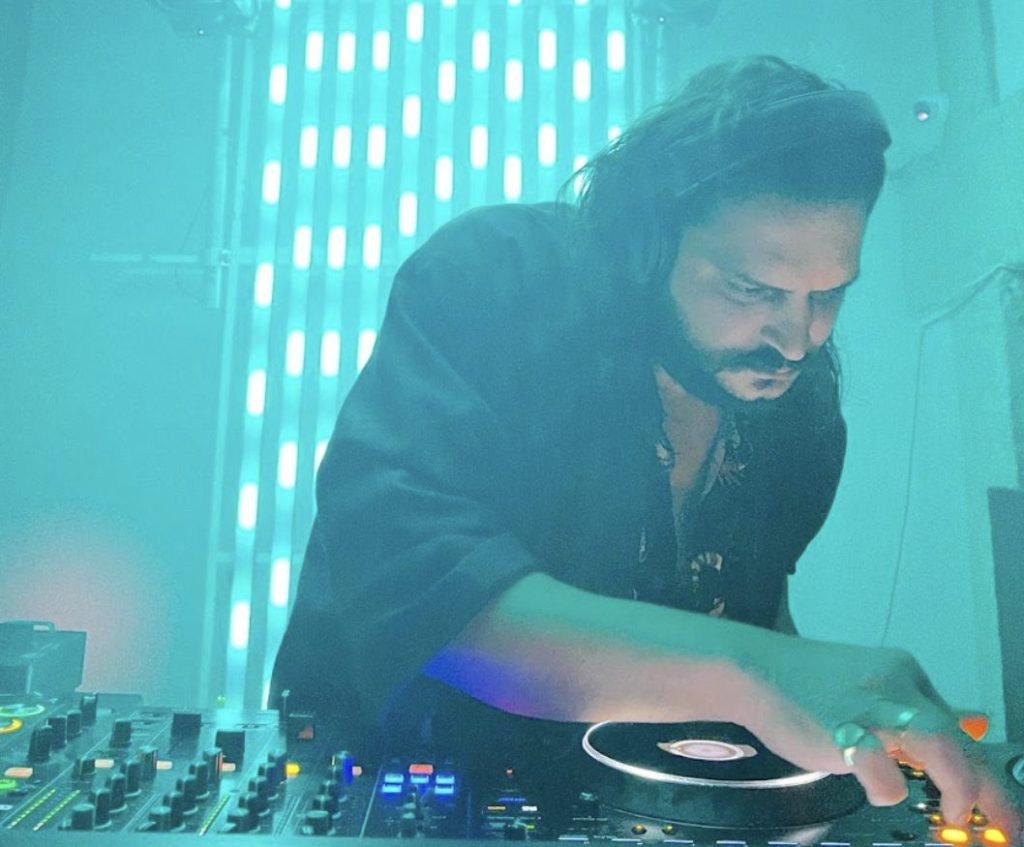
Was there a moment when someone extended access to you that meaningfully shaped your trajectory?
I think people trusted me back then because I was doing something quite different.
At a time when most DJs were staying inside one genre, I was already mixing different worlds together. And you have to remember, this was 20 or 25 years ago. The technology was completely different, so doing that smoothly was much harder.
I would mix Happy Mondays with minimal techno, industrial records, house, whatever made sense to me, but try to make the whole thing feel like one piece. I still remember playing at a festival in Miami around 20 or 25 years ago. I was playing something almost industrial, and suddenly I brought in Madonna’s “Like a Prayer.” The crowd was completely shocked. Today, genre-blending is everywhere, but back then those combinations felt much more unexpected. I think that was one of the reasons people started trusting me with bigger rooms and more opportunities.
All your last releases, “Hips,” “Marrakech After Midnight,” and “Fiera” with your other alias, have a clear club focus, so what kind of room or dancefloor were you thinking about while finishing them?
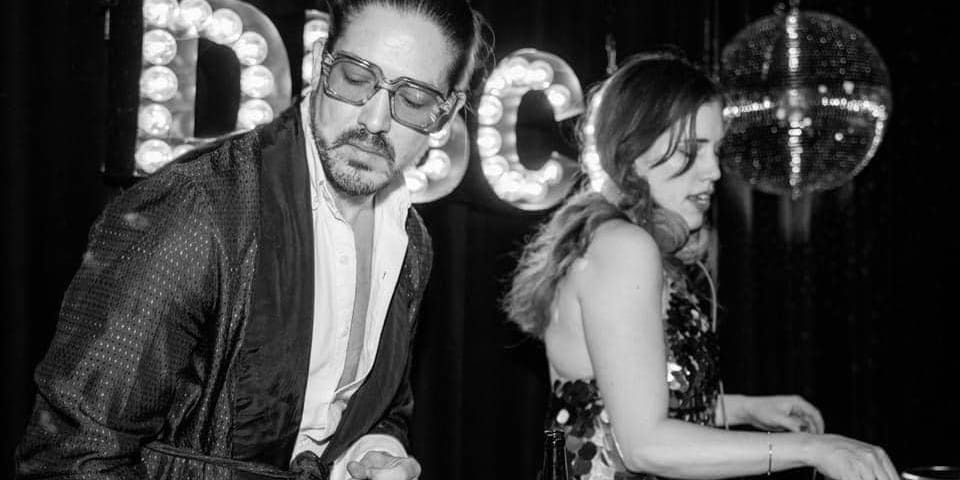
I love playing festivals, I love playing big clubs, and I also love playing for 200 people in a small club or even a bar. For me, it’s all part of the same thing. It’s different, but somehow it’s also the same.
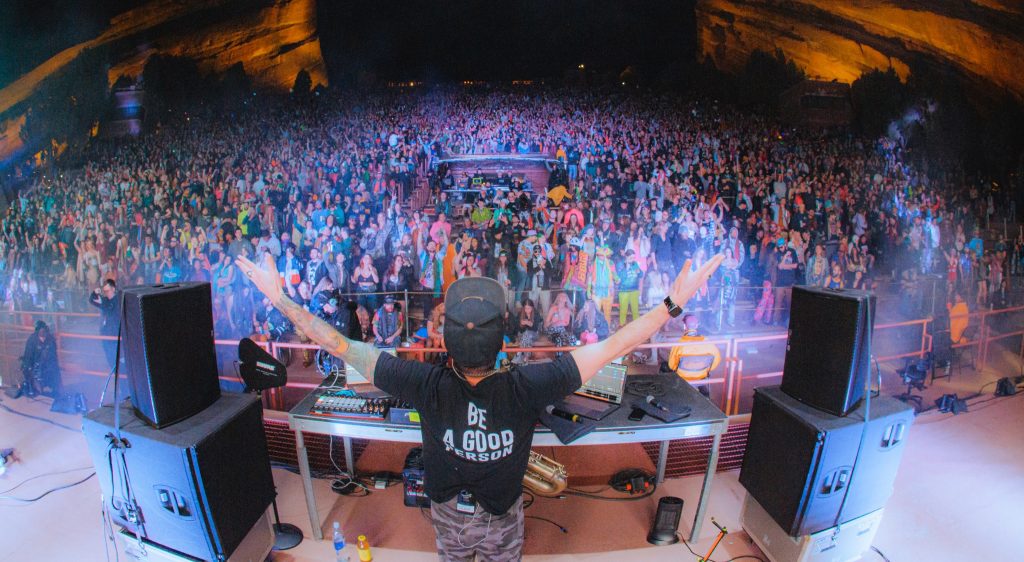
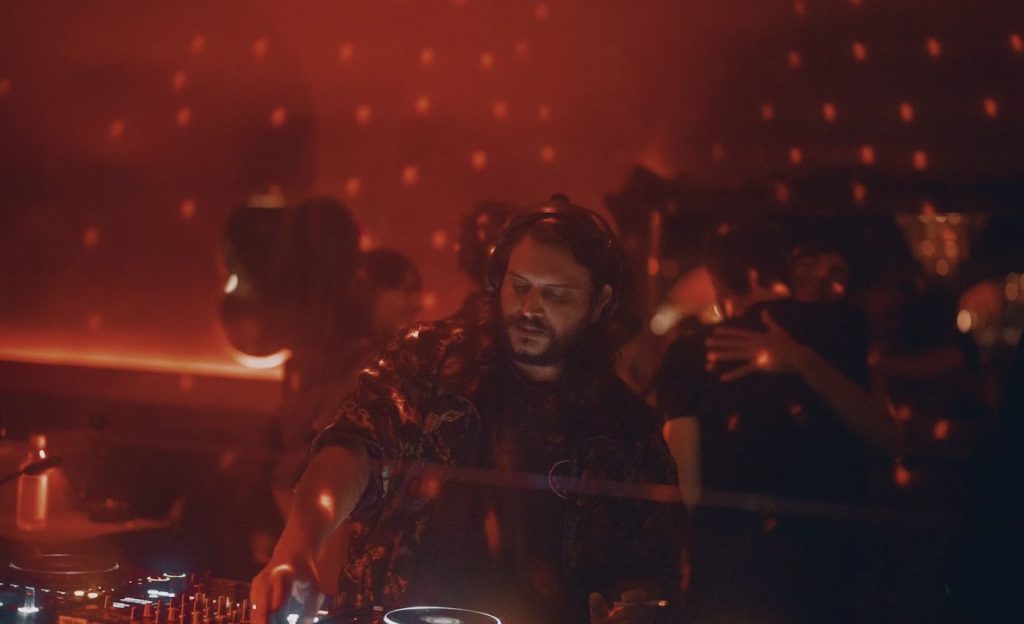
Playing for 3,000 or 5,000 people at a festival is obviously very different from playing eight or ten hours for 200 people who know you, come close, dance with you, touch you, hug you, kiss you. In the smaller room, the relationship becomes much more intimate. But at a festival you get something else.
You get the energy of this huge mass of people coming straight back at you.
Sometimes you drop something and suddenly this wave of energy from thousands, or tens of thousands of people, just hits you in the face, in your body. It’s very physical. You really feel it. At a festival you might have two hours, so everything is more concentrated. With a long set, you can stretch time. You can play something very old, then something completely new, go somewhere strange, disappear for a while and come back. You build a different kind of relationship with the room. So when I make club music, I’m not really thinking about one specific size of dancefloor.
I’m thinking about that exchange of energy. Sometimes it comes from 200 people right in front of you, and sometimes it comes like a massive wave from 5,000 people. Different feeling, same connection.

In what ways, if any, do you try to create opportunities for others now?
This has been part of my life for around 25 years. Since the days when I was running my own nights, then clubs, festivals, labels and different platforms, there were always younger artists coming through those spaces and growing inside that environment. I won’t mention names, but some artists who are very well known today spent important years around things I was building, and around me personally. In our circles, that history is pretty well known.
A lot of it was never formal mentoring.
It could be something I said before a set, after a set, while they were watching me play, talking about why something worked, why it didn’t, how to build a night, how to think about energy rather than just genre. Some of them would also sit with me in the studio for hours, days, sometimes entire nights, just watching, listening, asking questions, absorbing how I work and how I think about music. There were also people coming from completely different worlds, hip-hop, rock & roll, beat-making, other electronic genres, who changed direction and moved toward this kind of music after spending time around that environment and that way of thinking.
So for me, creating opportunities is not only booking someone or releasing their record. Sometimes it’s giving them a room, sometimes it’s advice, sometimes it’s a platform, and sometimes it’s simply exposing them to another way of thinking about music.
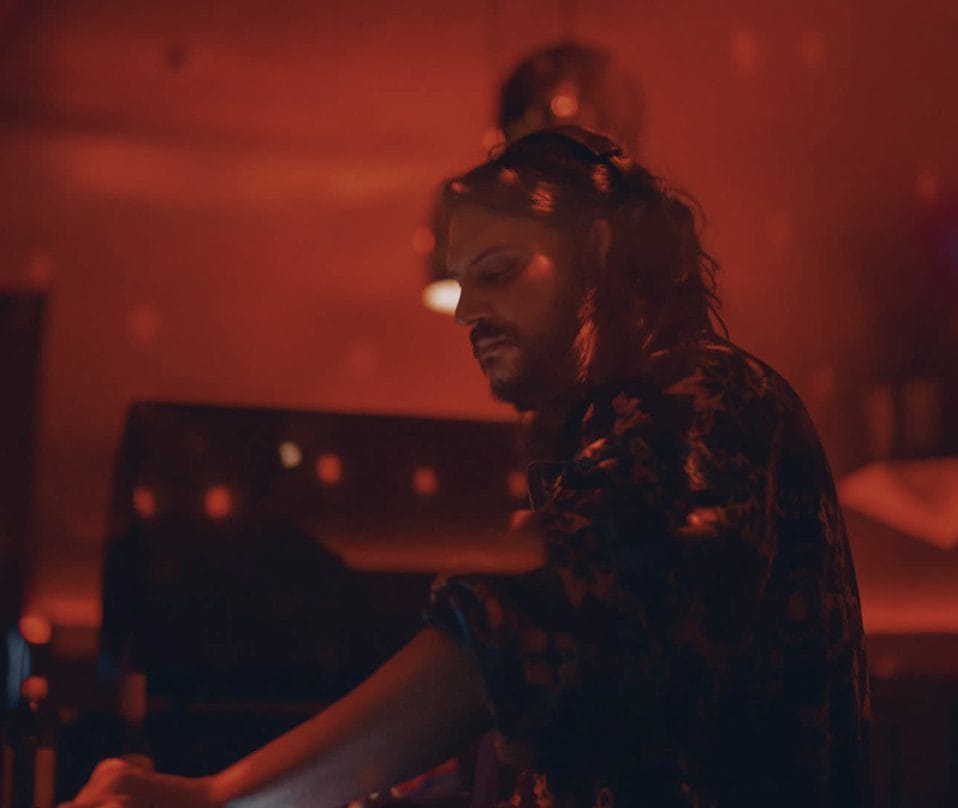
When you finish a club record, what usually tells you that it is ready to leave the studio and live in other DJs’ hands?
At some point I have to stop thinking like a producer and listen like a DJ.
Does it make me want to play it? Does the groove work without me explaining what is clever about it? I normally test things on a proper system, and when I stop hearing the production and start hearing the record, it’s ready.
What are practical ways DJs can help broaden lineups and perspectives within their circles?
Look outside the same ten names everybody already knows.
Go to smaller parties, listen to mixes, ask promoters and friends who they are excited about. And when you have some power over a lineup, use at least part of it to bring somebody new into the room. It doesn’t need to be a political statement. It can simply make the party more interesting.
How has running Chicken Town shaped the way you think about your own releases compared to releasing through another label?
With Chicken Town I see the whole picture. It’s not only whether the track is good. It’s when it should come out, the artwork, the story around it, what came before it and what comes next.
On another label I can surrender some of that control, which is also healthy. Sometimes another person hearing your music from the outside can see something you can’t.
How do you recognize when it’s time to share space or step aside for someone else?
For me, it’s never really about stepping aside because I’m being generous, and it’s never about taking the center because of ego.
The music decides. I know the range of what I play and what I want to bring to a particular night. Sometimes I’m completely happy opening the party. Sometimes I’m playing with a friend I’ve known for years, and whether I play before him or after him almost doesn’t matter because we understand each other musically and the whole thing just flows. If there’s a younger DJ I’m excited about who plays harder techno and then moves into some crazy drum & bass, obviously I want them in the slot where that energy makes sense. It’s not about age or status. It’s about what the night needs at that moment.
And sometimes I know I need to be in the middle of the night because I need to hold the room, move it somewhere, and then hand it properly to the DJ coming after me. So I would never damage the flow of a party just to be generous, and I would never damage it because of my ego either. The party comes first. The music tells you where everybody should be.

Closing Thoughts
Eliezer’s answers make Chicken Town feel less like a label brand and more like a system for keeping the party unstable in the best possible way. The records, events, aliases, edits, rooms, younger artists, old references, and genre collisions are all tied to the same principle: the night should not feel overdetermined. His answer about mixing Happy Mondays, minimal techno, industrial records, house, and Madonna decades ago is not just a good anecdote. It explains the whole method. He was building sets around collision before collision became a default language of modern DJing.
That connects with my interview with The Micronauts around genre-crossing acid, new beat, dark disco, and underground dance pressure, where the interesting part was how different histories could move together without the set losing its physical pull. Eliezer is talking about the same discipline from a more punk, room-driven angle. The trick is not simply throwing surprising records together. The trick is making them feel like one piece, so the shock becomes part of the groove instead of a cheap interruption.
The New York angle also brings my CID interview around “No Phones” and the rawer side of modern New York nightlife into the conversation. CID was talking from a different sound world, but the shared point is that New York’s club identity keeps returning to spaces where the night feels less polished and more immediate. Eliezer’s smaller-room comments get to the emotional reason that still works.
Two hundred people close enough to touch, react, and change the temperature of the room can give a DJ a different kind of truth than a massive festival field.
That is what makes Chicken Town important beyond the releases themselves. “Hips,” “Marrakech After Midnight,” and “Fiera” are not only club tracks meant to move through DJ folders. They are evidence of an artist building an environment around his taste instead of separating the music from the culture that feeds it. Eliezer’s strongest idea is also his simplest: the party comes first. Once that is true, lineup decisions, release timing, set placement, aliases, records, and opportunities all become part of the same job. Protect the flow.
Let the room speak. Put the right person in the right moment. Then let the music decide what happens next.

Magnetic byline note: This byline is used for staff produced updates and short announcements, often based on press materials and official release information. Editorial responsibility: David Ireland (Editor in Chief) and Will Vance (Managing Editor). About: https://magneticmag.com/about/ Masthead: https://magneticmag.com/masthead/ Contact: https://magneticmag.com/contact/