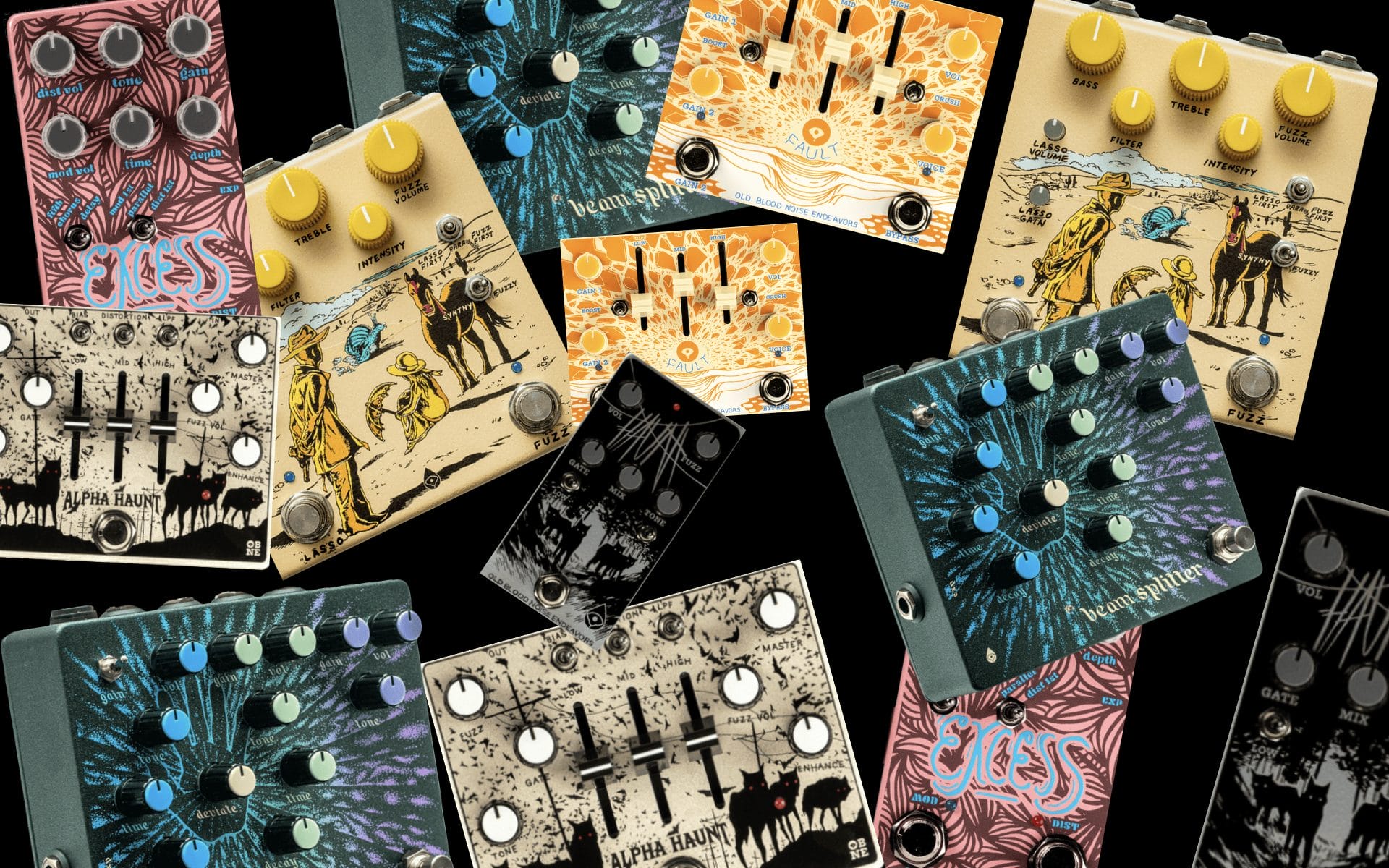
Old Blood Noise Endeavors has always been good at taking familiar guitar effects and pushing them a little sideways. The company’s summer gain lineup leans into that part of its identity, centering a group of pedals built for larger riffs, rougher textures, and dirt tones that feel more alive than another polite overdrive box.
The featured group includes Pardner Fuzz, Excess V2, Beam Splitter, Fault V2, Haunt, and Alpha Haunt. That gives players a pretty wide spread of drive behavior without turning the whole thing into six versions of the same pedal. There is splattery fuzz, thick distortion, three-path parallel gain, Klon-inspired drive with extra muscle, and gated transistor fuzz for players who want the edges to fray a bit.
That is really the useful angle here, at least to me since we all know how much I love using pedals on my synths. OBNE’s dirt pedals are not only about adding more gain. They tend to give the player a way to shape how unstable, wide, controlled, or strange that gain becomes. For guitarists writing heavier riffs, post-punk parts, noisy leads, or blown-out studio layers, that extra personality is usually the reason to reach for this kind of pedal in the first place.
Here’s The Important Stuff
- Old Blood Noise Endeavors is pushing a summer lineup built around gain, with fuzz, distortion, drive, and parallel dirt pedals at the center.
- The featured pedals include Pardner Fuzz, Excess V2, Beam Splitter, Fault V2, Haunt, and Alpha Haunt, covering everything from gated transistor fuzz to three-output parallel drive.
- The angle is simple: bigger riffs, less ambient wandering, with each pedal giving guitarists a different way to push dirt, texture, saturation, and high-gain movement.
Which OBNE pedal is best if you want fuzz that gets weird fast?
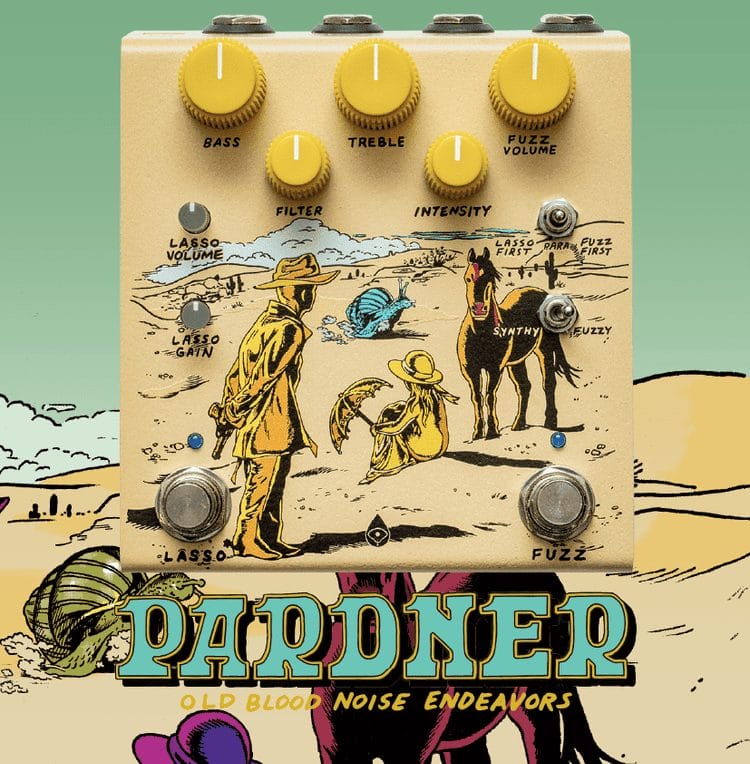
Pardner Fuzz is the option that seems built for players who want the fuzz to feel a little broken, synth-like, and animated. OBNE describes it as sputtery, zippy, and synthy, which puts it closer to the more unstable side of fuzz than the smooth vintage side.
The useful feature here is the Lasso control, which lets players level out the fuzz in parallel with a drive of their choice. That gives Pardner more room than a standard fuzz box because you are not locked into one compressed wall of texture. You can keep some drive structure underneath while letting the fuzz tear across the top.
For players writing heavier riffs, noisy leads, or parts that need to cut through a dense band mix, that parallel approach can help the sound stay aggressive without turning into total mush.
What does Excess V2 do for distortion players?
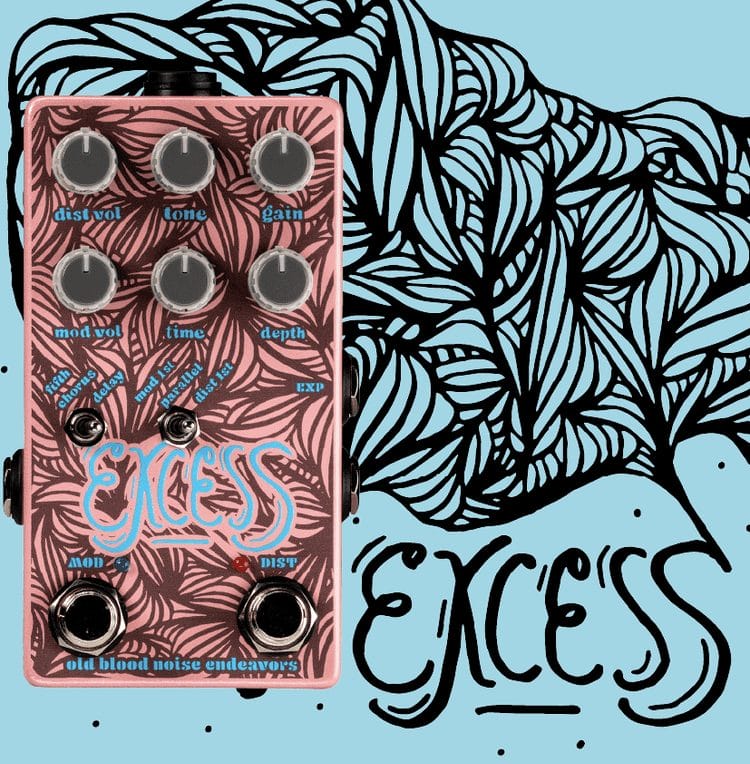
Excess V2 is OBNE’s thicker distortion option, inspired by an infamous 80s gigging staple and expanded with modulation choices. That combination gives it a different role from the fuzz pedals because it is less about sputter and more about heavy distortion with added movement.
This is the pedal for players who want the gain to feel excessive on purpose. It can live in a riff setup, but the modulation side also makes it useful for parts that need to wobble, smear, or lean into a more warped post-punk, noise rock, or shoegaze-adjacent character.
That is where OBNE usually does well. The company rarely treats dirt as a flat “more gain” button. The pedals tend to give the player some way to bend the dirt into a more personal shape.
Why would a guitarist want three drives in parallel?
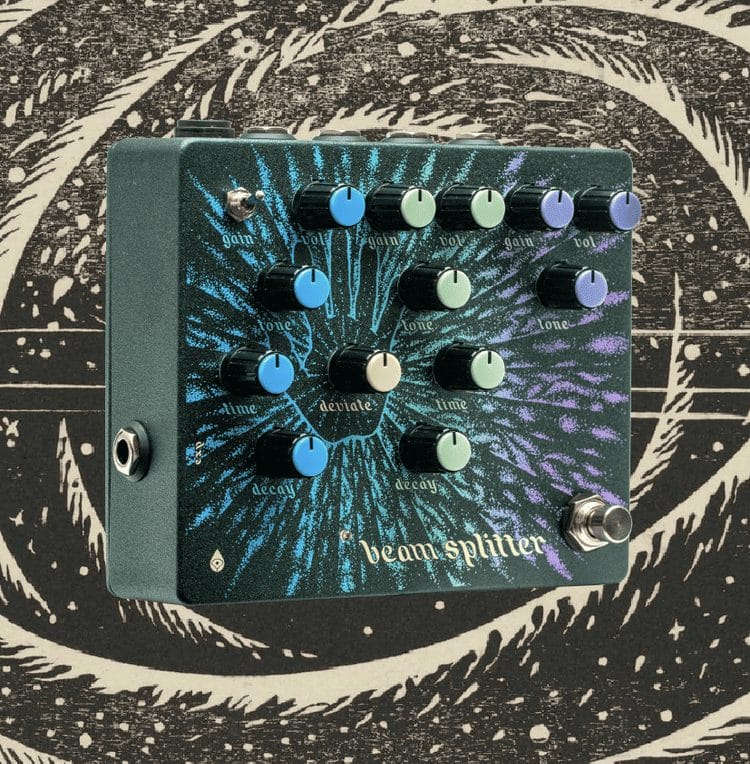
Beam Splitter is probably the most OBNE idea in the group: three drives running in a parallel signal path, with up to three outputs, each carrying its own drive voice.
OBNE calls it a TREREO drive pedal, which is exactly the kind of weird joke only this brand would make, but the concept is practical if you like huge stereo or multi-amp setups. Instead of stacking drives in series, Beam Splitter spreads them in parallel, which can create a wider and more layered wall of gain.
That could be useful in the studio as well as live. One output could be tighter, another rougher, another more blown-out, and the combination can create a guitar tone that feels larger than a single distortion path.
Which OBNE pedal is the more controlled high-gain option?
Fault V2 is the more controlled drive option in the lineup. It is described as a Klon-like drive with additional gain stages and a post-gain three-band EQ, which makes it useful for players who want to push an already crunchy amp into heavier territory without losing the ability to shape the result.
That EQ section is the key. High gain can get messy fast, especially when the low end piles up or the upper mids get too sharp. Fault V2 gives players a way to make the drive bigger while still carving the tone after the gain stage.

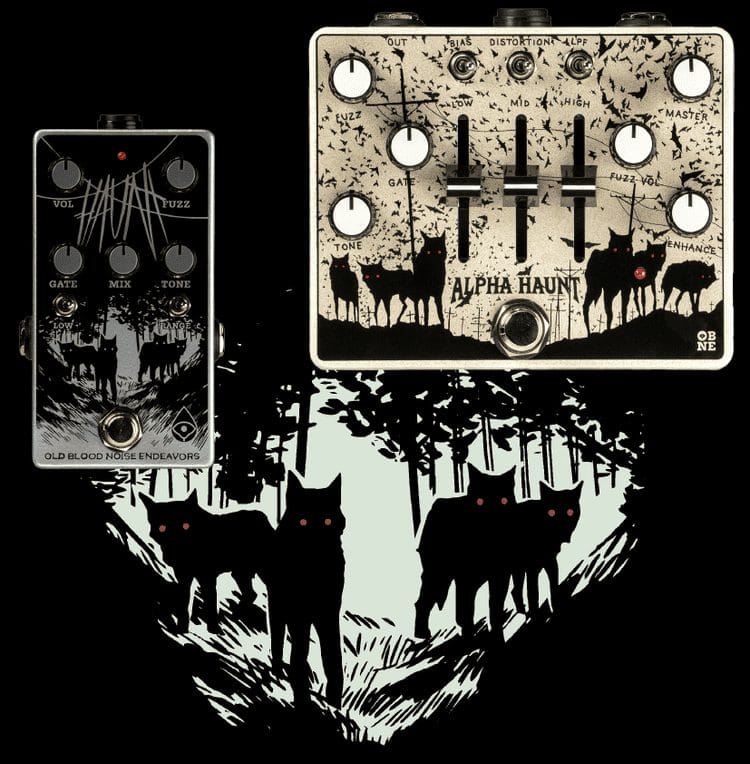
Haunt and Alpha Haunt finish the lineup from the fuzz side. Haunt is OBNE’s flagship gated transistor fuzz, while Alpha Haunt expands the format with a post-gain three-band EQ, an Enhance low-gain mix control, and a Bias selector. That makes Alpha Haunt the deeper choice for players who want the gated fuzz character but need more tone control and range.
Together, the lineup gives guitarists several routes into bigger summer riff tones, whether the goal is sputtery fuzz, thick distortion, parallel drive width, amp-pushing gain, or gated transistor bite.

Will Vance is a professional music producer who has been involved in the industry for the better part of a decade and has been the managing editor at Magnetic Magazine since mid-2022. In that time period, he has published thousands of articles on music production, industry think pieces and educational articles about the music industry. Over the last decade as a professional music producer, Will Vance has also ran multiple successful and highly respected record labels in the industry, including Where The Heart Is Records as well as having launched a new label with a focus on community through Magnetic Magazine. When not running these labels or producing his own music, Vance is likely writing for other top industry sites like Waves or the Hyperbits Masterclass or working on his upcoming book on mindfulness in music production. On the rare chance he's not thinking about music production, he's probably running a game of Dungeons and Dragons with his friends which he has been the dungeon master for for many years.







![Baby Audio HyperWarp Review: Why Less [Processing] Is More](https://magneticmag.com/wp-content/uploads/2026/10/Untitled-Design-88.png)



![Baby Audio HyperWarp Review: Why Less [Processing] Is More](https://magneticmag.com/wp-content/uploads/2026/10/Untitled-Design-88-1024x683.png)
![How It Was Made: Lang Father i(Junkyard Dog) [Welofi]](https://magneticmag.com/wp-content/uploads/2026/10/Press-Pic_2-1024x576.jpg)