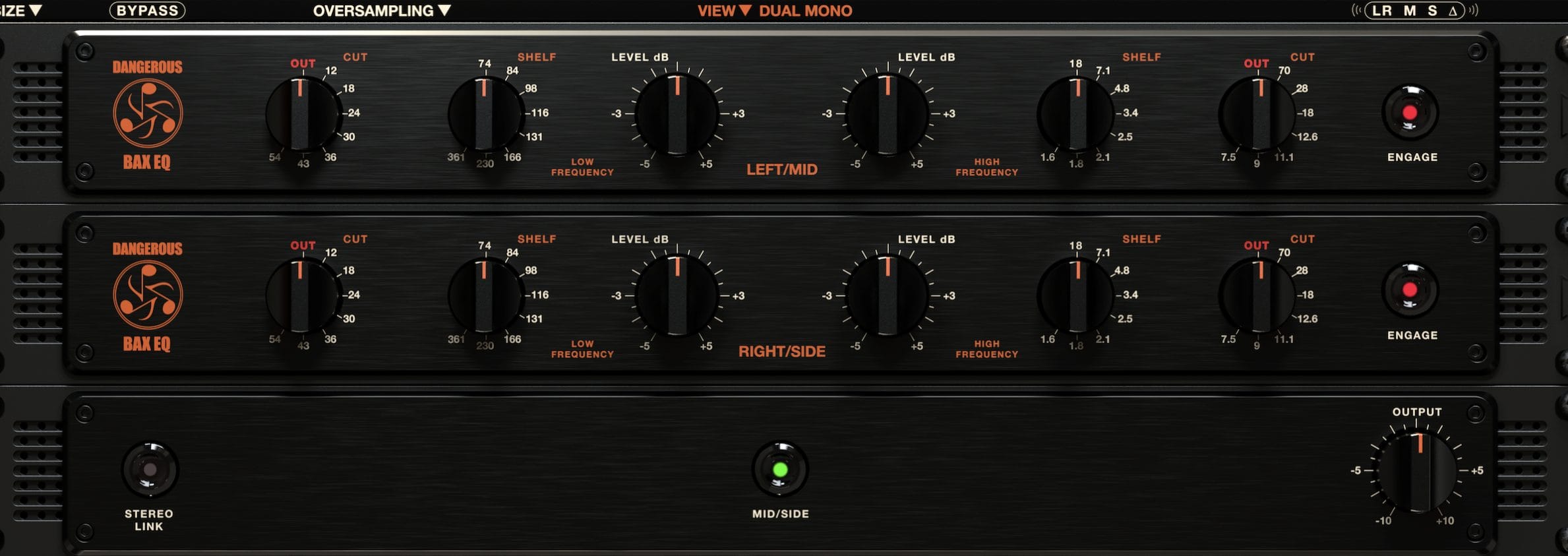
The easy version of this story is that Dangerous Music has turned the BAX EQ into a plugin.
That undersells the actual tension.
Plenty of hardware brands have moved classic studio boxes into software. Sometimes it works. Sometimes the plugin becomes a convenient approximation with the name, the faceplate, and a familiar curve, while the reason people cared about the hardware in the first place gets thinned out in translation.
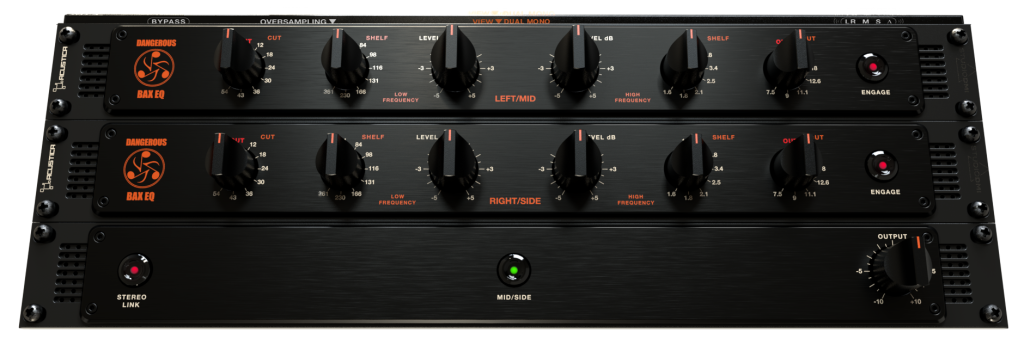
Dangerous Music clearly knew that problem before it started talking about the BAX EQ Plugin. The company is not pitching this as a casual software edition. It is calling it the only BAX EQ plugin certified by Dangerous Music, built with direct involvement from mastering designer Chris Muth and the Dangerous Music team, then evaluated against current BAX EQ hardware with listening and measurements.
That is the real story here. The BAX EQ Plugin is not trying to win by having the nicest screenshot of a famous mastering EQ; it’s trying to win by proving that the people who designed and still build the hardware could sit with the plugin and say, yes, this behaves like BAX.
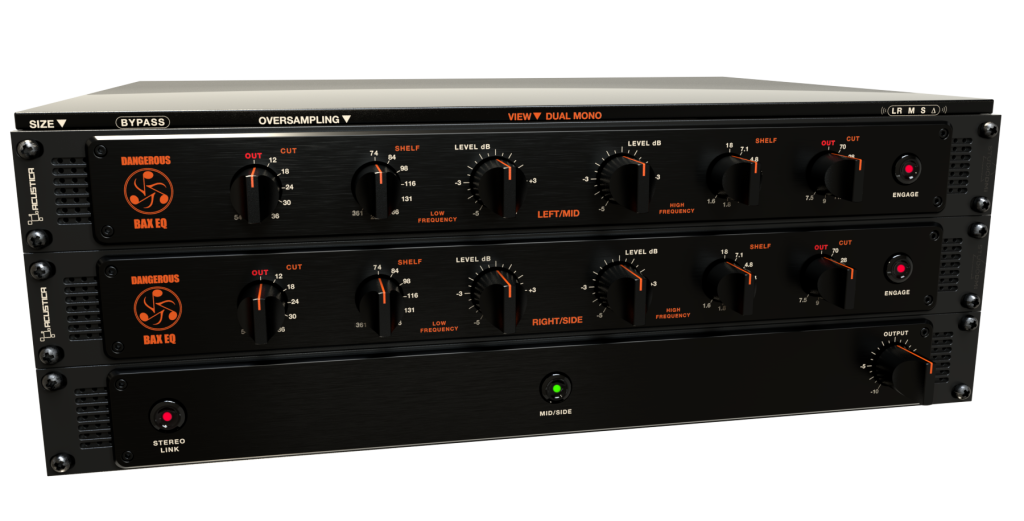
BAX has always been about broad moves
The BAX EQ has spent nearly two decades as a trusted piece for broad tone shaping, especially in mixing and mastering rooms where small moves can change the entire record.
The reason engineers like this kind of EQ is that it does not ask you to carve with a microscope. The broad high and low shelves, along with phase-coherent low-cut and high-cut filters, are built for the kind of choices that make a track or master feel finished without sounding obviously processed.
That is also why BAX is tricky to turn into software.
A surgical EQ plugin can be judged by utility pretty quickly. Does it cut? Does it show the analyzer? Does it solve the harsh node? BAX lives in a more delicate zone. It is about how the low end feels after a wide shelf. How the top opens without turning brittle. How the extremes get cleaned up without the center of the record feeling smaller.
I covered a related EQ conversation in my article on Acustica Audio RUST 2, where passive EQ behavior and saturation were part of the appeal. BAX is a different design, but the same larger question sits underneath: can a plugin capture the musical behavior people reach for in hardware, or does it only capture the layout?
Why this one fits producers too
The BAX EQ has a mastering reputation, but the plugin format should make it much easier for producers to use earlier in the process.
On kick and bass, Dangerous Music says it can add resonance, authority, and warmth. On vocals, pads, and strings, it can open the top with smooth air and dimension. Across stems, the mix bus, or a mastering chain, it can help bring the record together without making the processing sound obvious.
That last phrase is basically the BAX promise.
For electronic producers, a broad EQ like this can sit in a few obvious places: synth bus, drum bus, low-end group, vocal effects return, full mix, or final pre-limiter chain. It is not the EQ you grab to hunt one ugly frequency. It is the one you grab when the record needs to feel a little wider, firmer, clearer at the edges, or less congested without drawing attention to the move.
I also keep thinking of my Sonible smart 4 review as a contrast point.
That plugin is fascinating because its intelligence helps steer problem-solving. BAX sits on the other side of the desk. It is about broad taste decisions and hand moves, now brought into software with the original hardware team checking the result.

Will Vance is a professional music producer who has been involved in the industry for the better part of a decade and has been the managing editor at Magnetic Magazine since mid-2022. In that time period, he has published thousands of articles on music production, industry think pieces and educational articles about the music industry. Over the last decade as a professional music producer, Will Vance has also ran multiple successful and highly respected record labels in the industry, including Where The Heart Is Records as well as having launched a new label with a focus on community through Magnetic Magazine. When not running these labels or producing his own music, Vance is likely writing for other top industry sites like Waves or the Hyperbits Masterclass or working on his upcoming book on mindfulness in music production. On the rare chance he's not thinking about music production, he's probably running a game of Dungeons and Dragons with his friends which he has been the dungeon master for for many years.