Intercontinen7al takes the idea of remote collaboration about as far as it can go. The collective has recorded contributions from musicians across all seven continents, and “Some Thousand Feet High” brings together performers from Egypt, the UK, Japan, Argentina, and the United States into one melodic, pop- and R&B-leaning track.
The first sketch came from Egyptian multi-instrumentalist Jukerok, who uploaded a piano and synth idea into the group’s BandLab folder before the rest of the song began taking shape around it.
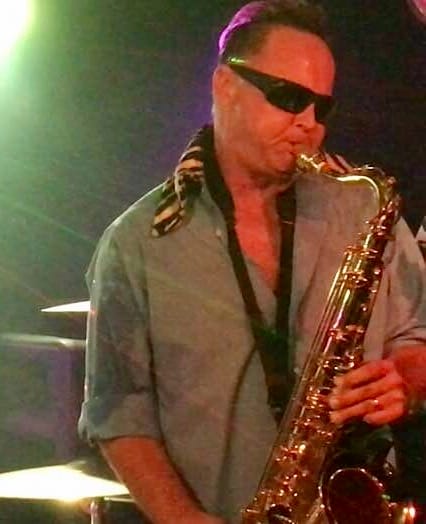
From there, each musician added a separate piece of the arrangement. UK vocalist Andrasta rewrote the lyrics and shifted the direction of the song, Tnbt recorded drums from Japan, Nereo added bass from Argentina, and Dirty D completed the core lineup with saxophone from the United States.
That process speaks to how much music production has changed through browser-based studios, file sharing, and version control. The same online infrastructure that now feeds DJ culture and international electronic music scenes can also support a band whose members may never occupy the same studio.
Our chat below gets deep into the practical side of making that possible, including how the group organized revisions, maintained consistent recording quality, and managed sessions across distant time zones. Intercontinen7al also explains why contributors were generally given room to reinterpret each demo, and how four years of remote recording taught the band to match specific musicians with the songs that suit them best.
Interview With Intercontinen7al
“Some Thousand Feet High” brings together musicians from the UK, Japan, Argentina, the United States, and Egypt. Where did the first idea for the track begin?
The initial idea for the track came from a piano and synth part that Egyptian multi-instrumentalist Jukerok wrote. He uploaded the draft concept into our band’s project folder, which contained different lyrics with the same song title.
Shortly afterward, several other bandmates started adding their contributions. Andrasta from the UK wrote new lyrics that suggested an alternate direction for the song, and we all quickly seized on the idea. Tnbt from Japan added his signature drum style, Argentinian musician Nereo came through with a hard-grooving bassline, and Dirty D laid down a soulful sax line that tied the entire piece together.
The project began through BandLab during the COVID-19 lockdowns. What did that platform allow you to do that would have been difficult through a standard studio setup?
BandLab was a total game-changer for this group. We used it heavily as a communication and networking platform, utilizing its hashtag and search capabilities to find like-minded musicians. For example, we could post #needsvocals for a particular song concept.
In addition, the version control for the projects is phenomenal. Each artist can create their own revisions to a song, and as a result, there are never any lost or overwritten editions.
Due to the fact that we recorded on all seven continents, creating compositions with contributions from all these people would have been physically impossible without a tool like BandLab. It is unbelievable that an application like this exists for musicians across the globe and is also free to use.
How much freedom did contributors have to reinterpret the demos you sent them?
For the vast majority of our demos, the musicians had a lot of freedom to make suggestions about what they would like to add.
Sometimes the producer or main composer of the track might make a note about something they wanted to try, such as requesting a bluesy, distorted solo for an eight-bar portion of a song, complete with timestamps.
Usually, it seemed to work best to give the musicians free rein, then slice and edit the best sections for the final mix.
Remote recording can produce major differences in room sound, equipment, and recording quality. How did you make those files feel consistent within one mix?
We heavily relied on plugins and effects applied within BandLab’s studio. We generally asked the musicians to upload dry, raw, or unprocessed recordings of their takes.
From there, we could try to simulate a shared studio environment by applying similar effects across the tracks, such as using the same large studio reverb on the vocals and instruments.
Processing tools such as denoising were also essential for eliminating background hiss or hum, making the separate tracks sound much closer in overall recording quality. Marcin Nawrocki from Poland was an outstanding resource when it came to finding the right balance while mixing all the tracks together.
The album took over four years to complete. Which part of that process required the most patience?
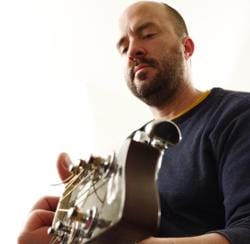
It was most certainly waiting to receive recordings from our musicians in Antarctica.
For example, the song “Butterflies” took over a year to complete because we had to allow time for Aymar to send his guitar part while he was available at his research station. Due to his busy work schedule, we had to be very diligent with the time windows we were given for the song.
There were then many back-and-forth exchanges on WhatsApp to determine timestamps and decide which musicians could be added to the mix later. Constructing original songs that feature this many artists across so many time zones is the ultimate exercise in patience.
After completing a project on this scale, what have you changed about the way you organize remote sessions and communicate with collaborators?
I think it all comes down to the type of song you are working on. After recording this many albums together, you begin to learn each other’s strengths within the group.
For example, a gentle acoustic folk song may be better suited to one vocalist, whereas other singers are better equipped for an uptempo pop or R&B number. Finding the right combination of musicians for a given track can make or break the composition.

Magnetic byline note: This byline is used for staff produced updates and short announcements, often based on press materials and official release information. Editorial responsibility: David Ireland (Editor in Chief) and Will Vance (Managing Editor). About: https://magneticmag.com/about/ Masthead: https://magneticmag.com/masthead/ Contact: https://magneticmag.com/contact/