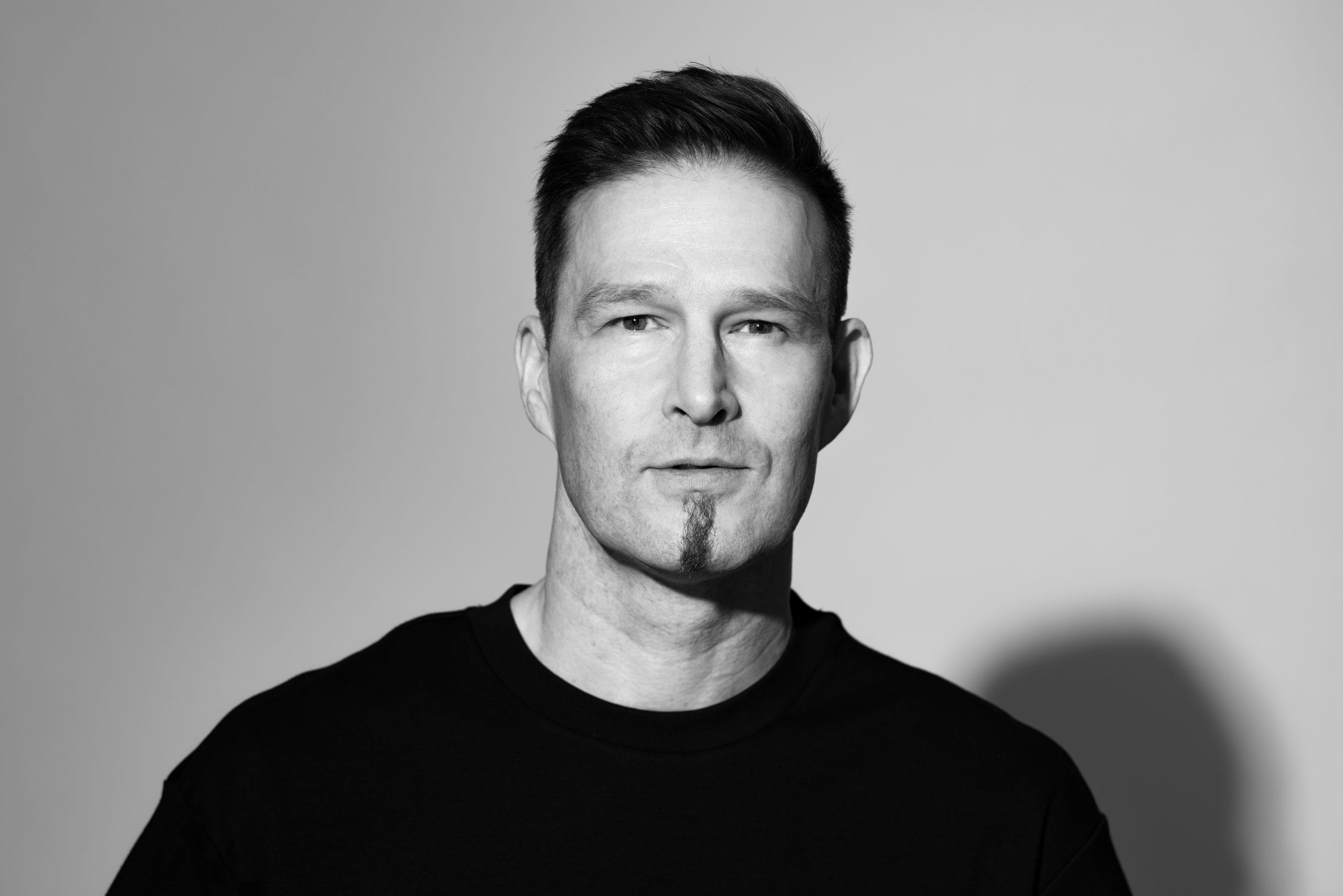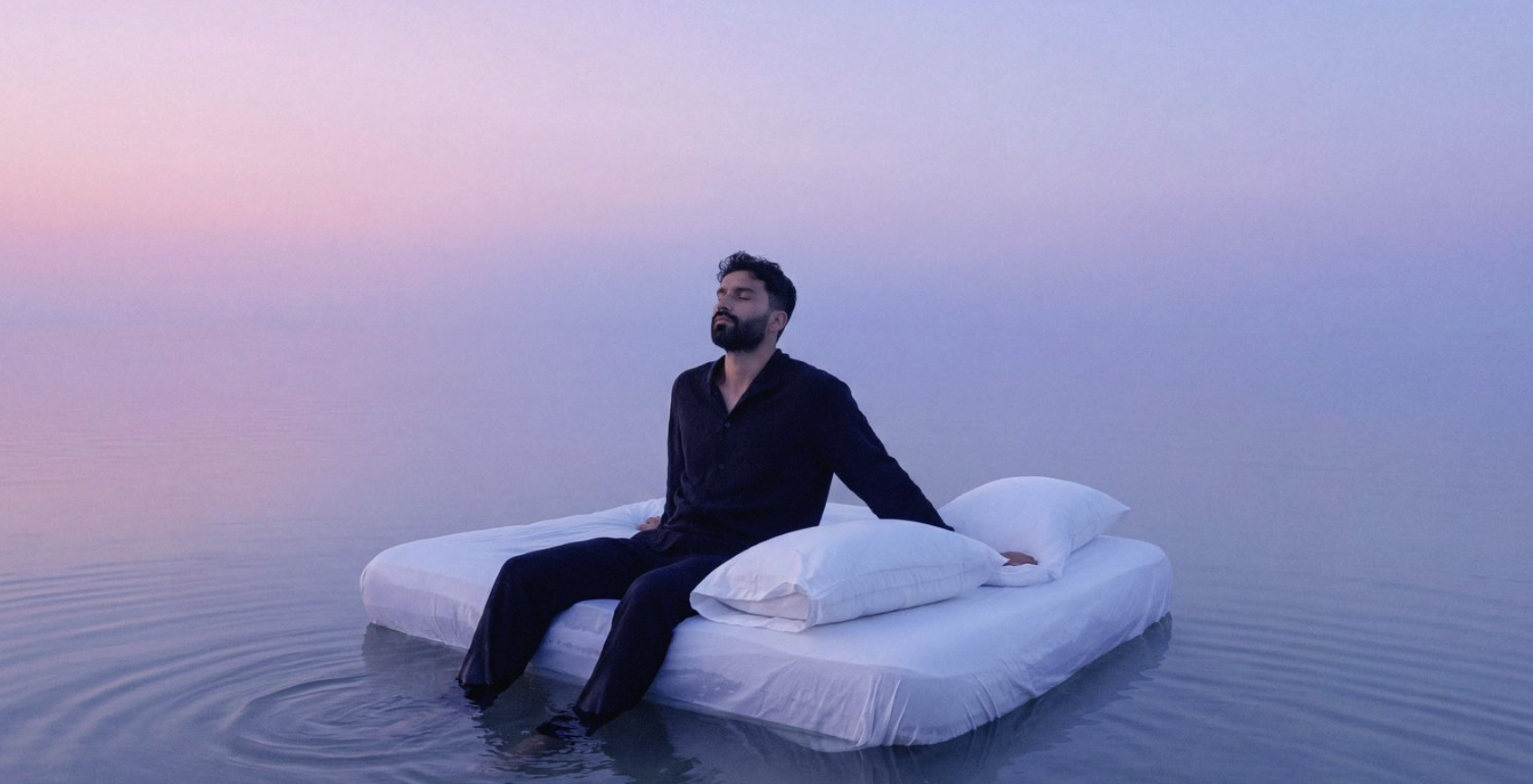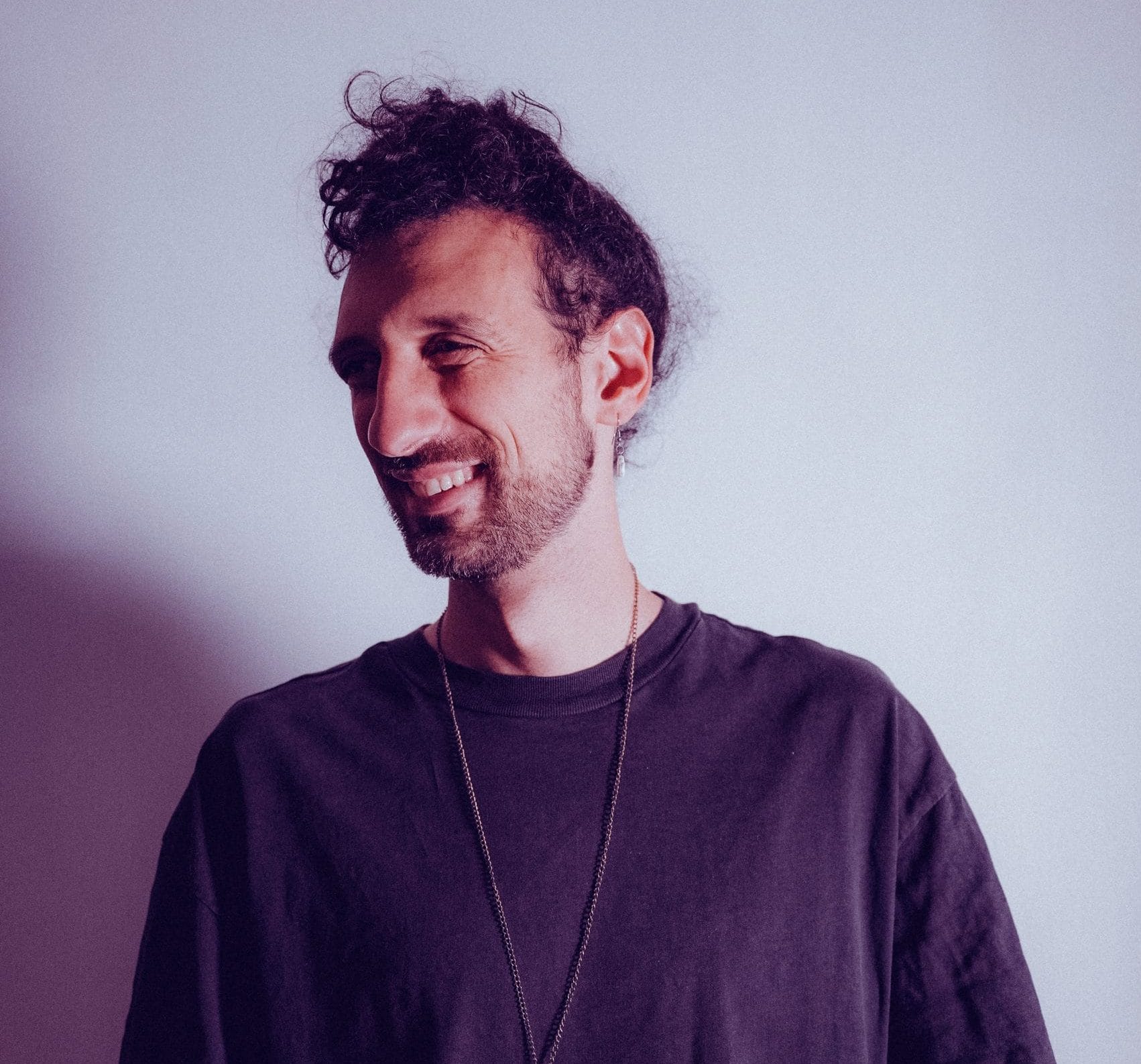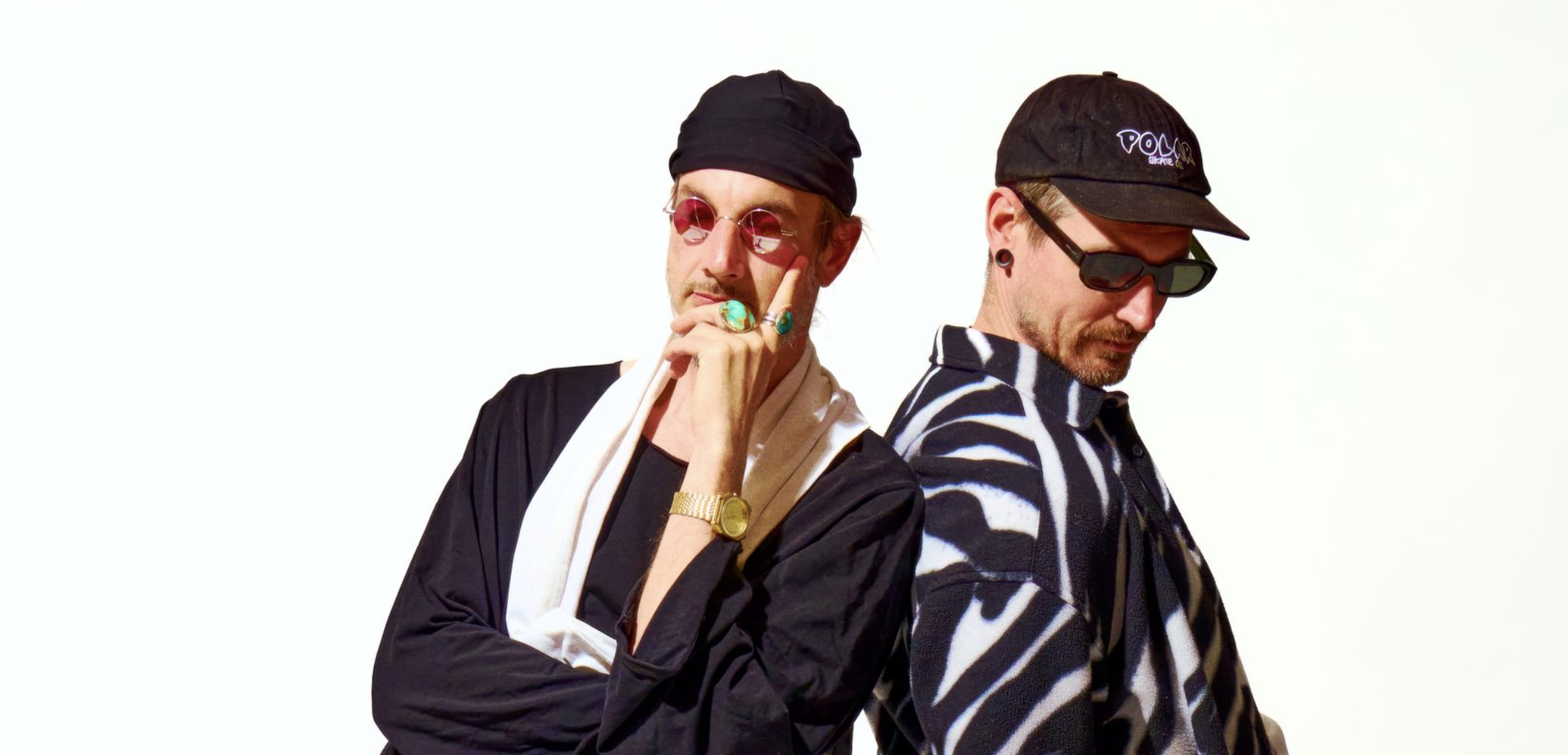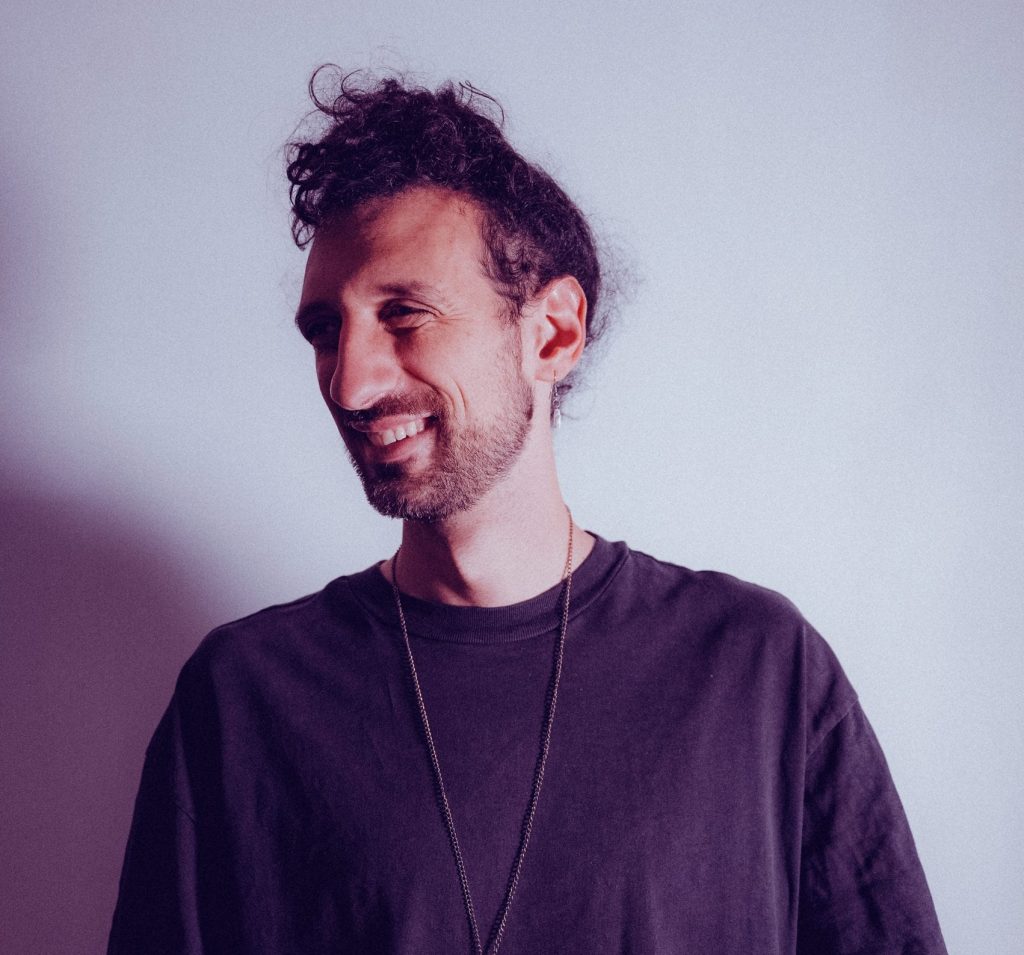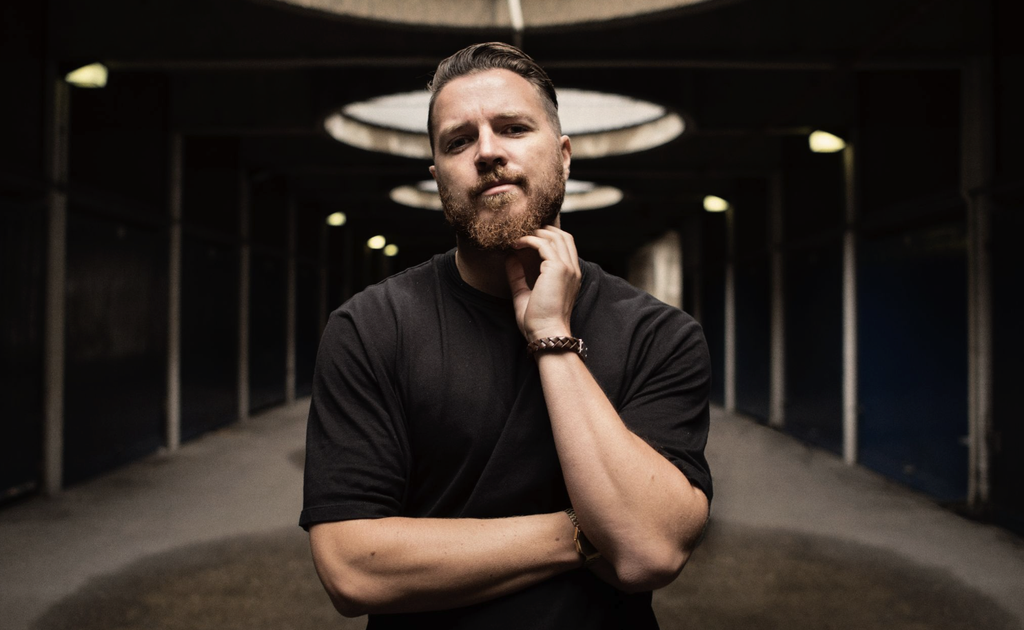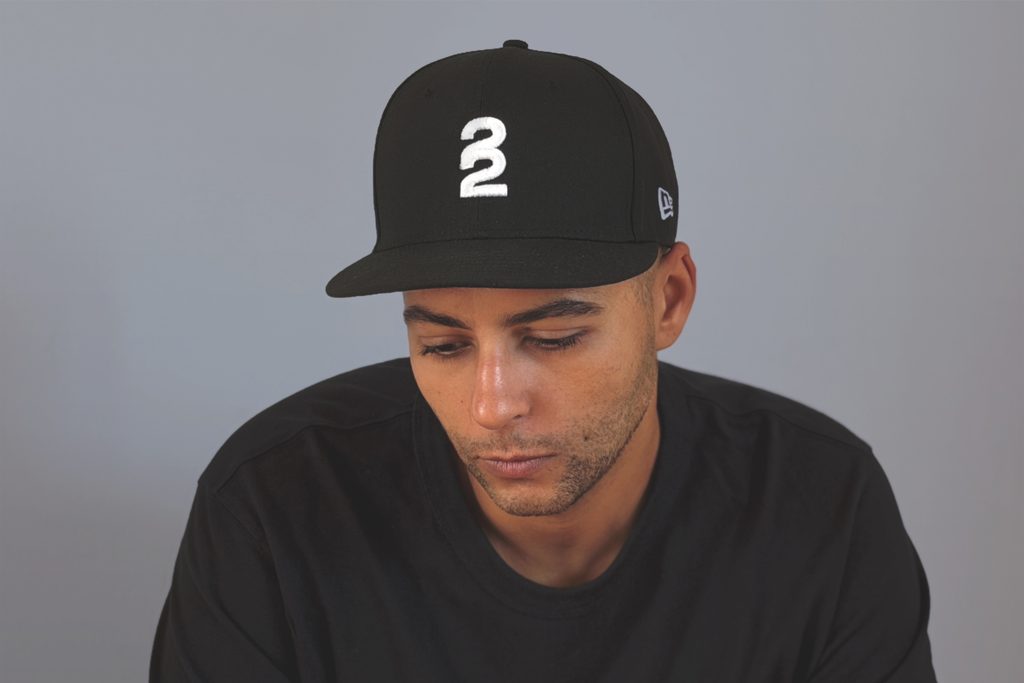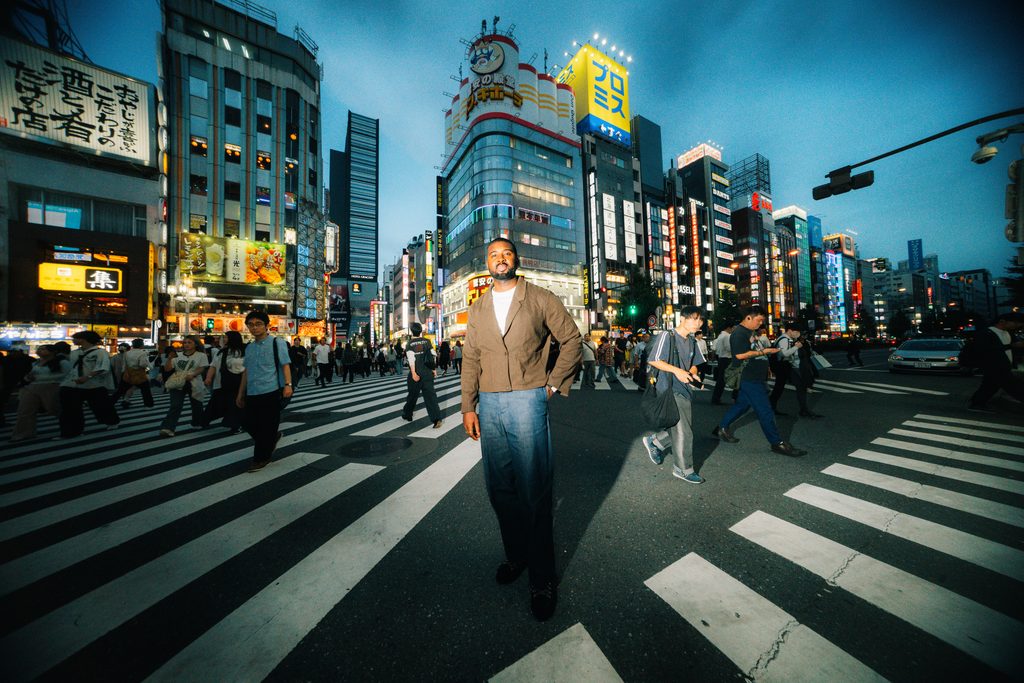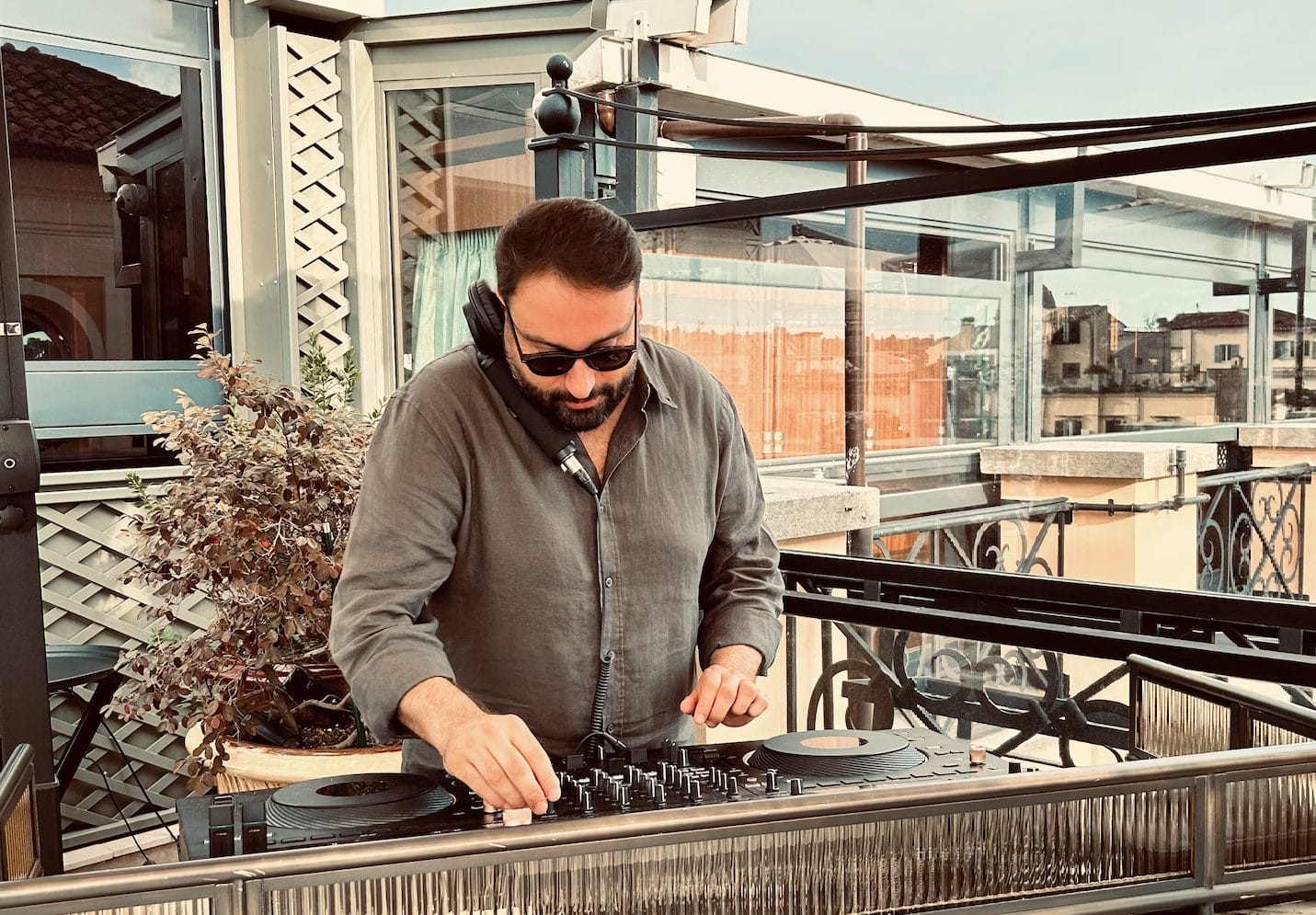
Rebirth Records is marking 20 years with Rebirth 20 Part Two, out August 7, and this second chapter looks past the most obvious anniversary names to focus on the label’s deeper relationships, hidden catalog pieces, and long-running creative community. The release features contributions from Corrado Bucci, Chromatic Filters, Blue Mondays, Matteo Gamba, Federico Baracco, Afriqua, Red Axes, Soul of Hex, Darren Emerson, Valentino Kanzyani, and Claudio Huston under his Memo Framed alias, whose track “Mother” appears on the digital edition.
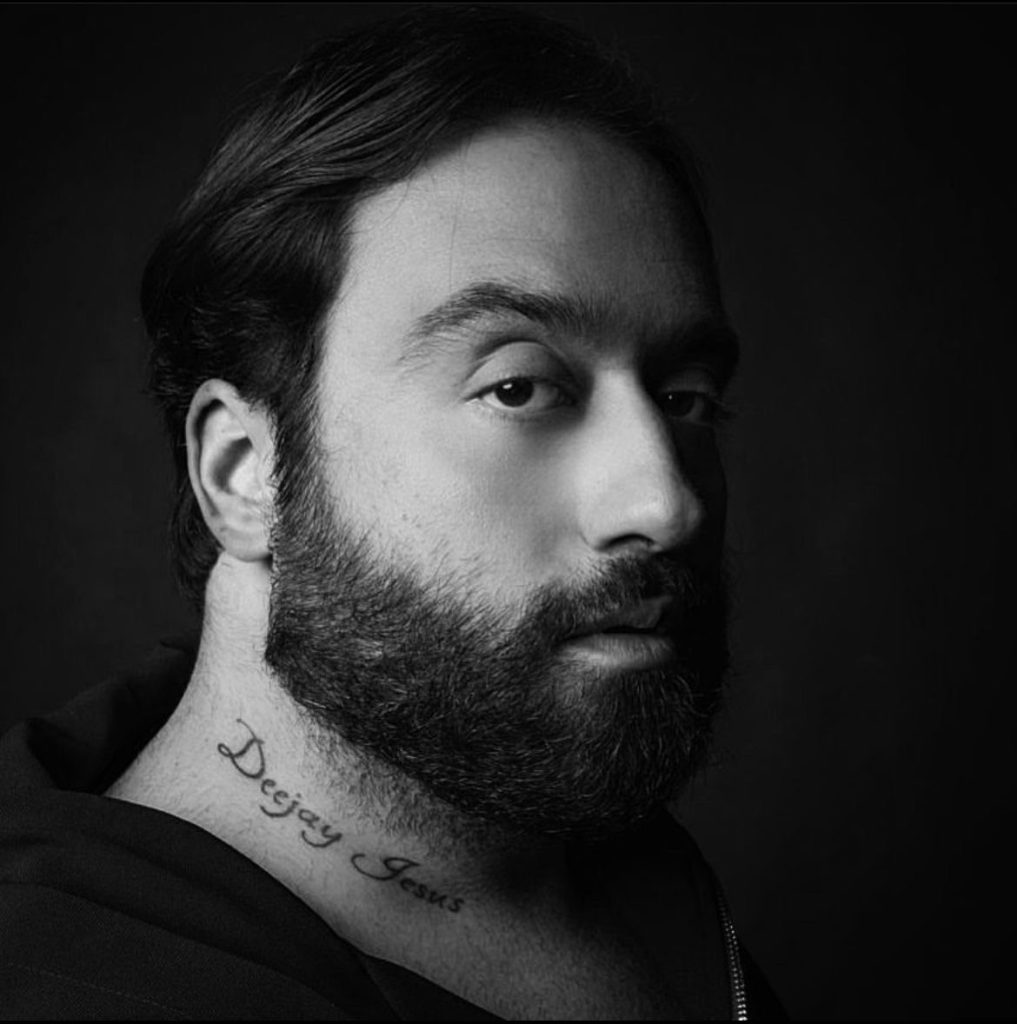
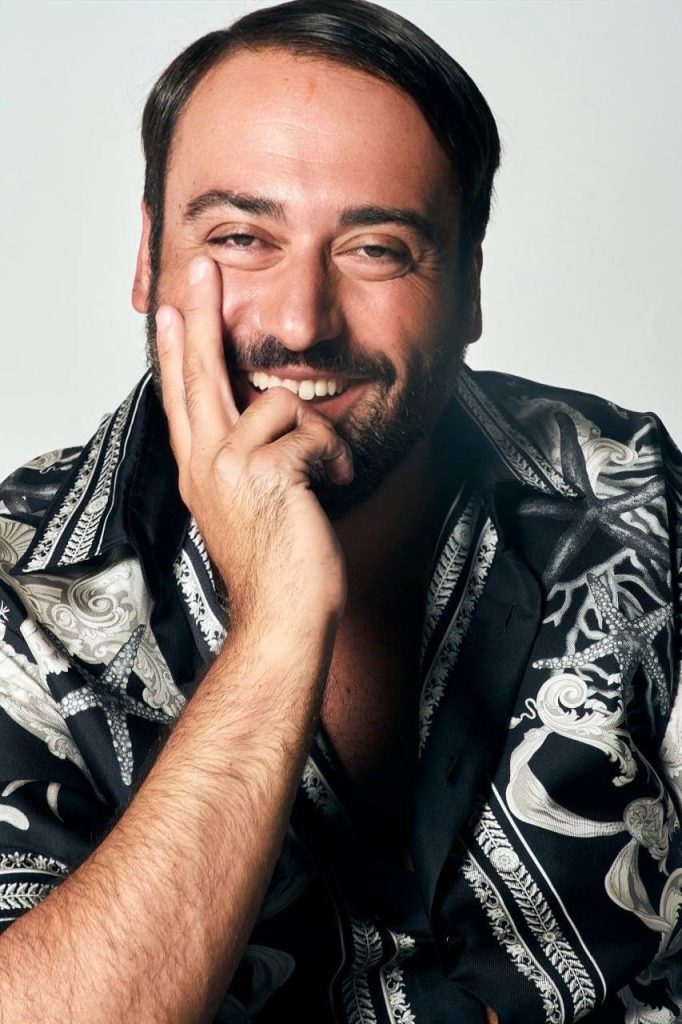
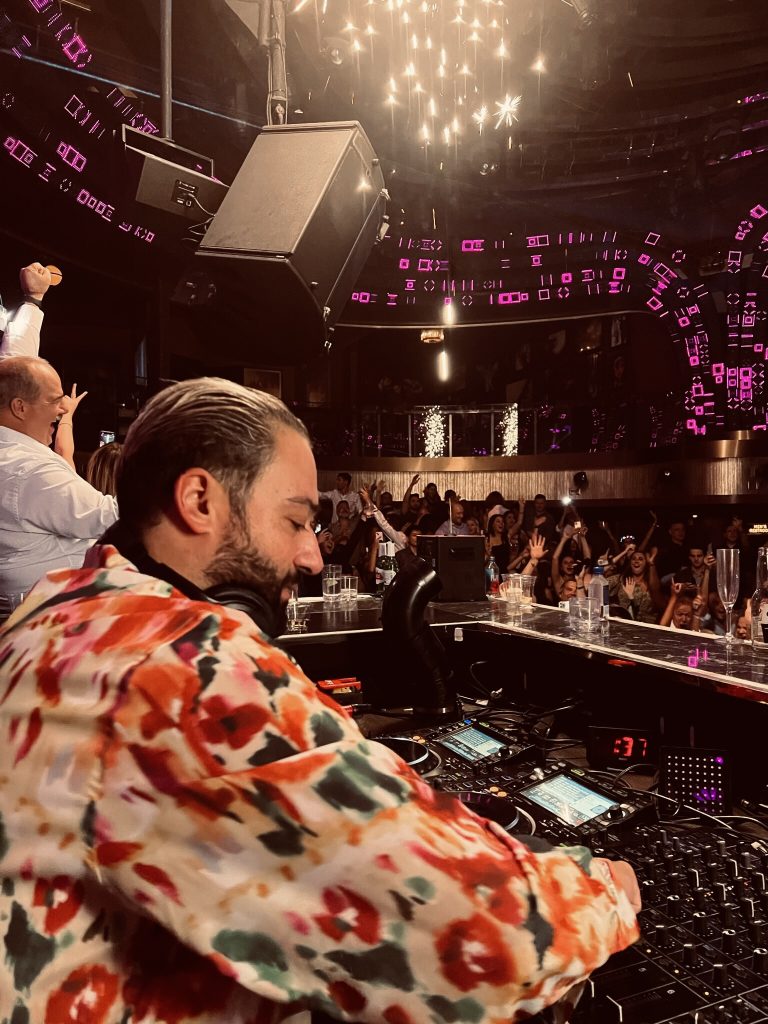
Claudio De Tullio, also known as Claudio Huston (@claudio_de_tullio) AKA Memo Framed, has spent more than 20 years building a career around house, disco, and elegant electronic music.
His work has moved between club culture and luxury hospitality, with performances tied to Nikki Beach Worldwide, Bvlgari Hotel Rome, Four Seasons Hotels & Resorts, Borgo Egnazia, Soho House, W Hotels, and high-profile events connected to names like Madonna, Annie Lennox, and Andrea Bocelli. In 2026, he became resident DJ at NOX Club Capri, adding another chapter to a career built around musical selection, atmosphere, and the kind of room-reading that only comes from years of doing the work.
In the interview below, Claudio talks about discipline, identity, slowing down, mental balance, and what sustainable success actually looks like inside DJ culture. His answers fit Rebirth 20 Part Two because they are not chasing the obvious anniversary angle. They get at the smaller, more personal habits that keep artists connected to the music after the first rush of ambition wears off.
Interview With Claudio Huston
How have changes in your life outside the booth influenced the way you approach a set?
Everything related to my work is never a change for me. It’s always an opportunity to grow and become a better version of myself, both professionally and personally. It also helps me build stronger, more genuine connections with people.
That’s why I approach my work with real passion, blending it naturally with my personal life rather than seeing the two as separate.
As you’ve grown, what habits have you refined or replaced in your creative process?
Discipline is what truly sets a great artist apart. Taking care of both your body and your mind is essential, especially for those of us who live and work at night as DJs. When you’re in balance, you can discover new music with a clear and relaxed mindset, and most importantly, create music with positive energy and genuine inspiration.
When you evolve as an artist, how do you stay aligned with your core identity?
The secret is to never lose sight of your passion for music or the connection with the people you’re trying to reach through it. My personal approach is to avoid listening to other DJs. Instead, I focus on individual tracks, whether they’re brand-new digital releases, rare files, or timeless records on vinyl.
That helps me stay inspired while preserving my own identity and musical vision.
In what ways has your understanding of yourself as an artist shifted over time?
Only God knows. I don’t claim to have all the answers. What I do feels like a mission: to make people feel good and, maybe, to create the moment where two strangers meet and a love story begins on the dance floor. That’s the kind of magic music can create, and I’m grateful to be part of it.
How do you structure your life now to sustain your work in music?
I spend my mornings listening to music until just before lunch.
Then I take a break to reset before diving back into discovering new tracks. Later in the day, I usually catch up with my closest friends for a chat, which helps me stay grounded. After that, I head to the club, ready to share all that inspiration with the people on the dance floor.
How do you keep a long-term perspective in mind when making creative or career decisions?
I do it because I genuinely love what I do. Passion has always been my guide when making creative and career decisions. I also believe it’s important to know when to say no, especially when an opportunity doesn’t align with your artistic vision or the values you stand for.
Protecting your identity as an artist is far more valuable than saying yes to everything.
Have there been moments where choosing a slower pace strengthened your trajectory?
Absolutely. Taking breaks is essential if you want to come back stronger, more focused, and more confident than before. Stepping away for a while helps you avoid making the wrong decisions and gives you the clarity to choose the right path for the future.
I truly believe that unplugging from time to time is healthy for every artist, especially when it comes to protecting our mental well-being.
What does sustainable success look like to you within this culture?
To me, success is when you come from nothing, without money, without expensive equipment bought by your parents, and still manage to step out of your shell and earn the love and respect of the people.
That’s what success truly means to me. When you work your way up from the ground, you learn what it really takes to survive and grow in the music industry. Nothing should be handed to you. You have to earn it through hard work, commitment, and consistency. If you’re willing to put in the effort, the results will come.
What habits help you stay grounded beyond short-term validation?
I remind myself that social media numbers don’t define the quality of the music.
Spending time with family, friends, and people outside the industry keeps my perspective healthy. I also continue listening to music simply because I love it, not because I’m looking for the next viral record. For example, I love listening to traditional folk music, such as pizzica. It reminds me of my roots and keeps me connected to the authentic emotions that first made me fall in love with music.
What’s the biggest takeaway from our chat with Claudio?
Claudio’s answers point toward a version of DJ culture that is easy to overlook because it is not loud about itself. He is not describing success as a viral moment, a jump in fee, or a sudden cosign from the right person. He is talking about the slower work of staying healthy enough to listen clearly, staying humble enough to keep learning, and staying connected enough to remember that a DJ set is still an exchange between real people in a room.
That connects with what came up in my interview with YokoO on patience, instinct, and long-term focus, where the deeper lesson was that taste gets sharper when you stop letting urgency make every decision for you.
There is also something quietly revealing in Claudio’s habit of avoiding other DJs and focusing on individual records instead. It is a small detail, but it says a lot. In a culture where the easiest move is to study what is already working for someone else, he is protecting the part of his ear that still reacts personally.
That reminds me of my conversation with Spencer Brown on long-form DJ sets, where the value of the set came from time, trust, and the willingness to let the room become something deeper than a sequence of obvious reactions. Claudio gets to a similar place from a different angle: do the listening, protect the energy, and let the booth become the place where the rest of the life finally turns into music.
That is why his presence on Rebirth 20 Part Two feels right for this anniversary. Rebirth is using the compilation to look at roots, relationships, and catalog memory, while Claudio is talking about the human habits that make a catalog possible in the first place. I felt something similar in my coverage of Giom revisiting his catalog with Giom Classics Part. 2, where older records became less about nostalgia and more about what survives after years of changing rooms, changing audiences, and changing versions of yourself.
The lesson here is simple enough to sound obvious until you try living it: a music career is sustained less by chasing newness than by staying close to the feeling that made the music matter to you before anyone else was watching.

Will Vance is a professional music producer who has been involved in the industry for the better part of a decade and has been the managing editor at Magnetic Magazine since mid-2022. In that time period, he has published thousands of articles on music production, industry think pieces and educational articles about the music industry. Over the last decade as a professional music producer, Will Vance has also ran multiple successful and highly respected record labels in the industry, including Where The Heart Is Records as well as having launched a new label with a focus on community through Magnetic Magazine. When not running these labels or producing his own music, Vance is likely writing for other top industry sites like Waves or the Hyperbits Masterclass or working on his upcoming book on mindfulness in music production. On the rare chance he's not thinking about music production, he's probably running a game of Dungeons and Dragons with his friends which he has been the dungeon master for for many years.