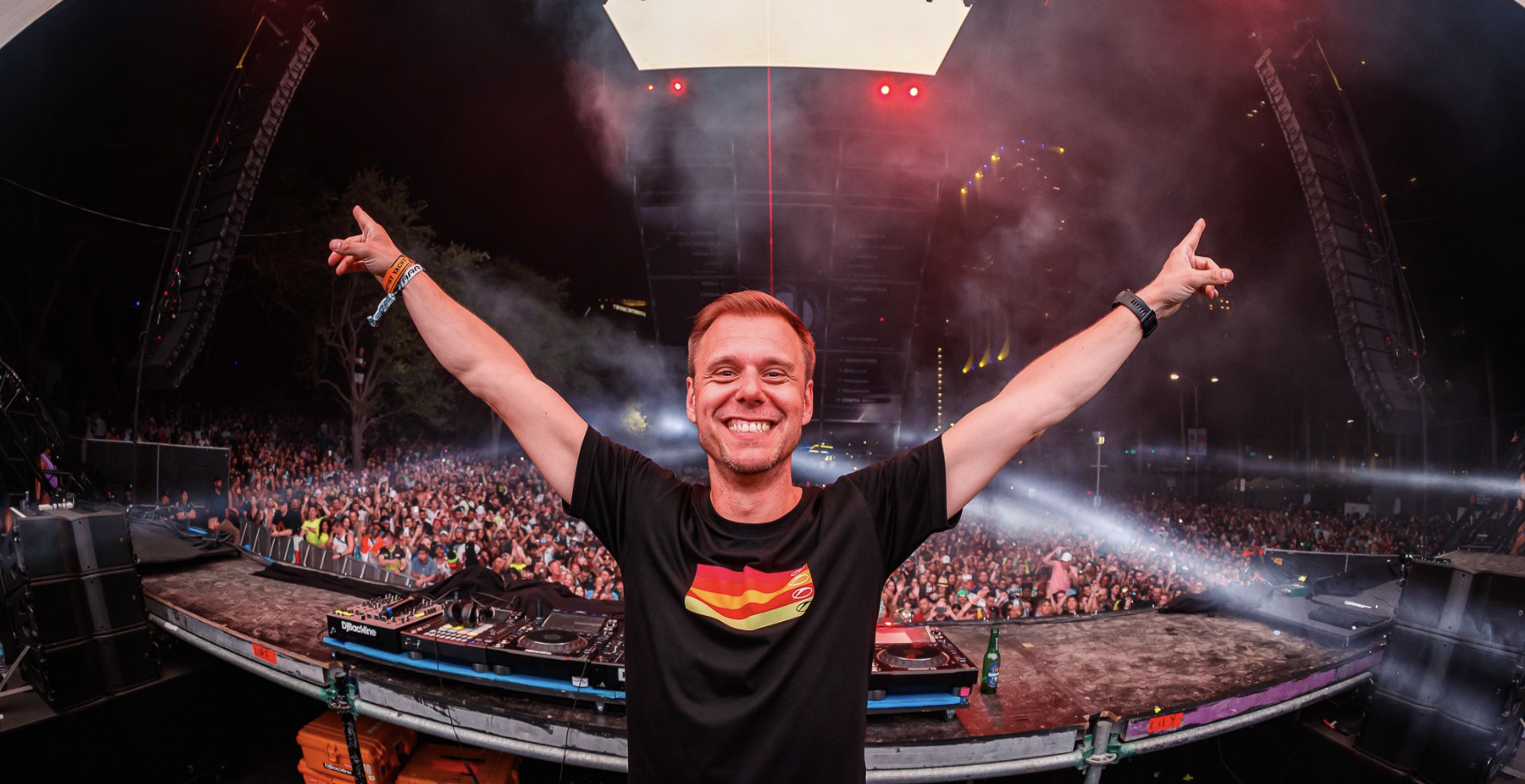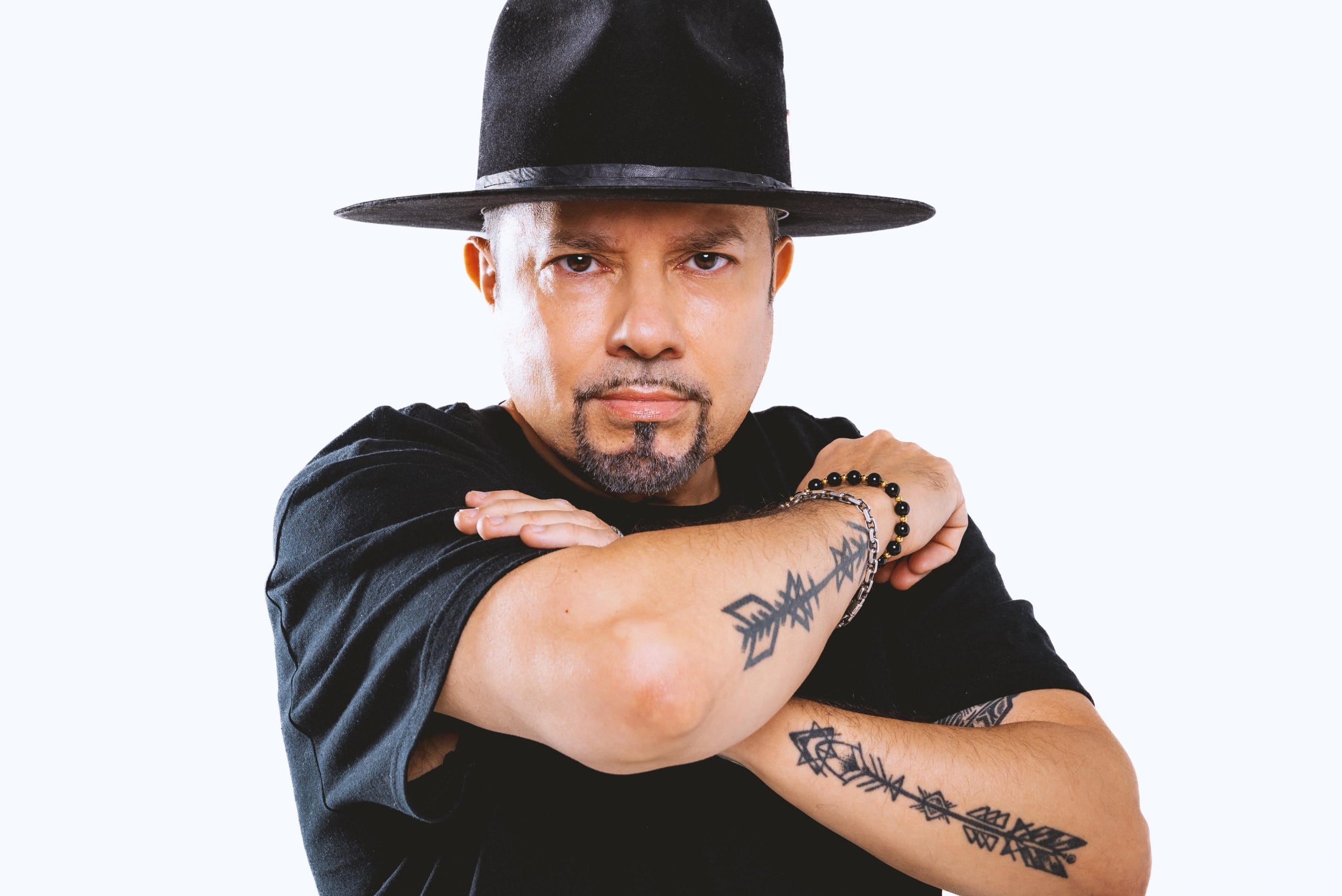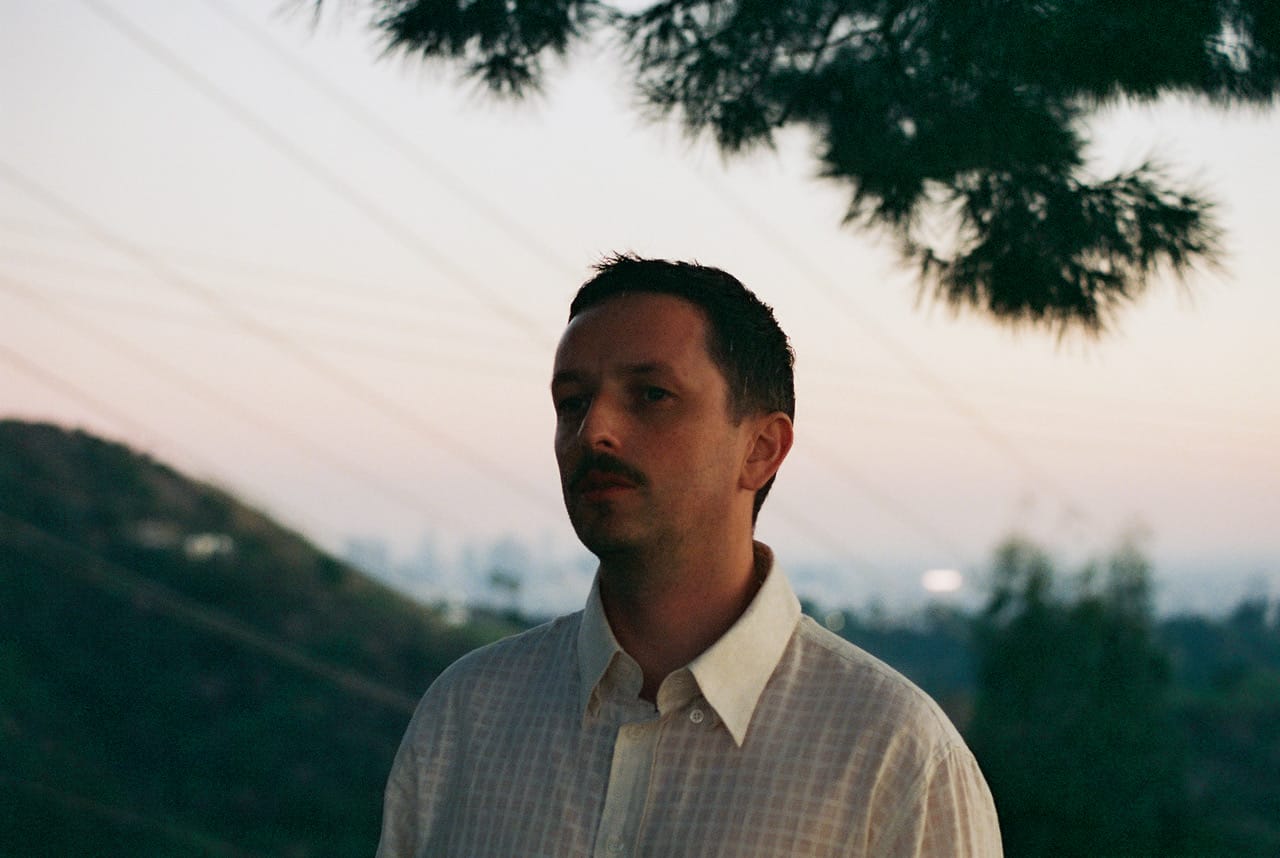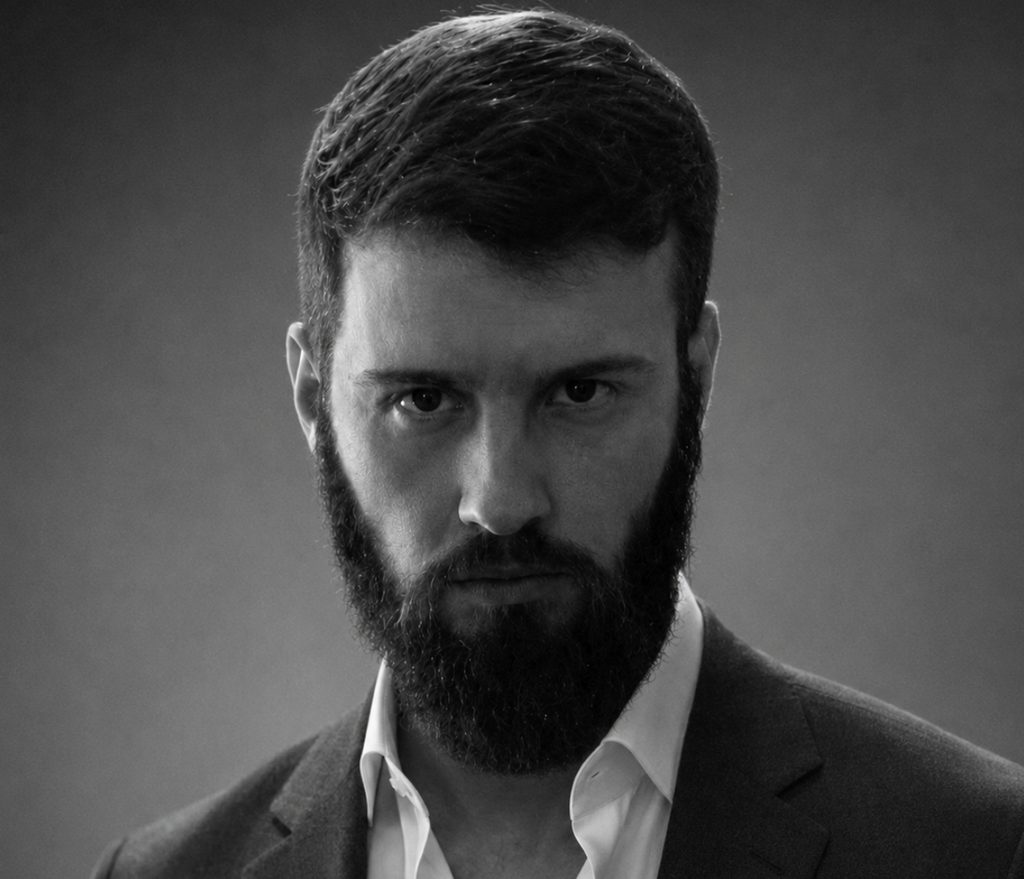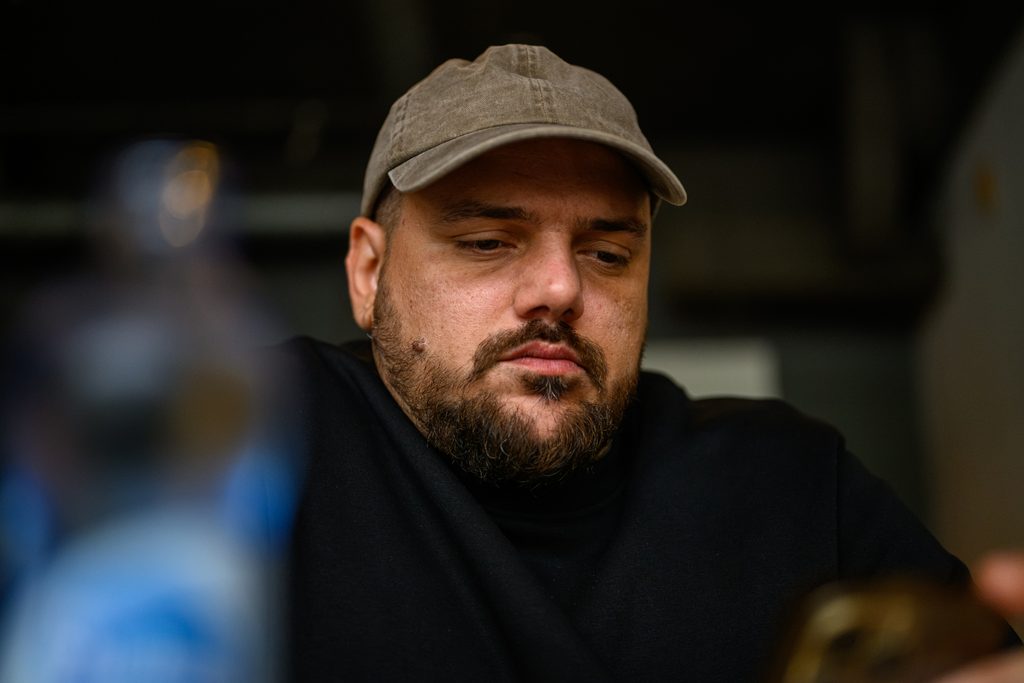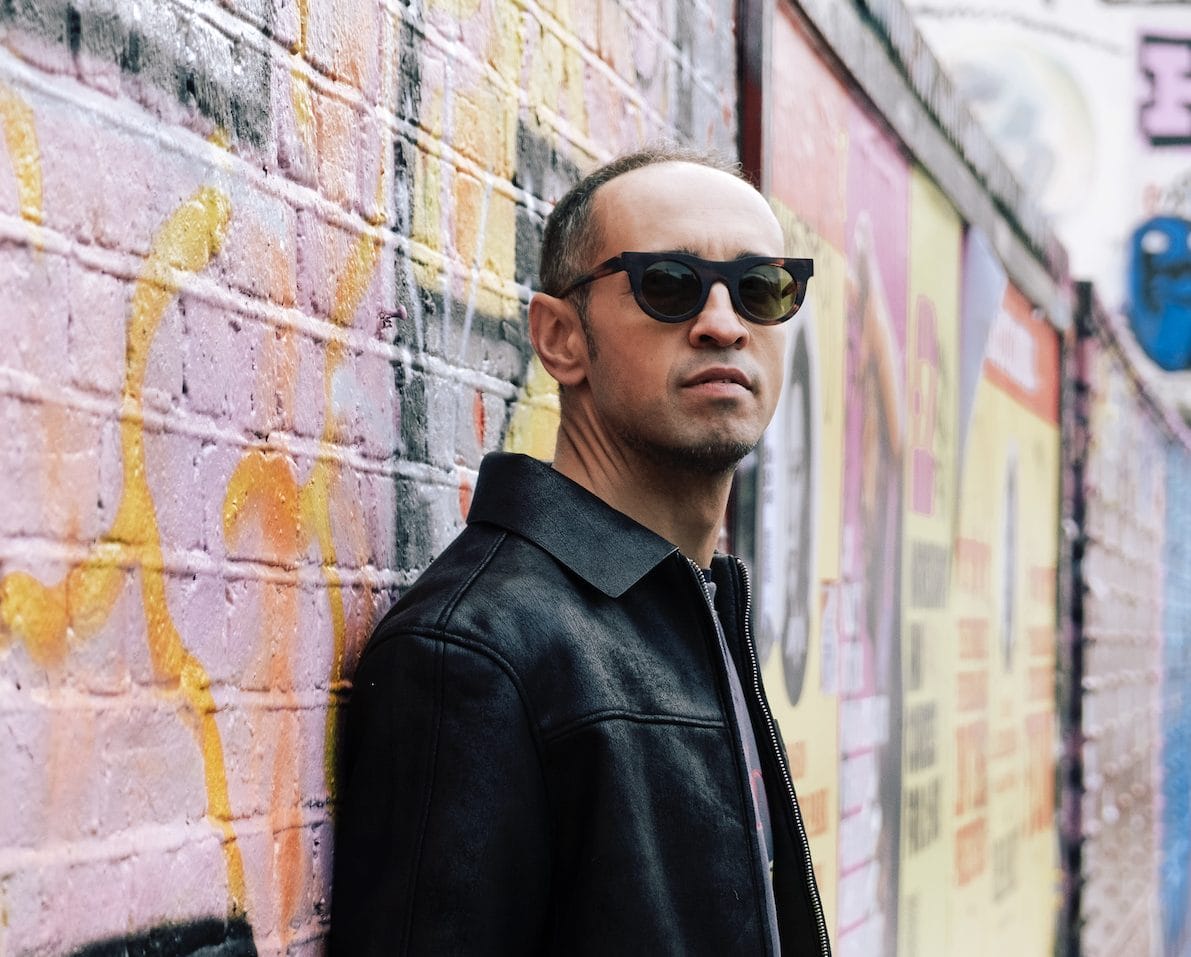
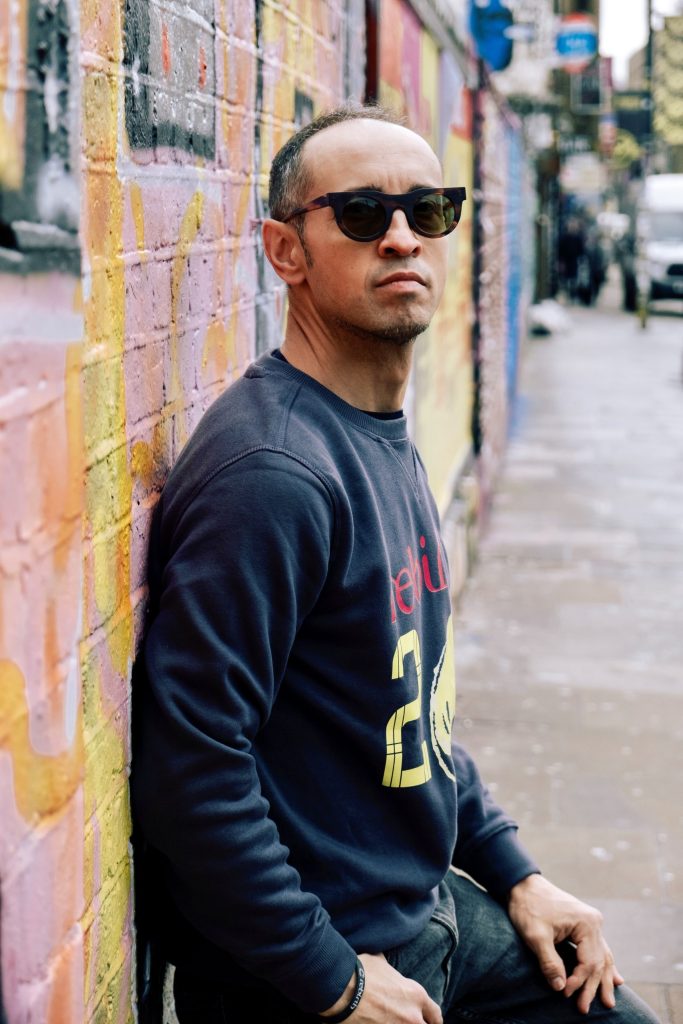
photos by Cosmo Rush (cosmorush_)
Rebirth Records is marking 20 years with Rebirth 20 Part Two, out now as of August 7, and this second chapter looks deeper into the label’s roots, community, and creative DNA. The release brings together long-standing Rebirth artists, hidden catalog moments, and contemporary reinterpretations from names including Corrado Bucci, Chromatic Filters, Blue Mondays, Federico Baracco, Afriqua, Red Axes, Soul of Hex, Darren Emerson, Valentino Kanzyani, Ramonpang, and more.
It also frames the anniversary from the inside, which makes this conversation with Rebirth founder Daniele “Shield” Contrini especially relevant.
Shield (@danieleshieldcontrini) founded Rebirth in 2006 after earlier work with Bacci Productions, Oxyd Records, and his own production work as part of NUfrequency alongside Cristiano Massera. Across two decades, the label has become a home for house, deep, disco, indie dance, and electronic experimentation, with Rebirth 20 Part Two giving the anniversary a different kind of focus than the first chapter. Where Part One celebrated the label’s broader resonance, this second release turns toward the relationships, rediscoveries, and long-term instincts that have kept the catalog alive.
In the interview below, Shield talks about long-term decision-making, resisting short-form pressure, trusting records that still have something to say years later, and why sustainable success is less about numbers than staying curious after 20 years.
His answers feel like the philosophy behind the label itself: do not chase every temporary reaction, do not let metrics make the creative decisions, and build something you can still stand behind when the moment has passed.
Interview With Shield
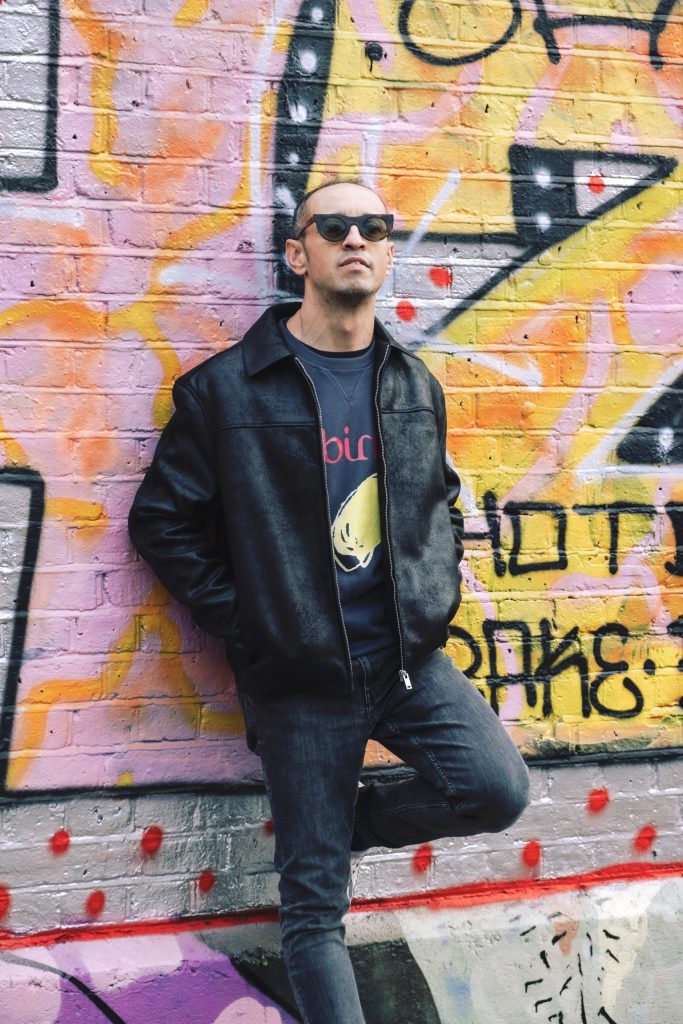
How do you keep a long-term perspective in mind when making creative or career decisions?
I’ve never been interested in chasing what’s popular at a particular moment.
Trends come and go, but a record should still have something to say years later. Every decision I make, whether it’s signing music or planning a project, starts with one question: will I still be proud of this in ten or twenty years? Rebirth reaching its twentieth anniversary, and the release of Rebirth 20, reminded me that building something meaningful takes time.
Looking back, I’m glad I never sacrificed long-term vision for short-term attention.
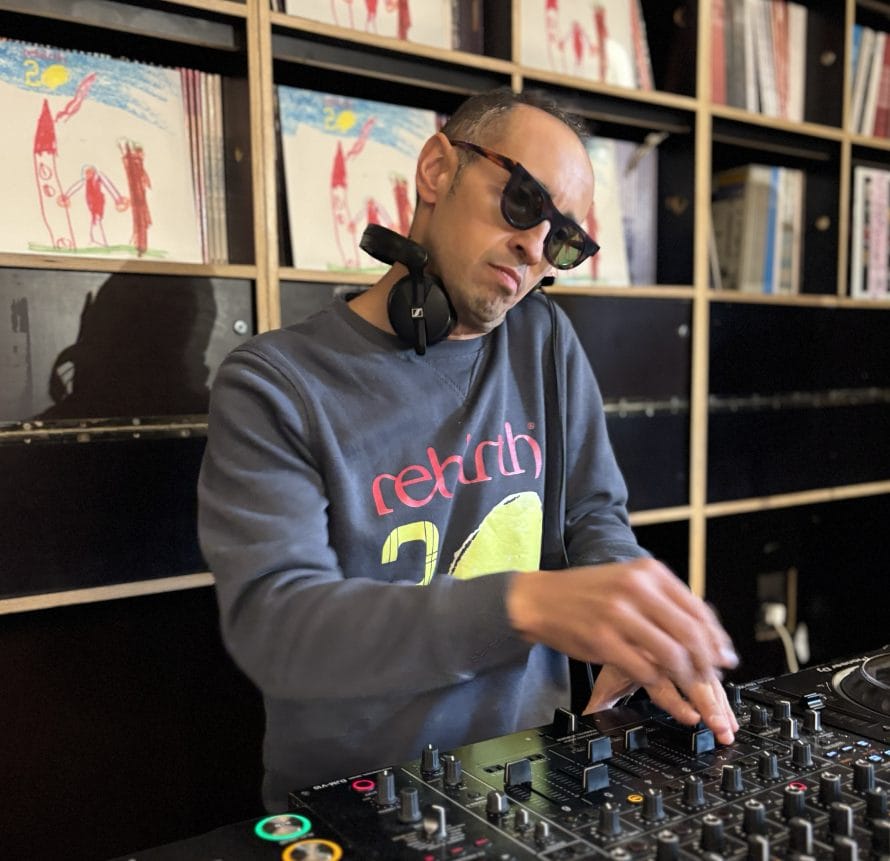
What does sustainable success look like to you within this culture?
For me, success is about still feeling inspired after twenty years, still discovering new artists, and still having people who genuinely believe in what you’re doing. If you can continue creating without losing your curiosity or your integrity, that’s real success. Everything else is temporary. Working on Rebirth 20 was a special moment because it brought together artists and relationships built over two decades.
To me, that’s what sustainable success looks like: creating something that still has meaning twenty years later.
How do you remain centered on your own direction in a metrics-driven environment?
It’s impossible not to notice numbers today, but I’ve learned not to let them make creative decisions for me. Some of the records I’m most proud of were never the biggest sellers or the most streamed. I still trust my instincts more than algorithms.
I still listen with my ears, and decide with my heart. If you only create for immediate validation, you risk losing your own voice.
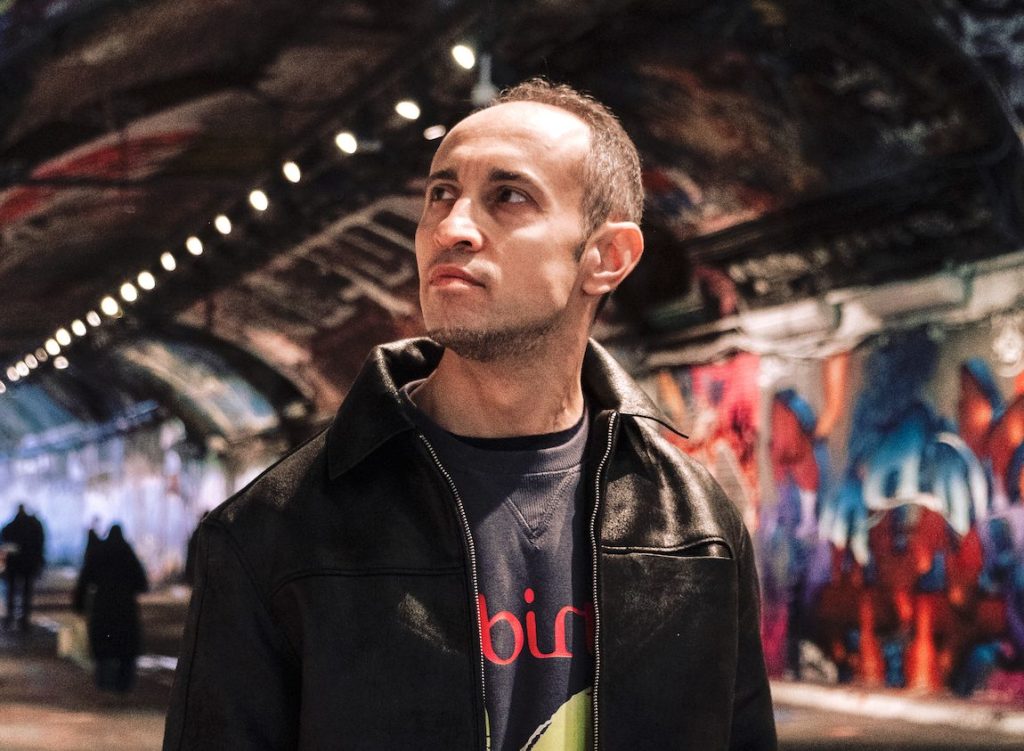
Has the rise of short-form content influenced how you shape or release your work?
This is a point that has sparked a debate, and a prominent Italian journalist, Riccardo Sada, has written that music videos no longer exist, or at least they don’t have the same resonance they once did. Everything has become a “fragment,” and even music itself risks being perceived exclusively as 15 seconds of consumable content on TikTok or Instagram, rather than as a work to be listened to from start to finish.
I understand that short-form content is an important way to communicate today, and I use it to introduce projects or tell stories around the music. But I never let it dictate how the music itself is made. A track should exist on its own terms, not because it fits into a fifteen-second clip. Even with a project like Rebirth 20, I see social media as a way to tell the story around the music, not to define the music itself.
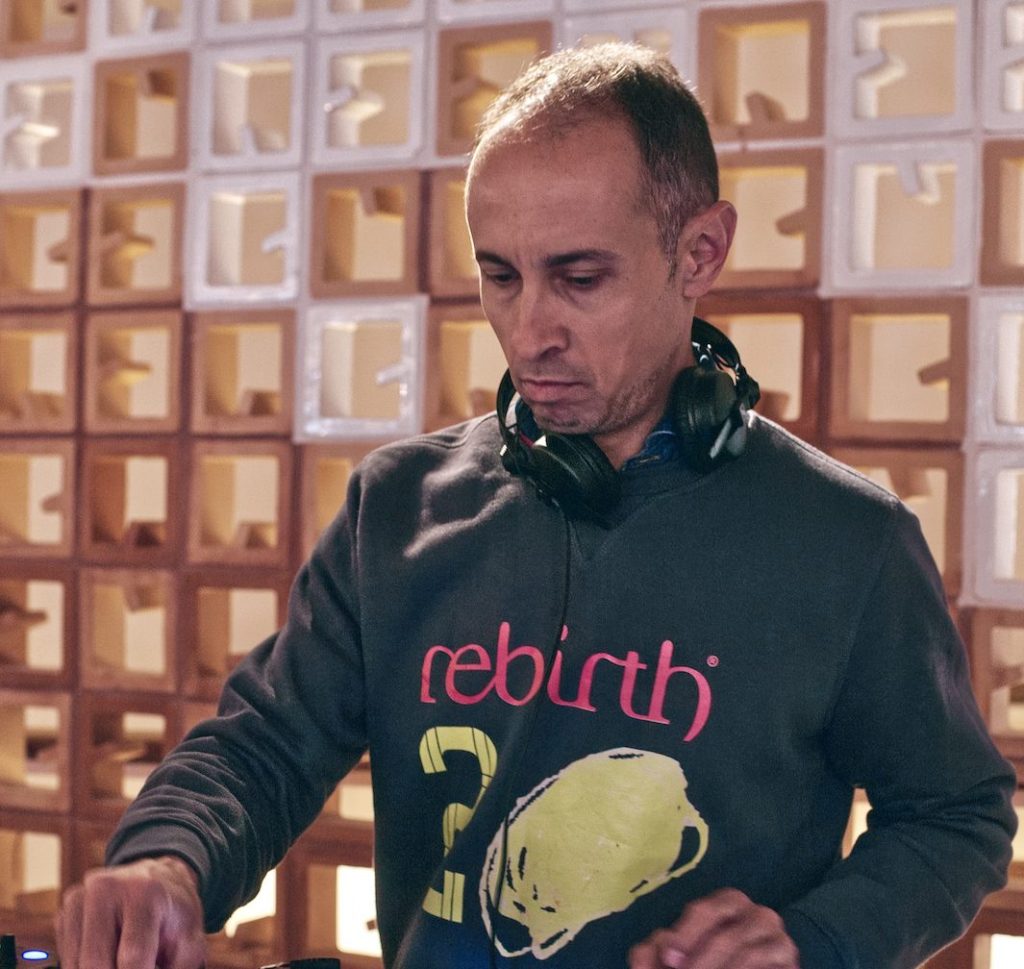
What insight would you share with artists who want to build something lasting?
Be patient and build your own identity instead of trying to imitate someone else’s success.
Focus on creating work that reflects who you are, rather than what the market expects. If after a few years you’re still enthusiastic about what you create, you’ve probably done something right.
Closing Thoughts
Shield’s answers land differently because he is not talking about longevity as a motivational slogan. He has the receipts of a 20-year catalog behind him, and that makes the advice feel less like optimism and more like a working method.
A lot of recent conversations on the site have circled the same idea from the artist side: Stacey Pullen talked about playing the long game in my interview on longevity, Detroit roots, and techno, YokoO framed SATYA around patience and instinct in my piece on building a label with long-term focus, and Spencer Brown described the value of extended attention in my interview on long-form DJ sets. Shield is making the same argument from the label side: the work only lasts if the people behind it are willing to think beyond the reaction happening right now.
That point feels sharper in a culture where music is increasingly forced to explain itself as content.
Shield is not rejecting short-form media, and that distinction is important, but he is drawing a line between using social platforms to tell the story around the music and letting those platforms decide what the music is allowed to become.
That connects with my interview with EdOne on protecting instinct from platform pressure, where the larger concern was not visibility itself, but what happens when reach becomes the steering wheel for the art. The danger is subtle. A record can start as a full idea and slowly get treated like raw material for a clip. Once that happens, the question changes from “does this still mean something?” to “can this be consumed quickly?” Those are very different creative futures.
That is what makes Rebirth 20 Part Two feel like more than an anniversary release. It is a reminder that catalogs are built by people who can still hear value before the numbers arrive, and who can still care about records that may need time to reveal what they are.
The real lesson in Shield’s answers is that long-term work depends on a kind of creative stubbornness. You have to believe a record can outlive its release week. You have to believe relationships matter more than a short spike of attention. You have to believe that the thing you are building should still make sense years from now. That is not nostalgia. That is how independent music survives without turning itself into whatever the feed wants next.

Will Vance is a professional music producer who has been involved in the industry for the better part of a decade and has been the managing editor at Magnetic Magazine since mid-2022. In that time period, he has published thousands of articles on music production, industry think pieces and educational articles about the music industry. Over the last decade as a professional music producer, Will Vance has also ran multiple successful and highly respected record labels in the industry, including Where The Heart Is Records as well as having launched a new label with a focus on community through Magnetic Magazine. When not running these labels or producing his own music, Vance is likely writing for other top industry sites like Waves or the Hyperbits Masterclass or working on his upcoming book on mindfulness in music production. On the rare chance he's not thinking about music production, he's probably running a game of Dungeons and Dragons with his friends which he has been the dungeon master for for many years.