Image Cred: youcancallmeo_
Rebirth Records is marking 20 years with Rebirth 20 Part Two, out August 7, and the second chapter of the anniversary project digs deeper into the label’s roots, community, and creative DNA.
The release brings together long-running Rebirth artists, hidden catalogue moments, and new reinterpretations from names including Red Axes, Darren Emerson, Soul of Hex, Elado, Valentino Kanzyani, and Afriqua, whose remix of Square Mode’s “The Wheel” appears on the digital tracklist. It is a natural place to find him, especially after the kind of genre-fluid club writing I covered in my How It Was Made feature on Afriqua’s “FANTA SEA”.
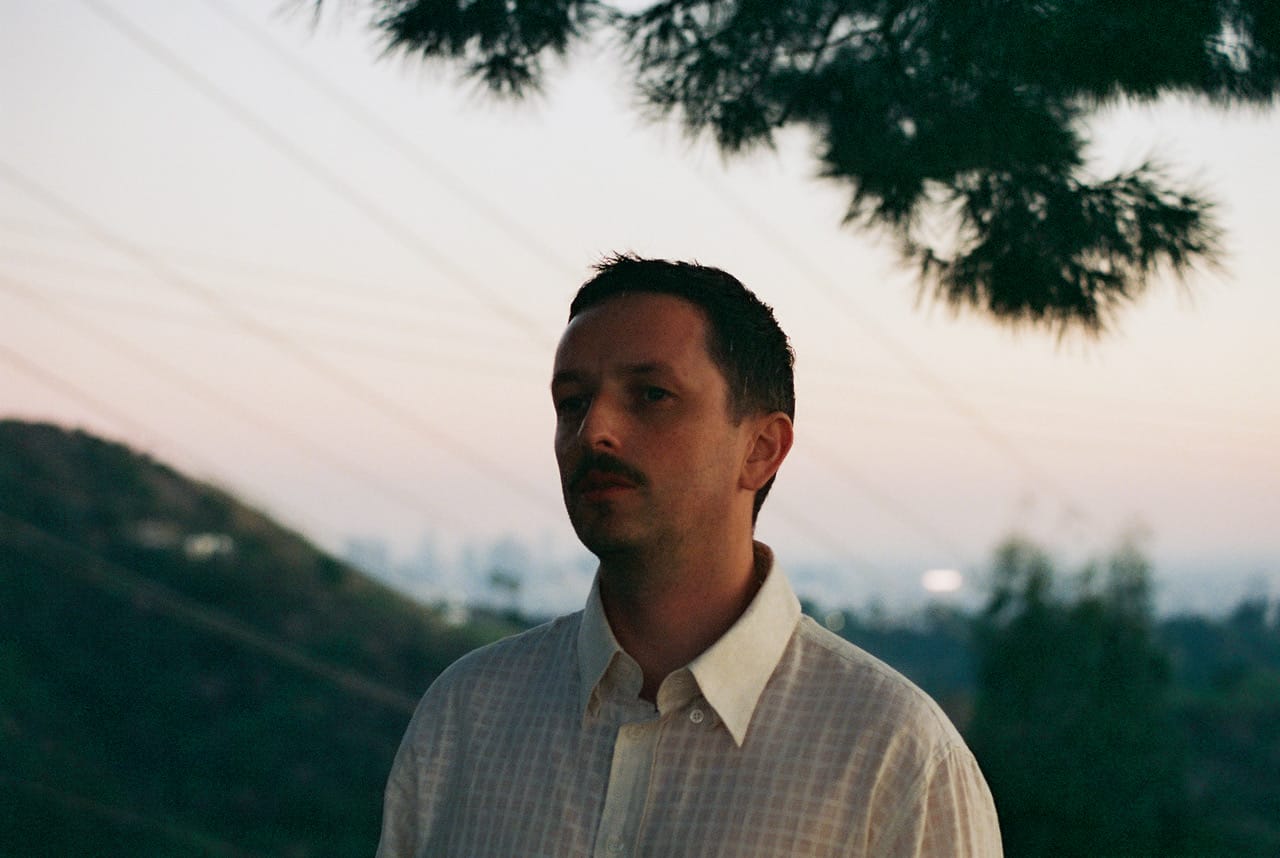
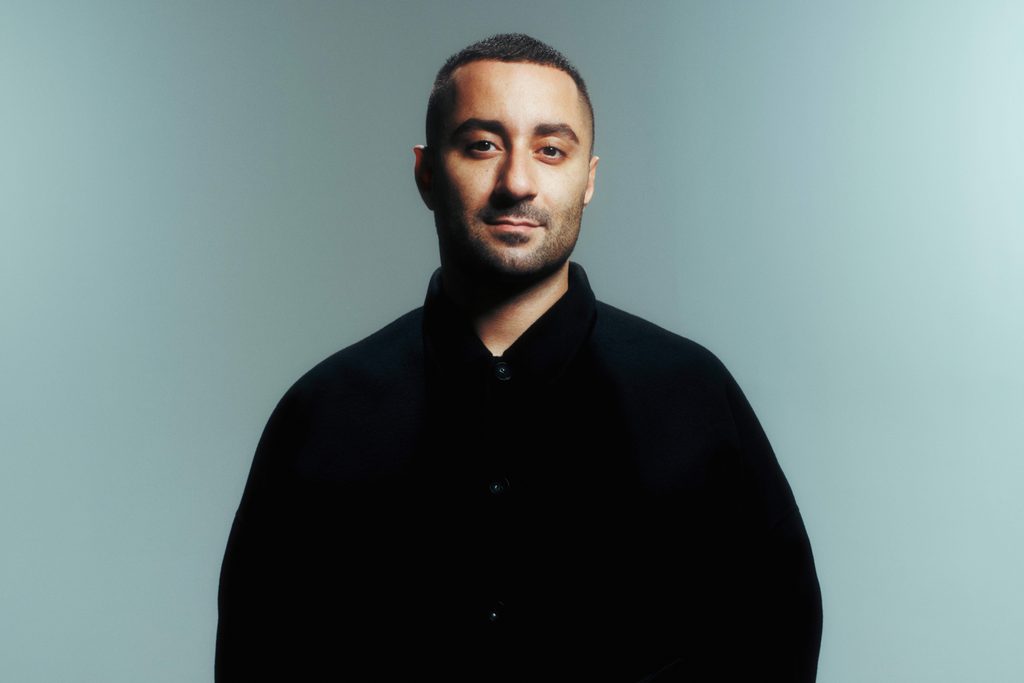
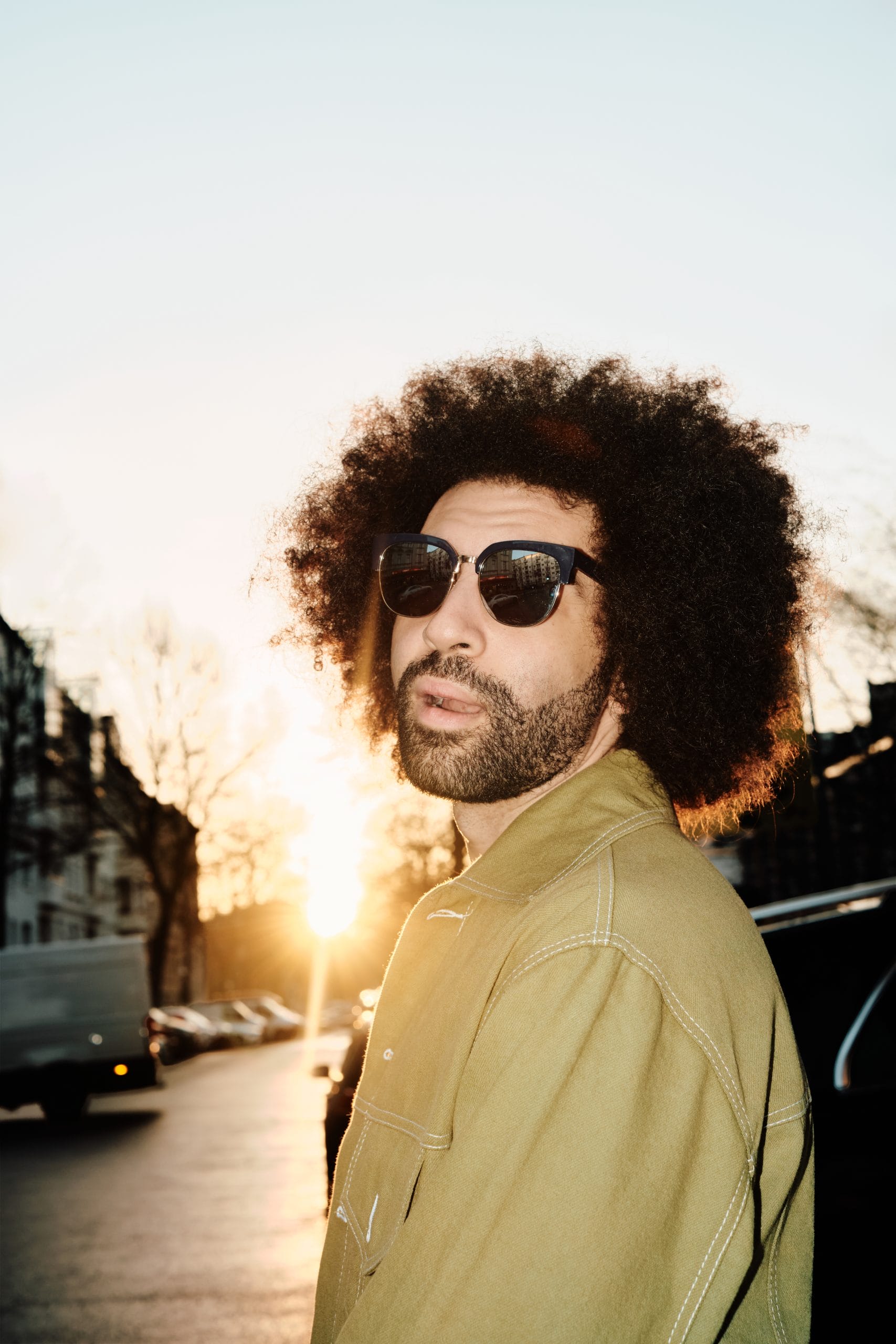
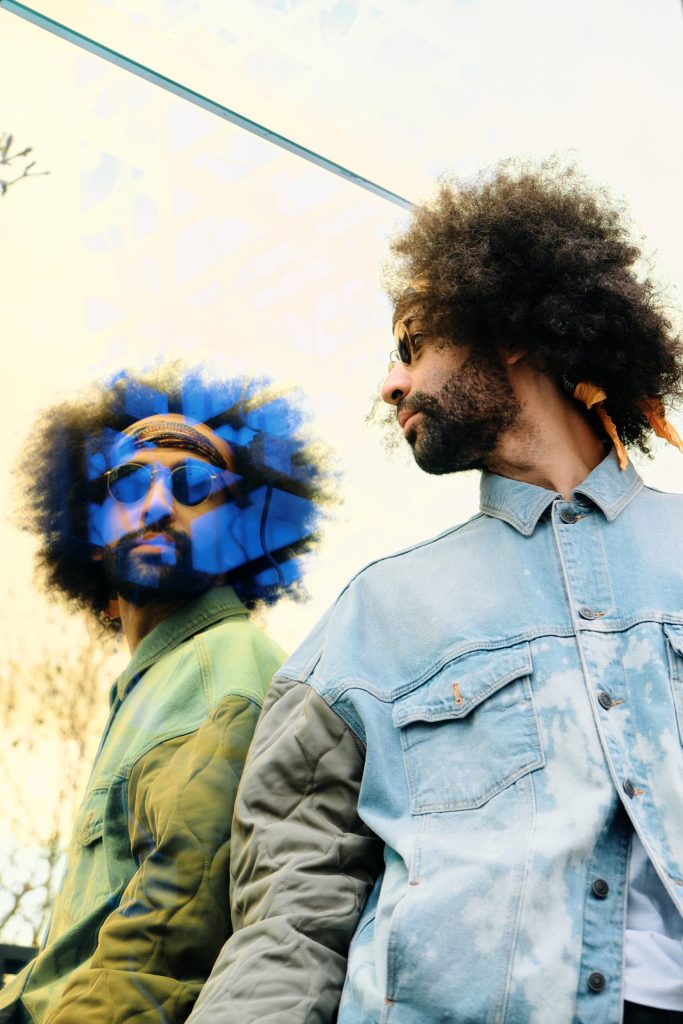
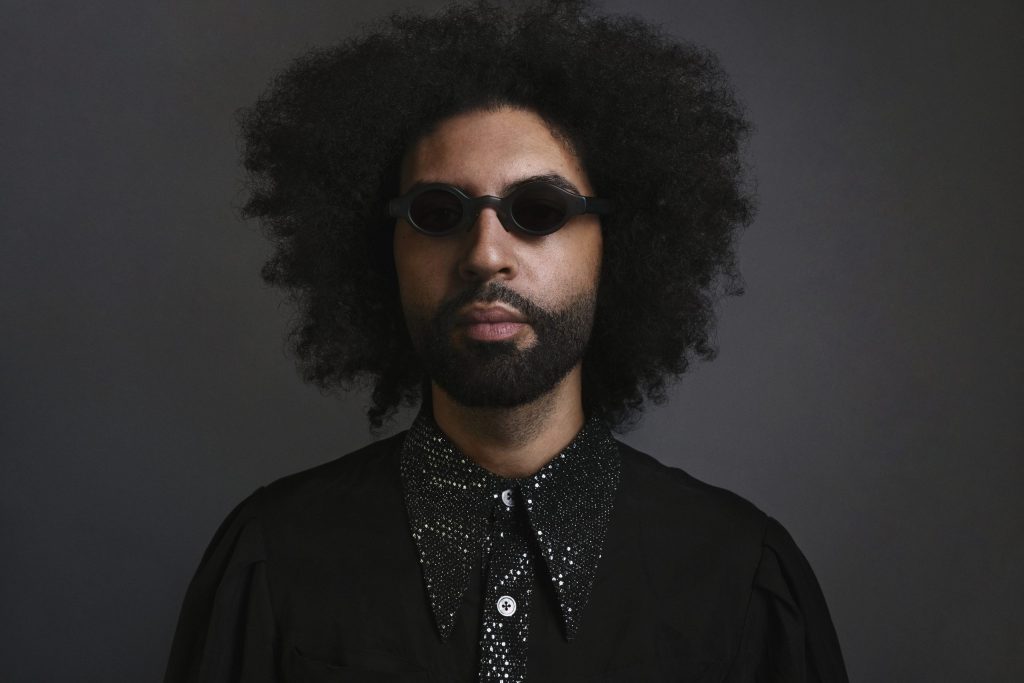
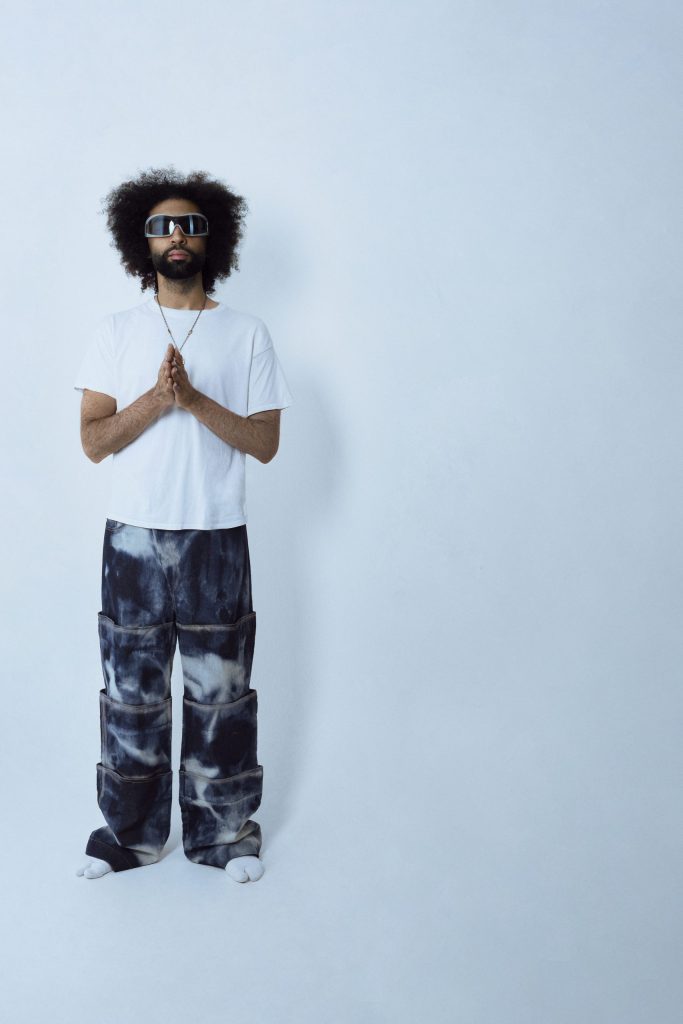
Afriqua (@afriquamusic) has always moved a little differently inside dance music. Born in Virginia, shaped by hip-hop, trained classically, sharpened in Berlin, and informed by Black music traditions across decades, his work does not fit neatly into one functional lane. That perspective makes his appearance on Rebirth 20 Part Two feel less like a one-off remix placement and more like a continuation of what the compilation is trying to say: labels last when they build a language broad enough to hold history, club utility, personality, and reinterpretation in the same catalog.
In the interview below, Afriqua talks about independence, ownership, daily practice, and the shift from waiting for validation to treating music as a business he runs himself. It is a concise conversation, but it gets into something a lot of artists only figure out later: identity is not just a sound you protect.
It is a set of instincts you keep returning to, whether you are behind the decks, at the piano, running the business, or finishing the next record.
Interview With Afriqua
How have changes in your life outside the booth influenced the way you approach a set?
The biggest shift has been independence and ownership. I don’t have a manager and run Afriqua myself. That changes how you show up behind the decks, because you’re not just performing on stage, you’re also representing your experiences and taste on every other level. It makes the time in the booth the easiest and most fun part of the process, which makes me more present.
I know exactly what a set is doing, for the crowd, for me, and for the business, because there’s no one between me and the reality of it landing or not.
As you’ve grown, what habits have you refined or replaced in your creative process?
I make less music than ever, and release more than ever.
Earlier in my career, the goal was to make new ideas every day. Eventually you realize that ideas don’t have much value if they don’t materialize. It’s good practice when you’re developing your technique, but I’m much more efficient with my studio time now. Most of it is spent on making the final product better, not experimenting.
When you evolve as an artist, how do you stay aligned with your core identity?
My anchor is the practice. My time at the piano every day is ultimately still where I refine my ear and taste the most. That doesn’t change no matter what tool or genre I’m working in. So new elements, new trends, new tech, aren’t a departure, they’re just new instruments that same judgment gets applied to. I don’t think identity is a sound you protect. It’s a set of instincts you trust, and those don’t move around much once they’re actually yours.

In what ways has your understanding of yourself as an artist shifted over time?
Early on you’re auditioning, for a label, a scene, whoever is holding the keys.
At some point I stopped waiting for the one moment that would validate everything and started treating this as a business I own and run, year over year, not a career someone else greenlights. That’s the real shift.
How do you structure your life now to sustain your work in music?
I run my own business, which sounds like more work but actually keeps the quality high. No one else decides what an opportunity is worth. I protect studio time the way I used to protect stage time, and I keep a steady, ordinary practice running instead of waiting for bursts of inspiration, because catalogs get built that way, not the other way. Being boring is the most effective way to become interesting.
So What’s The Big Lesson Here?
Afriqua’s answers point toward a lesson that has come up in a lot of my recent artist interviews: the artists who last usually stop treating music like a permission-based career. That came up in different ways with Stacey Pullen talking about staying true over decades, YokoO talking about consistency over whatever is briefly popular, and Spencer Brown talking about only playing music he can fully stand behind. Afriqua gets to the same idea from a more self-operated angle. No manager, no buffer, no fantasy that one outside cosign will solve the whole thing. Just the work, the instincts, the business, and the reality of whether the music lands.
That makes his line about identity feel bigger than the usual “find your sound” advice.
A sound can become a costume pretty quickly if it is only there to make the market understand you.
Afriqua is talking about something harder to fake: the private habits that keep your taste honest before anyone else hears the result. Piano every day. Less random output. More finished work. Better decisions around what deserves to leave the studio. That connects with the broader thread I keep hearing from artists who have built real careers: longevity is rarely dramatic while it is happening. It usually looks repetitive, specific, and a little boring from the outside.
That is also why his presence on Rebirth 20 Part Two fits the anniversary beyond the obvious remix credit. Rebirth is celebrating 20 years by showing the relationships, rediscoveries, and reinterpretations that sit underneath a catalog, and Afriqua is describing the same idea at the artist level.
You do not build something lasting by chasing the most visible moment in front of you, but instead you build it by returning to the same instincts often enough that they become a language. The takeaway is simple, but not easy: independence is not just doing everything yourself. It is knowing yourself well enough to decide what is worth doing in the first place.

Will Vance is a professional music producer who has been involved in the industry for the better part of a decade and has been the managing editor at Magnetic Magazine since mid-2022. In that time period, he has published thousands of articles on music production, industry think pieces and educational articles about the music industry. Over the last decade as a professional music producer, Will Vance has also ran multiple successful and highly respected record labels in the industry, including Where The Heart Is Records as well as having launched a new label with a focus on community through Magnetic Magazine. When not running these labels or producing his own music, Vance is likely writing for other top industry sites like Waves or the Hyperbits Masterclass or working on his upcoming book on mindfulness in music production. On the rare chance he's not thinking about music production, he's probably running a game of Dungeons and Dragons with his friends which he has been the dungeon master for for many years.