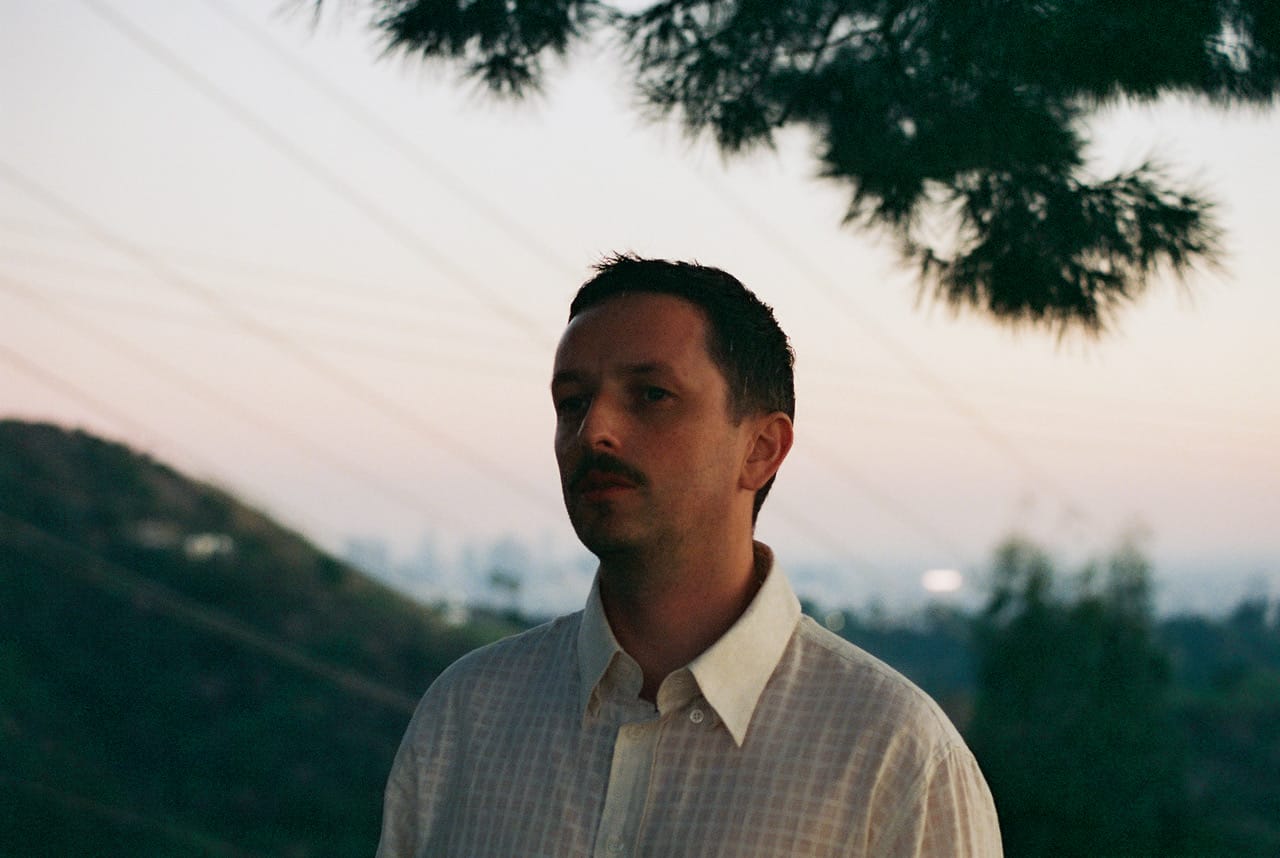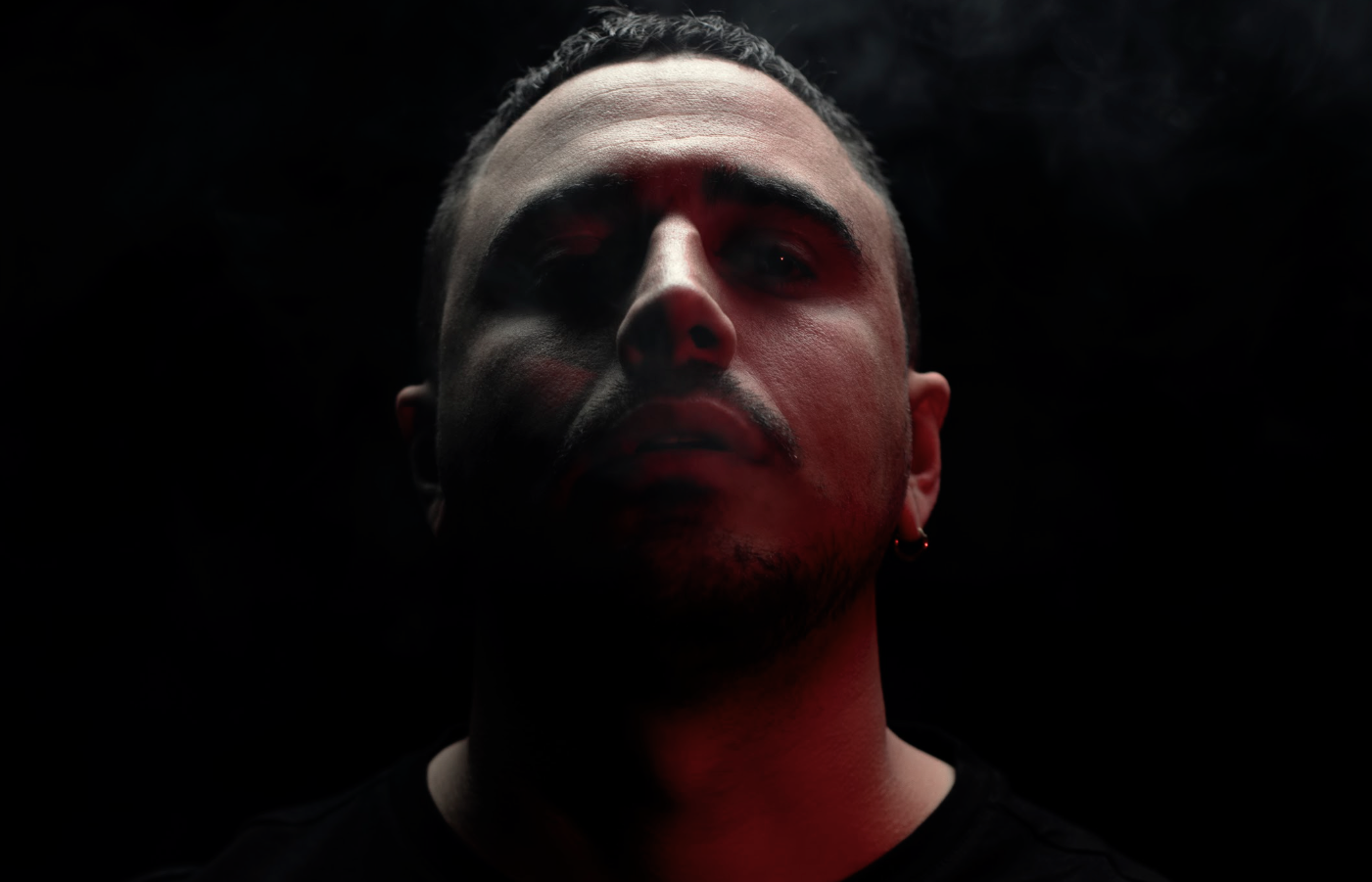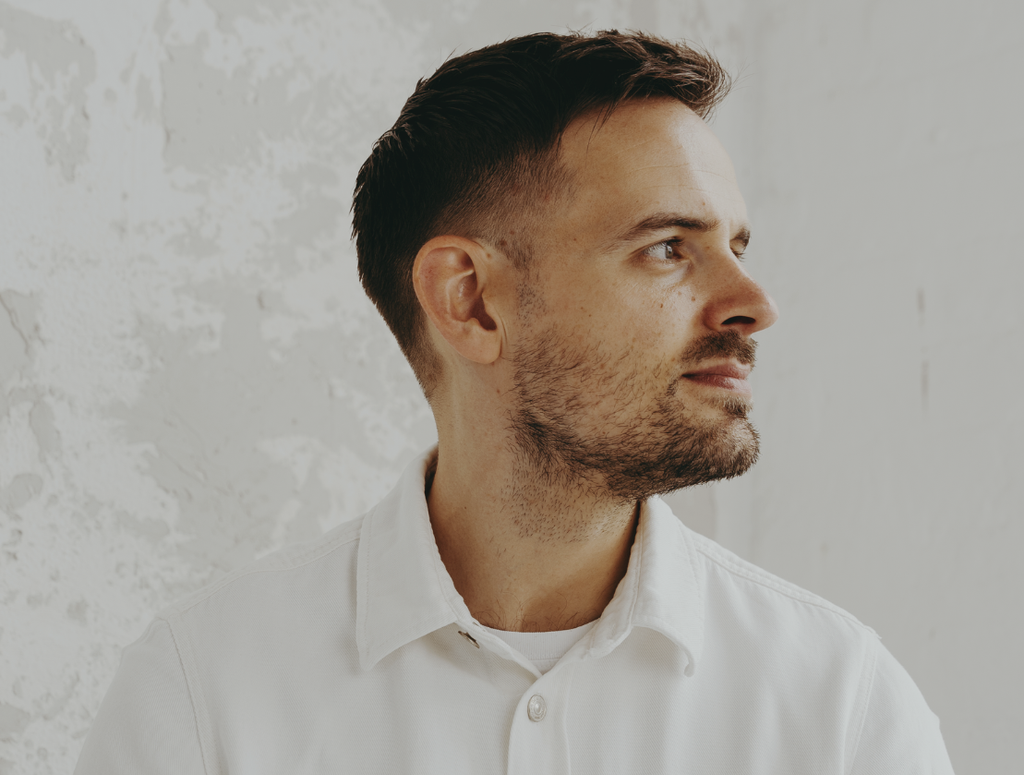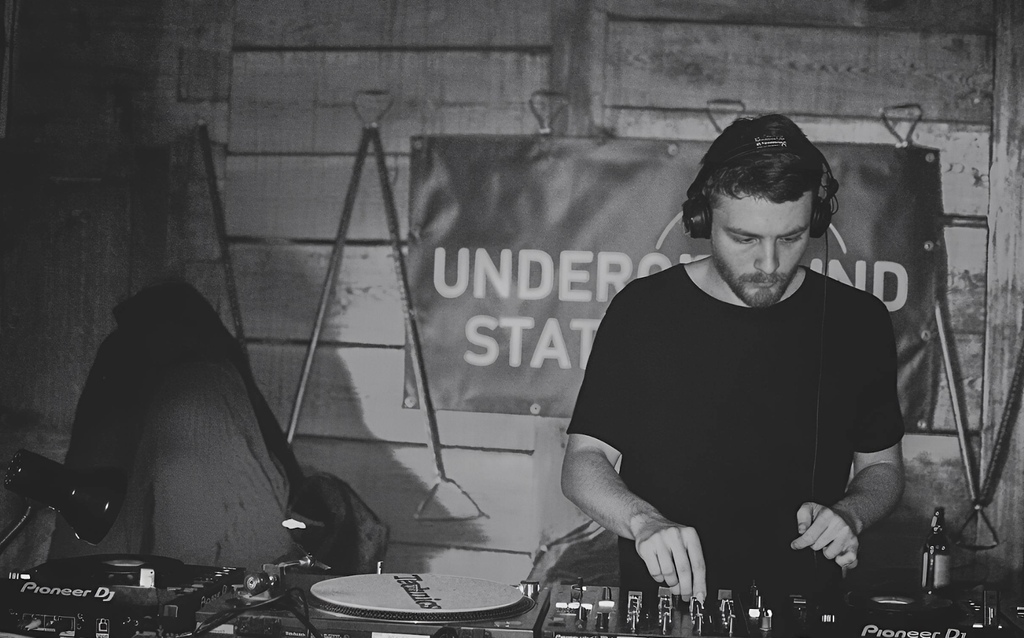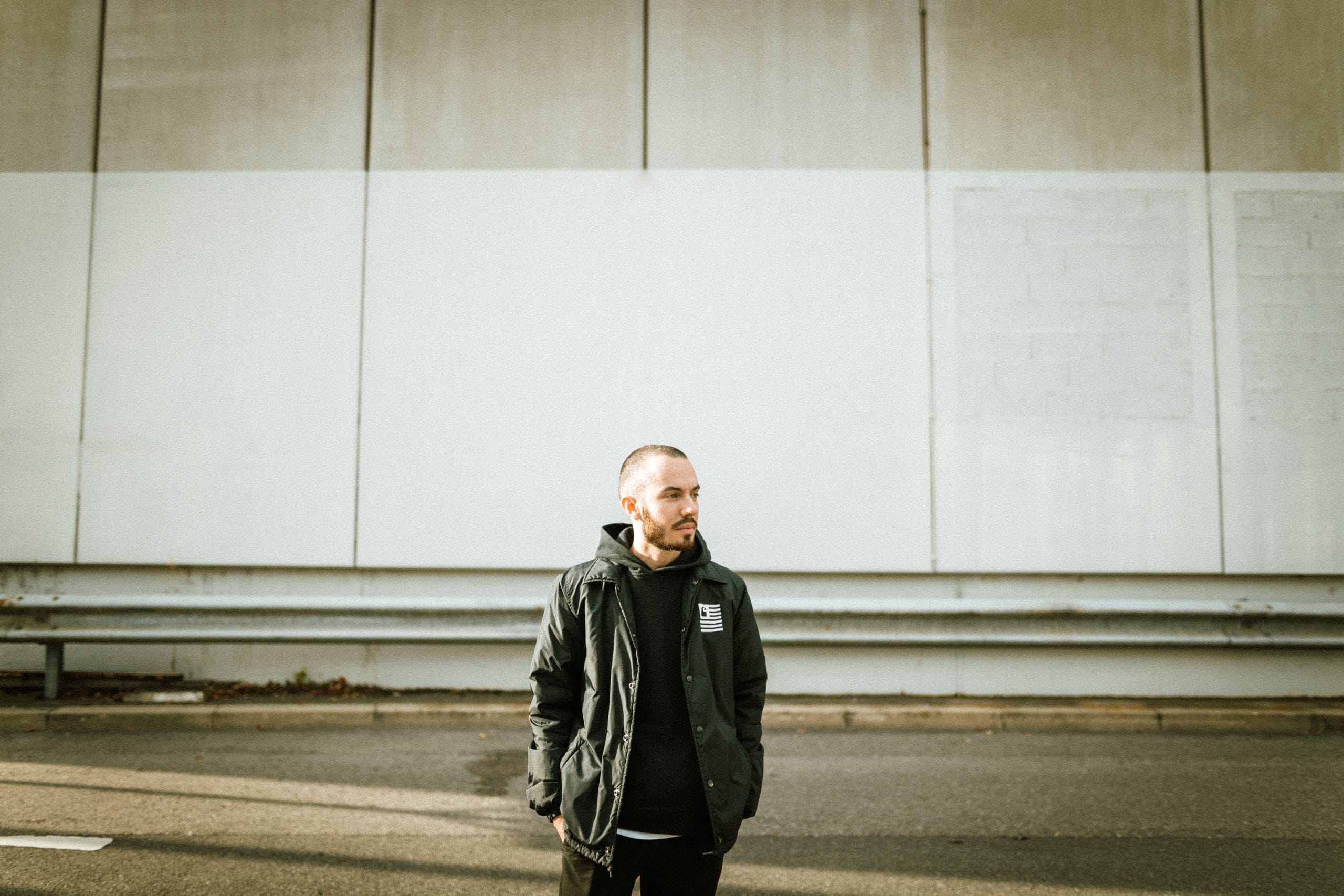
Ground16 (@grnd16) joins the SEVEN family with Breaking Through EP, the first release on the Berlin-based label’s new a.2aum sublabel. Arriving June 5, 2026, the project introduces a platform focused on broken rhythm, ambient detail, and warm spatial texture, giving Ground16 a fitting place for music shaped by house, jazz, funk, Detroit influence, and UK-leaning club pressure.
Across “Eroded Mind,” “Breaking Through Jazz,” “Endless Fight,” and a Pink Concrete remix of “Endless Fight,” the EP moves through electro, acid lines, broken drums, soft synth work, and funk-rooted percussion.
Ground16’s wider catalog has already touched on labels such as Neo Violence and Sofa Movements, with appearances at Paloma Bar and the Montreux Jazz Festival, and this release gives that range a clearer home within a label system built around left-field club music.
In the conversation below, Ground16 talks about the soft skills behind DJing, the pressure of rejection and comparison, and the value of keeping music separate from financial dependence. His answers are refreshingly direct, especially on day jobs, patience, small-name realities, and the need to stay curious without pretending to have every scene-related answer figured out. For an artist releasing on a new sublabel built around taste, texture, and careful curation, that honesty fits the music well.
Interview With Ground16

What soft skills have ended up being much more important than you expected when you first started DJing?
The music is almost the easy part. What caught me off guard was how much of it is talking to people and building real relationships: reaching out to labels, promoters, shops, and other artists without being pushy or fake. It is especially hard when you are a small name, because you end up handling pretty much everything yourself, social media included.
Patience is a big part of it too, because a lot of it moves slowly, and you have to be okay with that.
How do you personally build resilience in a scene where burnout, rejection, and comparison are so common?
Honestly, the biggest thing for me is that I do not depend on music financially. I have a day job alongside it, so I am not making tracks to pay rent, and that takes a huge amount of pressure off.
Having that separation lets me step away from the pressure, burnout, rejection, and constant comparison, and it helps me keep music as a passion rather than something I have to grind at. I can focus on if I am making stuff I actually like.
What helps you stay confident in your taste, even when what you love is not what is trending?
Same thing, really. Not depending on it helps a lot. Staying true to my own thing matters to me more than any trend. I would rather make something slightly off to the side that feels like me than something that fits what is popular this month.
My stuff is pretty eclectic, usually with a dub feel underneath, though not always, and I have made peace with the fact that it will not be for everyone. If a few people connect with it, that is enough.
Can you share a moment when cultural awareness, or the lack of it, changed the way a night played out?
I do not play out that much, and rarely abroad, so I do not really have a story for this one in that cross-cultural sense, and I will not pretend I do.
The skill itself, reading a room and having a feel for the context you are playing in, is obviously crucial in this job. A set that works in one place can completely miss somewhere else, and a lot of that comes down to paying attention to who is actually in front of you instead of running your plan. I am still very much learning that side of it.
How has your definition of taste evolved over time?
It has gone two ways, really. On one hand, I have gotten pickier about what I like. I know pretty quickly now when something is not for me, and I pay way more attention to how a track is mixed and produced than I used to.
On the other hand, genre-wise, my taste has opened right up. I listen to a huge range: soul, funk, jazz, hip hop, and rock. So it is a bit of a contradiction. I am more particular about what moves me, and also much more open across genres.
What role do humility and listening play in your relationships with promoters, peers, or local scenes?
As I said earlier, I do not play out that much and I do not have a lot of contact with promoters, so I cannot speak to all of that from deep experience.
Listening is something I value in general, in life and in music, and it is something I genuinely enjoy doing. You learn way more by turning up curious and actually listening than by acting like you already know it all.

Will Vance is a professional music producer who has been involved in the industry for the better part of a decade and has been the managing editor at Magnetic Magazine since mid-2022. In that time period, he has published thousands of articles on music production, industry think pieces and educational articles about the music industry. Over the last decade as a professional music producer, Will Vance has also ran multiple successful and highly respected record labels in the industry, including Where The Heart Is Records as well as having launched a new label with a focus on community through Magnetic Magazine. When not running these labels or producing his own music, Vance is likely writing for other top industry sites like Waves or the Hyperbits Masterclass or working on his upcoming book on mindfulness in music production. On the rare chance he's not thinking about music production, he's probably running a game of Dungeons and Dragons with his friends which he has been the dungeon master for for many years.