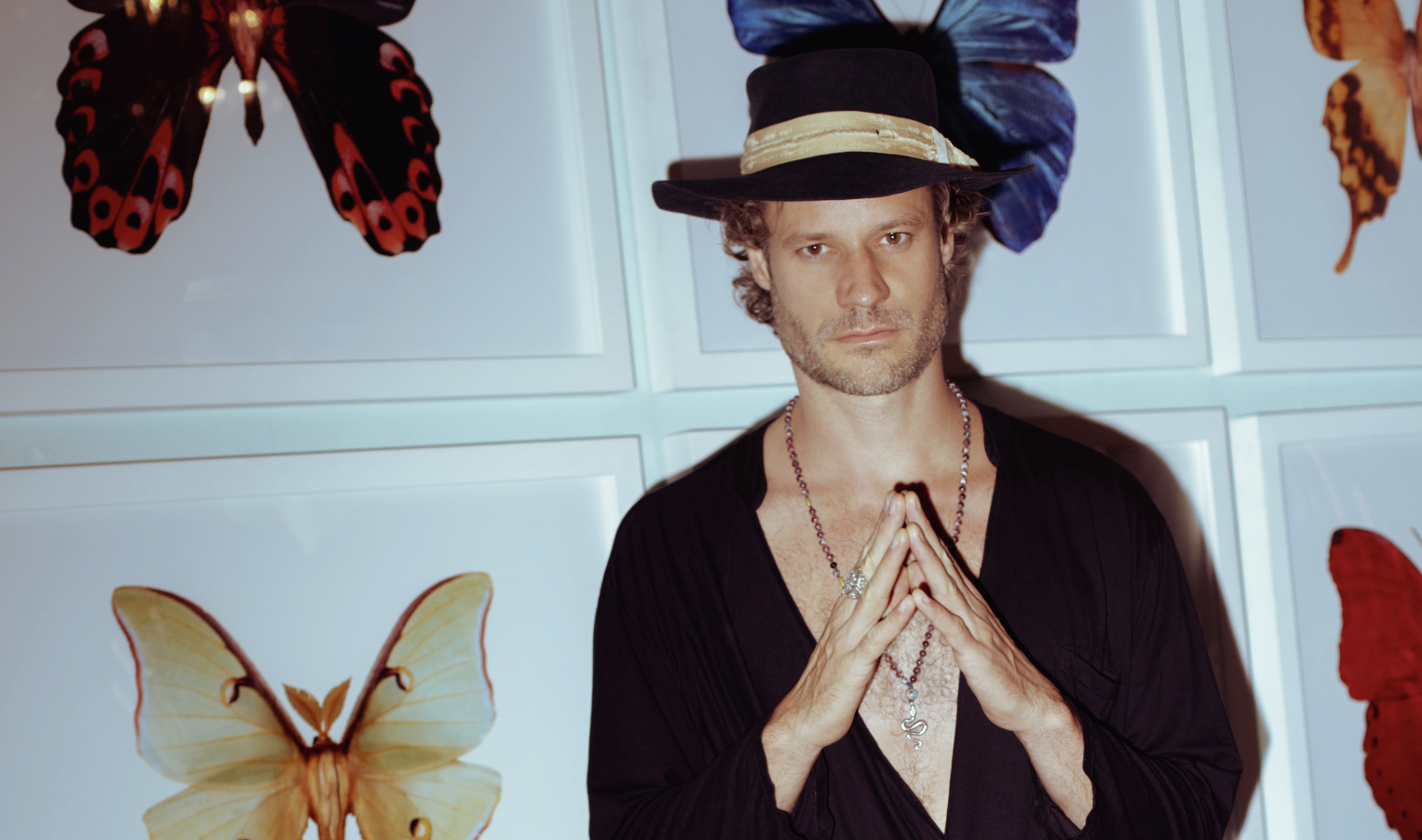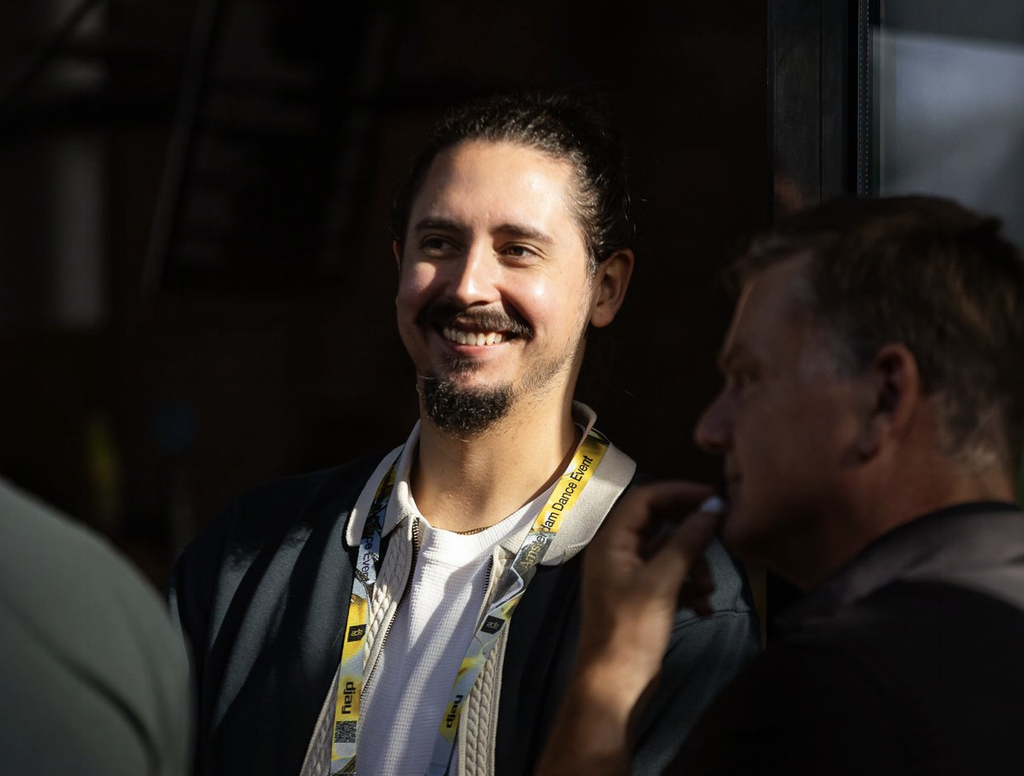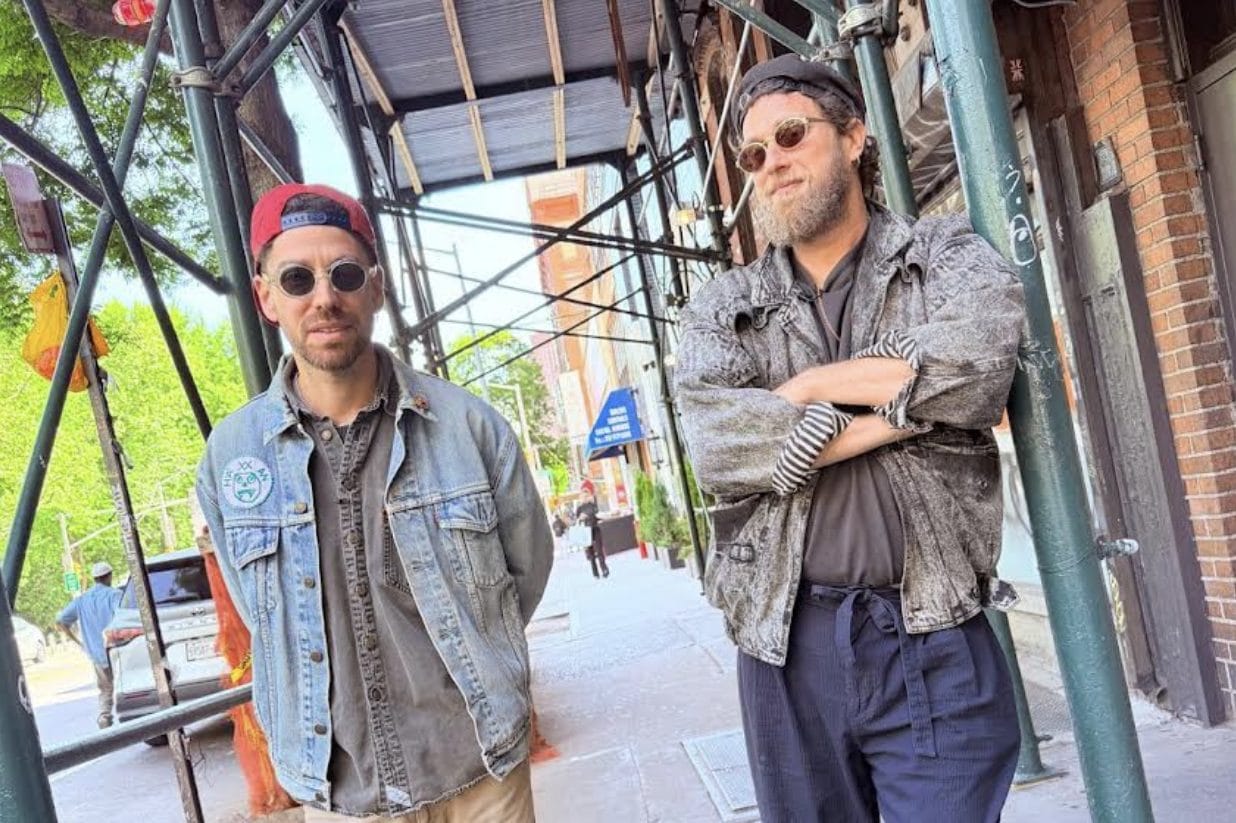
Red Axes (@redaxesofficial) have always sounded like a project built from records that were found, lived with, bent out of shape, and then sent back into the room with a new pulse. Dori Sadovnik and Niv Arzi started together in the post-punk and new wave world before reshaping their focus around house, disco, techno, edits, and psychedelic club music, and that background still explains a lot of why their tracks rarely feel locked to one clean category.
Their Red Axes remix of Psycho Radio Vs LC Anderson’s “Bad Reputation” appears on Rebirth 20 Part Two, out August 7, as part of the label’s 20-year anniversary project.
The compilation gathers long-standing Rebirth artists, hidden catalog pieces, and contemporary reinterpretations from names including Corrado Bucci, Chromatic Filters, Blue Mondays, Matteo Gamba, Memo Framed, Federico Baracco, Afriqua, Soul of Hex, Mikhu, Darren Emerson, Valentino Kanzyani, Ramonpang, and more. It is framed as the chapter that looks closer at Rebirth’s roots, community, and creative DNA.
That makes Red Axes a fitting voice for this interview. Their answers are not about protecting a fixed sound or gaming the speed of modern release culture. They talk about patience, health, real life, craft, the dancefloor, and music that still needs time to unfold. For a duo whose career has moved between band culture, underground parties, edits, house, disco, techno, and global club rooms, that long-view perspective feels less like advice and more like the method that has kept the project open.
Interview With Red Axes

How do you keep a long-term perspective in mind when making creative or career decisions?
Trends pass quickly, but genuine passion lasts. When making choices, we simply ask if a direction feels natural to us. If it does not, we move on.
A long path is just a series of small, honest choices made over many years.
Have there been moments where choosing a slower pace strengthened your trajectory?
Slowing down always brings clarity. Stepping back from a hectic pace to focus on studio time or home life refreshes your mind. Taking space to breathe always leads to clearer and more meaningful creative ideas.
What does sustainable success look like to you within this culture?
It is having the health, freedom, and peace of mind to keep making music you care about. It means maintaining a good life outside the booth, strong relationships, and a real connection with people who appreciate the journey.

What habits help you stay grounded beyond short-term validation?
Keeping a clear boundary between music and real life.
Focusing on family, good food, and making music purely for the joy of it without pressure. When your sense of peace comes from simple moments.
How do you remain centered on your own direction in a metrics-driven environment?
Music culture was never built on algorithms or numbers. It was built on feeling and shared energy in a room. Focusing on the craft, and real people on the dancefloor helps to ignore digital metrics.
Has the rise of short-form content influenced how you shape or release your work?
It has not changed how we make music. A track still needs time to build atmosphere and tell a story. While the world speeds up, preserving the journey of a full piece of music feels more important than ever.
What insight would you share with artists who want to build something lasting?
Stay patient and do not rush the process. Avoid chasing what is popular today, because trends shift fast. Take care of your well being, respect the history of the music, and nurture real relationships.
Closing Thoughts After Our Chat With Red Axes
Red Axes give the kind of answers that sound simple until you put them next to the speed of the current industry. Take care of your health. Keep real life separate enough from music that it can still feed the work. Let tracks build atmosphere. Respect history. Do not let algorithms become the place where creative judgment starts. None of that reads like a growth strategy, which is probably why it feels more believable.
They are talking about the conditions that let an artist remain curious after the hype cycles have moved somewhere else.
That connects with my interview with D’Julz on longevity, relevance, and protecting the dancefloor, where the long-running Paris figure framed staying power around experience rather than constant reinvention for its own sake. Red Axes get to a similar place through a different temperament. They are not arguing against change. Their own history moves from post-punk and new wave into psychedelic electronic music, edits, house, disco, and techno. The important part is that the change still has to feel natural. A career can evolve without becoming obedient to whatever is briefly loudest.
There is a sharper industry point inside their answer about metrics.
My conversation with Christian Hornbostel on craft, credibility, and DJ influencer culture circled around the same problem from the perspective of someone who has watched the culture reward visibility in ways that can blur the line between artist and content engine. Red Axes cut through that by returning to the room. Music culture was built on shared energy, not dashboards. That does not mean the digital layer disappears, but it does mean the dancefloor still has to remain the final test.
I also thought about my interview with Hraach on why social media cannot replace the dancefloor, because Red Axes’ definition of sustainable success depends on relationships, health, and real connection with people who appreciate the path. That is a quieter standard than the one the platforms encourage. It asks whether the artist can keep living well enough to keep making music with care. It asks whether the people around the work are still real. It asks whether the project still gives something back to the room beyond content for the feed.
That is why their presence on Rebirth 20 Part Two fits the anniversary cleanly.
Rebirth is looking back at two decades of records and relationships, while Red Axes are talking about the personal discipline needed to keep a musical life from collapsing into output for output’s sake. Their remix of “Bad Reputation” sits inside a compilation built around roots and reinterpretation, and their interview makes the bigger lesson clear: the work lasts when the artist protects the life that makes the work possible.

Will Vance is a professional music producer who has been involved in the industry for the better part of a decade and has been the managing editor at Magnetic Magazine since mid-2022. In that time period, he has published thousands of articles on music production, industry think pieces and educational articles about the music industry. Over the last decade as a professional music producer, Will Vance has also ran multiple successful and highly respected record labels in the industry, including Where The Heart Is Records as well as having launched a new label with a focus on community through Magnetic Magazine. When not running these labels or producing his own music, Vance is likely writing for other top industry sites like Waves or the Hyperbits Masterclass or working on his upcoming book on mindfulness in music production. On the rare chance he's not thinking about music production, he's probably running a game of Dungeons and Dragons with his friends which he has been the dungeon master for for many years.