ModeAudio has built its name on royalty-free sounds that feel a little more considered than the average download folder. The company’s catalog now covers more than 400 collections, ranging from ambient textures, loops, one-shots, MIDI files, field recordings, and synth presets to more focused tools for Serum 2, Reason, Ableton Live, and other production environments. It also gives producers a few easy entry points into that world, including a free taster sound-pack page and a larger 885MB free sounds bundle available with newsletter sign-up.
That makes ModeAudio interesting as a brand spotlight because its identity is not built only around quantity.
The company’s official language keeps returning to inspiration, experience, sound quality, and ease of use, while co-founder Niall McCallum’s answers point to a more specific story underneath the catalog. ModeAudio came from a group of musicians and sound designers with deep roots in ambient music, experimental electronic processes, and field recording, then slowly expanded into more popular production lanes without losing that left-field ear.
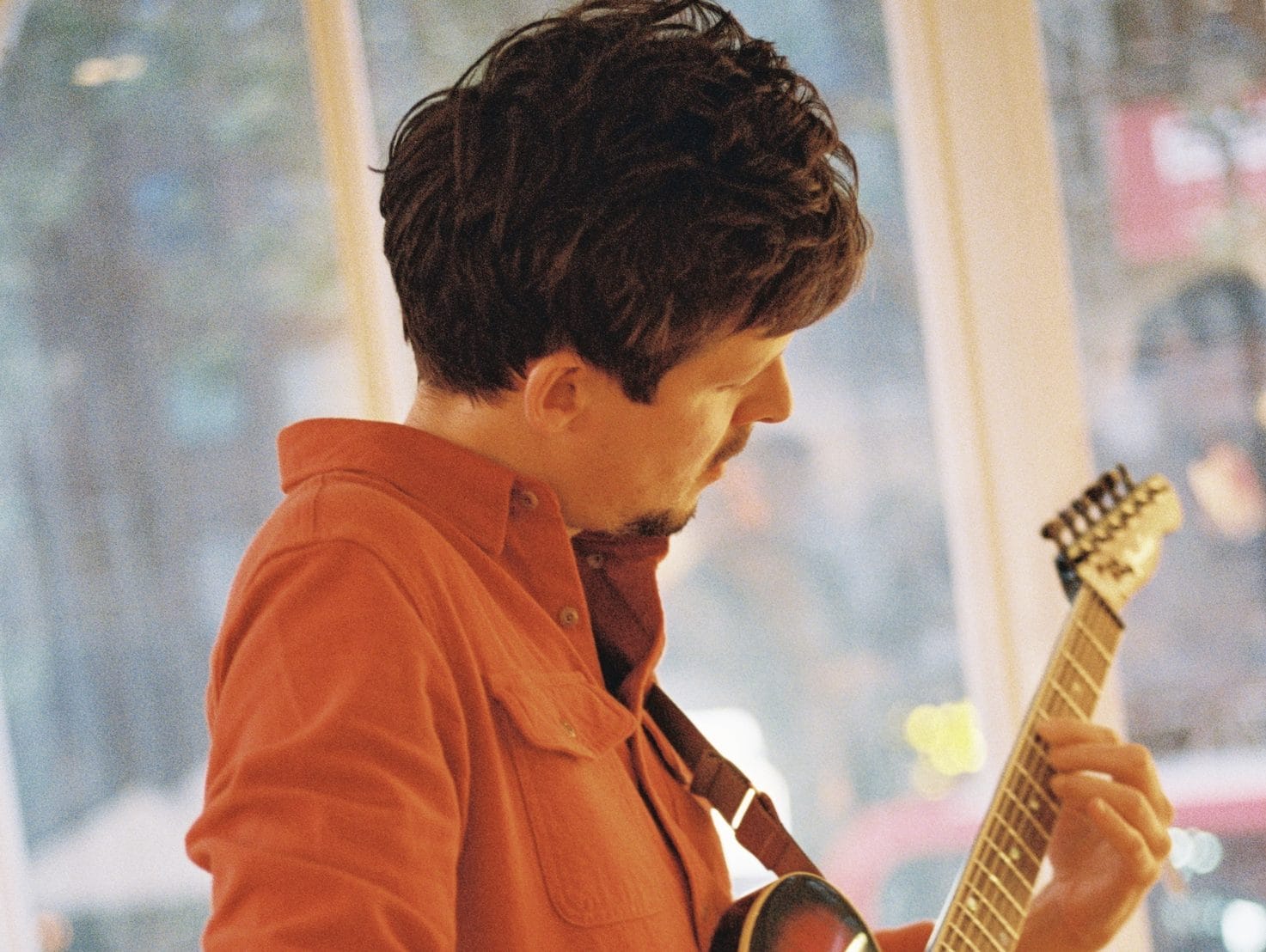
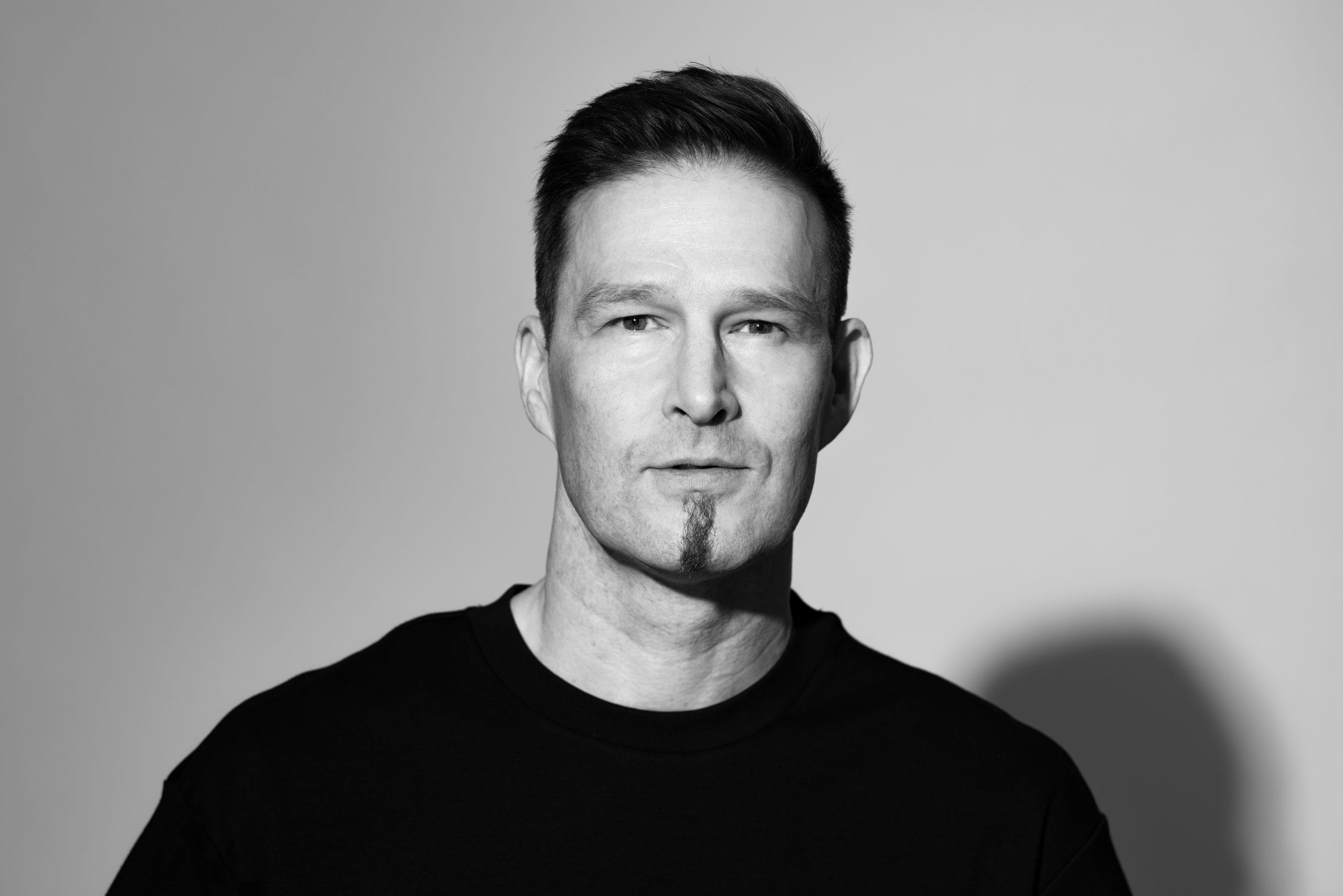
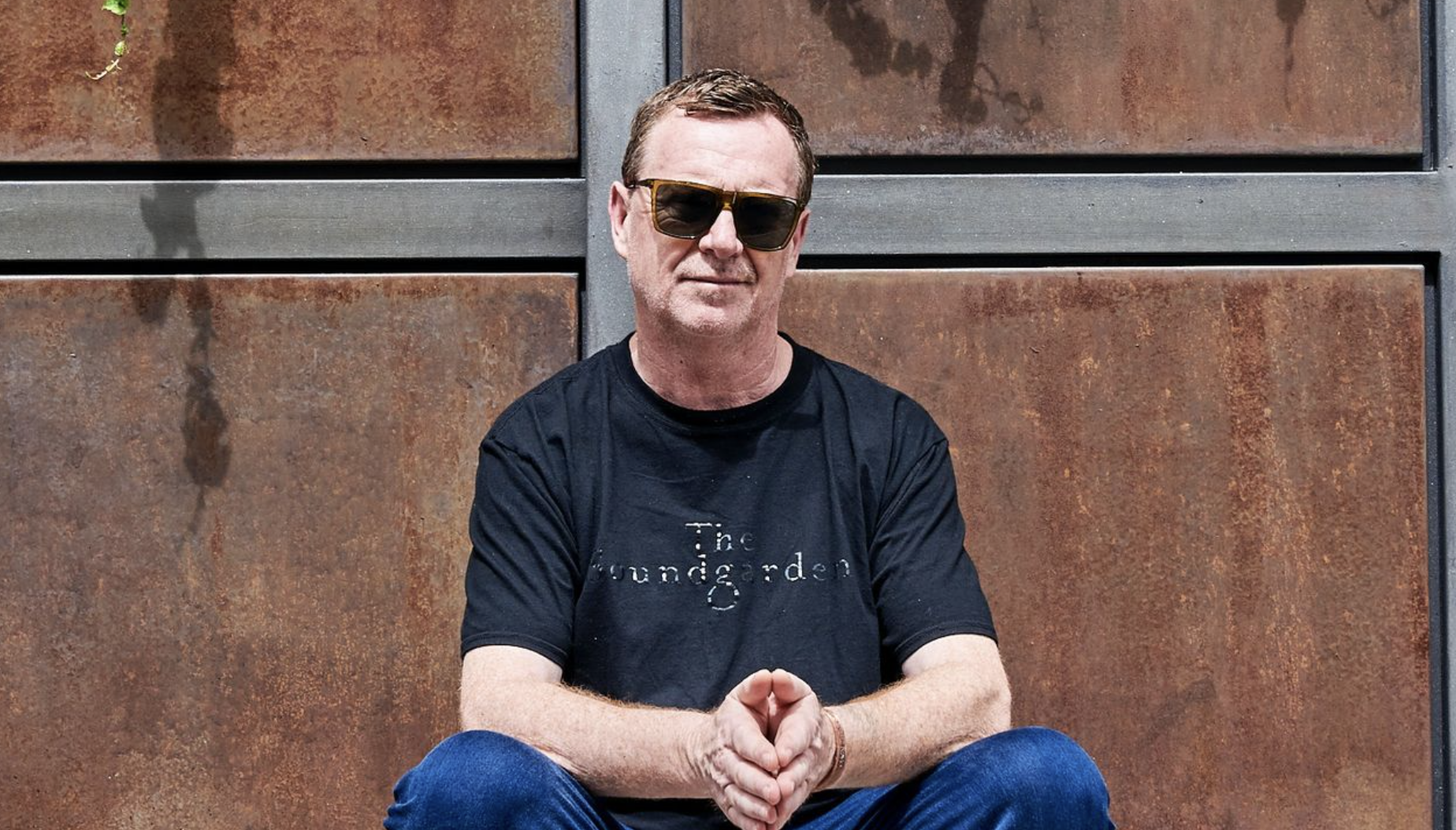
In the interview below, McCallum, who is pictured above, talks about what he felt was missing from the sample-pack market when ModeAudio started, how the team protects the company’s identity across hundreds of releases, why synth presets have become a bigger part of the business, and what he learned from personally recording the vocals for the Humanism male vocal loops collection.
His answers make the brand feel less like a content machine and more like a small creative studio that has stayed close to the actual act of making sounds.
Interview With Niall McCallum
When you co-founded ModeAudio, what did you think was missing from the sample-pack market, and how has that original assessment held up?
It’s a great question and one I probably should have thought of a little more deeply when we first got going, to be totally honest. I’ve always lived and breathed music and was starting to find my feet in terms of producing, home recording, and using software, so I felt inspiring soundware, for want of a better term, was something we could meaningfully contribute to other musicians and producers.
Certainly myself and my co-founders are all steeped in the history and lore of ambient music, and I think this was an area we felt we could turn our particular set of skills and experience to. I suppose I could feel the tendrils of ambient working their way into an ever-diverse array of genres and styles at the time. I met one of my colleagues whilst studying electronic music and composition at university, so bringing some of the more experimental techniques and processes we had learned about, granulation, spectral synthesis, phase vocoding, the wider practice of field recording, and so on, to more popular styles and modes of creating music with computers quickly became something we felt could differentiate us.
This has all contributed to us having a bit of a left-field voice in the industry, despite us increasingly getting into more popular genres in recent years, which I think has stood us well so far.
Your catalog now contains over 400 royalty-free collections. How do you keep that scale from weakening the identity of the company?
Almost everything we release is made in-house by myself or just two other colleagues, which as I understand it is quite unusual in the industry.
This ensures we keep the quality as high as possible and everything remains aligned to our extremely high standards when it comes to sound design and, well, everything else, from product artwork, which I design, to written descriptions and beyond. I also think this has helped to give our sounds a bit of a signature sound, feel, or vibe, despite the pretty varied musical focus of our catalog, from ambient to hip hop, house, shoegaze, experimental FX, and so on.
ModeAudio sells loops, one-shots, MIDI files, field recordings, and synth presets. Which format tells you the most about how producer habits are changing?
Well I’d say synth presets have become more of a focus for us over the years, particularly in relation to Serum 2, which seems to have just gone pretty stratospheric since it launched last year. Of course loops and one-shots are extremely popular as ever, and field recordings remain a real niche that we release very sporadically, and really just because we love them and think they complement the catalog well, more than anything else.
Your company promotes production education alongside commercial releases. What does teaching customers reveal about the problems they encounter after downloading a pack?
In all honesty, we don’t get a lot of feedback with respect to our magazine section, though we know the pages are visited and the audio examples listened to.
Simple numbered lists of basic, introductory information seem popular, acting as a bit of a gateway into the process of music-making with a computer, so this has been revealing to an extent.
You personally recorded the vocals for the Humanism collection. What did performing the source material teach you that directing another vocalist would not have revealed?
As you may have gathered from the above, we take a hands-on approach to more or less everything at ModeAudio, from making sounds to designing art, even replying to emails, and so on.
We have had others contribute to the catalog before, and this can bring new perspectives and sonic twists into the fold, but to be completely blunt, it’s just much less fun than doing it ourselves. As any seasoned musician or producer worth their salt will tell you, I’m always learning and keen to try new things. It’s what keeps the process fresh and helps us to improve in all that we do.
I learned more about vocal recording and processing from making Humanism than I probably ever had before, which obviously I would have completely bypassed had someone else created the audio for us.
If you were founding ModeAudio in 2026, which parts of the original business model would you retain, and which would you reconsider immediately?
There’s not much I’d change really.
I’m happy with where we are, and I still spend the majority of my time making music and sounds of all stripes. My work is a pleasure, and I still feel as inspired as I did over 12 years ago, so here’s to the next 12.
Closing Thoughts
The bigger takeaway from McCallum’s answers is that ModeAudio seems to occupy a different corner of the sample-pack market than the companies built around endless genre capture. A lot of the modern sample business can feel like a race to publish whatever producers are searching for this month.
ModeAudio has clearly expanded beyond ambient music, but McCallum keeps returning to the same habits: making nearly everything in-house, keeping the artwork and descriptions close to the sound-design process, recording material personally when it makes the work better, and treating field recordings as something worth keeping in the catalog even when they remain niche.
That gives the company a distinct place in a market that is being pulled in several directions at once. In my interview with Black Octopus Sound on sample-pack trends, challenges, and the future of the format, the conversation leaned into scale, artist networks, and what it takes to run a bigger sample-pack operation.
ModeAudio offers a different model: a smaller, heavily hands-on catalog where consistency comes from the same few people making most of the creative decisions. Neither approach is automatically better, but they serve different producer needs. Black Octopus feels closer to a wide network. ModeAudio feels closer to a sound-design workshop with a long memory.
That distinction becomes more important in the AI era.
In my conversation I had a few years ago with UNDRGRND Sounds about what happens to sample packs when AI is free and infinite, the main tension was whether producers will still pay for sound material when generative tools can spit out endless options. McCallum’s answer is indirect but convincing because it talks about an important thing, but from an angle few working producers, myself included, really give mind to when we just fire up our DAWs to make a beat: value comes from authorship, taste, and the specific ear behind the pack. AI can generate variation, but it cannot easily recreate the personality of a small team that has spent more than a decade turning ambient technique, field recording, vocal processing, and synth design into a recognizable catalog.
The education piece also gives ModeAudio a massive advantage here too, and it’s something that I talked about in my article on sound design in Reason 13, which circled around a problem beginners run into constantly: they download sounds or open devices without knowing how to shape them into a track. ModeAudio’s magazine section and free sound bundles are smart because they give producers an easy way into the brand before asking for a purchase, but they also acknowledge a larger truth about the sample-pack business. The pack is only the beginning. Producers still need context, taste, and enough direction to turn the download into music.
And that really is where ModeAudio’s position feels strongest and the most relevant to where the industry is at today in 2026.
The company is not trying to win by being the biggest marketplace or the loudest brand in the room. Its advantage is a mix of scale and personality: enough catalog depth to serve a wide range of producers, but enough hands-on authorship to keep the sounds from feeling anonymous. In a market crowded by AI promises, subscription libraries, and trend-led drops, ModeAudio’s bet is almost old-fashioned in the best way: make sounds carefully, keep the process close, teach enough to help people use them, and trust that producers can still hear the difference.

Will Vance is a professional music producer who has been involved in the industry for the better part of a decade and has been the managing editor at Magnetic Magazine since mid-2022. In that time period, he has published thousands of articles on music production, industry think pieces and educational articles about the music industry. Over the last decade as a professional music producer, Will Vance has also ran multiple successful and highly respected record labels in the industry, including Where The Heart Is Records as well as having launched a new label with a focus on community through Magnetic Magazine. When not running these labels or producing his own music, Vance is likely writing for other top industry sites like Waves or the Hyperbits Masterclass or working on his upcoming book on mindfulness in music production. On the rare chance he's not thinking about music production, he's probably running a game of Dungeons and Dragons with his friends which he has been the dungeon master for for many years.








![How It Was Made: Low Steppa & Roel – Dreamliner [Low Trax]](https://magneticmag.com/wp-content/uploads/2026/09/DSC07195-1024x608.jpg)