Fosi Audio has spent years becoming a familiar name for affordable amps, DACs, and desktop hi-fi gear, so the Fosi Audio i5 immediately caught my attention because it feels like the company is trying to make a proper first entry into the full-size headphone market instead of tossing out a basic accessory to round out the catalog.
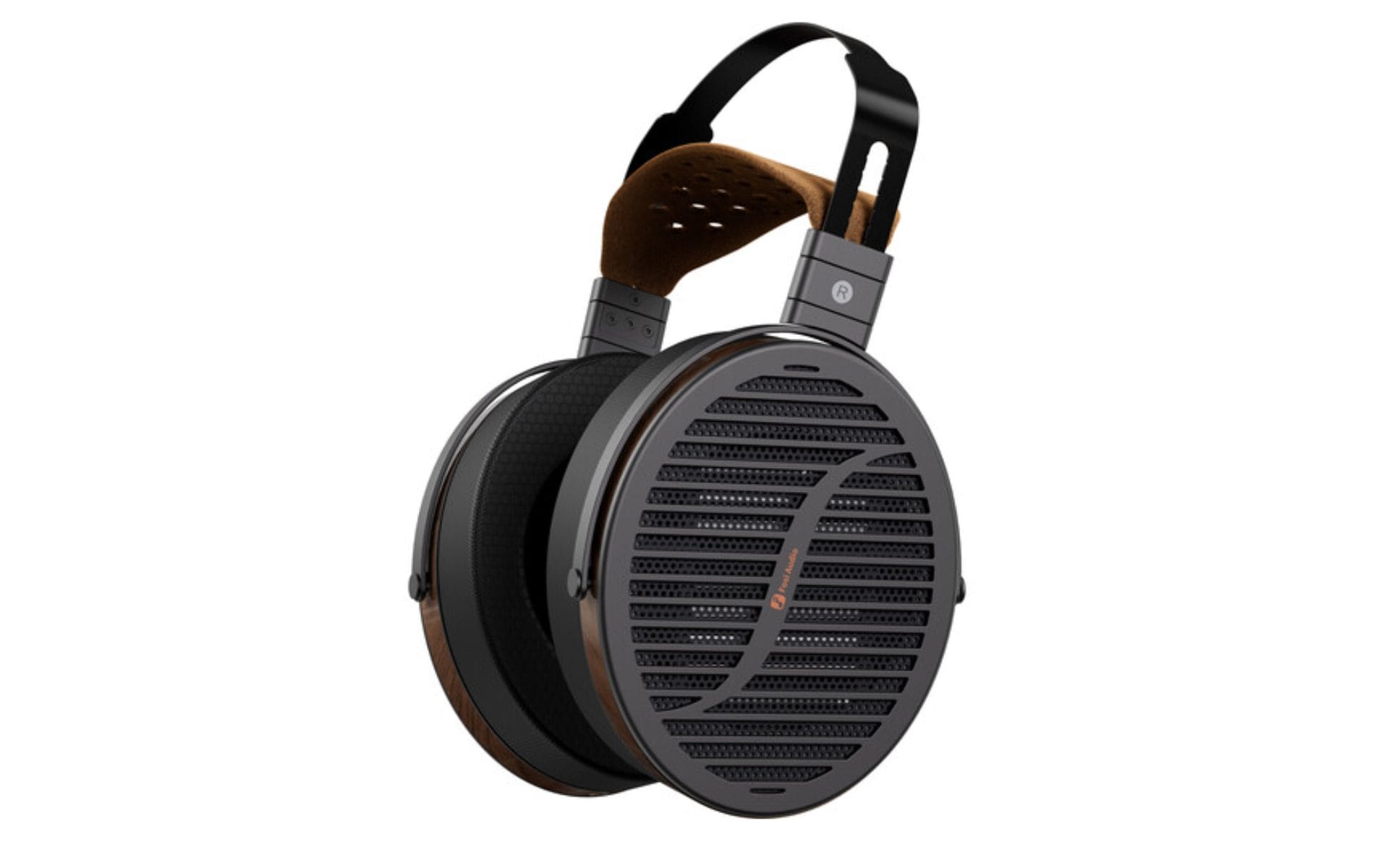
This is a $549.99 open-back wired planar magnetic headphone with a 97mm driver, a large metal frame with a wood-style cup design, detachable cabling, and a comfort system that feels like Fosi knew the physical size of this thing would be one of the main talking points the second people took it out of the box. But is it all just curb appeal that gives you a strained neck after sporting them for a long session, making music, gaming, or listening to your favorite vinyl?
And that is really the tension with the i5.
It looks huge, it feels huge, and the spec sheet reads like Fosi wanted to make something that could sit near established planar options without climbing into flagship pricing, yet the real question is how all of that translates once you stop looking at the materials and start using the headphone across albums, reference tracks, games, long listening blocks, and normal desktop use.
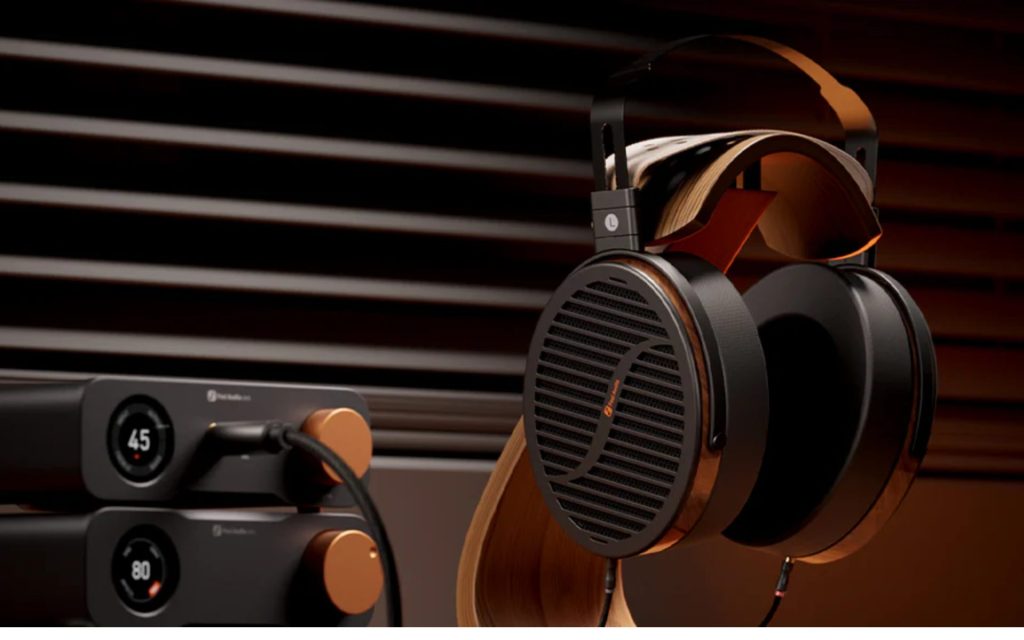
After taking more than a healthy sum of notes after using these in my man cave for almost four months now, the clearest read I have is that the i5 makes the most sense as a spacious, technical, comfort-first planar for someone who already has a decent source setup and already knows they like this kind of open presentation. It has enough upside to be taken seriously, especially for a first headphone release, and enough quirks that I would be careful recommending it as a blind buy for every listener.
So let’s dive into the bulk of the review and really get into the weeds…
Quick Specs And What They Mean
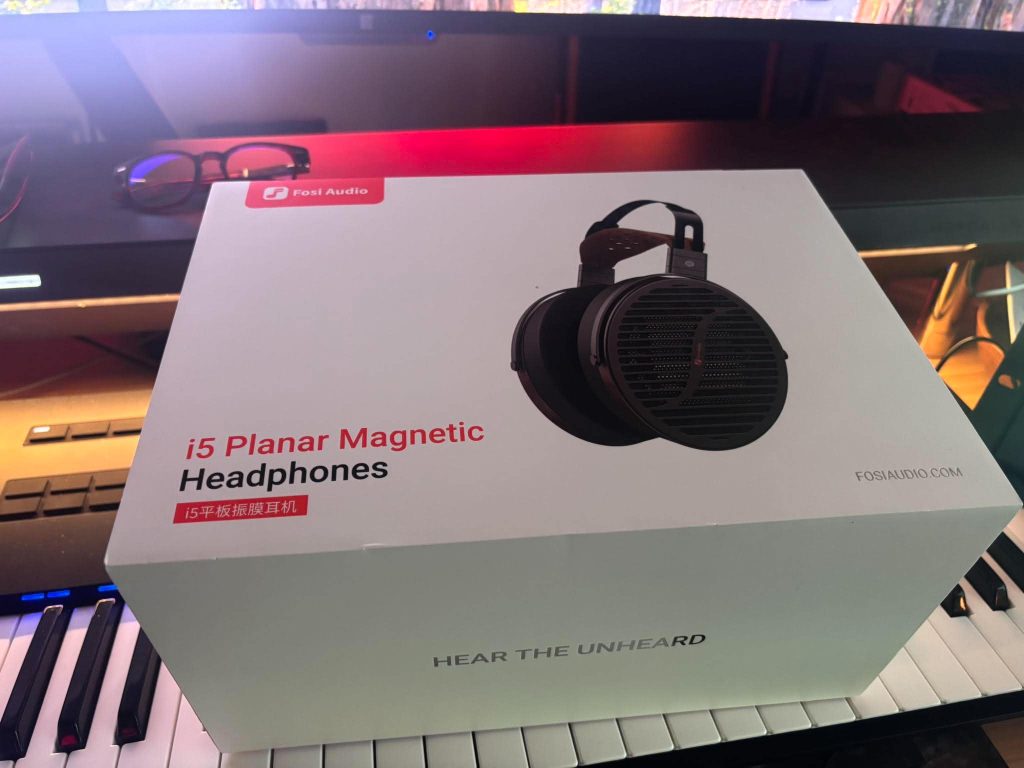
The Fosi Audio i5 is an open-back wired headphone built around planar magnetic drivers, and the main number that jumps off the page is the 97mm driver size. That is large, even by planar headphone standards, and Fosi pairs that driver with a listed 2μm diaphragm, a low 28-ohm nominal impedance, 98 dB/mW sensitivity at 1kHz, THD below 1% at 100 dB SPL, and a maximum SPL figure listed above 120 dB SPL.
The power spec is the part I would spend a little time on because the impedance number can make the i5 look easier to drive than it may be in practice. Fosi says a minimum power of 100mW is needed and a recommended power of 500mW or higher, which means the i5 can likely get volume from a portable source, a small dongle, or a basic headphone output, yet it is going to have a better shot at sounding controlled and complete from a proper desktop amp, a capable DAC and amp combo, or a solid audio interface.
The i5 is also open-back, so isolation is basically absent by design.
Sound leaks out, room sound comes in, and this is the kind of headphone I would keep at a desk, in a listening room, or in a studio space. It is not the headphone I would grab for a coffee shop, a tracking room with live microphones, or a shared office where other people can hear what I am playing.
Design And Build Quality
The build is one of the easiest areas to praise, as the i5 feels like Fosi took the product’s physical design incredibly seriously. The frame appears to use aluminum, the cups use a walnut-style finish, and the headphone uses a large open structure with a suspended headband system that follows familiar geometry from other large planar headphones.
The headband system is one of the better parts of the build.
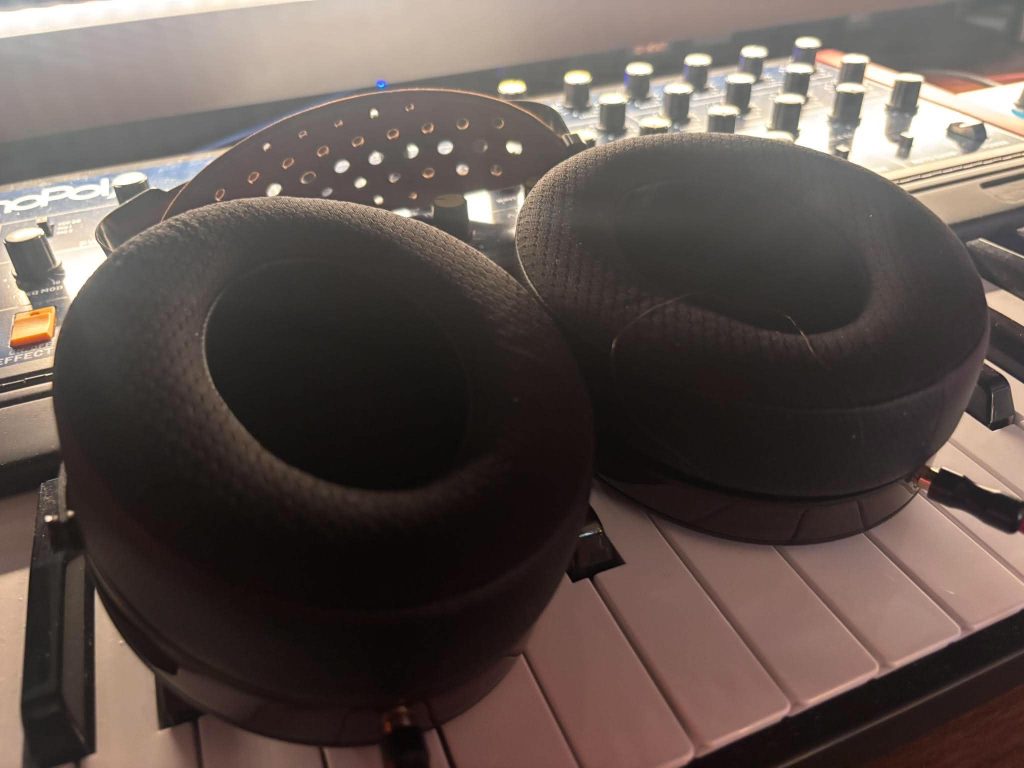
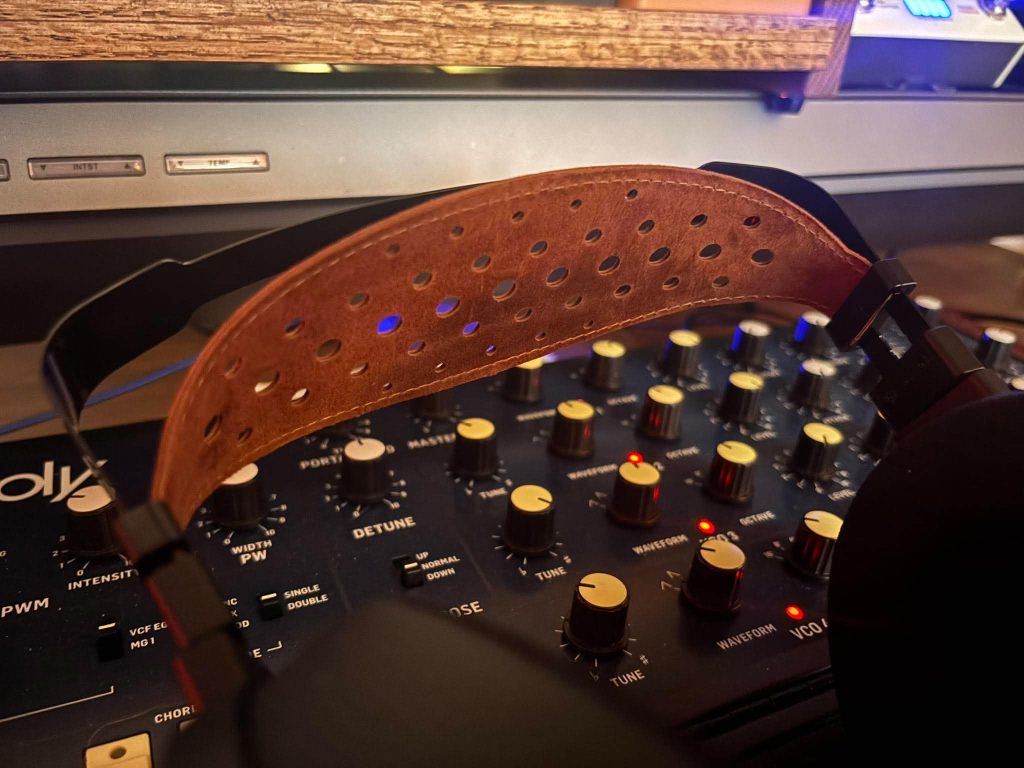
The stepless adjustment offers enough resistance to stay in place, which is preferable to the loose click-style systems found on some competing planars. I like that choice because a headphone this large needs a precise fit, and a sloppy adjustment system would make the mass harder to ignore during longer use.
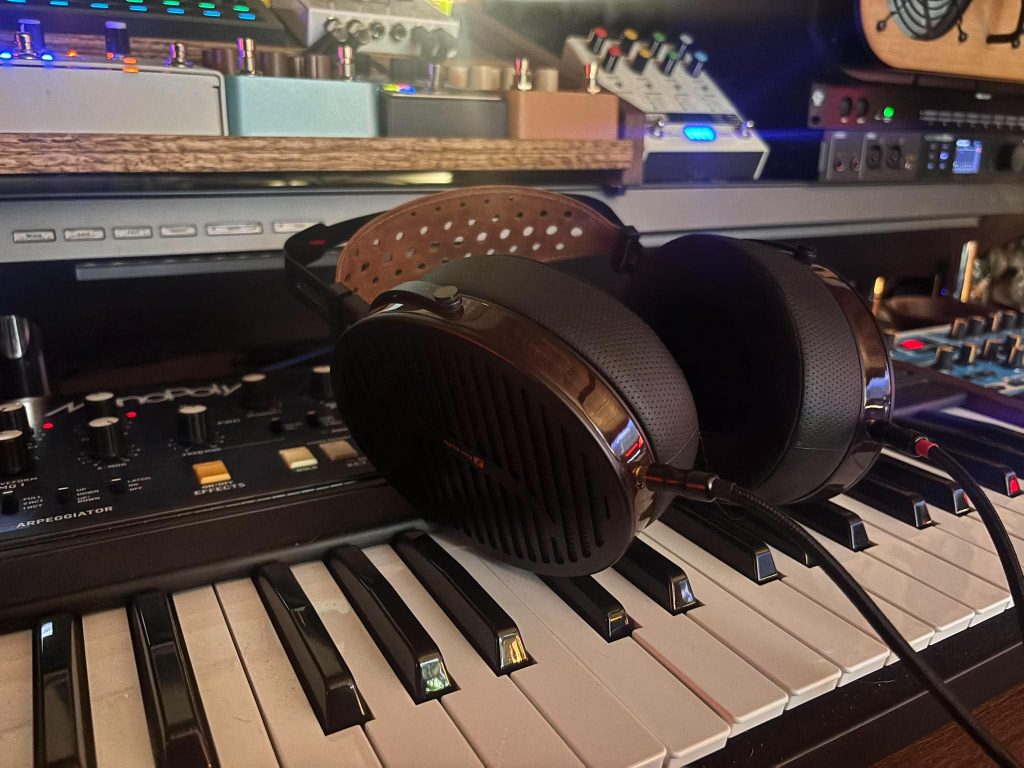
The cups are physically huge, like massive, even for an open-back planar, and the side design may be a little too logo-forward depending on personal taste. From a few feet away, the i5 looks premium and purposeful. Up close, some of the branding and finish choices may feel less refined than the established high-end models it is clearly trying to sit near. Even with that said, the general build lands as one of the i5’s clearest wins, especially when judged against other large planars in the same general price class.
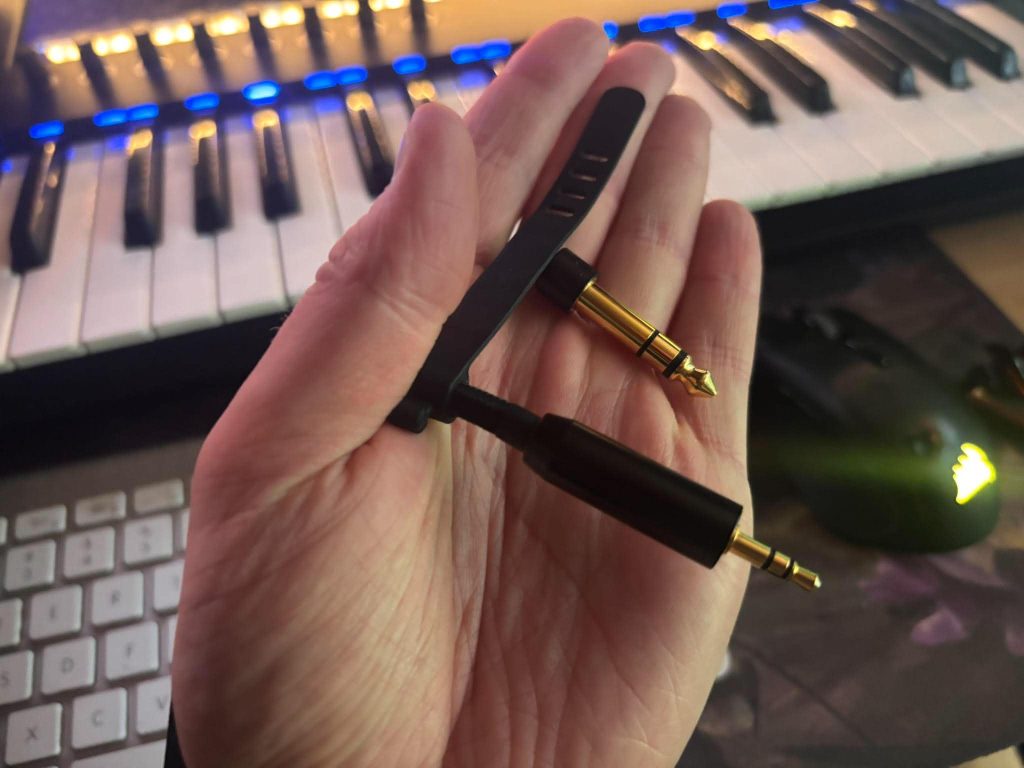
The detachable cable system also supports long-term ownership, as cables fail and connectors wear out; the ability to replace the cable without servicing the full headphone is really amazing.
The i5 uses detachable cabling with 3.5mm connectivity, which should make replacement or aftermarket cable options easier to find than with a proprietary cable system.
Comfort And Fit During Longer Listening

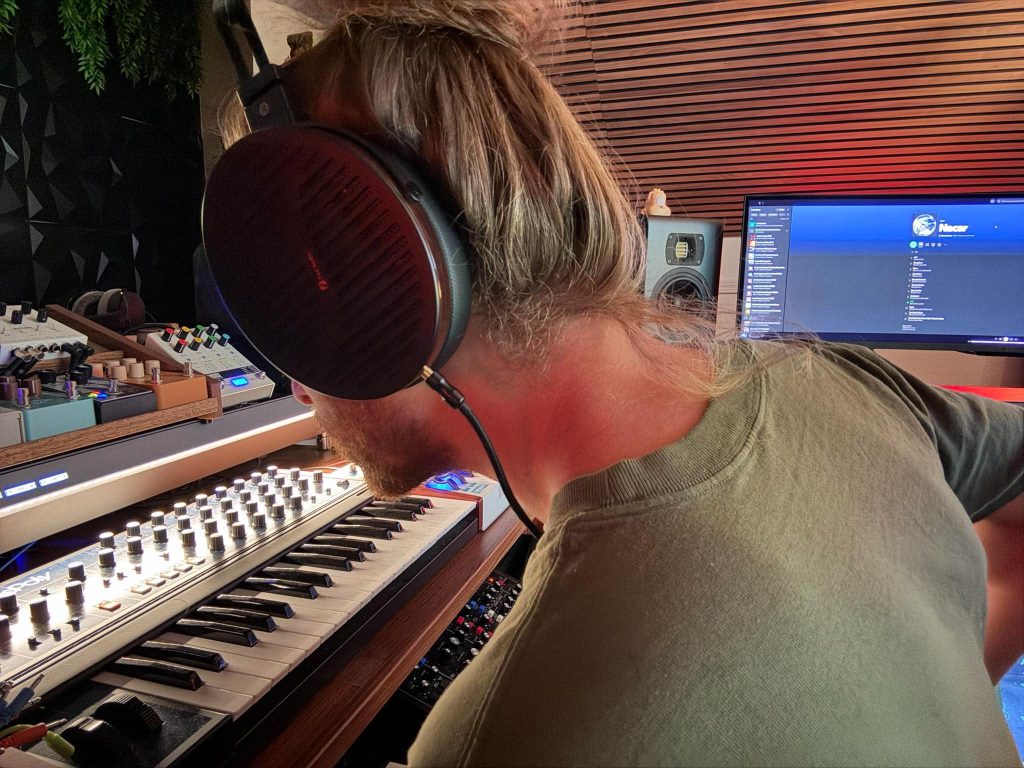
Comfort may be the biggest surprise here, because the i5 is heavy on paper, with published weight figures landing around the low-to-mid 500g range depending on the listing, and that number alone would usually make me nervous about long listening blocks. In practice, mostly because the pads are huge, the cups fully surround the ear, and the headband strap does a good job spreading out the mass.
Clamp force also seems well judged. The i5 appears secure enough to stay in place at a desk without creating an obvious pressure issue around the jaw, and the headband strap keeps the top of the head from taking the full load at once. That is damn important on a headphone this large because the mass never fully disappears, even when the fit is “good.”
Sound Quality Overview
The i5 has a large, open, fast presentation, and the tuning feels as if it were designed for people who want space, separation, and detail before anything else. I hear it as a headphone with a very clear identity, because it gives you a lot of information across the stage and it makes instrument placement easy to follow, although the low end, midrange body, and treble balance all depend heavily on the chain feeding it and the type of music playing through it.
Daaaaa Bassss
The bass is fast and controlled, and I like that it stays out of the way of the midrange instead of smearing into the rest of the headphone’s presentation.
It has enough low-end presence to keep music from feeling thin, and bass lines come through with good shape and movement, although the i5 does not hit with the sub-bass pressure that its physical size might lead you to expect. I hear the low end as focused on speed, texture, and separation, so it works better for clarity than for physical impact, which makes electronic drums feel tighter than acoustic drum kits in a lot of cases.
Daaaaaa Mid Range
The midrange is clear and open, and I think that is where the i5 starts to show its personality. Vocals can sit in the center with good placement; acoustic guitars come through with plenty of string detail; and layered instruments have enough room around them to keep the arrangement readable. The piano can feel a little lighter than I would ideally like, and the male vocals can occasionally use a little extra body, so I would not call the i5 a thick or intimate headphone. It gives me a midrange that is easy to read rather than one that pushes every vocal forward with extra density.
And The Treble…
The treble brings a lot of the headphone’s detail into focus. Cymbals, acoustic guitar edges, upper percussion, brass, and reverb tails are all easy to follow, which gives the i5 much of its open feel. The tradeoff is that brighter vocals and sharper masters can bring out more edge than I want during longer listening blocks, especially if the source chain already leans clear or forward up top.
I would be careful with pairing here because a smoother DAC or amp can help the i5 feel fuller and easier to listen to, while a brighter chain can make the upper range too obvious.
Stereo Field
Imaging and stage size are where the i5 is easiest to understand.
The large pads, open-back design, and driver distance give the headphone a wide presentation with clear placement, making it easy to follow percussion, guitars, vocals, and room information across the stereo field. I would avoid overselling it as endlessly huge because the stage still depends on the recording, although the i5 does a very good job spreading information out and letting each part of the track occupy its own spot.
That also makes the i5 useful for gaming. If a headphone can place percussion, vocals, guitars, and room reflections clearly in music, it can usually handle positional cues in games with the same type of accuracy, and the i5 has enough image stability to make direction and distance easy to read in open environments.
Amplification And Source Pairing
The i5 is easier to get loud than I expected for a large planar headphone, especially with its 28-ohm impedance and 98 dB/mW sensitivity, although I still think it deserves a capable source if you want to hear what makes it interesting. A phone dongle or small portable source may get the job done in a basic sense, and that is useful for casual listening, although a proper desktop amp gave the headphones better control, better low-end grip, and a steadier center image in my setup.
I like the i5 most with a source chain that adds a little body and smoothness. Smoother DACs, Class-A amps, tube hybrids, and fuller desktop chains may help fill out the presentation if the headphone feels too clear or lean in your setup. A cleaner, brighter chain can bring out detail and imaging, although it can also make the treble easier to notice during longer listening sessions.
I would be careful with OTL tube amps because the low-impedance load may create a poor match, and I would also avoid judging the i5 too quickly based on a weak headphone output. This is the kind of headphone that gives you a different read as the source improves, and that is part of its appeal. It can work from a simpler gear, although it feels more complete when the amp has enough control to keep the bass firm and the imaging steady.
That is why I see the i5 as a better second serious headphone than a first one for many people. If you already know your source chain and the kind of presentation you like, the i5 gives you a specific experience to work with. If you are still learning your preferences, it may take a little longer to separate the headphone’s tuning from the character of the gear feeding it.
Price Fit At $549.99

At $549.99, the i5 sits in a serious category because buyers can compare it against established open-back planar and studio-focused headphones from brands with longer headphone histories. That means the i5 has to win through build, comfort, stage size, driver speed, and character, and I think it does that pretty well for the right person.
I think the i5 makes the most sense for someone who wants a large open-back planar that feels premium in hand and gives music a broad, detailed presentation. It can def compete above its price point in build and scale, and it has enough technical performance to get attention from people who might otherwise ignore a first-generation headphone.
The recommendation gets a hell of a lot easier at discount or campaign pricing. which im sure will inevitably come at some point. At full retail, I still think the value is fair, although it becomes less automatic because the tuning has clear tradeoffs, the bass does not fully match the physical scale of the driver and cups, and the stock cable could be better.
The best buyer is someone who listens at a desk, owns a decent amp, likes open-back planars, and wants comfort, imaging, and fast detail. The wrong buyer is someone who needs isolation, deep sub-bass force, a small, portable headphone, a vocal-tracking headphone, or a safe one-headphone solution.
Pros And Cons
The main pros are easy to identify. The i5 has a large 97mm planar driver, a premium material set, a sturdy frame, huge pads, a comfortable suspension system, detachable dual 3.5mm cabling, low listed distortion, a spacious open-back presentation, and enough speed and detail to feel serious in its category.
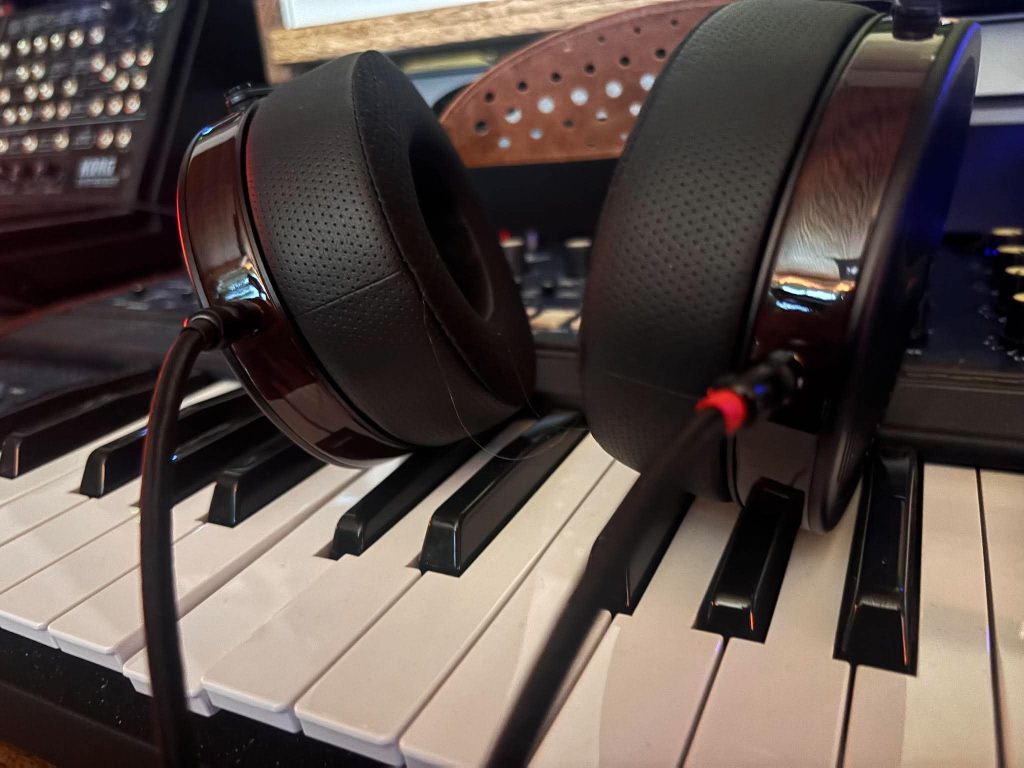
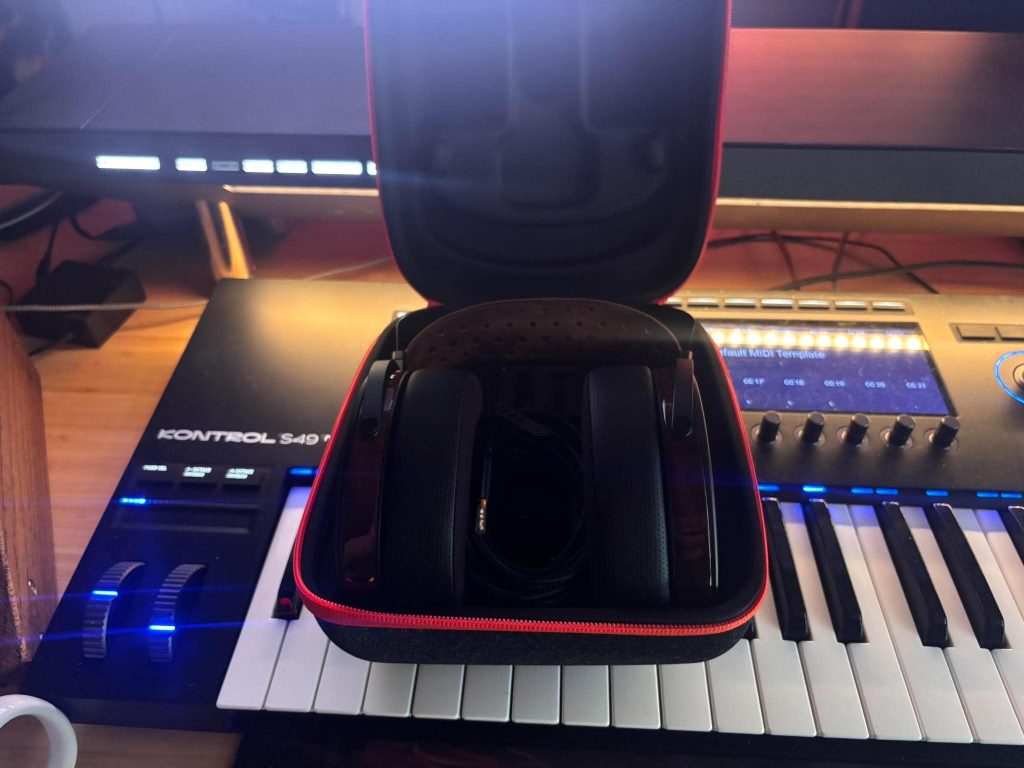
The main cons are also clear. The physical size will turn some people away, the mass may cause fatigue for some listeners, smaller heads may struggle with fit, the open-back design leaks sound, the stock cable ergonomics could be better, the accessory set feels thin without a proper case, and the tuning may leave some listeners wanting thicker mids, heavier bass impact, or a flatter reference profile.
Final Verdict On The Fosi Audio i5
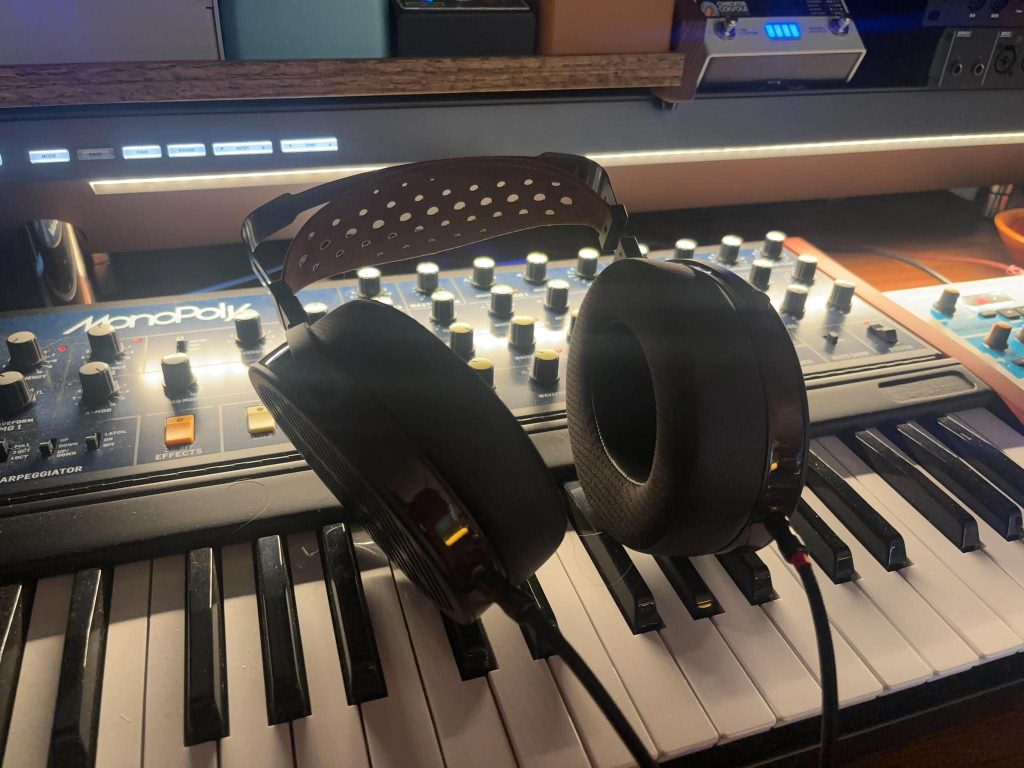
The Fosi Audio i5 feels like a serious first headphone release from a company that clearly wanted to enter the category with something people would notice. It is large, comfortable, technical, and better built than I expected, and its best traits show up quickly: scale, image placement, driver speed, and the sense that the headphone gives the music room to spread out.
I would avoid calling it a universal pick. The bass can feel lighter than the physical size suggests, the midrange can read as clear rather than full, the treble may be smooth in one setup and too present in another, and the headphone benefits from the right source chain. Those caveats are real, and they keep the i5 from being a simple recommendation for every listener.
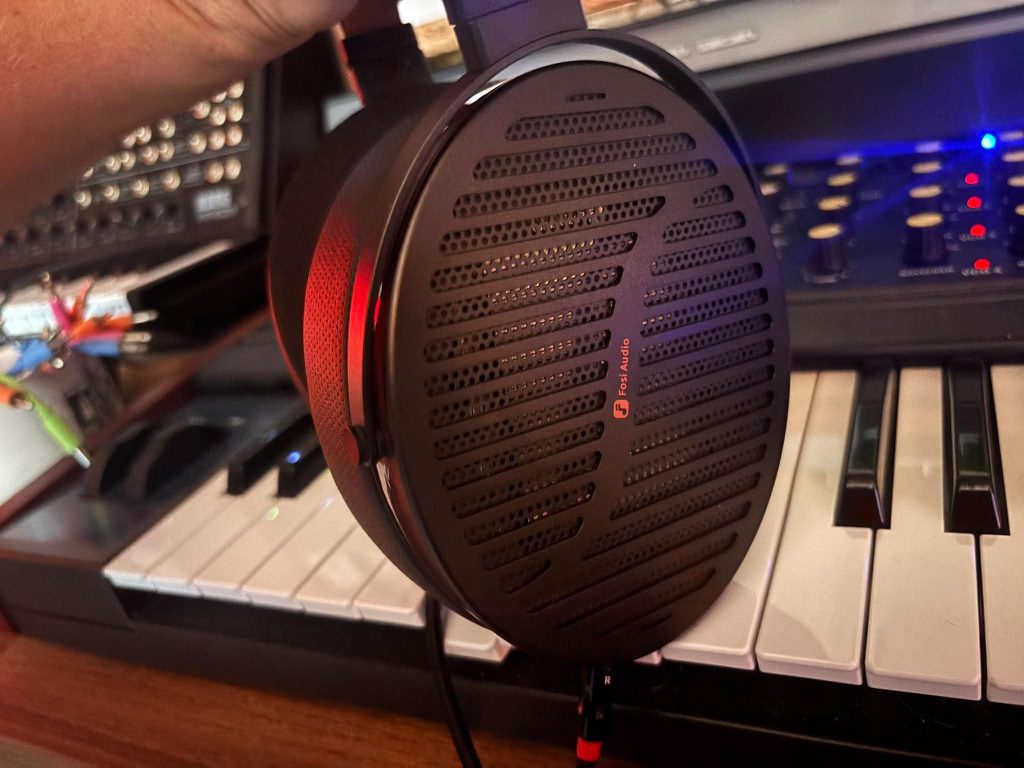
For the right person, the i5 has a clear appeal.
If you want a large open-back planar for home listening, gaming, acoustic music, detailed instrumental work, and production checks around space and placement, this headphone deserves serious attention. If you already own a solid amp and are comfortable with a large frame, the i5 offers a lot to work with for the money.
The i5 is easy to praise and harder to blindly recommend, which usually means the product has a specific point of view. Fosi made a headphone with clear strengths, clear tradeoffs, and enough technical performance to make me interested in what they do next. If the next version keeps this build and comfort while improving bass consistency and tonal density, Fosi could become a much bigger name in full-size headphones than people may expect.

Will Vance is a professional music producer who has been involved in the industry for the better part of a decade and has been the managing editor at Magnetic Magazine since mid-2022. In that time period, he has published thousands of articles on music production, industry think pieces and educational articles about the music industry. Over the last decade as a professional music producer, Will Vance has also ran multiple successful and highly respected record labels in the industry, including Where The Heart Is Records as well as having launched a new label with a focus on community through Magnetic Magazine. When not running these labels or producing his own music, Vance is likely writing for other top industry sites like Waves or the Hyperbits Masterclass or working on his upcoming book on mindfulness in music production. On the rare chance he's not thinking about music production, he's probably running a game of Dungeons and Dragons with his friends which he has been the dungeon master for for many years.