What We’ll Cover
Restaurant background music can change how a restaurant feels before a guest has read the menu, spoken to a server, or taken the first sip of a drink. That may sound obvious, yet many restaurants and cafés still treat music as a last-minute operational detail. Someone opens a playlist, connects a phone, and hopes the room feels right… But oftentimes, there’s always that small sonic vibe that feels off.
The issue is that music affects pace, mood, perceived service quality, dwell time, table turnover, brand memory, and even the type of food a guest may order; all of which affect the overall ticket price and bill of the customers (AKA the lifeblood of your restaurant)
For restaurants and cafés, the real question is not simply what music sounds good, but instead is how the sound in the room supports the guest experience you are trying to curate. A quick-service lunch spot needs a different sound plan than a wine bar, a brunch café, a bakery, or a late-night cocktail room. The same venue may need several approaches across the day.
Research has connected background music with dining duration, spend, tipping, satisfaction, perceived authenticity, and food choice. A 2024 restaurant study examined how slow and fast music affected dining duration, bill size, and tips, giving operators a current look at how tempo can influence behavior inside a dining room. Research on ethnic restaurants has also found that background music can shape perceived authenticity, satisfaction, and behavioral intention, pointing to a bigger truth about hospitality: sound helps guests understand the kind of place they have entered.
Restaurant Background Music Sets The First Expectation
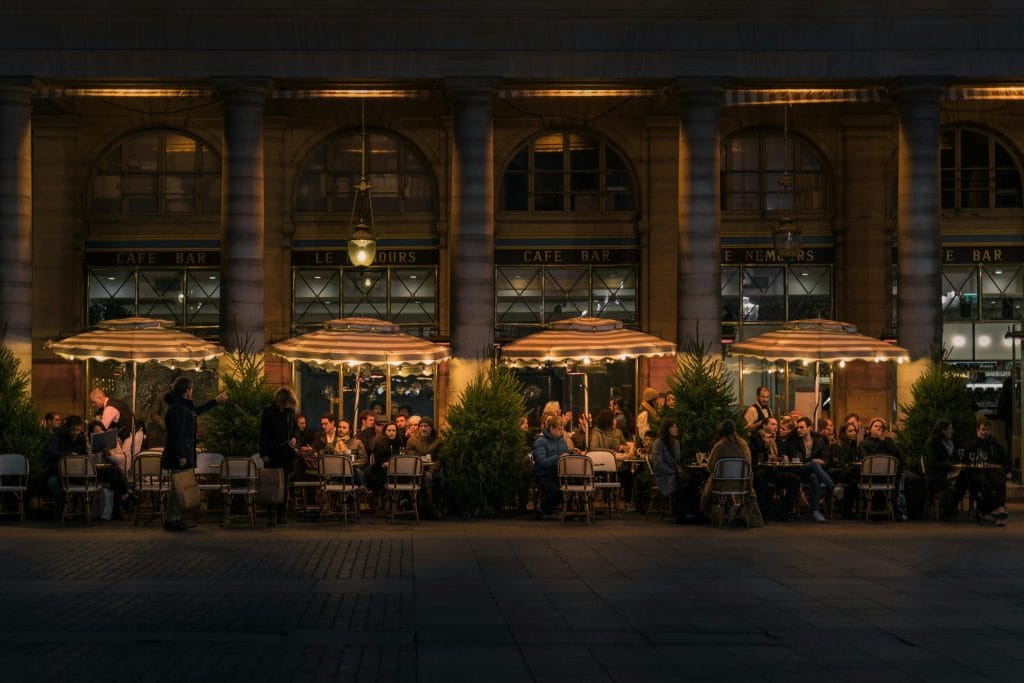
The first few seconds inside a restaurant carry a lot of information. Guests notice lighting, temperature, smell, staff energy, crowd density, and sound. Music is part of that first impression because it tells the guest how to behave in the space.
A café playing calm acoustic music at a low volume lets people read, work, or have quiet conversations. A fast-casual counter-service restaurant with brighter, faster music signals to people that the room has movement and speed. A date-night restaurant with a lower-tempo jazz, soul, or left-field electronic music sets the tone that the meal can take time.
This is where the customer experience begins. Music can make a room feel controlled, rushed, personal, generic, relaxed, or disorganized. A playlist that clashes with the menu, décor, and price point creates friction. A café with careful food, thoughtful service, and harsh, high-volume music can feel misaligned. A restaurant with a premium wine list and a random playlist can make the service feel less considered, even if the staff is doing everything right.
Tempo Tells That Pace
Tempo is one of the best tools restaurants can use.
Faster music tends to facilitate faster movement, while slower music can encourage a longer visit. This does not mean slow music always creates higher revenue or fast music always improves table turnover. It means tempo should match the business goal of the daypart.
Lunch service may need steady turnover, especially in cafés near offices or restaurants with a short peak window. Dinner service may benefit from a slower pace, especially when drinks, desserts, and extra courses are among the space’s biggest revenue drivers. A wine bar may want guests to stay longer, order that one more glass, and really have a chance to settle in.
By comparison, a crowded coffee shop on a weekday morning may need music that keeps the room moving without making the space feel stressful, without having to rely on increasingly smaller table sizes as a subtle nod that your customers need to GTFO (Starbucks really can’t seem to catch any good press these days).
The strongest operators think of tempo as part of service design. During opening hours, softer and slower music can help ease the room into the day. During lunch, a slightly quicker pace can support movement. During dinner, music can slow down again. Late-night service can bring in a higher-energy sound without turning the room into a club. Moodby’s restaurant platform, for example, includes service-period scheduling and zone control for restaurants, bars, terraces, and dining rooms, which are the kinds of practical features that help operators match music to the actual rhythm of service.
Volume Changes Everything
Volume may be even easier to get wrong than song choice. A track can fit the brand perfectly and still damage the experience if the level is too loud for the room. Restaurants have a unique problem here because sound builds quickly. Conversations, glassware, espresso machines, kitchen noise, HVAC, footsteps, and chairs all add to the room level. Music that sounds fine before service can become too loud once the room fills.
Volume affects the customer experience because it determines how hard people have to work to communicate, which is something to keep in mind, especially as customer demographics change throughout the day (older customers during the lunch hour compared to younger crowds for happy hour and evening cocktails). A café that wants remote workers and casual meetings needs enough music to soften the room, without forcing people to raise their voices. A restaurant built around groups can tolerate a higher level, yet it still needs enough space in the mix for conversation.
There is also research connecting volume with food choices.
A study by Dipayan Biswas found that lower-volume ambient sound was associated with healthier food choices, while higher-volume sound increased excitement levels and was linked with less healthy choices. For restaurant owners, the takeaway is practical. Sound level does not operate in isolation. It changes arousal, attention, comfort, and decision-making.
Genre As Branding
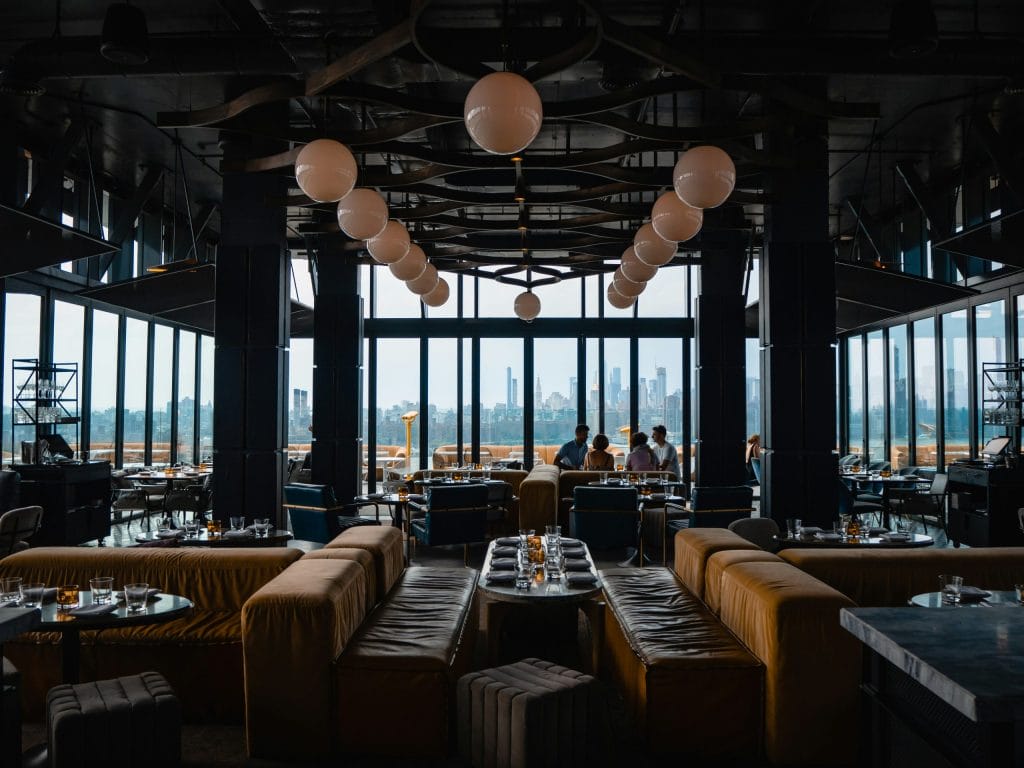
Genre is where many restaurants get too casual or try to do too much, which derails the whole vibe.
The owner may like one style, the bar manager may prefer another, and the staff may rotate playlists based on whoever is working. That can be fine in a small neighborhood café with a clear personality, yet it can also create an inconsistent customer experience.
The sound should match the venue’s promise. A bakery focused on morning traffic may need warm, low-distraction music. A modern Japanese restaurant may use minimal electronic, jazz, ambient, or carefully selected instrumental music. A casual taco spot may benefit from Latin-influenced programming with enough energy for groups and quick service. A hotel restaurant may need a softer approach at breakfast, a more social tone at dinner, and a cleaner lounge direction later in the evening.
This is especially important for restaurants built around regional cuisine or specific cultural references. Research on ethnic restaurants found that background music can affect perceived authenticity, which in turn relates to satisfaction and behavioral intention. That does not mean every restaurant needs obvious cultural music. It means the room’s sound should support the culinary concept without feeling disconnected from the rest of the experience.
The Perception Of Waiting
Waiting is part of hospitality, and if it’s treated only as a means to an end, it can be a big missed opportunity.
Guests wait for tables, drinks, food, checks, bathrooms, and takeout orders. Music cannot fix slow service, yet it can change how that wait feels.
Silence makes small delays feel exposed. Harsh music can make delays feel worse. The right background music gives the room continuity and keeps guests from focusing on every passing minute. This is especially useful in cafés where customers wait near the counter, in quick-service restaurants with pickup shelves, and in full-service rooms where kitchen timing can vary.
The goal isn’t to create a distraction-free room so much as to create a room that feels managed. Guests are usually more patient when the environment feels considered, and music is one of the easiest ways to create that sense of control.
Licensing Is Part Of The Customer Experience
Music licensing may sound like a back-office issue, yet it has direct customer-facing consequences. If a restaurant relies on a personal streaming account, the business may be using music outside the scope of that account’s license. Moodby’s restaurant page states that personal Spotify or Apple Music accounts are licensed for private use and are not appropriate for commercial public performance.
A proper business music service solves two problems at once. It provides the venue with legal coverage and the operator with a controlled system for playlists, scheduling, zones, and staff permissions. That matters for consistency. A restaurant group with three locations should not sound completely different at each site unless that choice is intentional.
How Restaurants And Cafés Should Build A Music Plan
The first step is service periods
Breakfast, lunch, dinner, late-night, and weekend brunch all need different settings. A café may want softer music in the morning, a clearer mid-tempo sound around lunch, and a warmer tone in the afternoon when people settle in with laptops. A restaurant may want a slower dinner pace during early reservations, a little more energy during peak hours, and a cleaner after-dinner sound near the bar.
The next step is zoning.
A patio, dining room, bar, and private dining room may need different volume levels or different playlists. The music near the espresso machine may need a different level than the music in a corner booth. In a restaurant with several rooms, a single central playlist at a single volume can create uneven results.
The last step is regular review.
Operators should listen during service, not before doors open. The room changes once guests arrive. Check the volume from the host stand, the center of the room, the bar, the bathroom hallway, and the tables closest to the speakers. Ask staff where communication becomes difficult. Pay attention to when guests raise their voices. Adjust from the room, not from the phone.
Background Music Should Support The Room
Background music affects the customer experience in restaurants and cafés by influencing pace, comfort, perceived quality, brand fit, waiting time, staff workflow, and commercial compliance. It is one of the few tools that a venue can change quickly, test across service periods, and manage without redesigning the room or rewriting the menu.
The best results come from treating music as part of the hospitality experience. Pick music with the same care you bring to lighting, menu design, seating, and service timing. Match tempo to the pace you want. Keep the volume comfortable enough for conversation. Use genre to support the concept. Review the room during real service. Use a licensed platform such as Moodby when you need a simple way to manage playlists, zones, scheduling, and compliance.
Restaurants and cafés already compete on food, service, design, and price. Sound is part of that same experience. When it is handled with intention, guests feel the difference before they can explain why.

Will Vance is a professional music producer who has been involved in the industry for the better part of a decade and has been the managing editor at Magnetic Magazine since mid-2022. In that time period, he has published thousands of articles on music production, industry think pieces and educational articles about the music industry. Over the last decade as a professional music producer, Will Vance has also ran multiple successful and highly respected record labels in the industry, including Where The Heart Is Records as well as having launched a new label with a focus on community through Magnetic Magazine. When not running these labels or producing his own music, Vance is likely writing for other top industry sites like Waves or the Hyperbits Masterclass or working on his upcoming book on mindfulness in music production. On the rare chance he's not thinking about music production, he's probably running a game of Dungeons and Dragons with his friends which he has been the dungeon master for for many years.