What We’ll Cover
The best background music for restaurants works its magic when guests feel the room has been considered, even if they never stop to analyze the actual music that’s playing (that is kind of the whole point). The music should give the space shape, movement, and identity, then stay out of the way of the actual reasons people came in: conversation, food, service, and the feeling of being in a room that knows what it is doing.
That sounds simple until you try to run it all day…
Breakfast has a different tempo than lunch, just as much as a half-empty dining room needs a different feel than a packed Friday service. A cocktail bar attached to a restaurant can need a different level from the main dining room. Staff playlists can solve the silence problem for a night, then cause licensing, tone, or consistency problems by the end of the week, which might not be noticed by the people who will only ever come to a restaurant once but will stick out like a sore thumb to your would-be regulars, who are the lifeblood of any spot.
The best background music for restaurants comes down to programming, and when done right, the four walls of a restaurant can turn into a go-to spot for families, sports fans, creatives, and everyone in between.
It should be planned with the same level of care as lighting, table spacing, menu pacing, and service flow. Research has backed up that idea for decades. Ronald Milliman’s 1986 restaurant study found that tempo can affect purchases, length of stay, and related customer behavior, and newer field research has continued to show that tempo can change how long guests remain seated.
Start With The Room
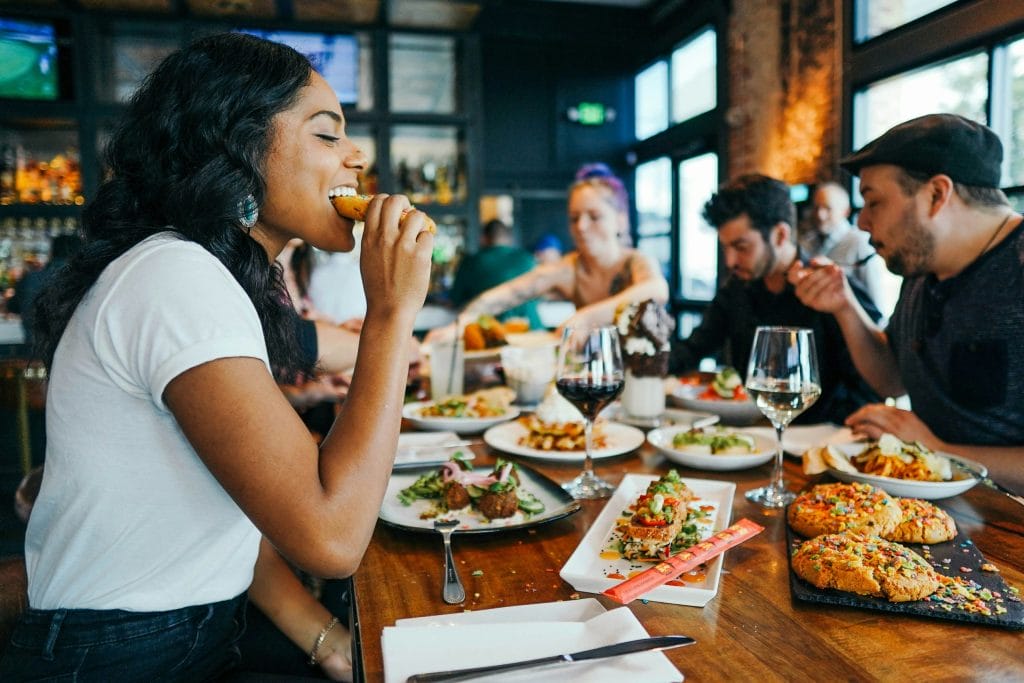
The first mistake is treating restaurant music as a genre decision. Jazz, house, soul, bossa nova, acoustic, disco, funk, and downtempo electronic music can all work in the right joint, but they can also fail in the wrong one. The better starting point is the room itself.
Different Spaces, Different Vibes
A fine dining room usually needs music that keeps conversation clear and avoids demanding attention. A counter-service lunch spot may need a higher sense of motion during peak hours.
A hotel restaurant may need programming that changes across breakfast, lobby traffic, dinner, and late-night drinks.
A neighborhood bar with food may need a slightly higher level once the tables turn from meals into drinks.
Tempo Reigns Supreme
Tempo is one of the cleanest levers. Milliman’s work found that slower tempo music increased time spent in the restaurant and was associated with higher sales compared with faster tempo music. A 2024 field experiment in an Italian restaurant in Tel Aviv also found that guests in the slow-tempo condition spent the longest time in the restaurant, while guests in the fast-tempo condition left the fastest.
That same 2024 study found no difference in bill size across tempo groups, which is useful because it keeps the takeaway grounded. Tempo can affect pace, though it should never be treated as a guaranteed revenue switch.
That distinction is important.
Slow music can help a room feel calmer during dinner service, especially when the business model benefits from guests ordering another round, dessert, or coffee. Faster music can help during lunch rushes or casual service windows where the business needs seats to open up. The choice has to connect to the operational goal of that specific room at that specific time.
Volume Matters
Volume is the second lever. Even the right playlist can feel wrong when the level is off.
If guests raise their voices within the first few minutes, the room is probably too loud. If the room feels empty even when tables are occupied, the music may be too low or too sparse. A good operator should walk the room during service and listen from multiple tables, because the bar, host stand, corner banquettes, and middle tables can all hear the system differently.
The real answer is daypart programming. Breakfast can start softer and cleaner. Lunch can have a little extra motion. Dinner can settle into a slower, warmer pace. Late-night service can move up in energy while still leaving space for conversation. The space should feel consistent, though the pace should respond to the business.
Choose Music That Fits The Brand Without Pulling Focus
The best restaurant playlists have identity without turning the room into a listening session, and that’s actually the hardest part of the whole process. A restaurant should have taste, though the music still has to serve guests who came to eat and talk. If every track stops and starts with a bang, the programming is doing too much.
Vocals are a good example of this!
Lyrics can give a room familiarity and personality, yet they can also compete with conversation. In a room built around date nights, business dinners, or group meals, dense vocals can become tiring. Instrumental music, lightly vocal-led soul, relaxed electronic music, soft jazz, and low-key disco can all work when arranged with restraint. The key is reducing sudden changes in volume, texture, and mood.
Research on background music points to context.
A 2021 study on music tempo and food evaluation found that faster music was linked with higher taste expectations and purchase intentions in its test settings, while the 2024 restaurant field experiment found clearer effects on time spent than on bill amount. Those findings should steer restaurant owners away from one-size-fits-all claims. A playlist that helps a lunch concept may feel out of place in a chef-led dining room. A slow dinner playlist may work well during seated service and then drag down a bar program after 10 p.m.
How To Keep Programming Consistent With Moodby
Programming also needs consistency across staff changes. One manager may prefer deep cuts while another may lean toward pop. A bartender may want the room louder but the serving staff may lower the level because one table complained. None of those moves is irrational on its own, yet the guest experience gets uneven fast when there is no system.
That is where a professional business music service can help.
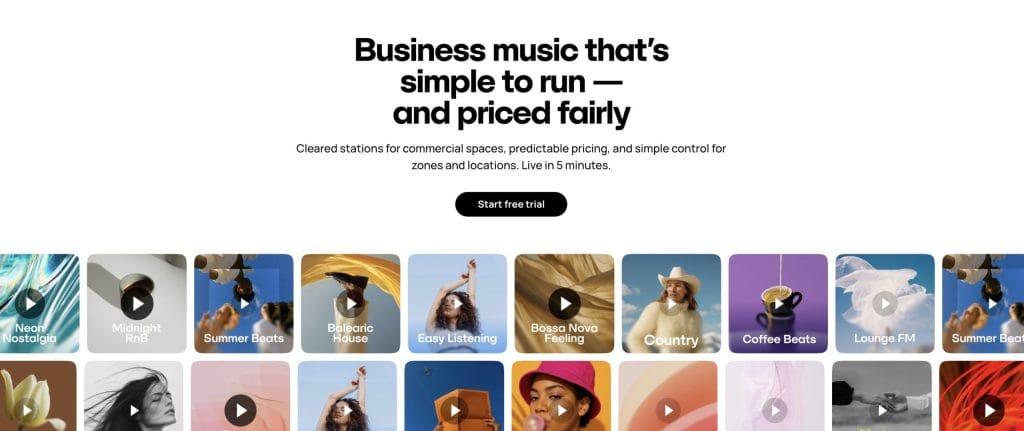
For restaurants that need licensed music, curation, scheduling, and multi-location control without building every playlist internally, Moodby is one of the best options. Moodby is a streaming platform for business environments, including restaurants, cafes, hotels, and stores, with curated playlists, commercial-use clearance, proof of compliance, and multi-zone or multi-location control.
The Biggest Thing You Need To Be Mindful Of
The licensing piece deserves real attention. Personal streaming accounts are designed for personal use, and Spotify states that its service cannot be broadcast or played publicly in businesses such as restaurants, bars, schools, stores, and salons. That means a restaurant using a personal account is solving the music problem in a way that could create legal and operational problems later.
Good restaurant music programming should remove those weak points. The owner or manager should know what is playing, why it fits the room, how it changes across the day, and how it stays compliant. The guest should only feel that the space has been set up with care.
Build A Programming System, Then Adjust It During Service
A restaurant playlist should be treated as an operating system for the room. It needs rules. It needs timing. It needs adjustment. The best results usually come from a clear framework rather than constant manual tinkering.
Start with three core dayparts: opening, peak service, and late service. Opening music should help staff and early guests settle into the room. Peak service should match the dining format and table-turn needs. Late service should respond to the crowd, lighting, and alcohol mix without turning the restaurant into a club unless that is the actual concept.
From there, build a simple programming map!
A casual cafe might use warm instrumental music early, brighter soul and funk-adjacent selections at lunch, then relaxed electronic music in the afternoon. A dinner restaurant might start with mid-tempo music at the bar, move more slowly in the main dining room during reservations, then increase the pace after dessert service. A restaurant group can use the same logic across locations while adjusting level, genre, and tempo to fit each room.
Managers should also watch the room rather than the playlist.
Are guests staying longer than expected during peak demand? Are tables finishing quickly during periods where the restaurant would prefer add-on sales? Are servers struggling to hear orders? Are guests leaning forward to talk? These are practical signals. They tell you when the room needs a level change, a tempo change, or a tighter separation between bar and dining zones.
A useful system also protects staff from having to make every music decision under pressure. Staff should have enough control to skip a track that feels wrong, lower the level for a private event, or adjust the room during a rush. They should still operate inside a defined lane. That protects consistency without turning the music into a rigid corporate playlist.
The Final Test Of The Best Background Music For Restaurants
The final test is simple: can guests talk, can staff work, and does the room feel intentional from open to close? If the answer is yes, the restaurant is using music correctly. The playlist has a point. The level fits the room. The tempo matches the service model. The licensing is handled. The music adds structure without taking attention away from the guest experience.
That is what the best background music for restaurants should do. It should guide the room, help the business run smoothly, and keep the main focus where it belongs: the food, the people, and the service.

Magnetic byline note: This byline is used for staff produced updates and short announcements, often based on press materials and official release information. Editorial responsibility: David Ireland (Editor in Chief) and Will Vance (Managing Editor). About: https://magneticmag.com/about/ Masthead: https://magneticmag.com/masthead/ Contact: https://magneticmag.com/contact/