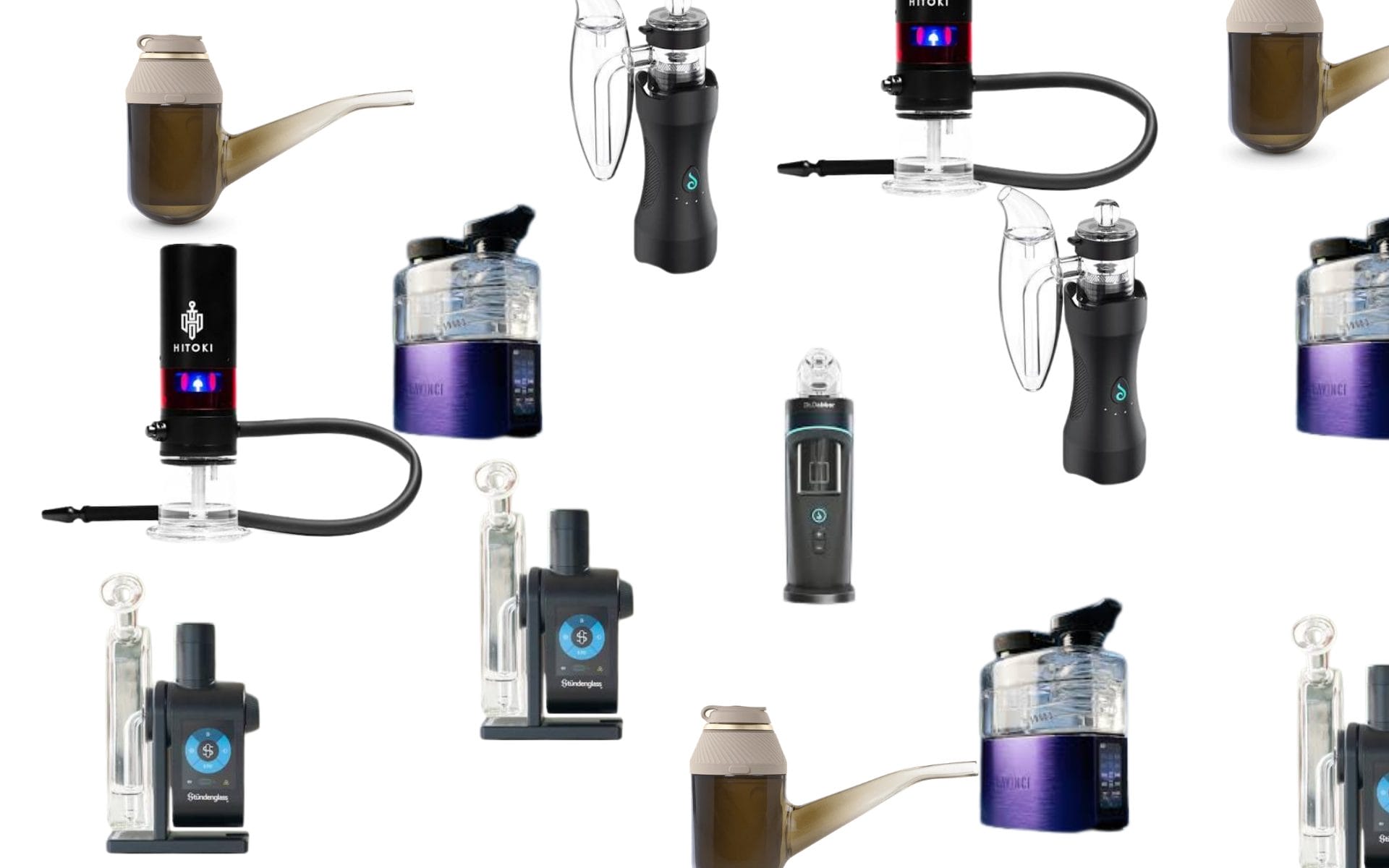
Electronic dab rigs have made concentrates easier to use by removing the torch and giving users direct control over temperature, session length, and vapor output. I have reviewed compact e-rigs, modular vaporizers, desktop concentrate systems, and water-filtered smoking devices from Puffco, Dr. Dabber, DaVinci, Stündenglass, and Hitoki.
Each option in this list has been tested for flavor, heating consistency, cleaning, portability, and routine use. Some are built for short sessions away from home, while larger models prioritize precise temperature control and water cooling. Readers comparing hardware for the first time can also read my breakdown of dab rig size, nail materials, water filtration and percolation before choosing a device.
These are the best vape rigs and dab rigs I have reviewed, with links to the complete reviews for deeper testing notes.
How I evaluate vape and dab rigs
I judge each rig through regular use rather than a short setup test.
Flavor comes first because poor heating, residue buildup, and low-grade chamber materials can quickly alter the taste of a concentrate. I also pay close attention to temperature accuracy, vapor consistency, draw resistance, and the device’s performance on smaller loads.
Cleaning is another major part of every review because I personally HATE cleaning these things… I just wanna toke up, you know? In the same way, I love 3D printing stuff, but I don’t love the fact that it’s kind of universally accepted that repairing the printers just needs to be part of the hobby.
A rig can perform well during its first few sessions and become frustrating if the chamber, glass or airpath requires excessive work after every use. I look at how easily each component comes apart, how quickly residue collects, and what replacement chambers or inserts will cost over time.
Portability depends on the complete setup rather than on the base size alone, because glass attachments, water, loading tools, and cleaning supplies can turn a compact device into a larger travel kit. I also consider battery life, charging time, control layout, and whether an application is required to access important settings.
My final recommendation comes down to how naturally the rig fits into a regular routine and the best options provide repeatable results, clear controls, and a cleaning process that feels reasonable for the type of session they are designed to handle.
The best vape and dab rigs at a glance
| Product | Best for | Portability | Main consideration |
|---|---|---|---|
| DaVinci EQ Jacuzzi Collection | Quartz flavor and detailed control | Best at home | Smaller loads require temperature adjustment |
| Puffco Peak Pro 3DXL | Consistent daily sessions | Transportable with its case | The chamber requires frequent cleaning |
| Dr. Dabber Switch 2 | Desktop heating control | Best at home | Large, expensive and takes time to learn |
| Puffco Proxy | Modular glass attachments | Easy to carry | Water filtration costs extra |
| Dr. Dabber XS | Casual concentrate sessions | Easy to transport | Small chamber and delicate glass |
| Stündenglass Modül Dök | Compact Stündenglass setups | Easy to store | May require compatible hardware |
| Hitoki Trident V3 | Water-filtered flower sessions | Moderately portable | Primarily designed for flower |
DaVinci EQ Jacuzzi Collection
Best for quartz flavor and on-device control
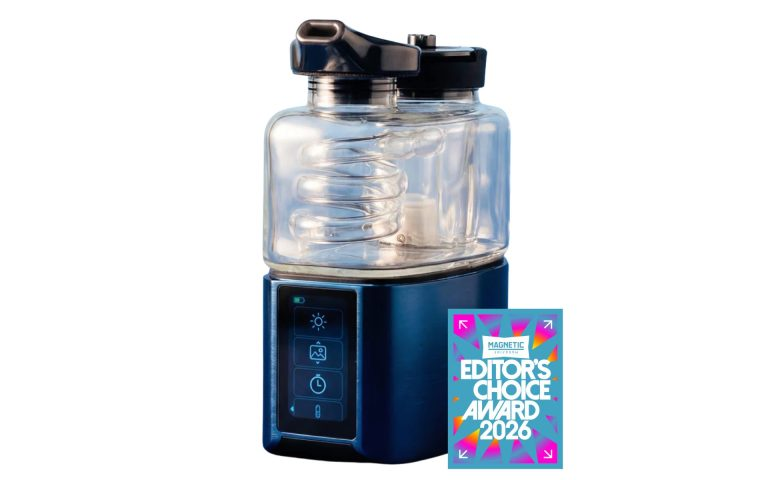
The DaVinci EQ Jacuzzi Collection is the newest e-rig on this list, and it earns an Editor’s Choice award for its quartz heating system, large water bubbler and detailed session controls. This is DaVinci’s first electronic rig made specifically for concentrates, with a removable quartz crucible, quartz atomizer and zirconia mouthpiece.
Flavor is the clearest reason to consider the EQ. The quartz crucible and glass Jacuzzi Bubbler keep the vapor away from coated chamber surfaces, while approximately 60ml of water cools each draw. The visible chamber lets me watch the concentrate melt, check how much remains and spot residue before it hardens.
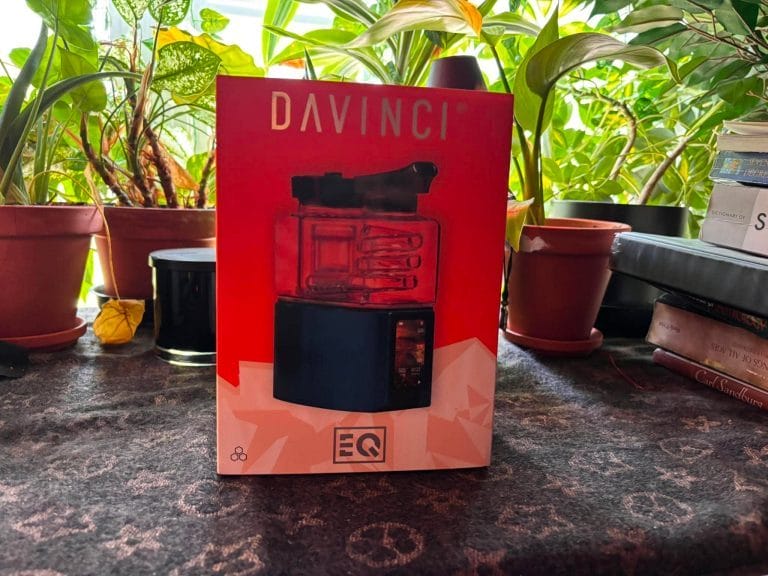
Everything runs directly from the integrated touchscreen. Precision Temperature Mode holds a selected setting between 450°F and 650°F, while four customizable Smart Paths gradually increase the temperature. There is no required phone application, which keeps temperature changes and session adjustments on the device.
The EQ works best as a home system. Its substantial aluminum base, angular shape and large glass attachment encourage me to leave it on a stable table. Lower-temperature sessions produce clean flavor, although smaller loads can create lighter vapor and may require additional carb-cap movement or a hotter finish.
I would recommend the EQ to someone who regularly uses rosin, wants exact temperature control and prefers a larger water attachment. The touchscreen can feel cramped and the $549 price requires consideration, yet the replaceable $24 crucible and $45 heater keep future maintenance costs easy to understand.
Puffco Peak Pro 3DXL

Best for consistent daily sessions
The Puffco Peak Pro 3DXL focuses on refining the functions that made the Peak line so popular. Its larger chamber improves heat retention, handles residue better and recovers quickly during consecutive sessions.
I used this rig during longer studio days when I was moving between calls and production sessions. The vapor stayed consistent over time, which smaller devices can struggle to maintain. The 3DXL chamber also reduces reclaim, although regular cleaning remains important because residue can affect flavor quickly.
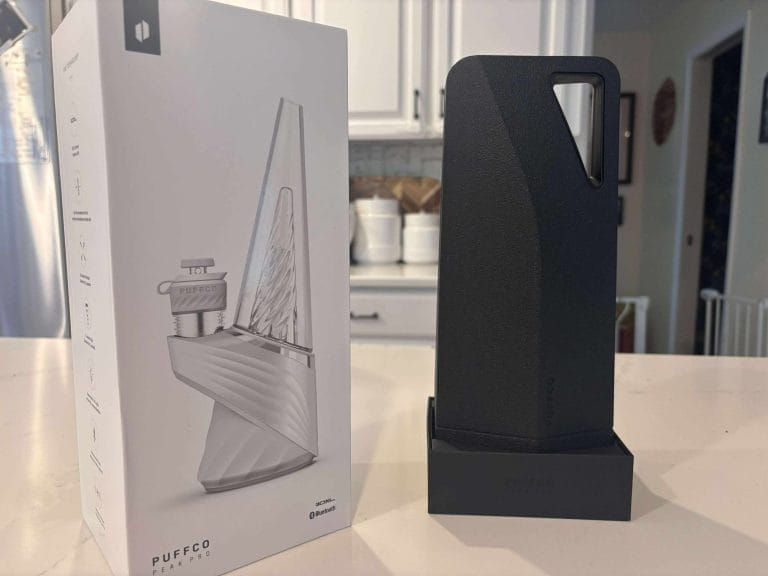
The Puffco Connect app handles temperature profiles, lighting, firmware updates and usage tracking. I rarely need the tracking features, though firmware updates and XL Vapor Mode improve how the hardware performs. A heated loading tool also helps keep concentrate centered and limits residue along the chamber walls.
The mouthpiece requires a slight forward tilt, which can feel awkward when sitting upright. Replacement chambers also add to the long-term cost. Even with those considerations, the Peak Pro 3DXL remains one of my preferred options for session quality, simple operation and repeatable output.
Dr. Dabber Switch 2

Best desktop e-rig for temperature control
The Dr. Dabber Switch 2 is designed for regular concentrate users who care about vapor density, heat precision and customization. It uses omnidirectional induction heating instead of a conventional atomizer, heating the included 20mm quartz insert from the base and sidewalls.
A patented infrared sensor monitors temperature in real time and makes small adjustments throughout the session. This helps prevent hot spots and uneven vaporization. The chamber is 300 percent larger than the original Switch insert, so it can handle conservative loads and larger portions without feeling cramped.

Descent Mode gradually lowers the temperature to approximate a traditional torch session. Ascent Mode supports cold starts, while Steady Mode maintains the selected temperature as the load and draw rate change. The application adds control over temperature profiles, session length and lighting.
This is a stationary device. It measures nine inches tall and weighs close to 26 ounces, which suits a desk or dedicated home setup better than travel. Dr. Dabber claims up to 50 heating cycles per charge, with USB-C charging taking roughly 60 to 90 minutes.
The Switch 2 carries a learning curve and a premium price. Regular users who want precise heating and a large chamber will get the clearest value from it, while someone seeking occasional or portable sessions should consider a smaller model.
Puffco Proxy
Best modular concentrate rig

The Puffco Proxy remains one of the most recognizable modular concentrate vaporizers I have tested. Its base contains the heating hardware, while the removable glass section acts as the mouthpiece and body.
That separation lets owners move the base into compatible glass attachments without replacing the main device. Puffco’s active owner community has also supported a large market for alternate glass, accessories and loading tools. My later article on why people continue to buy the Puffco Proxy covers how that complete ecosystem affects long-term ownership.
The standard Sherlock-style glass arrives ready for use and gives the Proxy a smaller profile than a full water-filtered rig. It handles wax, shatter, crumble and other concentrates, while the included carrying case keeps the base and glass protected during transport.
The compact format does involve compromises. The standard body lacks the deeper water cooling found on larger desktop options, and adding several glass attachments can increase the total cost quickly. For someone who wants one heating base that can move between different pieces, the Proxy remains a clear choice.
Dr. Dabber XS
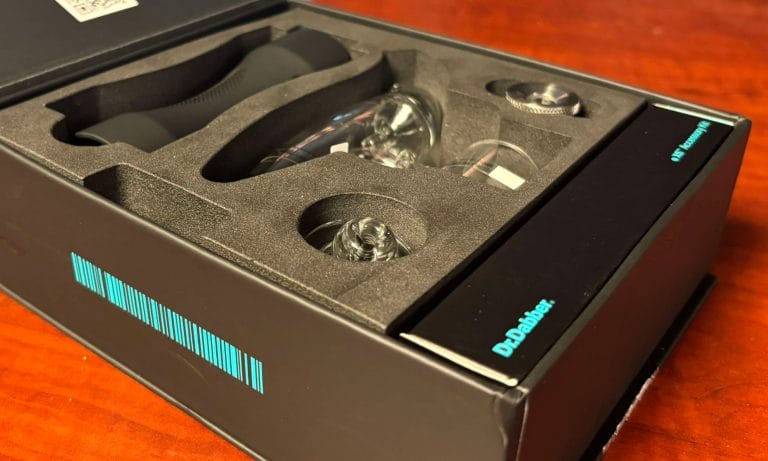
Best compact e-rig for casual use
The Dr. Dabber XS is an approachable portable rig designed for smaller, casual sessions. It includes the main equipment needed to begin, provides several temperature settings and occupies little space in a smoking kit.
Its size makes it much easier to bring to a friend’s house, a campsite or another location where a large desktop rig would create problems. The water attachment provides cooling while keeping the complete setup smaller than the Switch 2 or DaVinci EQ.
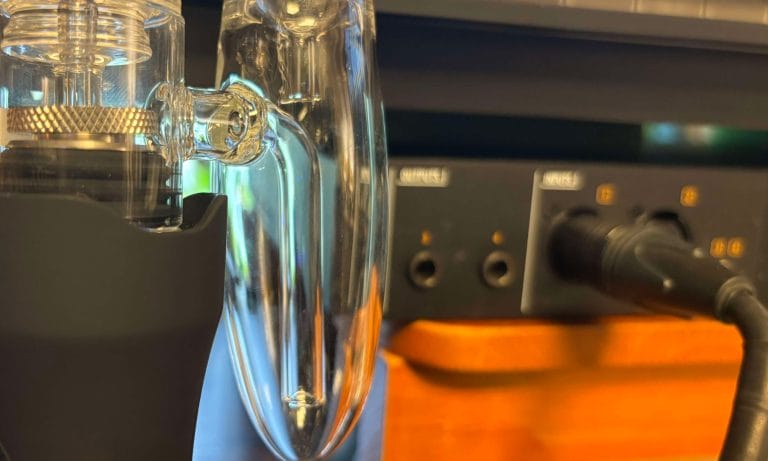
The XS has limits, which are closely connected to its compact design. This is not intended for very large loads or extended group sessions, and the glass needs careful packing during transport. It works best for someone who prioritizes simple controls, a lower purchase price and moderate concentrate use.
Readers deciding between water-filtered hardware styles can also read my comparison of bubblers and bongs, which explains how chamber size, fixed stems and cleaning differ across common glass designs.
Stündenglass Modül Dök
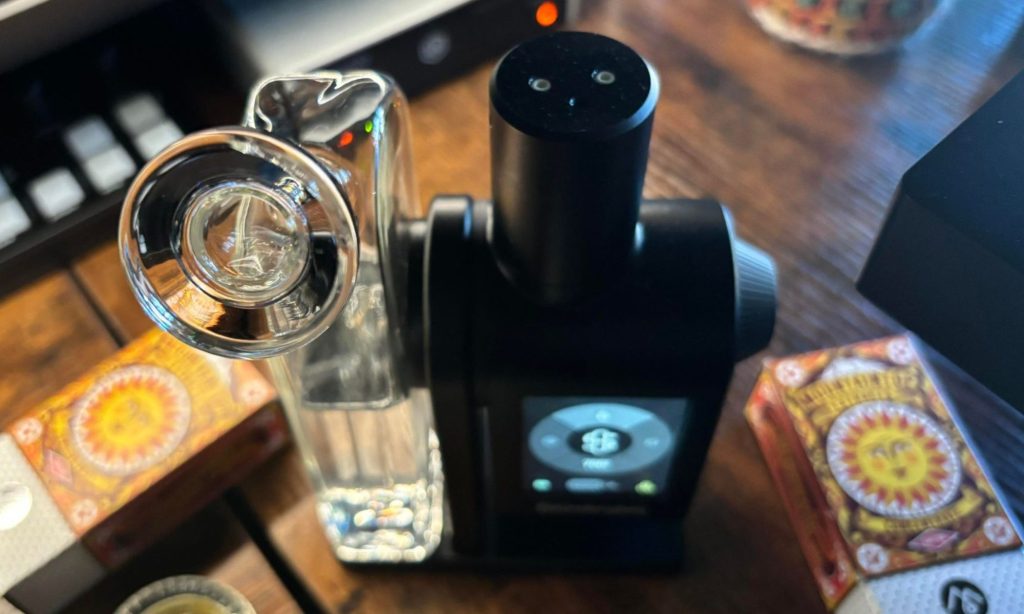
Best compact Stündenglass setup
The Stündenglass Modül Dök provides a compact base for the company’s electronic Modül without requiring one of its full-size gravity systems. It gives the heating module a stable home setup while retaining the precise electronic operation that separates it from conventional pens and torch rigs.
The Dök is especially relevant for someone who likes Stündenglass hardware yet lacks the space or budget for a complete gravity infuser. Its modern desktop presentation feels considered without becoming difficult to operate, and the compact format makes storage easier.
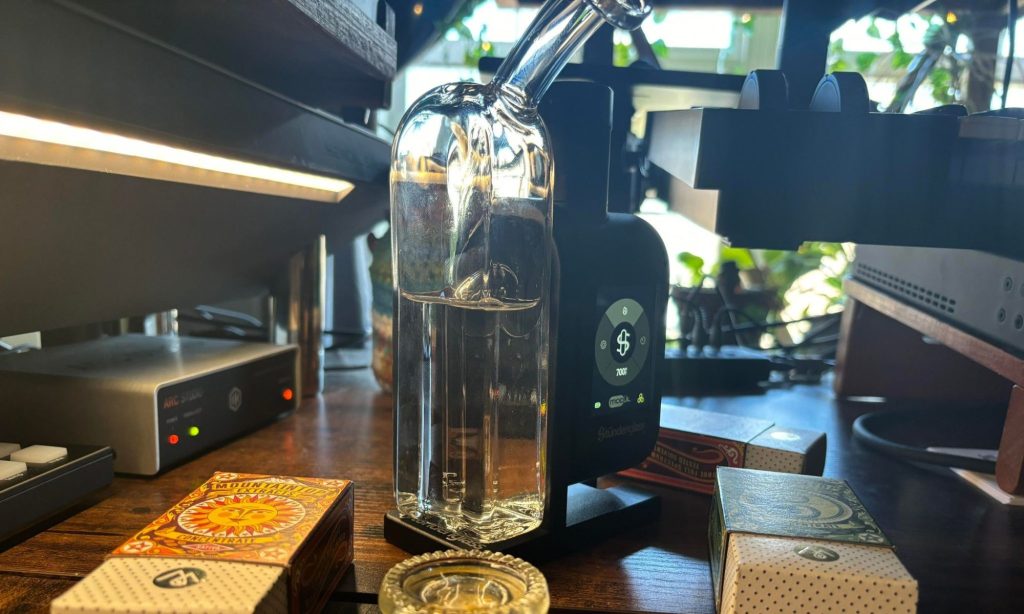
This option fits a narrow buyer. People who already own compatible Stündenglass hardware will get the clearest value, while first-time buyers should calculate the complete cost of the module and dock before ordering. For the right setup, it provides a clean way to use the company’s heating technology from a desk or table.
Hitoki Trident V3
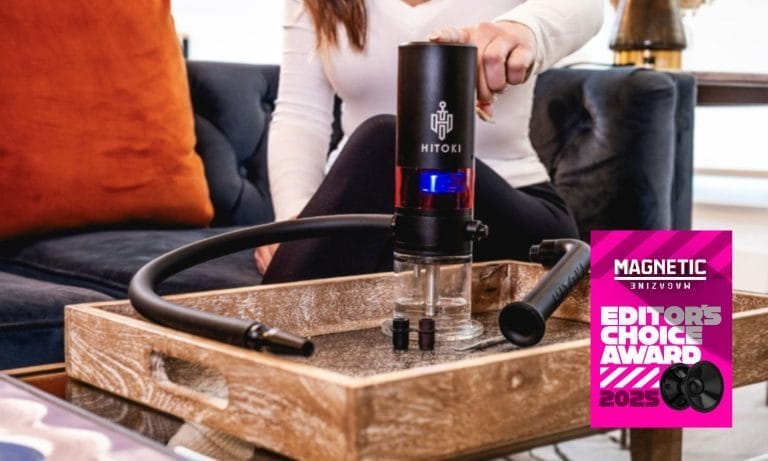
Best flower rig and Editor’s Choice pick
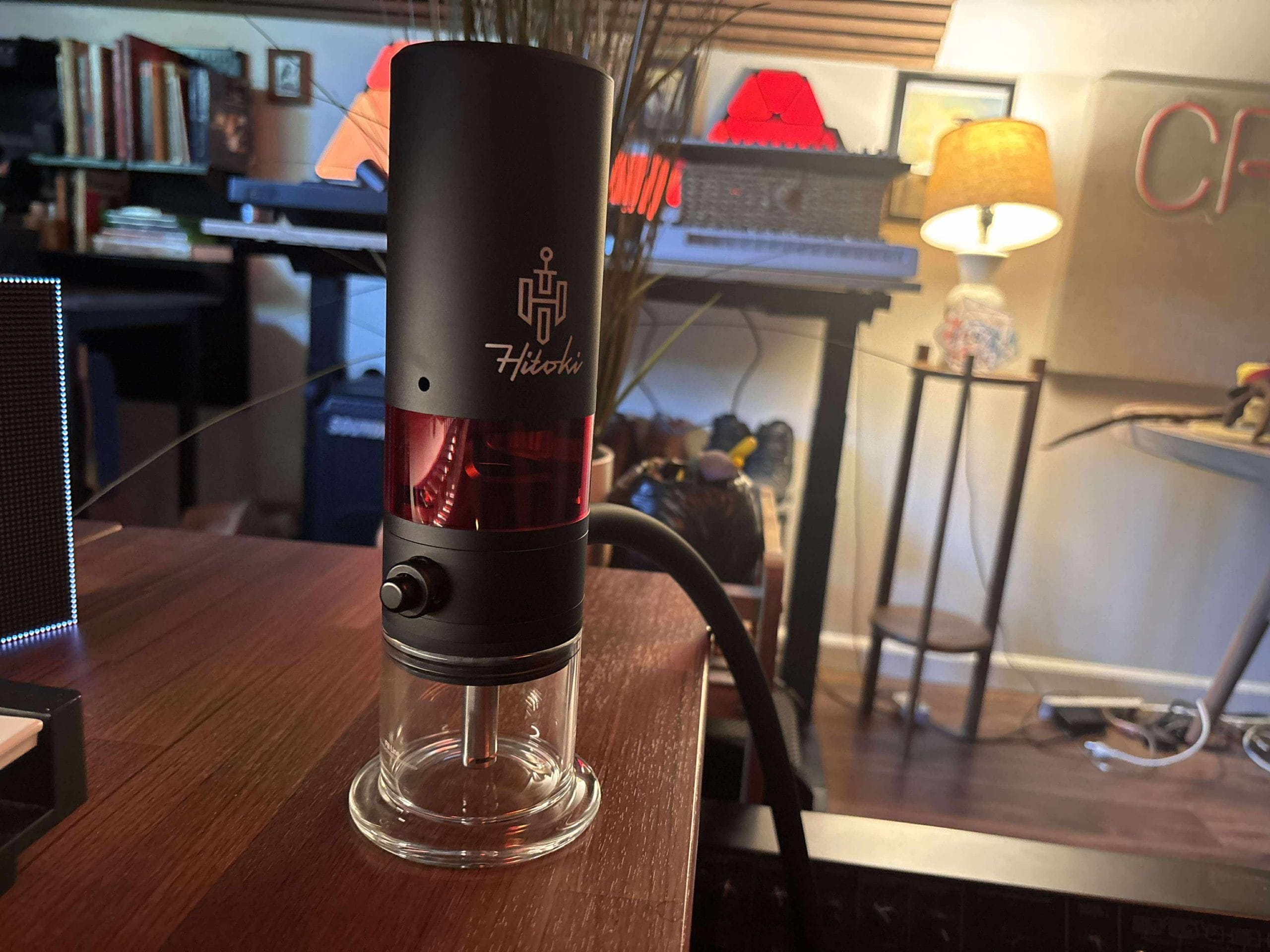
The Hitoki Trident V3 sits slightly outside the e-rig category because it uses laser combustion with flower. I included it because it replaces the torch or lighter, provides built-in water filtration and can handle flower topped with a small amount of concentrate.
A 445nm blue laser ignites the bowl inside a sealed ceramic chamber. The resulting smoke passes through the magnetized glass water base, with no fuel or ignition material affecting the flavor. Five button presses turn the device on, and three presses move between its low, medium and high settings.
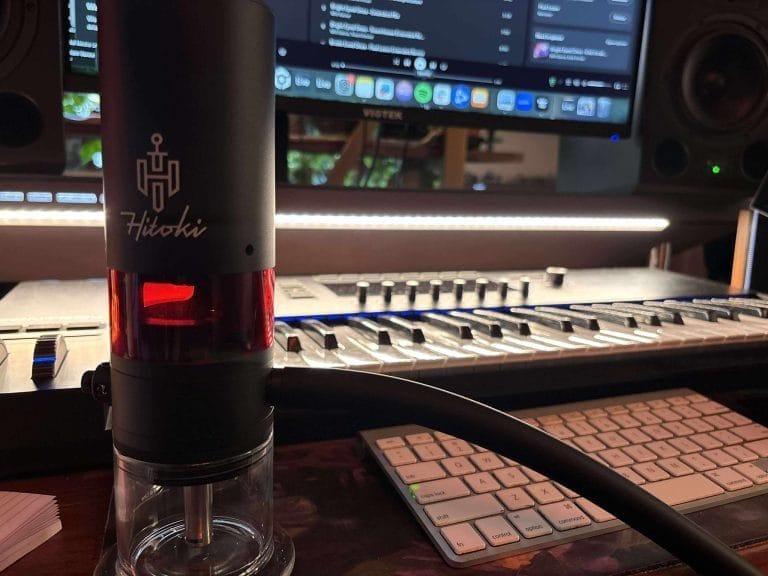
I usually kept it on the medium setting for cured flower. A slow, steady draw produced the best result, and filling the ceramic bowl halfway was enough for two or three pulls. The narrow burn area also helped me use less flower without leaving material unburned around the bowl.
Hitoki claims approximately 280 sessions per charge. I charged the review unit when it arrived and went through the testing period without reaching the battery limit. USB-C and pass-through charging also allow the Trident to operate while connected to power.
The stable glass base, flexible hose and simple magnetic assembly make daily cleaning and setup straightforward. It earned an Editor’s Choice award because its airflow, battery life and one-button operation held up during regular use.
Which vape or dab rig should you buy?
The DaVinci EQ is my pick for quartz flavor, water cooling, and exact controls, while the Puffco Peak Pro 3DXL provides the most consistent experience for repeated concentrate sessions. The Dr. Dabber Switch 2 suits a stationary setup where heating modes and chamber capacity take priority.
For portability, the Dr. Dabber XS is the easiest entry point, while the Puffco Proxy offers greater expansion through alternate glass and accessories. The Stündenglass Modül Dök is designed for existing Stündenglass owners who want a smaller desktop configuration. Flower users who want to remove butane and open flame from their routine should consider the Editor’s Choice-winning Hitoki Trident V3.
Anyone shopping around seasonal promotions can also check my 2026 cannabis deals coverage for related vapes, concentrates and accessories. Prices and bundles can change, so compare the complete package, replacement-part costs and cleaning requirements before choosing a rig.

Will Vance is a professional music producer who has been involved in the industry for the better part of a decade and has been the managing editor at Magnetic Magazine since mid-2022. In that time period, he has published thousands of articles on music production, industry think pieces and educational articles about the music industry. Over the last decade as a professional music producer, Will Vance has also ran multiple successful and highly respected record labels in the industry, including Where The Heart Is Records as well as having launched a new label with a focus on community through Magnetic Magazine. When not running these labels or producing his own music, Vance is likely writing for other top industry sites like Waves or the Hyperbits Masterclass or working on his upcoming book on mindfulness in music production. On the rare chance he's not thinking about music production, he's probably running a game of Dungeons and Dragons with his friends which he has been the dungeon master for for many years.