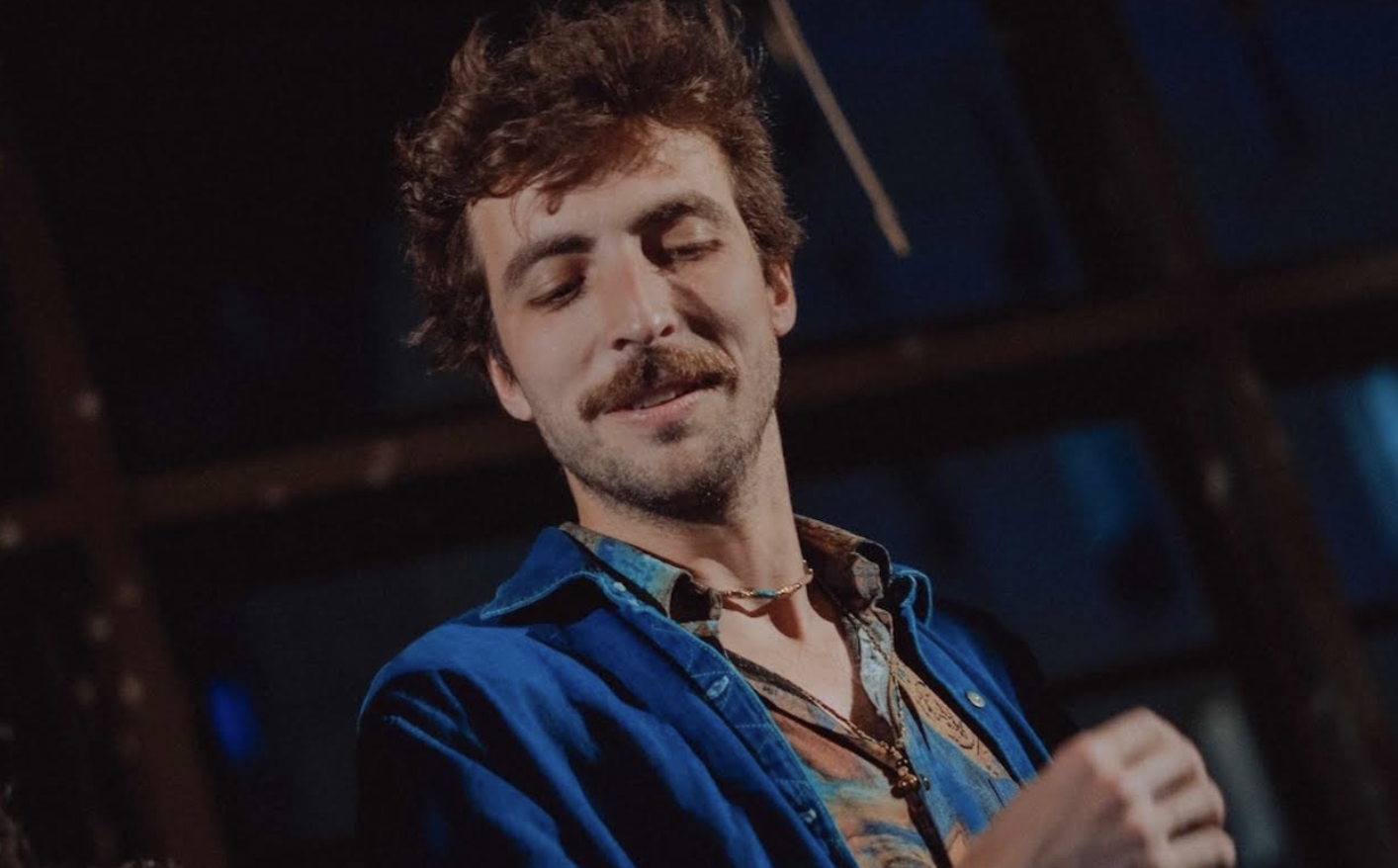
For over a decade, PAN-POT have operated at the center of global techno, moving between Berlin institutions and major international stages while watching club culture transform in real time. With the launch of HUMAN, they formalized something that had been building for years: a response to the way digital acceleration has reshaped attention, dance floors, and the role of DJs themselves.
Check out Pan-Pot’s Latest Release Here
Rather than positioning HUMAN as nostalgia or resistance, Tassilo and Thomas frame it as reinforcement. Reinforcement of the dance floor as a shared physical space. Reinforcement of long-form musical storytelling. Reinforcement of presence over performance. As they’ve brought HUMAN to Berlin, New York, Los Angeles, and Chicago, the concept has remained structurally consistent while adapting to each city’s cultural DNA.
In this conversation, the duo unpacks how HUMAN evolved from long-term observation into a label and event platform, how they balance structure with spontaneity, and what growth means without diluting intention. They also reflect on audience response, the desire for deeper connection inside club spaces, and how projects like Pan-Pot TV extend their ecosystem beyond the dance floor while staying rooted in continuity and community.
Photo Cred: Dennis Bouman
Interview With PAN-POT
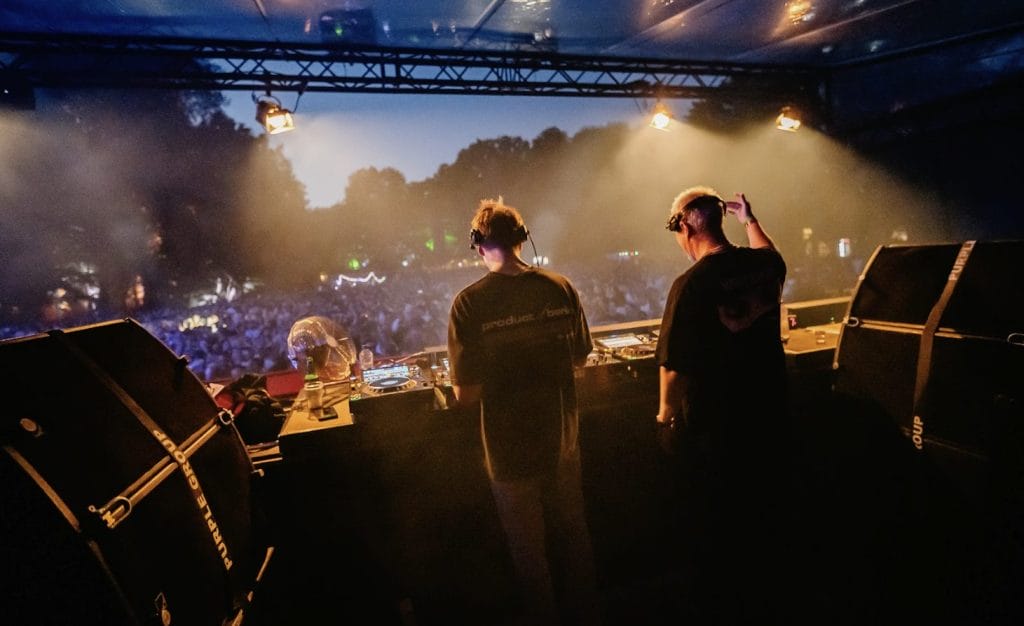
HUMAN has been described as a response to how club culture has shifted in the digital era. What was the initial moment or realization that pushed you to formalize that idea into a label and event concept?
TASSILO:
HUMAN came out of a long-term observation, rather than a sudden idea.
As PAN-POT evolved, we found ourselves increasingly aware of how club culture was changing alongside the digital landscape and how music was being consumed faster. Attention was often shifting away from the physical experience of the club itself.
After many years of touring and releasing music, it felt important to create a framework that reflected where we were artistically and culturally. HUMAN became a way to reconnect with the core values that shaped us: the dance floor as a shared space, music as a physical experience, and clubs as places of real interaction between human beings rather than content production.
Turning that idea into a label and event concept felt like a natural next step in our journey, less about reacting against change, and more about consciously reinforcing what we believe still matters in club culture today.

You’ve taken HUMAN to cities like Berlin, New York, Los Angeles, and Chicago. What stays consistent across those events, and what changes depending on the location?
Tassilo:
What stays consistent is the intention. Every HUMAN event is built around the same core values: a strong focus on the dance floor, long-form musical narratives, and an atmosphere where people are present rather than distracted. We’re very conscious about pacing, sound quality, and creating a space where the music can unfold without unnecessary noise or spectacle.
What changes is the context. Each city has its own relationship to club culture. Berlin’s history and openness, New York’s intensity, Los Angeles’ hybrid of underground and experimental energy, Chicago’s deep-rooted connection to house and techno. We adapt the lineup, the flow of the night, and sometimes even our own approach to reflect that local energy.

When you design events under the HUMAN banner, how much of the experience is planned in advance versus allowed to unfold naturally?
Tassilo:
There’s a clear structure in place, but a lot of room left open. We plan the framework carefully like venue, sound system, lineup flow, and the overall duration, because those elements create the conditions for something meaningful to happen. Without that foundation, the night can easily lose focus.
Within that structure, we leave space for things to evolve naturally. The way a room reacts, how energy shifts over time, or when a moment needs to breathe can’t be fully scripted. That’s where HUMAN really lives – in the interaction between DJs, dancers, and the space itself.

HUMAN positions itself as a long-term platform rather than a short run of events. What does growth look like for you without losing the original intention?
Thomas :
For us, growth isn’t about getting bigger for the sake of it. HUMAN was always meant to be a space for meaningful connections between artists, the audience, and the music. So growth, in our eyes, means going deeper rather than wider.
That can be developing stronger relationships with the artists we work with, creating more room for experimentation, or bringing the concept to new places in a way that still feels intimate and honest. As soon as it starts feeling forced or purely commercial, we’d rather slow things down. Staying true to the original intention means constantly checking in with ourselves and asking: does this still feel human?

When you look back at the last year of HUMAN events, what has surprised you most about how people have responded?
Thomas:
What surprised us most was how deeply people connected with the concept. We always hoped HUMAN would resonate, but seeing how the audience really embraced the atmosphere not just the music, but the feeling of togetherness — was very special.
People stayed longer, were more present, more open. You could sense that it wasn’t just another night out, but something they genuinely experienced. That kind of response reminds us why we started this in the first place. It showed us that there’s a real desire for spaces where music, emotion, and human connection come together in a more conscious way.

Looking ahead, what do you want someone attending a HUMAN event for the first time to walk away with?Thomas:
We’d love for them to walk away with a feeling rather than just a memory of a party. Something that stays with them the next day, a sense of connection, inspiration, maybe even a bit of reflection.
HUMAN is designed to be more than a night of music. It’s about creating a space where people can lose themselves and, at the same time, feel very present. If someone leaves thinking, “That felt different, that felt real,” then we’ve done what we set out to do.

Will Vance is a professional music producer who has been involved in the industry for the better part of a decade and has been the managing editor at Magnetic Magazine since mid-2022. In that time period, he has published thousands of articles on music production, industry think pieces and educational articles about the music industry. Over the last decade as a professional music producer, Will Vance has also ran multiple successful and highly respected record labels in the industry, including Where The Heart Is Records as well as having launched a new label with a focus on community through Magnetic Magazine. When not running these labels or producing his own music, Vance is likely writing for other top industry sites like Waves or the Hyperbits Masterclass or working on his upcoming book on mindfulness in music production. On the rare chance he's not thinking about music production, he's probably running a game of Dungeons and Dragons with his friends which he has been the dungeon master for for many years.