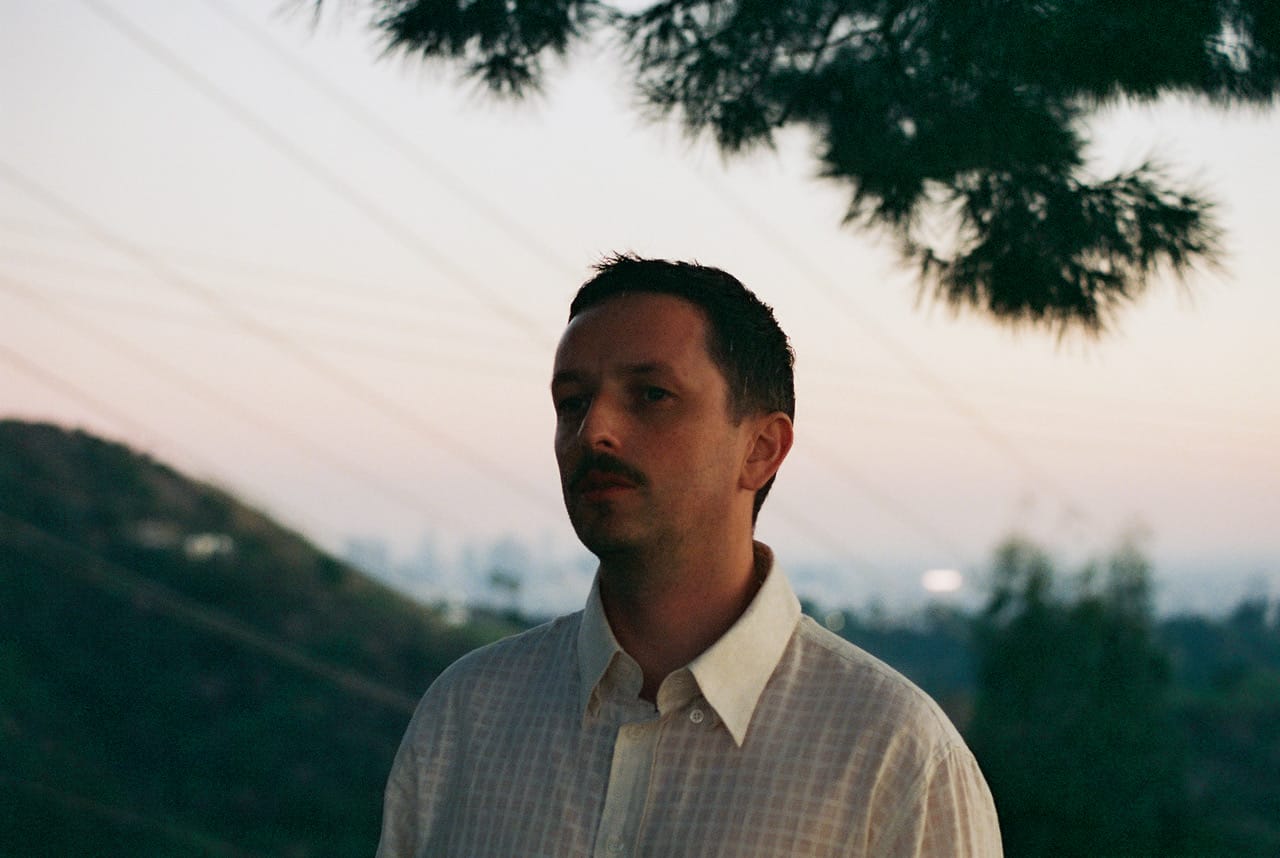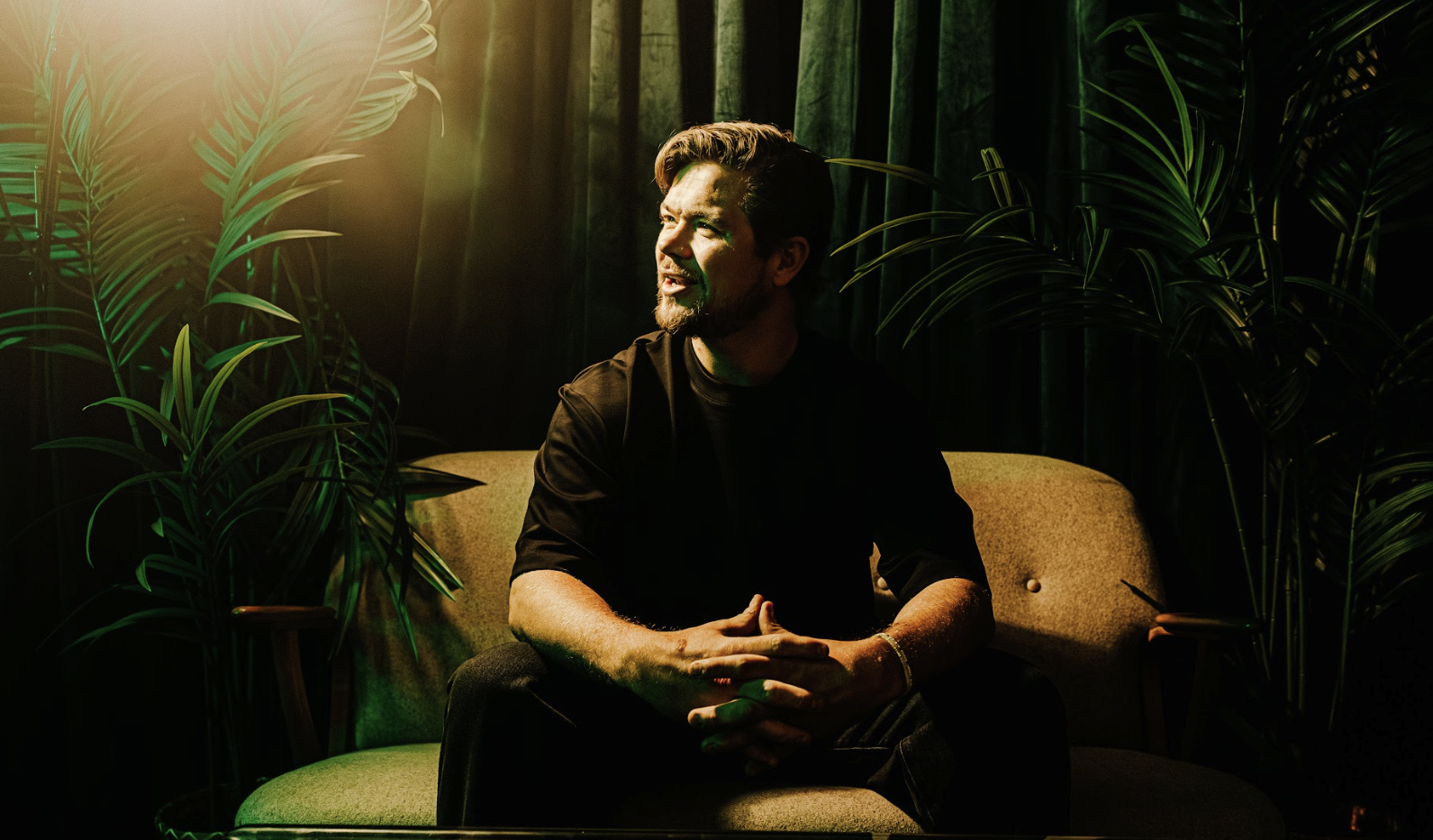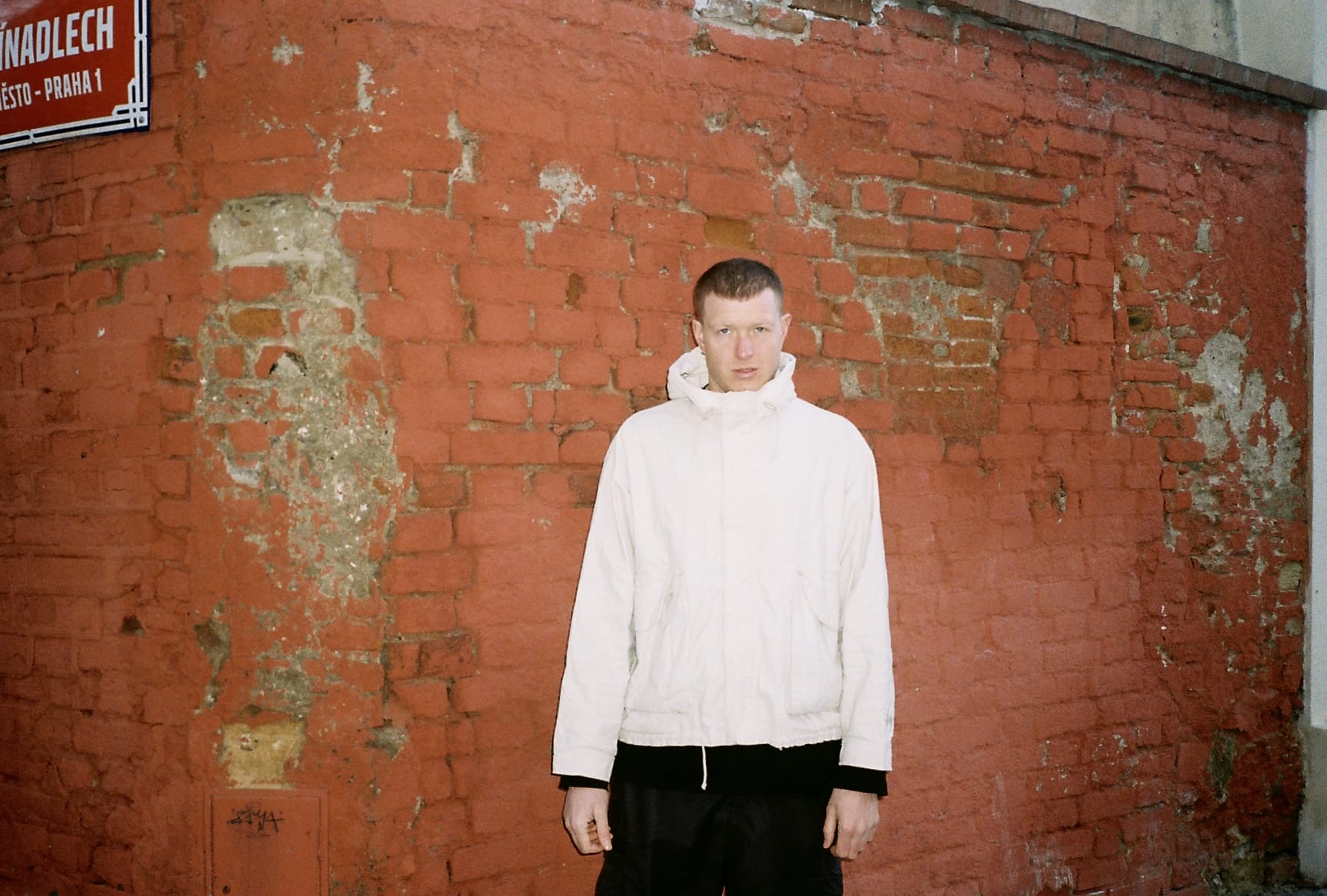
Coming off 70 million streams and a steady rise built through sync placements and singer-songwriter foundations, Blakey’s latest single is a decisive pivot toward the dancefloor. But “Ta Ta Ta” avoids the common trappings of a pop-leaning electronic crossover. There’s no obvious drop, no oversized chorus, and no flash-for-flash’s-sake arrangement. Instead, the record leans on a clean loop, a hypnotic vocal, and a minimalist production approach that finds tension through precision. This is restraint deployed as an aesthetic, not as an absence. And as a result, it holds.
The track is also part of a larger recalibration. Raised in Hackney and shaped by UK club culture, Blakey describes this moment as a kind of return. Not to the sound of his roots—but to the world that has long informed them. His earlier releases may have sat outside the realm of dance music proper, but the emotional fluency that ran through them now finds new footing in the architecture of electronic rhythm. The club is no longer an external influence—it’s the ground the music stands on.
Below, Blakey shares thoughts on how inspiration arrives, what it means to surrender to a song, and how small decisions carry big creative weight.
Do you think inspiration comes from you — or through you?
The word genius (not claiming I am one) apparently comes from genie, like the spirit in the bottle. The idea is that genius enters you, does its thing, and then leaves you. So one should never claim to be a genius, but one can experience it in passing. In that sense, creativity comes through you. It’s all about having your antenna up, as it were.
What conditions help you recognize when an idea is worth chasing?
Hard to quantify, but usually it’s a feeling. I also love finding the simplest melodies or hooks that haven’t been taken yet. Like land-grab melodies. Most have already been taken, but there are a few left, and finding one is always something in the back of my mind. I think “Ta Ta Ta” might be one of those.
When something clicks creatively, what do you think is actually happening?
Perhaps communicating with God or the fifth dimension or something?
How do you know when to step back and let the track lead instead of trying to steer it?
There’s always a dance between those two things. The question feels more like: how do you know when things are working or not? If things are easy, the track can lead itself and ideas just flow. And when things aren’t working, there’s more of a need to try new things and move things around.
You know if you don’t have to steer, it will probably be better because it can feel more natural. “Ta Ta Ta” was written in 10 minutes. Other songs can take weeks and then you lose perspective. But sometimes, after that time, the process starts to speed up if taken in the right direction.
I guess you know when you feel things are accelerating. Once the speed increases, keep rolling with it. I suppose it goes back to that genie analogy—just get the creative rod out and go fishing until you start to catch something big. Then keep the rod in.
Has your relationship to inspiration changed over the years?
I think with age, you become more cynical, and that can change your relationship with inspiration. I often find it harder to be inspired by things like I was when I was younger. Many of the things that used to inspire me—big concerts, sets, tracks—do not have the same impact anymore. Instead, the simple things in life tend to feel more inspiring.
Inspiration is much more granular now. Like seeing how an artist manipulates a synth, or a specific technique used by a DJ or songwriter. Not the whole experience as much. If that makes sense—in short, I’m inspired by small, specific things more than big, headline-worthy ones.
Are there patterns or practices that seem to invite new ideas consistently?
I like to say the one rule to writing is there are no rules. I think it’s important to try and push your creative boundaries with every project. But a pattern that tends to come up is singing gobbledygook melodies and random sounds. That tends to direct the feeling of a melody, and then lyrics fit around that feeling. So often, the meaning of the track is the last thing, like the top of the triangle.
Hate to say it, but technology also creates patterns. I recently moved to Ableton from Logic, and it’s been a game changer in terms of speeding up and channeling the creative process. Wish I’d done it years ago.
What breaks your connection to the ideas you’re trying to catch?
Going back to the antenna, genie, and fishing rod analogies—if you get in the way of that, often by being dogged in your thoughts, insecurities, or logic, and not letting the subconscious come to you, the signal drops.
It’s like when you meditate and can’t get out of your head. Then, when you finally do, random things pop in. It’s those fragments or ideas that need to be caught in the creative net.