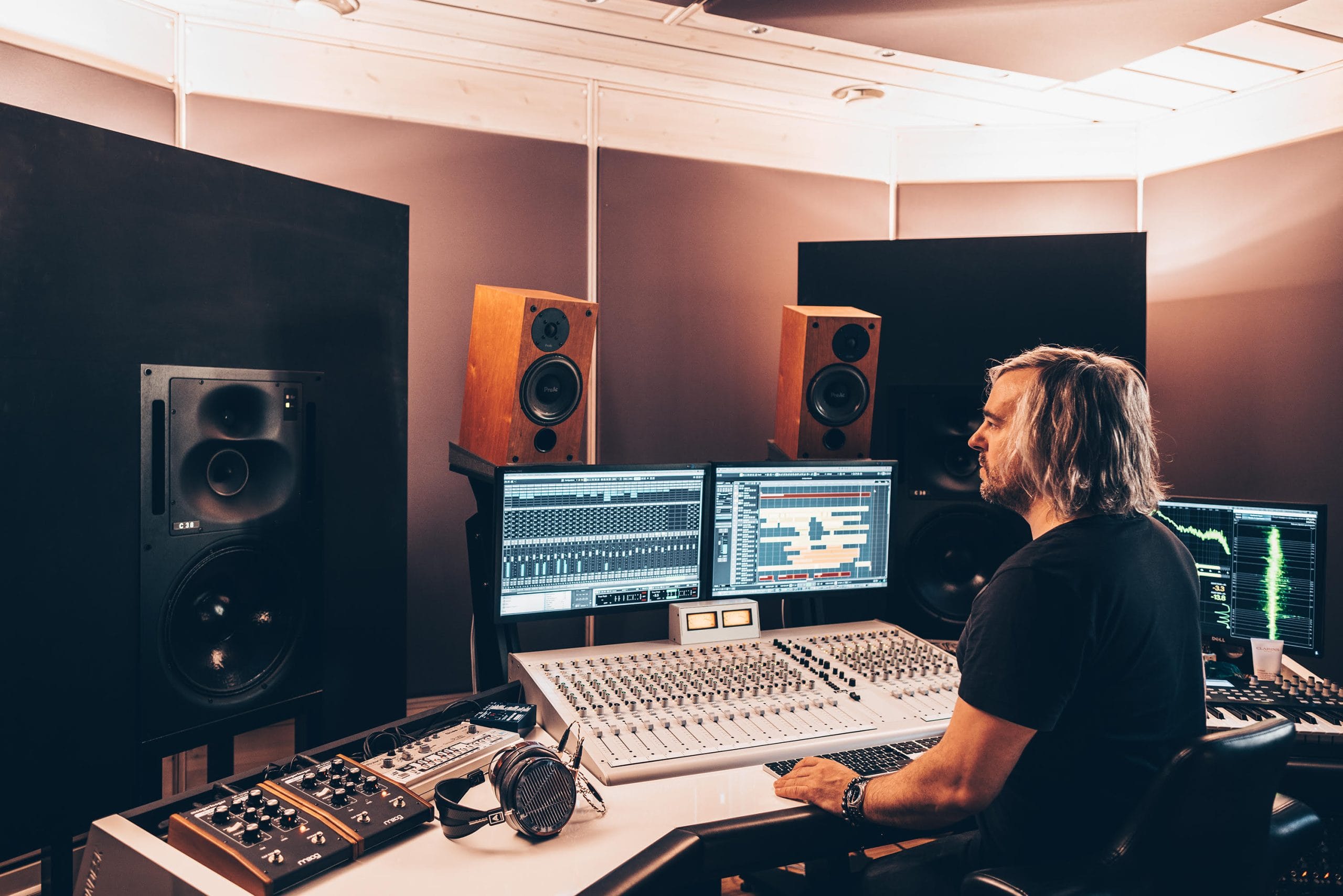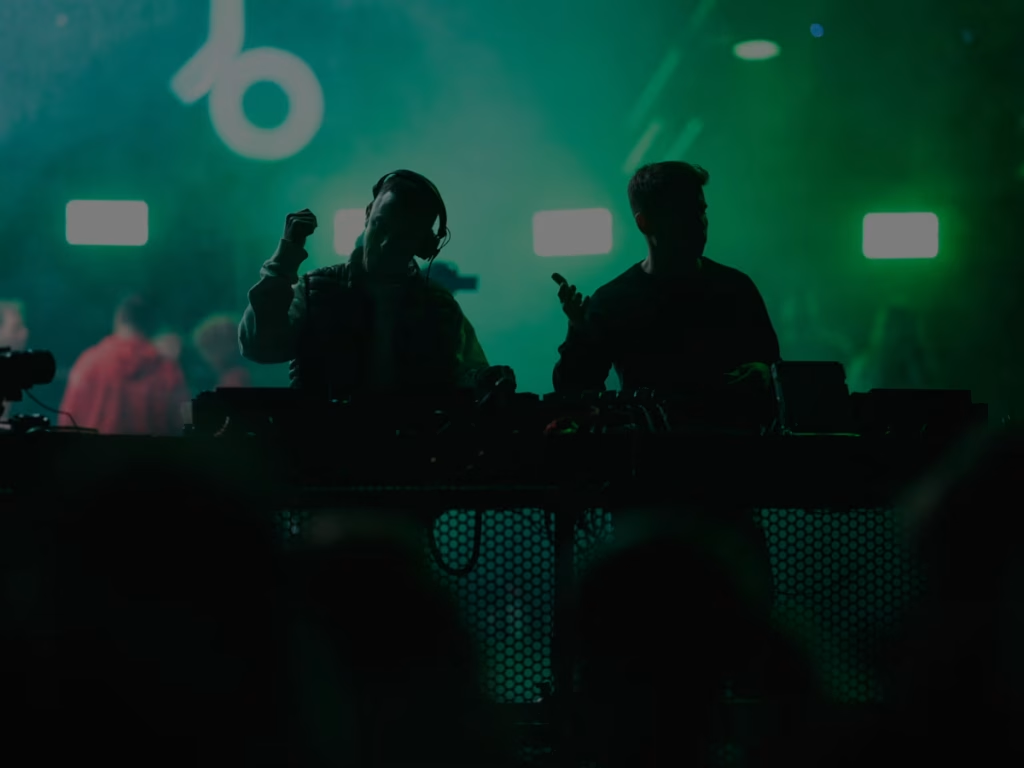
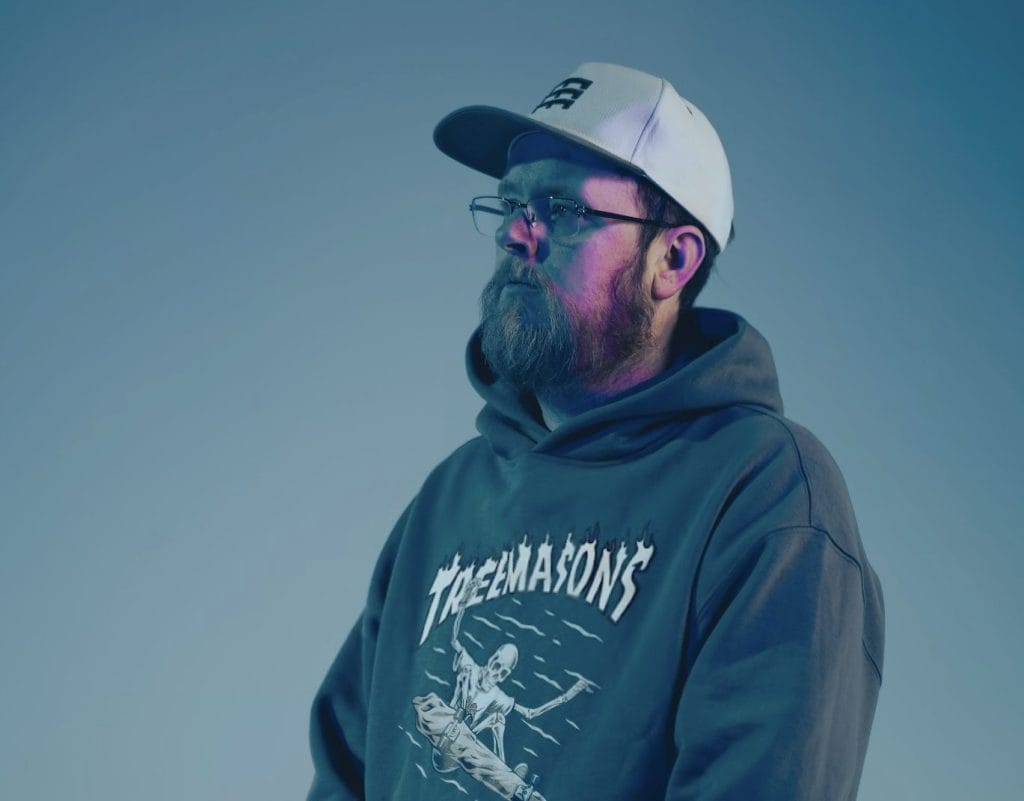
Lupole’s (@lup0le) role in “Wishing & Waiting” sits right at the point where production choices, vocal handling, and melodic instinct all need to work together. The track, released through Make Your Era, pairs Exile and Lupole’s polished vocal drum & bass production with Harry Shotta’s writing and delivery, creating a record that draws on early 2000s UK club culture while keeping the arrangement built for current radio, playlists, festivals, and clubs.
That makes Lupole’s perspective on discovery feel especially relevant here.
As a South Wales-based producer and vocal engineer from Chepstow, he draws on influences from hip-hop, UK bass, and electronic production, and that background comes through in how he talks about listening. He treats discovery as an active process: separating reference listening from exploratory listening, questioning why certain records keep appearing, and using algorithms for small details rather than letting them define his taste.
The result is a producer-focused conversation about musical input in a release culture where everything is available at once. Lupole discusses algorithmic playlists, community recommendations, listening constraints, negative space, vocal rebuilding exercises, and how tools can sharpen what an artist notices.
For a record like “Wishing & Waiting,” which depends on songwriting, vocal placement, and production details landing in one clear frame, that intentionality feels central to how the track was built.
Interview With Lupole
When using personalized platforms, how do you stay intentional about the recommendations you receive and the musical diet you consume?
I try not to let recommendations become passive intake.
If something keeps getting pushed at me, I’ll either deliberately ignore it for a while or interrogate why it’s appearing, rather than letting it seep in. I also compartmentalise listening: some sessions are purely functional, like reference tracks and vocal templates, and others are exploratory, and I keep those separate.
That separation helps me stay aware of what’s influencing me versus what’s feeding the algorithm back itself. Intentionality, for me, is about choosing when to be influenced rather than pretending influence isn’t happening.
Has an algorithm meaningfully expanded your ear or taste as an artist?
Yes, but usually indirectly rather than through the headline recommendations. Algorithms have surfaced small details, like odd vocal phrasing, unusual drum swing, and unexpected sound choices that I might not have sought out consciously. It’s less about genre expansion and more about pattern expansion. The value is in the micro-influences rather than a wholesale change in taste. When it works, it sharpens my pattern recognition rather than redefining what I like.
What feels distinct about discovering music through communities compared to digital suggestions on Spotify’s algorithmic playlists and other similar algorithms?
Community discovery carries intent and context that algorithms can’t replicate. Someone recommending a track because it meant something to them, or because it worked in a specific setting, frames how you hear it. Algorithms optimise for continuity and engagement, whereas communities often introduce friction, disagreement, or surprise. That friction is important because it forces an active response rather than passive acceptance. Music discovered socially tends to stick longer because it’s anchored to a human perspective.
How do you periodically refresh your listening habits?
I’ll deliberately change the function of listening rather than the content.
Sometimes that means listening only for arrangement, sometimes only for rhythm, sometimes only for negative space. I also revisit eras or styles I’ve previously dismissed, but with a different analytical lens. Occasionally, I’ll restrict myself to one vocal and build around it repeatedly, to see what new solutions emerge. Refreshing habits is more about changing how I listen than endlessly searching for new material.

Have you noticed your taste evolving alongside the tools you use, or does your taste stay the same even if the methods of discovery change around you?
My core taste stays relatively stable, but the edges definitely evolve with the tools.
New tools make certain patterns easier to notice or exploit, which in turn makes me more receptive to music that uses those patterns well. It’s less that the tools dictate taste and more that they sharpen certain sensitivities. As those sensitivities increase, my appreciation shifts accordingly. The centre stays fixed; the perimeter moves.

What does intentional discovery look like for you today when so much music is being released?
Intentional discovery now means accepting that I can’t hear everything and designing constraints around that reality. I prioritise music that offers structural or textural information I can actually use, rather than chasing novelty for its own sake. I’m more interested in depth than breadth: understanding why something works rather than clocking that it exists. Discovery becomes a selective process, almost curatorial, instead of a constant scroll.
In that sense, restraint is as important as curiosity.

Will Vance is a professional music producer who has been involved in the industry for the better part of a decade and has been the managing editor at Magnetic Magazine since mid-2022. In that time period, he has published thousands of articles on music production, industry think pieces and educational articles about the music industry. Over the last decade as a professional music producer, Will Vance has also ran multiple successful and highly respected record labels in the industry, including Where The Heart Is Records as well as having launched a new label with a focus on community through Magnetic Magazine. When not running these labels or producing his own music, Vance is likely writing for other top industry sites like Waves or the Hyperbits Masterclass or working on his upcoming book on mindfulness in music production. On the rare chance he's not thinking about music production, he's probably running a game of Dungeons and Dragons with his friends which he has been the dungeon master for for many years.