A lot of DJ lighting looks good once it is up. The problem is everything that happens before that.
You get to the venue. The room is half-flipped. The planner wants you out of sight. The catering staff needs the corner you were told you could use at the same time as someone is asking about the mic. Maybe the dancefloor is still being taped down and yet somewhere in the middle of all that, you are supposed to make the room feel like a party before the first real song hits.
That is the actual problem CHAUVET DJ’s GigBar 3 ILS is trying to solve. It keeps mobile lighting from becoming its own little production day.
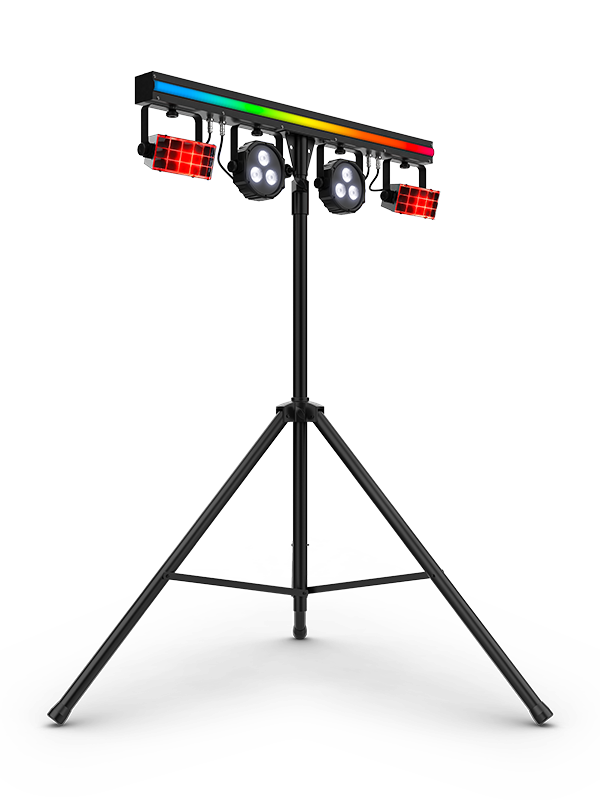
The system combines LED pars, LED derbies, and an LED strip on one bar, then ships it with the pieces most mobile DJs need to get in and out quickly: a tripod, wireless footswitch, RF remote, stealth filter, carry bags, and power cable. The whole idea is that you can show up with one main lighting rig, get color on the room, get motion on the floor, and avoid building a tangled little fixture farm before doors open.
That is why this kind of product hits a different nerve than a single new fixture. A wash light can be great. A derby can be fun. A strip can add movement. But the working DJ usually needs the whole room to feel handled, fast.
I talked about similar event-ready thinking in my SOUNDBOKS review because that speaker works because it can quickly change a room’s feel, and the GigBar 3 ILS does the same for lighting.
The Bar Covers the Jobs Most DJs Actually Need
The GigBar 3 ILS is built around three visual jobs.
The LED pars handle the color wash. That is the base layer. It sets the room tone, colors bodies and walls, and makes the dancefloor feel less like a rented square of floor.
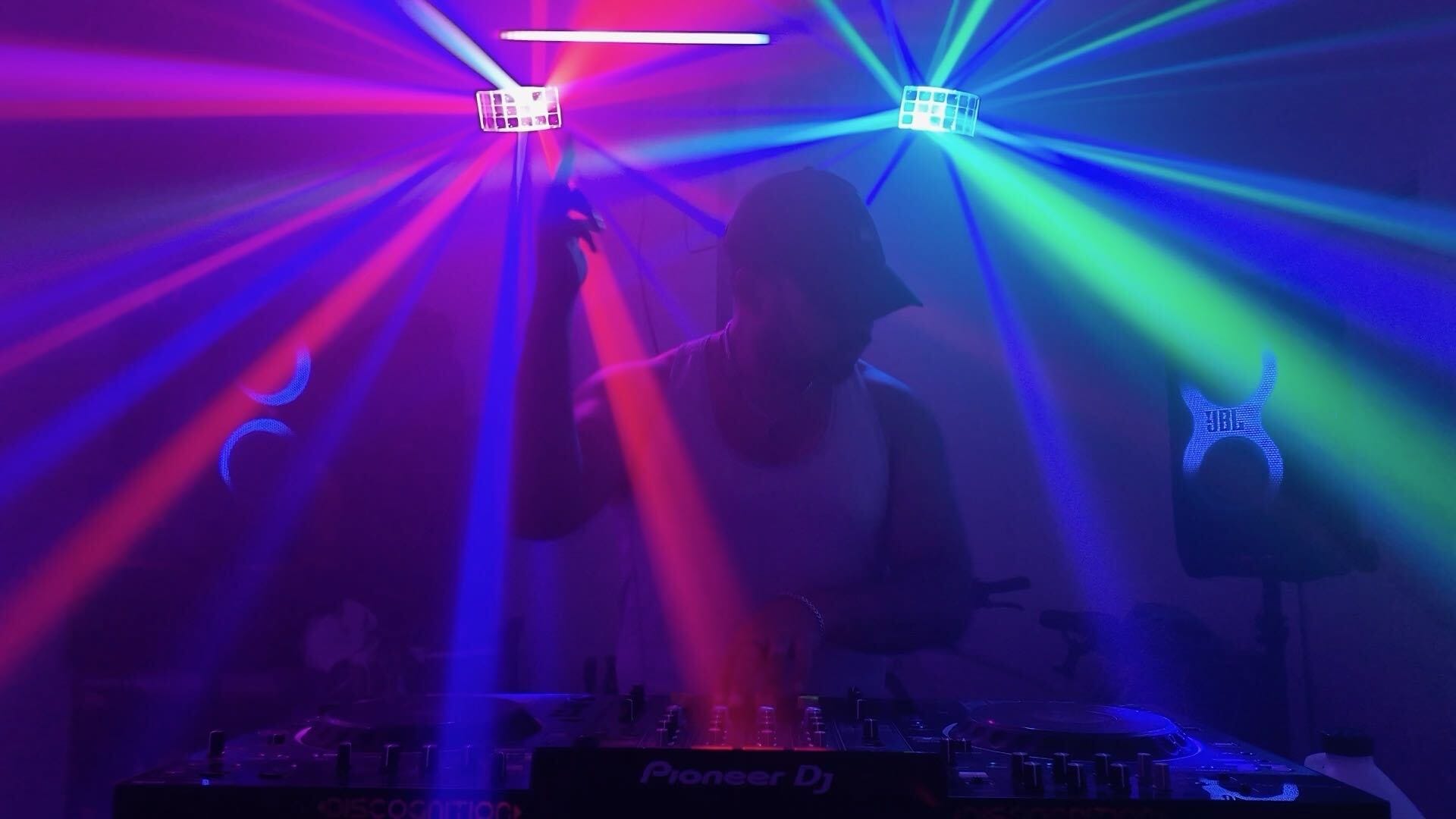
The derbies handle motion. They throw multicolored chasing beams across the room, which is the part guests notice once the floor opens and the night stops feeling like dinner with better speakers.
The LED strip adds a small visual detail to the bar itself. It isn’t meant to replace a full pixel rig, but it keeps the system from looking static. It adds a bit of animation, which helps when the light bar is visible in the room.
That mix feels right for mobile events because most gigs do not need a festival rig. They need enough wash, enough motion, enough color, and enough control to keep the room from looking dead. There is a difference.
A lot of DJs overbuild their lighting in theory, then underuse it in practice. They buy scattered fixtures, bring too many cables, forget which mode they like, and end up running the same sound-active look all night anyway. GigBar 3 ILS is more honest about the gig. It gives you the core visual language in one place and lets you expand later if the room or client calls for more.
CHAUVET DJ also built in mounting points for up to four additional fixtures on top of the bar so that a DJ can start with the bar as the centerpiece, then add fixtures as the calendar gets bigger.
ILS Keeps the Show From Feeling Random
The ILS side is where GigBar 3 ILS becomes more than a pack-and-go light.
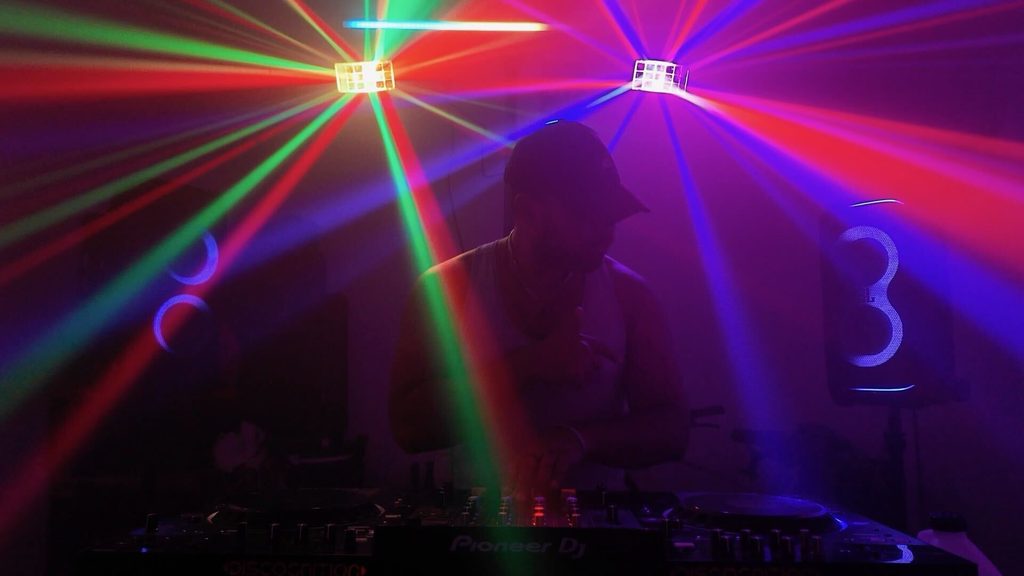
CHAUVET DJ’s Instant Light Show system syncs compatible fixtures, so a DJ can build a bigger rig without programming every fixture from scratch. That’s what keeps an expanded setup from feeling like five lights doing unrelated things in the same room.
That matters more than people admit. Bad lighting can also be too much stuff happening with no relationship between the parts. A wash is doing one thing, a derby is doing another, a strip is pulsing at a different speed, and suddenly the room feels chaotic in the wrong way.
ILS is meant to reduce that. It lets DJs add compatible fixtures and keep the show moving together.
GigBar 3 ILS also has a built-in D-Fi transceiver for wireless DMX or ILS signal. That makes the setup cleaner and keeps the floor safer. Fewer data cables across a venue is almost always better, especially at weddings, corporate events, and private parties where guests are moving around tables, chairs, drink stations, and dancefloor edges all night.
The DMX options are there too: 2, 21, or 132 channels. That spread is the right call. A beginner can stay simple. A working DJ can get more control. A more advanced lighting user can dig deeper when the room deserves it.
The Specs Are Built Around Mobile Work
GigBar 3 ILS weighs 13.2 pounds and measures 41.2 inches wide. The included tripod adjusts from 4.8 to 7.8 feet, giving the bar enough height to clear the floor without turning the setup into a rigging project.
The pars use six quad-color RGB+UV LEDs. The strip uses 74 RGB LEDs. The derby section uses red, green, and blue LEDs. All listed LED sources have a 50,000-hour life expectancy.
The pars have a 13-degree beam angle and 24-degree field angle. The derbies have a 114-degree coverage angle. The strip covers 174 degrees. That combination gives the system a wider room feel than a narrow single-effect fixture would.
Power draw is modest at 47 watts at 120V, and the system can power link up to 11 units at 120V or 18 units at 230V. That is probably more than most one-person mobile DJs need, but it gives multi-unit rigs and event companies some room to build.

GigBar 3 ILS Is for the DJ Who Wants Less Mess
The best read on GigBar 3 ILS is simple. It is for DJs who want the room to look better without turning setup into a second job, and that is the appeal. Show up. Set the tripod. Mount the bar. Use the footswitch or remote. Add ILS fixtures later if the rig grows. Keep the room moving.
CHAUVET DJ has always built lights for people who need the result more than the programming rabbit hole. GigBar 3 ILS fits that lane. It gives working DJs a cleaner way to make the room feel ready before the night has to carry itself.

Magnetic byline note: This byline is used for staff produced updates and short announcements, often based on press materials and official release information. Editorial responsibility: David Ireland (Editor in Chief) and Will Vance (Managing Editor). About: https://magneticmag.com/about/ Masthead: https://magneticmag.com/masthead/ Contact: https://magneticmag.com/contact/