A lot of artist management advice sounds like it was written after the win.
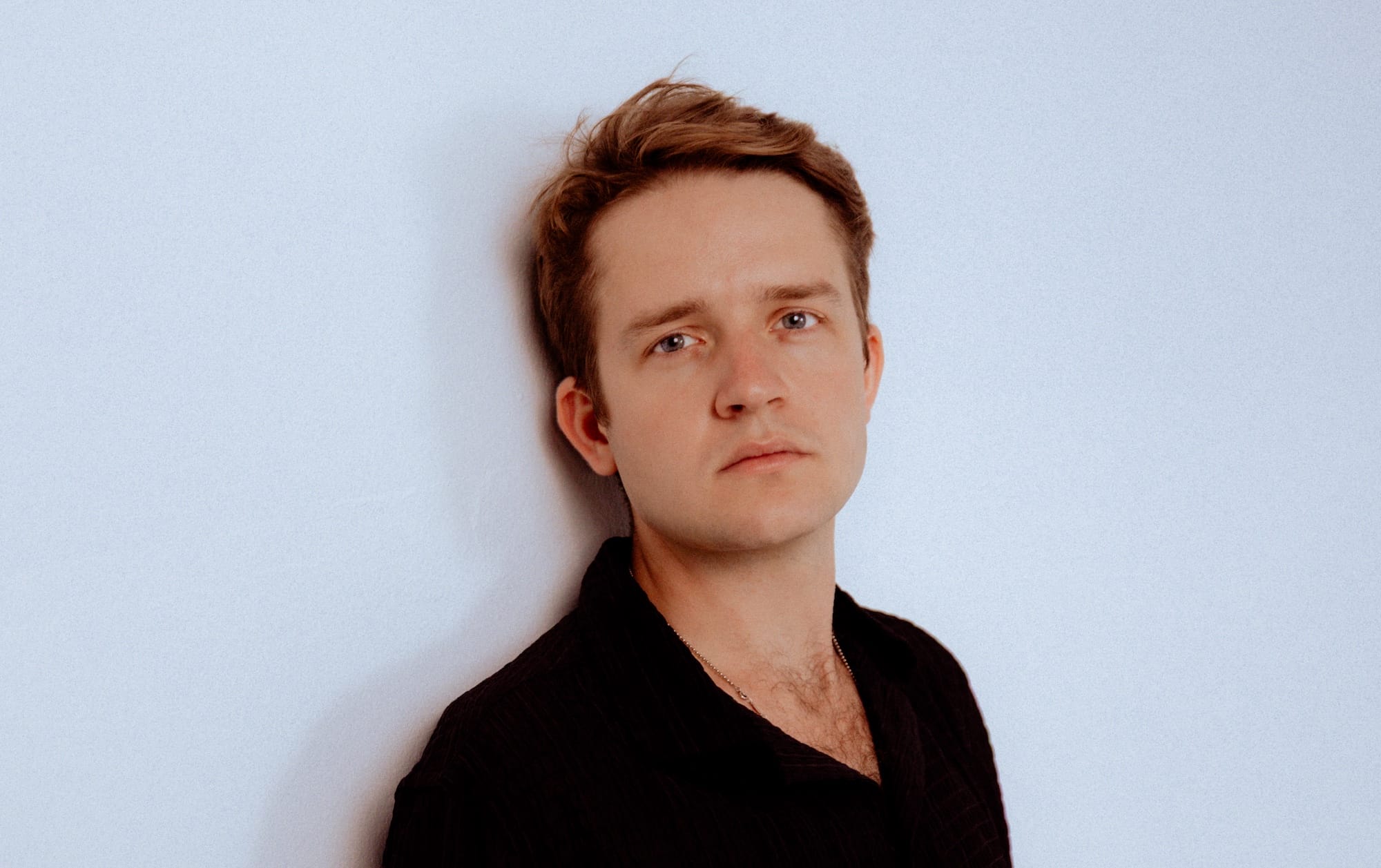
The brand is defined, the tickets are moving, the team is in place, and everyone gets to pretend it was obvious from day one. Louis Godfrey (@louisgodfrey) has seen the polished version of that machine from the inside, spending close to four years around FISHER’s day-to-day management and creative operation, where the work stretched far beyond bookings into lineups, brand partnerships, content, artwork, and how the whole project showed up in public.
Then he stepped away and went back to the beginning.
ART @ PACE, his independent management and creative company, is built around artists whose careers are still taking shape, where the decisions are less about maintaining a giant system and more about figuring out what should be built in the first place.
Brunello and Mellow Circus give that idea a practical case study: independent music, events, merchandise, a visual identity, and enough early real-world traction to make the project feel like more than another artist page with a few releases attached.
That is why this interview lands in a useful place. Godfrey is not talking about management as a magic fix or a pile of industry contacts. He is talking about translation: how an artist explains the world they are trying to build, how a manager helps turn that into a plan, and how the rest of the team learns to speak about it without sanding down the thing that made the artist interesting.
In the conversation below, he talks about taste, background, privacy, public-facing language, and why the best artist stories still have to begin with the artist.
Interview With Louis Godfrey
As a manager, how do you help an artist explain what they are building?
I believe that it is the artist’s job to explain their vision to the best of their ability to the manager: their goals, aspirations, and vision with as much detail as possible. Then, as a manager, it is your job to help further provide clarity, a plan, and blueprint to reach this goal, while staying true to the creative vision along the way.
What parts of an artist’s background, taste, or work should lead the story?
The background and upbringing of an artist is what creates and defines their taste, and I think taste is the most interesting part about any genre-defining artist.
I think their musical upbringing and background is equally definitive to the story as what shows they watched, what foods they liked, or where they grew up. All of these things combine to create the individual who produces the music and vision that the fans gravitate toward.
However, that is a long way to say I am far more focused on what they want to create. If an artist felt like they didn’t want to explain anything about their background and would rather let the music do the talking, then I am all for that. It is what works for you.
Where do artists get distracted by descriptions that sound interchangeable?
As an artist, you shouldn’t let the outside noise distract you from your vision and what you believe is the best path for your productions.
Mau P was famously quoted saying that if he had just given the typical consumer “what they wanted” based on current trends, he would have never released his breakout anthem “Drugs From Amsterdam.” I think often the consumer doesn’t know what they want, and it is the responsibility of the artist to create what feels true to them.
How do you decide which details belong in the public-facing version?
I think this is entirely up to the artist. There is no right or wrong answer here, and some artists are far more private than others. There is something to be said for remaining private, as in this day and age you give up so much to the public. It is sometimes nice to keep some things for yourself.
Why does a manager need language the whole team can use?
Once an artist starts growing, there are more and more people involved in communicating an artist’s vision.
The language needs to come from the artist and feel natural to them, but there should be a shared understanding of the bigger picture from the whole team. This usually requires the same type of language and communication style.
When you are small, the artist might personally be involved in almost every conversation. As things grow, communication between every team member becomes more important. As you bring others up to speed on what you are trying to accomplish, it is important to communicate the same message.
One of the biggest parts of management is that it’s not just about getting opportunities. It’s about making sure the opportunities make sense within the larger picture, and everyone on the team is working toward the same goal and delivering the best service possible.

Closing Thoughts
The best part of Godfrey’s answer is that he puts the first responsibility back on the artist. That is not always what artists want to hear, because management can sound like the person who arrives with the plan already written. His version is more demanding. The artist has to explain the vision first. The manager can help shape the map, but they cannot invent the destination for someone who hasn’t decided what they are building.
That connects directly with Mike Lisanti’s interview on what makes an artist ready for management.
Lisanti talked about management as something that amplifies movement already underway rather than creating a career from nothing. Godfrey’s point sits beside that: the manager can sharpen the plan, but the artist’s taste, habits, and point of view have to be there before the team can do anything meaningful with them.
There is a useful line to Audiojack’s interview on visibility, talent, and the reality of today’s music industry.
Audiojack were talking from the artist and label side, but the issue overlaps with Godfrey’s answer about outside noise. The industry can reward whatever is already moving, but artists still have to decide whether they are building something true to themselves or just reacting to whatever the market seems to want that month.
That is why his comment about background is more nuanced than it first appears. An artist’s upbringing, taste, habits, food, shows, geography, and musical history can all help explain the work. But he also leaves room for an artist who wants to keep that private and let the music carry the story instead.
That distinction matters because artist development should not turn every personal detail into campaign material.
The Mau P example gets at the same point from another angle. Audiences often don’t know what they want until someone gives them something they didn’t expect. A manager who only translates existing demand can help an artist chase trends, but that does not necessarily build a career with a point of view.
Godfrey seems more interested in helping artists protect what makes them less predictable.
That also connects with Hype-Index’s interview on curation, trust, and emerging artists. Hype-Index is about listening before the surrounding story becomes too persuasive, while Godfrey is talking about building that surrounding story once the artist already has something worth protecting. Both ideas matter. The song has to work, but the language around it cannot feel generic either.
ART @ PACE is interesting because it sits at the exact point where modern management stops being only logistical. Touring, releases, merch, content, events, artwork, label identity, and partnerships all start touching the same artist story. Done badly, that turns into branding for branding’s sake. Done well, it makes the project easier to understand without flattening it.
That is also why Dorian Perron’s interview on Groover’s move from promotion to artist services feels relevant here. Independent artists now have more ways to reach people, but that access brings more admin, more strategy, and more chances to lose the thread.
Godfrey’s answer brings the focus back to what the manager is supposed to protect: the artist’s vision, translated clearly enough that the right people can help move it forward.
The broader takeaway is simple. Management is not only about opening doors. It is about knowing which doors fit the artist, which details to share, which to keep private, and how to keep the whole team from accidentally turning a specific project into another generic pitch. Godfrey’s ART @ PACE chapter is still young, but the philosophy is already clear: start with the artist, build the language around the work, and make sure every opportunity serves the larger picture rather than distracting from it.

Will Vance is a professional music producer who has been involved in the industry for the better part of a decade and has been the managing editor at Magnetic Magazine since mid-2022. In that time period, he has published thousands of articles on music production, industry think pieces and educational articles about the music industry. Over the last decade as a professional music producer, Will Vance has also ran multiple successful and highly respected record labels in the industry, including Where The Heart Is Records as well as having launched a new label with a focus on community through Magnetic Magazine. When not running these labels or producing his own music, Vance is likely writing for other top industry sites like Waves or the Hyperbits Masterclass or working on his upcoming book on mindfulness in music production. On the rare chance he's not thinking about music production, he's probably running a game of Dungeons and Dragons with his friends which he has been the dungeon master for for many years.