Death Valley is known for extremes – it’s one of the hottest, driest and lowest places in North America, a huge landscape of salt flats, dunes, mountains and rock formations. It can feel almost otherworldly in daylight, but once the sun goes down, the desert takes on an entirely different character.
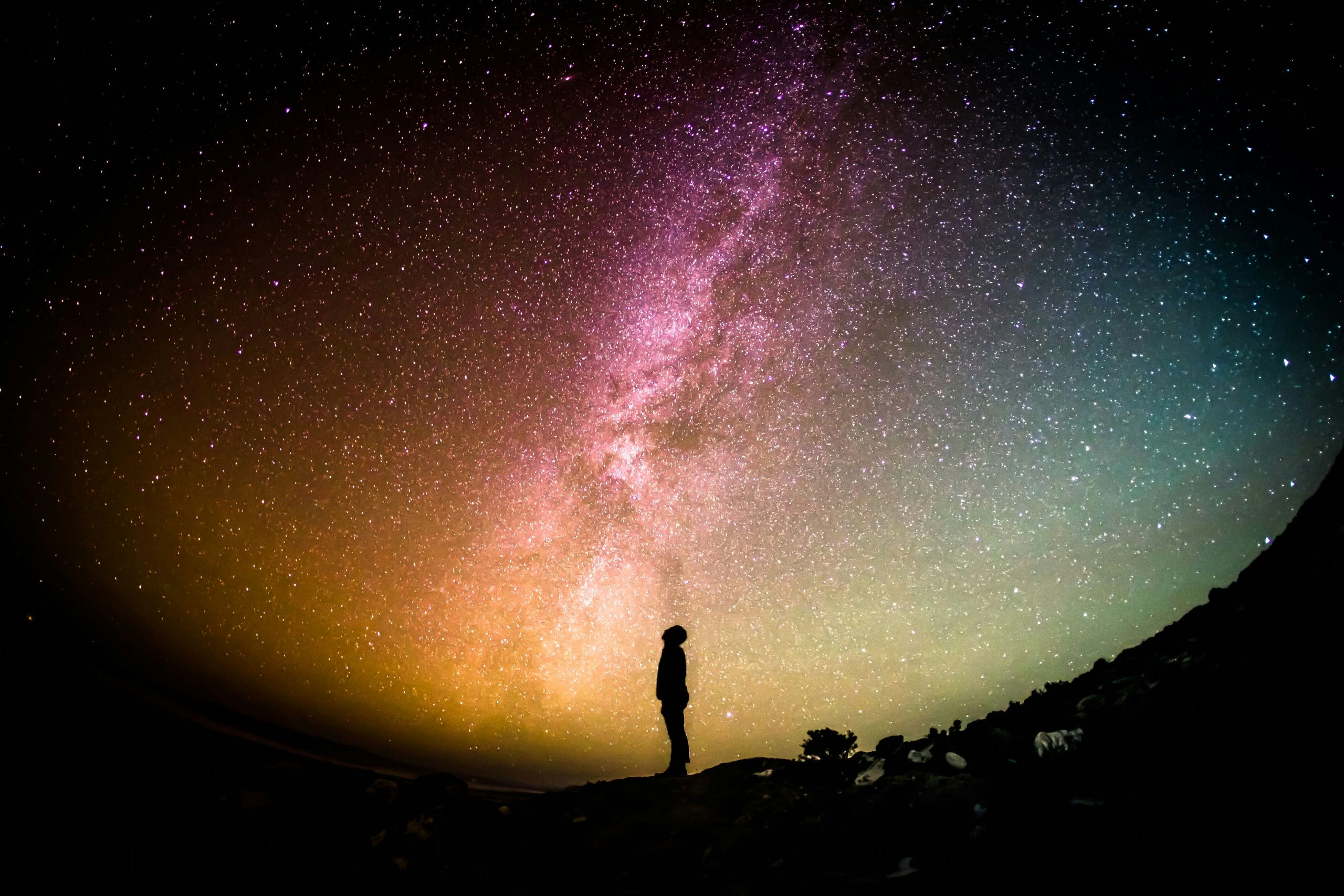
With remarkably little artificial light, Death Valley National Park is one of the best places in the US for looking up at the night sky. It has been recognised as a Gold Tier International Dark Sky Park, the highest level of certification, reflecting the exceptional darkness of its skies.
For anyone used to seeing the night sky through a haze of streetlights, suburban glow and passing traffic, the difference can be spectacular.
A desert built for darkness
Part of Death Valley’s appeal after dark is how little there is around you – the park’s remote location means there’s far less light pollution than you’d encounter in towns or cities. This darkness is helped by conscious efforts to minimise any unnecessary artificial lighting within the park.
This makes the desert an especially atmospheric place to spend an evening. As your eyes adjust, the landscape starts to reveal itself differently and the stars gradually take over the sky.
You don’t need any specialist equipment either. You can just find a dark spot away from developed areas and wait around 30 minutes for your eyes to adjust fully. But, if you did want to enhance your experience, you can bring binoculars or a telescope with you if you want to hunt some constellations. If you want to bring a torch, try to use one with a red filter as this will help you find your way without ruining your night vision.
Where to see the stars
There is no shortage of potential places to stop and look upwards. Mesquite Flat Sand Dunes, Ubehebe Crater and Badwater Basin are all popular spots for stargazing.
The choice of location can change the experience quite dramatically. At Badwater Basin, for example, the vast open landscape creates an extraordinary sense of scale, while the dunes give you a chance to frame the stars above a foreground of rippling sand.
Zabriskie Point and Mesquite Flat Sand Dunes are also very popular with astrophotographers; a tripod and a long exposure camera can turn the Milky Way and desert landscape into something mind-blowingly incredible.
More than just stargazing
The strange thing about Death Valley at night is that the stars are only part of the experience. The cool and dark of the night also changes the way the park feels and, in some cases, what you see.
Animals that avoid the intense heat of the day become more active after sunset, while the absence of the usual daytime glare makes the landscape feel bigger and even more mysterious.
The night also gives you the chance to sharpen your senses to the subtler sounds and wildlife of the desert. For campers, that makes staying after sunset particularly rewarding – rather than treating the evening as the end of the day’s sightseeing, the darkness effectively becomes another side of the park to explore.
There is practical planning involved, of course. Night-time conditions can still be extreme, particularly during summer, when temperatures may remain dangerously high well into the night, seeing lows of 85°F to 95°F (30°C to 35°C) in the summer. Water, suitable clothing, a reliable torch and sensible planning are all essential, and night-time exploration should be approached carefully.
The appeal of getting properly off-grid
For many, Death Valley being so remote and otherworldly is exactly the appeal; it makes the modern world feel very far away. There are no neon lights or buzzing phones, just desert, darkness and a huge sky full of stars.
For a deeper look at the best ways to explore the park, including hiking, photography, wildlife, camping and practical considerations, check out Original Travel’s guide to exploring Death Valley before planning your trip.

Magnetic byline note: This byline is used for staff produced updates and short announcements, often based on press materials and official release information. Editorial responsibility: David Ireland (Editor in Chief) and Will Vance (Managing Editor). About: https://magneticmag.com/about/ Masthead: https://magneticmag.com/masthead/ Contact: https://magneticmag.com/contact/