Table of Contents
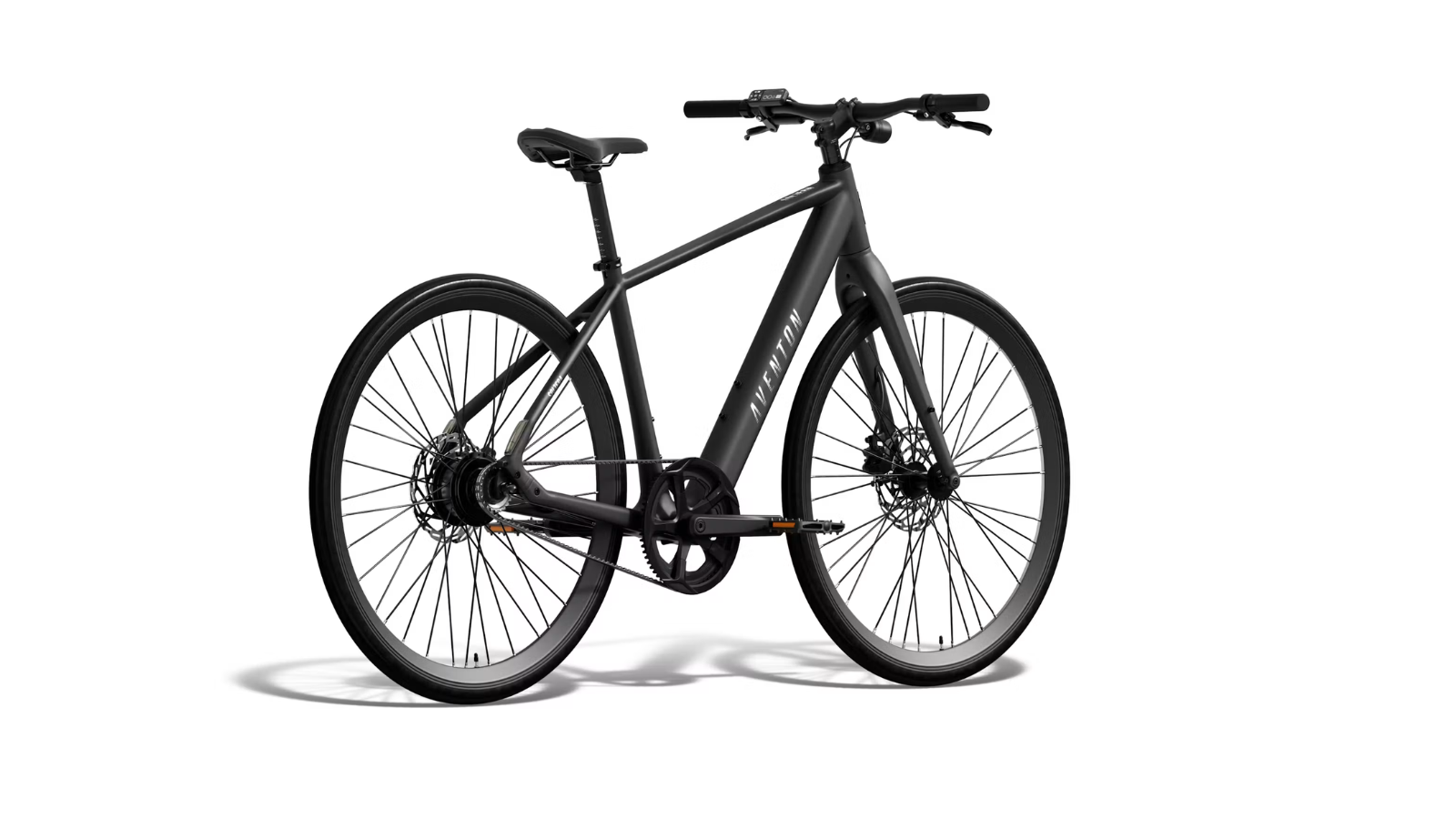
City e-bikes keep getting larger and heavier as companies add motor power and battery capacity, which becomes an issue whenever stairs or a bicycle rack enter the plan and all different sorts of bells and whistles at loaded onto the frame (and out of all the eBikes I’ve reviewed over the years, each one seems to just get heavier and heavier). Aventon took a bit of a narrower approach with the Soltera 3 ADV, removing the throttle and derailleur, skipping suspension, and using a 366.8Wh battery.
After riding it for nearly two months, I found that the bicycle’s defining qualities all hinge on how those decisions work together.
The 37-pound figure caught my attention at first, and the ride gave me a reason to keep appreciating it and coming back to this one specifically compared to some of the bulkier eBikes I have in the garage.
I, the rider, still do a meaningful share of the work, which gives the torque sensor and 250W rear-hub motor a specific job and keeps the electrical system from dominating. Steering stays responsive, and assistance follows pedal pressure in all the ways you’d expect, and the single mechanical ratio removes another decision each time I set off. That simplicity suits producers and DJs looking for exercise and a short period away from screens during a normal afternoon.
It also leaves several omissions to consider, including the missing brake light and theft hardware which would be good on a bike this pricey, along with fenders, a rear rack, and a bell but overall maybe those aren’t deal breakers for you? Let’s find out as we dive into the nitty-gritty.
Why the Soltera 3 ADV Feels Like a Regular Bicycle
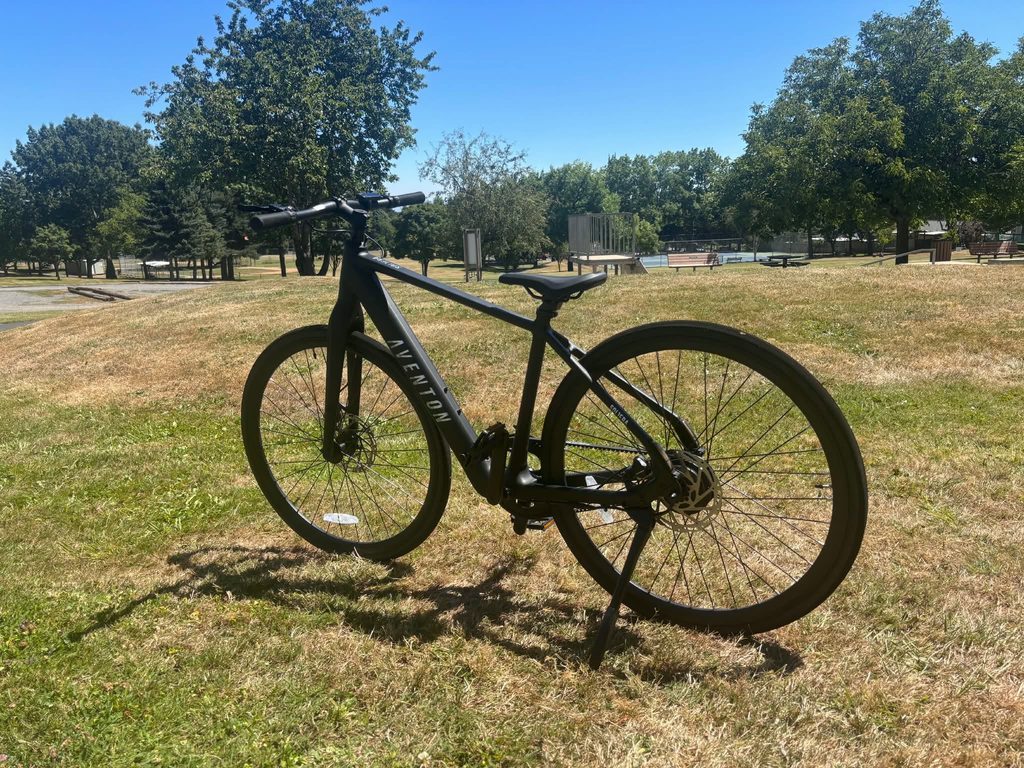
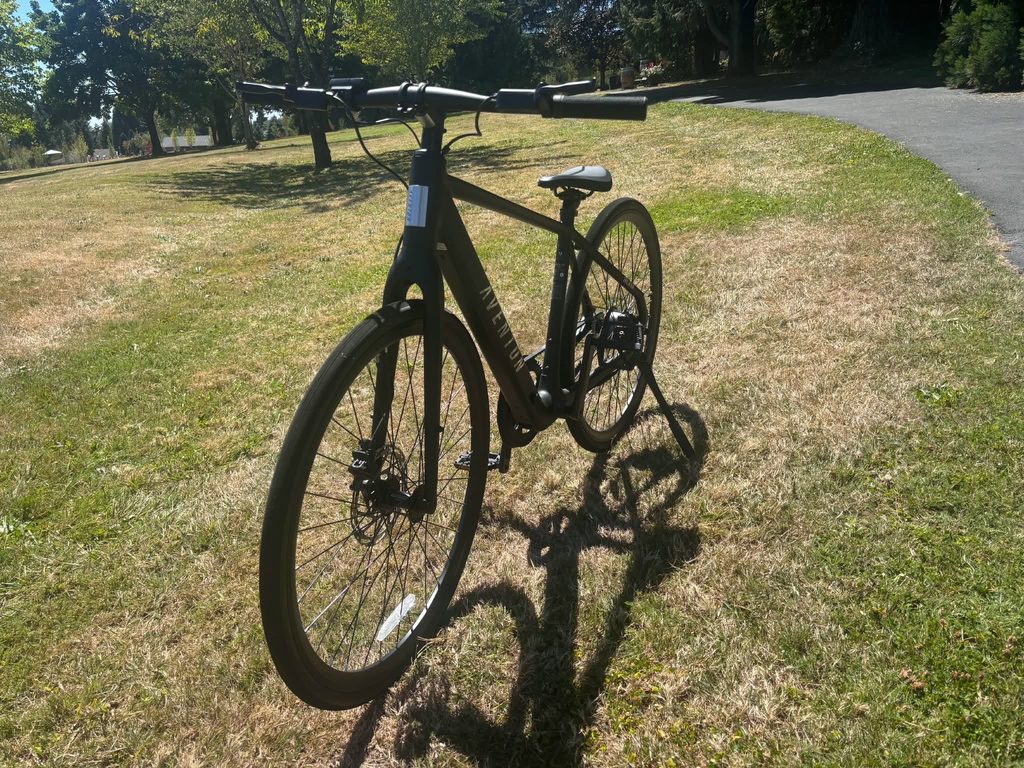
Someone passing the Soltera 3 ADV on a rack may miss the small rear-hub motor, and I think that discretion helps the bicycle feel approachable from the beginning espeically if you’re moving from cycling into the rip-roaring world of eBikes. The battery sits inside a narrow aluminum downtube, wiring enters near the headset, and the compact BC147 display leaves most of the handlebar open.
The low mass makes acceleration easy, keeps turns prompt on city streets, and prevents routine handling from becoming a separate task before or after a ride. I could also pedal the Soltera with assistance switched off, with the 60T front ring asking for a firm push before the bicycle settled into level pavement.
A steep unassisted return exposes the single ratio because no lower gear is available once the road rises. Keeping the battery near 367Wh feels like the sweetspot for a bicycle that needs relatively little electrical help at city speeds.
Motor Response, Ride Tune, and the 20 MPH Limit
The 250W rating sounds modest beside common 500W and 750W numbers, and a few months of riding the Soltera (mostly for commuter work around my town) confirmed that wattage tells only part of the story. Aventon pairs the motor’s claimed 40Nm of torque with a double-sided torque sensor, so assistance follows how firmly I pedal and starts remain controlled. I also liked how power reduced near 20 mph and returned around 19 mph, since the gradual transition kept my pace predictable in traffic.
Eco felt mild during repeated stops, Sport became my normal paved-road setting, and Turbo provided the extra response I wanted on inclines.
Ride Tune lets you adjust Assistance and Pedal Response separately, which matters when electronic support does part of the job normally handled by shifting. I found the factory calibration well judged, so I left it alone most days and retained the option to change response for hills or battery distance. Aventon also removed the prior generation’s throttle, giving the Soltera 3 ADV a cyclist-focused identity and Class 1 access in many locations.
Anyone who depends on a throttle or wants motor assistance above 20 mph should choose another model because the Soltera 3 ADV stops providing assistance at 20 mph.
Aventon Soltera 3 ADV Hill Performance
The Soltera 3 ADV handled moderate hills better than its 250W rating suggested, and I kept finishing climbs convinced that low mass and the selected ratio tell as much of the story as motor output espeically when doing work-related commutes (I like to get my heart rate up but I don’t like showing up to meetings sweaty).
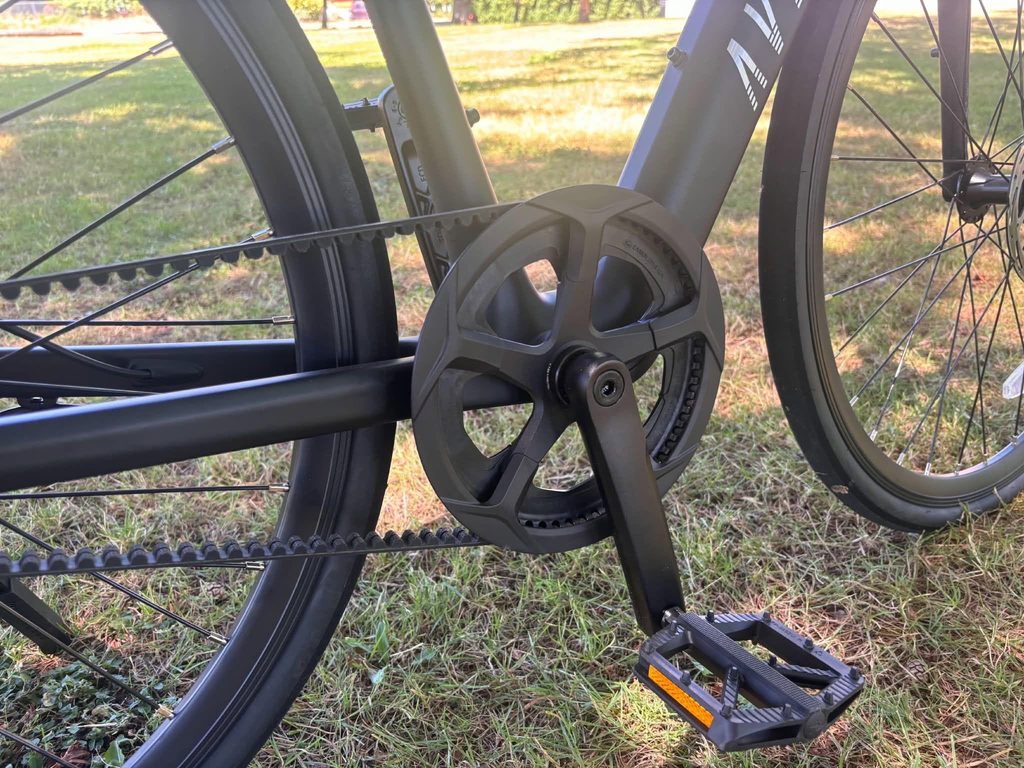
I found that I still ha to provide steady effort as the grade increases, which is good for those active cyclists who want exercise to remain part of each trip. Steep starts and repeated long climbs expose the limits of one gear and 40Nm, so I recommend it mainly for flat roads and moderate grades.
Real Range and Charging

Aventon estimates three to four hours for a full charge with the supplied 4A charger, which fits easily inside a workday and makes shorter top-ups easy to manage. The 366.8Wh battery sits inside the downtube and lacks the quick key-release mechanism found on many commuter e-bikes.
Aventon’s manual says the battery can be charged on or off the bicycle, with removal handled by loosening five bolts using a 2.5mm hex key. Apartment residents can carry the battery upstairs when needed, although repeated removal takes considerably longer than releasing a conventional key-removable pack.
Braking, Lights, and Missing Safety Details
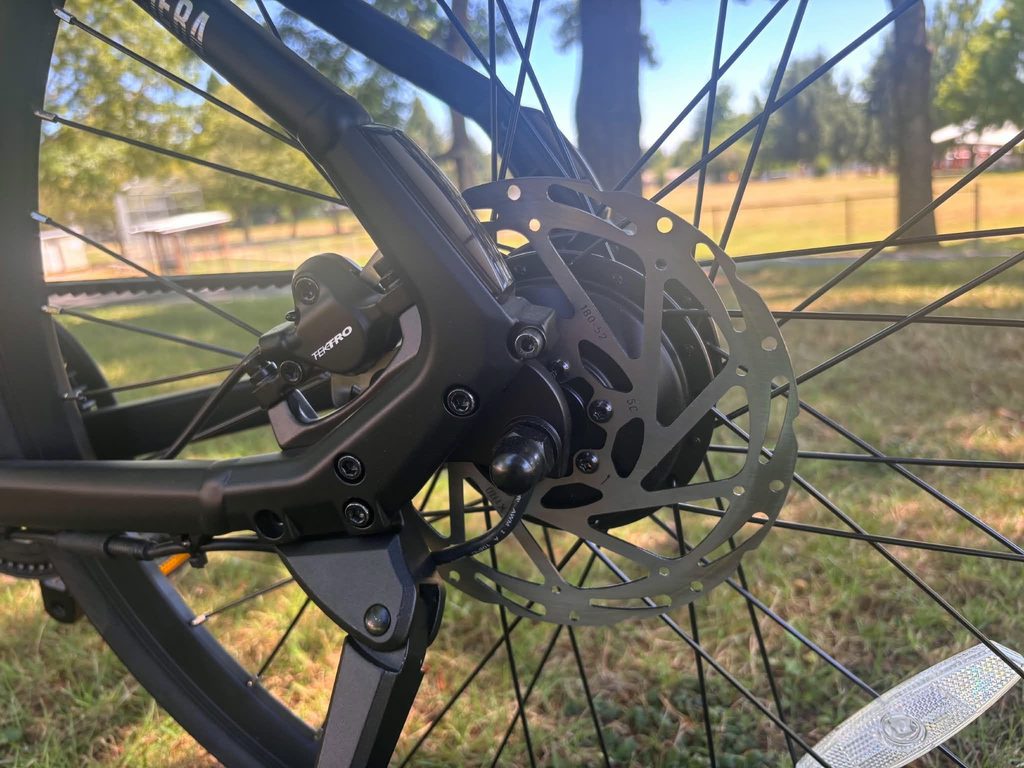
The Tektro HD-T3020 hydraulic disc brakes continue the hydraulic setup introduced on the Soltera 2.5. Aventon changed the brake model from the previous HD-T280 system to the HD-T3020 used on this generation. Their 180mm rotors gave me direct control without excessive lever pressure, and that result matches the fast and assertive braking I experienced during regular riding.
The shallow Kenda tread may wear faster under repeated hard stops, so frequent city riders should inspect it regularly.
The integrated lamps cover basic lighting, and the rear turn indicators give drivers another indication of where the bicycle is heading during low-light rides. I would continue using hand indications because the rear lamps sit low, and I would never assume every driver has seen them. The brake levers lack motor-cutoff sensors, and the rear lamps do not brighten during braking, which left me wanting a dedicated brake-light function on a city e-bike at this price. During casual rides around my own town, the omission caused few issues, although it remains an area Aventon should address.
A city bicycle with integrated turn indicators should include a functioning brake light, and Aventon should also include a basic bell or horn.
Comfort, Fit, and Road Conditions

The rigid aluminum fork and Kenda 700 x 38C tires produce quick steering and low rolling resistance on maintained pavement, with cracks and rough patches still reaching the rider.
I enjoyed that immediate response because the bicycle changed direction quickly without feeling nervous near 20 mph, and its longer wheelbase kept it composed at a steady pace. Gravel and damaged roads reduced comfort quickly, and limited rear clearance leaves little room for a wider tire.
The ADV name reads mainly as trim-level branding to me, and buyers should treat this as a pavement-first bicycle.
The riding position lands between an upright commuter and a fitness bike, which worked for me and deserves attention from anyone expecting the relaxed posture of an Aventon Pace. Its fixed 70mm stem allows little height adjustment, so riders with shorter arms or back concerns should test the reach and use the four dedicated sizes to find the closest fit.
Aventon covers rider heights from 5 feet 1 inch to 6 feet 4 inches, with a 29-inch standover measurement on the smallest option and no lower-entry version. The slim saddle gave me enough padding, the grips were acceptable, and the composite pedals did their job, with the contact points remaining easy to personalize later.
Display, App, and Theft Protection
The compact BC147 display is the size I want here because it keeps the handlebar uncluttered and avoids turning each ride into an interaction with a large central screen.
Speed, battery status, assistance, and motor output remain easy to check, and the same unit handles lighting and indicators and includes a USB-C port. The operating logic took little time to learn, which let me keep my attention on traffic without remembering complicated button combinations. The app adds Ride Tune, firmware management, ride recording, personalized maintenance tracking, and Strava support for owners who want additional data.
Security is where omitting Aventon’s Control Unit becomes harder to accept because the Soltera loses GPS location and geofencing, along with electronic wheel locking and an alarm. Its low mass makes the entire bicycle easier to carry away, turning the missing package into a real ownership concern for anyone parking in public.
This became apparent after my Aventon Level 3 review, where connected security affected how confidently I could leave the bicycle parked. Every Soltera 3 ADV owner should budget for a high-quality lock from the beginning.
Assembly, Accessories, and Warranty

Setup can be completeld in about 13 assembly steps covering the stem, handlebar, headlight, cable connections, front wheel, pedals, tire inflation, saddle, kickstand, belt tension, and reflectors. Most owners with basic bicycle experience should complete the process without losing an afternoon.
First-time owners should still have a shop inspect brake position and fastener torque, and Aventon’s broad dealer network gives many buyers a local option. That service access helps justify part of the $1,499 price once replacement parts or warranty support come into play.
The Soltera includes a kickstand and leaves out fenders, a rear rack, and a bell, which is difficult to excuse on an urban commuter. Fenders should come with the bicycle, and the missing rack limits cargo use until another purchase is made, leaving the base package unfinished for regular office duty. Aventon’s warranty covers designated Aventon-branded electrical components and specified drive-system parts for two years, while battery coverage lasts two years or 300 charging cycles, whichever comes first. Registration within 90 days gives the original retail purchaser nontransferable lifetime limited coverage for the integrity of the Aventon-branded bicycle frame and frameset.
Who Should Buy the Aventon Soltera 3 ADV?
The Soltera 3 ADV suits active riders on paved routes with moderate grades, especially anyone who wants to carry the bicycle indoors and avoid chain or derailleur care. Experienced cyclists may appreciate its natural steering, and first-time e-bike owners get simple controls and no shifting to learn. Apartment residents also receive one of the easier full-size e-bikes to carry upstairs, and the battery can be charged on or off the bicycle after its five mounting bolts are removed.
Producers and DJs looking for short exercise rides between long periods at a desk fit this group because the bicycle takes little preparation before heading outside.
Regular gravel and steep sustained climbs sit outside the Soltera’s best use, and riders who want suspension or a throttle should choose another model. It lacks built-in cargo equipment, carries a relatively compact 366.8Wh battery, and uses a bolt-in pack that takes additional time to remove compared with a conventional key-release battery.
The purchase decision comes down to route surface and hill frequency, followed by charging access, cargo needs, and the amount of work expected from the motor. Matching needs make the Soltera easy to recommend, and anything outside its assignment can become restrictive quickly.
Final Verdict: Editor’s Choice Award Winner
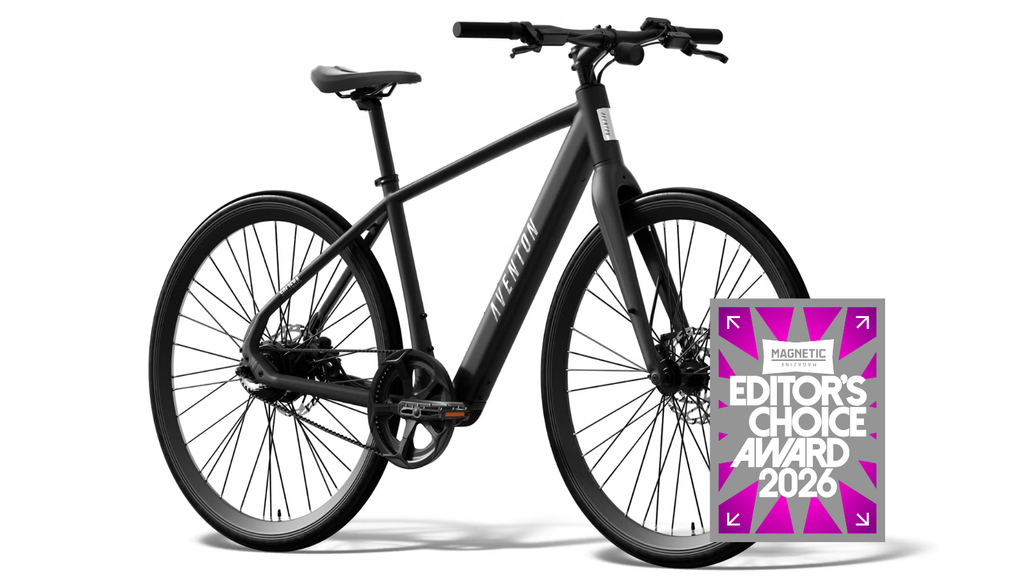
After nearly two months with the Aventon Soltera 3 ADV, I appreciated it most during ordinary city riding, where the low mass, torque sensor, carefully selected ratio, and Gates belt contribute to a bicycle that feels natural from the first pedal stroke.
It is one of Aventon’s most cyclist-focused electric bicycles, and its best qualities become apparent once you stop looking at motor ratings and spend time riding it on pavement. That complete experience is why it earned our Editor’s Choice Award, since Aventon gave the bicycle a narrow assignment and selected each major component around that purpose. The award reflects how well the full package performs during daily use, especially for active riders who want assistance and still expect to contribute meaningful pedal effort.
For $1,499, buyers are paying for precise sizing and restrained motor behavior, along with easy handling and reduced drivetrain care, and I think those qualities justify the price for the right rider.
The Soltera 3 ADV remains easy to carry indoors, the single-speed system removes unnecessary adjustments, and the dealer network provides another layer of support once maintenance or replacement parts enter the equation. After two months, I found myself appreciating the bicycle because its modest numbers translate into a better riding experience than the specification sheet initially suggests. It suits someone who wants to keep pedaling, store the bicycle indoors, and spend most of their time on maintained pavement.
The missing brake-light function remains the first issue I would ask Aventon to address because it weakens an otherwise thoughtful lighting package, and fenders plus a bell would make the bicycle better prepared for commuting from delivery. A lower-entry option would allow additional riders to use the same platform, and greater tire clearance would improve comfort on damaged roads. Those revisions belong on my list for the next Soltera, and the current generation still fulfills its intended role well enough to earn the Editor’s Choice Award.
Aventon created a focused city e-bike that became easier to appreciate with each week of use, and that lasting satisfaction ultimately defined my final decision.
Aventon Soltera 3 ADV FAQ
How fast does the Aventon Soltera 3 ADV go?
It is a Class 1 e-bike with pedal assistance limited to 20 mph, and power tapers near that limit.
What is the realistic Aventon Soltera 3 ADV range?
Independent tests recorded roughly 24 to 55 miles depending on assistance and terrain. Aventon’s 70-mile claim reflects favorable Eco-mode conditions.
Can the Soltera 3 ADV climb hills?
It handles moderate inclines well for a 250W single-speed e-bike and expects active pedaling. Steep starts expose the limits of its 40Nm motor and single ratio.
Does the Aventon Soltera 3 ADV have a throttle?
No. Aventon designed it as a Class 1 pedal-assist bicycle, and the company does not list throttle compatibility.
Can the battery be removed?
Its low mass supports carrying and indoor storage. The battery can be charged while installed or removed by loosening five bolts with a 2.5mm hex key. Owners who expect to remove it after most rides should account for the additional time involved.
What maintenance does the Gates belt need?
The belt needs no lubricant and should be inspected for tension, damage, debris, and sprocket wear. Aventon estimates two to three times the service life of a chain.
Does the Soltera 3 ADV include fenders or a rack?
No. It includes integrated lighting and a kickstand; fenders and cargo racks cost extra.
Is the Soltera 3 ADV suitable for apartment living?
Its low mass supports carrying and indoor storage. The entire bicycle must reach an outlet whenever the fixed battery needs charging.

Will Vance is a professional music producer who has been involved in the industry for the better part of a decade and has been the managing editor at Magnetic Magazine since mid-2022. In that time period, he has published thousands of articles on music production, industry think pieces and educational articles about the music industry. Over the last decade as a professional music producer, Will Vance has also ran multiple successful and highly respected record labels in the industry, including Where The Heart Is Records as well as having launched a new label with a focus on community through Magnetic Magazine. When not running these labels or producing his own music, Vance is likely writing for other top industry sites like Waves or the Hyperbits Masterclass or working on his upcoming book on mindfulness in music production. On the rare chance he's not thinking about music production, he's probably running a game of Dungeons and Dragons with his friends which he has been the dungeon master for for many years.